Smart Financing Strategies: How Smart Mobility is Redefining Luxury Car Ownership
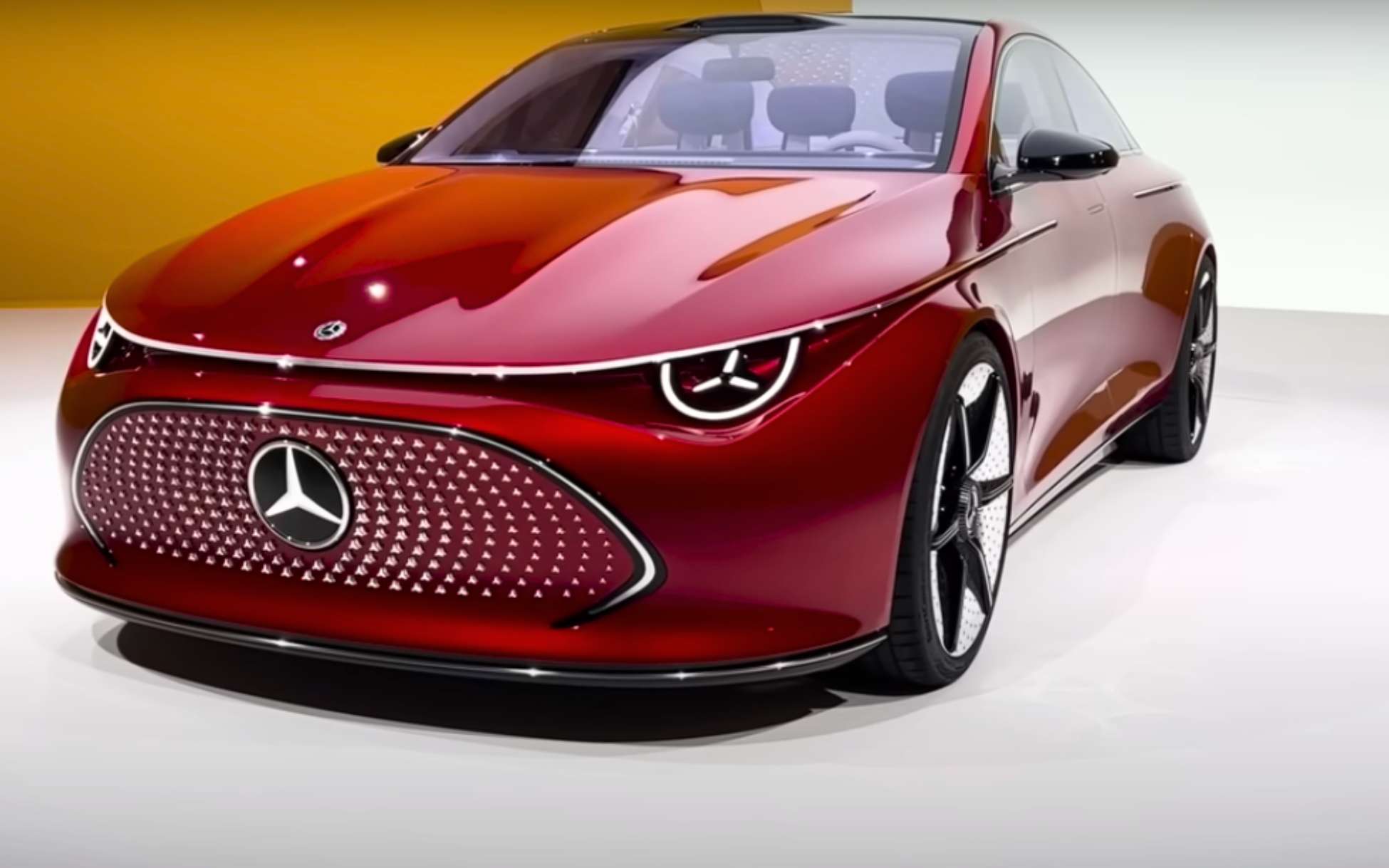
The automotive industry is undergoing a structural transformation, shifting from traditional ownership models to dynamic, smart mobility solutions. For decades, acquiring a premium vehicle meant locking up significant capital and absorbing steep depreciation costs. Today, sophisticated financial frameworks are enabling consumers to optimize their cash flow while experiencing the latest advancements in automotive technology, comfort, and sustainability.
Bridging the gap between everyday utility and the premium driving experience, these modern financing options allow drivers to access cutting-edge vehicles with unprecedented ease. Industry leaders and digital leasing platforms are setting new standards; for instance, detailed automotive market insights provided by the mobility platform Leasy regarding the new Volkswagen virtus 2025 demonstrate how flexible payment structures and advanced technological features are reshaping consumer expectations across all vehicle tiers.
The Paradigm Shift: From Ownership to Usership
Smart mobility leverages connectivity, automation, and shared services to create a highly efficient transportation ecosystem. In both the luxury and premium vehicle segments, this translates to a rapid migration from long-term asset acquisition to flexible usership agreements. Modern consumers prioritize the driving experience, over-the-air software updates, and hassle-free mechanical maintenance over holding a physical title.
Key Smart Financing Models in the Modern Market
- Micro-Leasing and Short-Term Contracts: Consumers can now lease high-end vehicles for periods as short as 12 to 24 months. This aligns vehicle upgrade schedules with rapid technological and EV battery advancement cycles.
- Vehicle Subscription Services: A flat monthly fee covers the vehicle, comprehensive insurance, routine maintenance, and roadside assistance. This structure entirely eliminates the unpredictability of the Total Cost of Ownership (TCO).
- Fractional Ownership: Driven by smart contracts, fractional ownership platforms allow multiple users to hold equity in ultra-luxury vehicles, efficiently distributing both the usage time and the heavy depreciation burden.
Data-Driven Insights: The Financial Advantage
Generative AI, big data, and connected telematics are allowing financial institutions to calculate vehicle residual values with forensic precision. By accurately projecting how a car’s hardware and connected features will age, lenders and fleet managers can offer highly optimized financing rates that benefit the end-user.
Metrics Redefining Automotive Finance
- Capital Liquidity: By transitioning to subscription and smart leasing models, consumers free up an average of 20% to 30% of capital that would traditionally be tied up in automotive down payments.
- Depreciation Mitigation: Premium vehicles traditionally lose up to 40% of their value in the first three years. Smart financing transfers this severe depreciation risk from the consumer to the fleet management entity.
- TCO Predictive Analytics: Modern telematics continuously monitor vehicle health, optimizing maintenance schedules and reducing unexpected out-of-pocket repair costs by up to 25% over a standard three-year usage period.
Frequently Asked Questions (FAQ)
Does smart mobility financing make luxury vehicles cheaper overall?
While smart financing does not significantly reduce the raw sticker price of a premium vehicle, it drastically lowers the barrier to entry and stabilizes monthly cash flow. By incorporating insurance, maintenance, and taxes into a single predictable monthly payment—and removing the financial burden of asset depreciation—vehicle subscription and leasing models offer a vastly superior and more cost-effective Total Cost of Ownership (TCO) compared to traditional auto loans. This is particularly advantageous for drivers who prefer to drive new, technologically relevant vehicles every two to three years without navigating the friction of the used car market.