The Enigmatic Origins of Opal: Unwrapping the Mystery Behind Australia’s Precious Gem
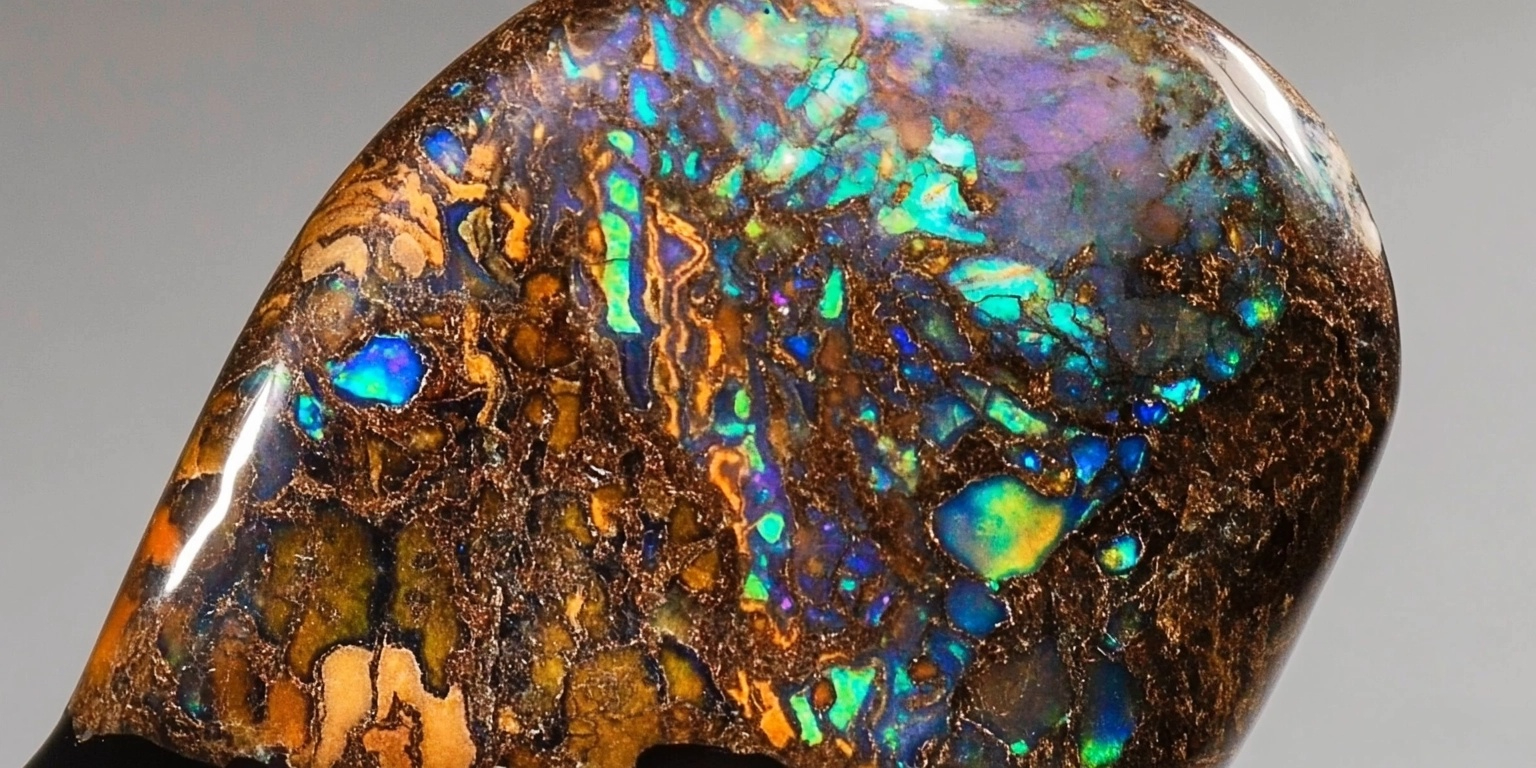
Opals captivate us with their kaleidoscopic colours and unique play of light, but what truly lies behind their mesmerising beauty? Whether you fancy a stroll past the quaint jewellery shops in Sydney or you’re exploring the rugged landscapes of Coober Pedy, the allure of opals is undeniable. This gem tells a story that goes beyond mere aesthetics; it’s steeped in natural history and science that dates back millions of years.
What Are Opals Made Of?
At first glance, opals might seem like a colourful fleck of glittering light in a sea of gemstones, but there’s a whole world of material science behind their formation. Essentially, opals are made up of silica, a common compound found in sands and even in your morning breakfast cereal—yes, really! They form through the slow accumulation of silica-rich water that seeps into cracks and spaces in the earth.
This process can take centuries, even millennia. Imagine the patience required! As the water evaporates, silica gradually solidifies, creating the stunning patterns and colours we see today. Whether you’re contemplating a pair of stunning opal earrings or a necklace that sets off a casual outfit, there’s something utterly charming about wearing a piece of history.
All About Colour Plays
One of the most magical features of opals is their play of colour. This phenomenon occurs due to the internal structure of the stone. Tiny silica spheres arrange themselves in a grid-like pattern, and as light hits these spheres, it breaks apart, creating that rainbow effect. Each opal is like a tiny universe encapsulated within; no two are exactly the same.
Isn’t it fascinating how a bit of light can create an entire spectrum of colour? In some opals, you can even see the hues shift as the stone is turned, almost like it’s alive and responding to its surroundings. It’s moments like this that make you appreciate the artistry of nature.
Where Do Opals Come From?
Now, if we take a little trip through Australia, we’d find that this continent is a veritable treasure chest when it comes to opals. Approximately 90% of the world’s opals are sourced from Australia, making it a critical player in the global gemstone market. Notably, the towns of Lightning Ridge, Coober Pedy, and Andamooka are synonymous with high-quality opal mining. Picture navigating the dusty roads of these remote areas, where the sun-soaked earth reveals its hidden gems.
Each region has its own unique story and type of opal. For instance, the black opals from Lightning Ridge are famed for having a dark body colour that makes the vibrant colours pop even more. Meanwhile, Coober Pedy is often referred to as the “opal capital of the world” and is known for its stunning white opals with a warm glow. Isn’t it remarkable how geography influences beauty in such an exquisite way?
Opals and Culture
Beyond their beauty and science, opals hold deep cultural significance as well. Indigenous Australians have revered this gemstone for centuries, weaving it into stories and legend. Some believe that opals were created from the tears of the sky or that they hold the essence of their ancestors. Wearing opals can be seen not just as an accessory, but as a way to honour this rich heritage.
If you find yourself in Australia, visiting local artisan markets is an excellent opportunity to learn more about the culture surrounding opals. You might even meet a miner or a jeweller who can share their personal connection to these remarkable gems. There’s something special about connecting with the colourful past of a material you’ve chosen to adorn yourself with.
The Science of Value: What Makes Opals So Special?
Alright, let’s get to the juicy bits—how does one assess the value of these glittering treasures? Several factors come into play: colour, clarity, cut, and carat weight. In general, the more vibrant and varied the colours, the more valuable the opal. Not to mention, a good-quality opal should have a beautiful display of colour without too many dark patches or dull areas.
However, beauty is subjective! What one person finds stunning, another might overlook. So, if you’ve got a soft spot for a particular piece, that emotional connection makes it all the more valuable, wouldn’t you agree?
How to Care for Your Opals
Now that you’ve invested in a beautiful opal, how do you keep it looking just as radiant? Caring for these gems is relatively simple. Unlike diamonds, opals can be vulnerable to scratches and harsh chemicals, so it’s best to keep them away from your cleaning supplies and avoid wearing them during clumsy activities—trust me, your opal will thank you! A gentle wipe with a soft cloth and occasional soaking in water should do the trick.
The Future of Opals
So, what lies ahead for our stunning friend, the opal? As we see demand for unique and ethically sourced gems rise, more people are on the lookout for opals as a sustainable alternative to more commonly mined gemstones. The growing trend of lab-created opals also proves that science and beauty can hold hands and dance to the same tune—for the modern consumer, these are exciting times.
Whether you’re an Olympic collector or new to the gem scene, understanding the science and story behind opals enriches the experience. Next time you admire your opal pendant or ring, remember that you’re not just wearing a piece of nature’s art but a remarkable tale spun over eons.
If you’re intrigued to see more about these captivating gems, you can check out Australian Opals for the latest trends, stunning jewellery, and perhaps even your next cherished piece.
So go ahead, embrace the shimmering world of opals. After all, each opal carries with it a slice of earth, a splash of colour, and a sprinkle of magic. What’s not to love?