The Rise of Micro-Influencers in Central Europe: A Brand’s Guide
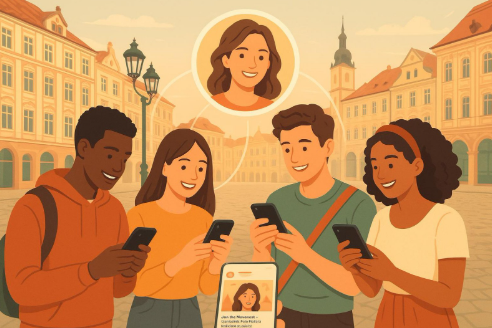
Digital marketing keeps changing, and influencer marketing shows this clearly. In Central Europe, micro-influencers are on the rise, giving brands a strong chance to reach people in a real way.
Why are these smaller creators having such a big impact, and how can your brand work well in this fast-moving space? The key is their authentic voice, the trust they build, and the close connection they have with their communities-something bigger names often lack. To use this trend well, many brands work with a specialist influencer agency.
As we look closer, this is more than a passing fad. It marks a shift in how people connect with brands. This article explains how micro-influencer marketing works in Central Europe and offers a full guide for brands ready to use it.
What Are Micro-Influencers and Why Are They Gaining Traction in Central Europe?
Among the many voices on social media, one group is standing out: micro-influencers. They’re not celebrities with millions of followers. They are creators who have built loyal, active communities around clear interests and passions.
In Central Europe, their rise comes from changing buying habits and a strong focus on honesty. With digital ad spend in Europe reaching $89.4 billion, brands want better, more relatable ways to speak to people. Micro-influencers meet this need.
Defining Micro-Influencers: Follower Counts and Engagement Rates
Micro-influencers usually have between 10,000 and 100,000 followers. This range helps them keep close ties with their audience and build real community. Larger profiles may reach more people, but they can feel distant and less personal.
It isn’t just about how many followers they have. Engagement matters more. Micro-influencers often see much higher engagement than bigger creators. Their followers view them as peers, which leads to more comments, saves, clicks, and sales.
Central Europe’s Unique Influencer Landscape
Central Europe is a great place for micro-influencer campaigns. People here value real voices and local context. They respond well to creators who feel genuine and speak from within their culture. Micro-influencers, with local content and community focus, fit this need well.
The European influencer market is seeing strong growth. In 2022, Europe had 252.1 million Instagram users (37.8% of the population), up 18.4% from 2020. The number of European Instagram users classed as influencers grew by 22% in two years, hitting 10.5 million. This larger group of creators-especially micro-influencers-gives brands more partners who can present products in a real, local way.
How Do Micro-Influencers Differ from Nano, Macro, and Mega-Influencers?
To see the value of micro-influencers, it helps to place them among other tiers:
- Nano-influencers: 1,000-10,000 followers. Often the highest engagement thanks to very tight-knit communities. Their share dropped slightly from 92.6% in 2020 to 91.6% in 2022, but they still work well for very niche goals.
- Micro-influencers: 10,000-100,000 followers. A balance of reach and engagement. The share of micro-influencers rose to 7.7% in 2022, showing growth from the nano tier.
- Macro-influencers: 100,000-1 million followers. Bigger reach, often lower engagement. Content is usually more polished.
- Mega-influencers: 1 million+ followers. Huge reach, lower engagement, and less personal content. Many mega profiles are male (56%), often well-known actors or athletes.
| Tier | Followers | Strengths | Trade-offs |
| Nano | 1,000-10,000 | Very high engagement, very personal | Small reach |
| Micro | 10,000-100,000 | Strong engagement and decent reach | Needs multiple partners for scale |
| Macro | 100,000-1M | Large reach, pro content | Lower engagement, higher cost |
| Mega | 1M+ | Mass exposure | Least personal, pricey |
Micro-influencers sit between mass appeal and close connection, which makes them a strong choice for brands that want real impact in Central Europe.
What Drives the Rise of Micro-Influencers in Central Europe?
This growth comes from changing buyer habits, new tech, and demand for real brand interactions. Local culture in the region supports this movement, making micro-influencers a key part of modern marketing plans.
Changing Consumer Behavior Across Central European Countries
People are smarter about ads now. They tune out hard-sell messages and broad celebrity endorsements. Instead, they look for advice from people they trust. In Central Europe, word-of-mouth matters a lot. People want personal and honest messages, and micro-influencers with focused communities do that well.
As shopping moves online, brands need fresh ways to stand out. Micro-influencers use real stories and user content to cut through the noise. Partnering with agencies experienced in influencer and content marketing—such as All4Comms—can help brands identify the right voices, craft authentic storytelling, and build meaningful relationships with local audiences across Poland and the wider CEE region.
Trust, Authenticity, and Local Relevance
Trust drives micro-influencer success. Unlike mega names who promote many things, micro-influencers tend to stick to a clear niche. That makes their picks feel credible. Followers often see them as experts or friends, which shapes buying choices. Studies show micro-influencers can strongly guide decisions because people relate to them more.
Local fit matters in Central Europe. A creator in Warsaw can speak to Polish habits, language, and daily life in a way a global star cannot. That local touch makes posts feel real and more effective.
The Impact of Social Media Usage Trends in the Region
Social media use in Central Europe is high and growing. Instagram users across Europe rose by 18.4% from 2020 to 2022. People now seek out niche creators that match their interests, not only big accounts with broad content.
This shift helps micro-influencers build strong communities on Instagram, YouTube, and TikTok. With in-app shopping growing, creators often guide users from discovery to purchase within the same platform.
Notable Industries and Niches Benefiting from Micro-Influencer Campaigns
Micro-influencers work across many sectors. In Central Europe, these areas see strong results:
- Beauty and Fashion: Local artists and style lovers share honest reviews and trends, boosting sales and awareness.
- Food and Beverage: City-based food creators drive buzz for products and spots to eat, often sparking local trends.
- Travel and Tourism: Creators who cover nearby trips and hidden spots inspire bookings for stays and tours.
- Technology and Gadgets: Trusted reviewers give clear product feedback that moves tech fans to buy.
- Health and Wellness: Fitness and nutrition voices build tight communities and support related brands.
Because they focus on a niche and connect deeply with followers, micro-influencers can run highly targeted, effective campaigns across the region.
Key Benefits for Brands Collaborating with Central European Micro-Influencers
Brands that want real results in Central Europe can gain a lot from working with micro-influencers. These partnerships often lead to better spending, stronger loyalty, and higher returns.
Improved Engagement Versus Larger Influencers
Micro-influencers tend to drive higher engagement. Big names may reach more people, but the bond is weaker. Smaller creators build trust, so followers are more likely to comment, share, and act. They feel like they know the person behind the post.
Research shows that opinion leaders (often micro-influencers) are better at driving engagement and advice-following than sheer popularity alone.
Cost-Effectiveness and Budget Flexibility
Micro-influencers are often more budget-friendly than macro or mega creators. This lets brands test ideas, enter new markets, or work with several creators across cities and niches. You can reach more varied audiences without overspending.
Lower cost per engagement often means a higher ROI, which suits companies of any size.
Targeting Local Audiences with Precision
Central Europe includes many cultures, languages, and tastes. Micro-influencers handle this mix well. They know local slang, trends, and habits. Brands can speak to very specific groups by city, region, or interest-whether it’s street style in Budapest or a food trend in Prague.
This local focus means people not only see the message but also relate to it, which leads to better results and stronger brand ties.
Campaign Authenticity and Credibility
People doubt traditional ads more than before. Micro-influencers offer a real voice. Their posts feel like genuine tips, not just paid spots. In Central Europe, where people favor honesty, this matters a lot.
When a creator truly likes a product, their excitement feels real and can build lasting loyalty and positive word-of-mouth.
Main Challenges and Risks for Brands in Micro-Influencer Campaigns
While micro-influencer marketing in Central Europe works well, brands still have hurdles to clear. Knowing these early helps build solid plans and avoid setbacks.
Scalability and Managing Multiple Partnerships
To get wide reach, brands often need many micro-influencers. Handling many contracts, approvals, payments, and chats can get messy fast and slow campaigns down.
Without good tools and simple workflows, admin work can eat the savings you hoped to get. Platforms and agencies can help centralize and automate these tasks.
Spotting Fake Followers and Making Sure Engagement Is Real
Fake followers, bots, and inflated stats are a risk. Paying for an audience that isn’t real wastes money and skews data. Brands need to vet creators carefully.
Look past follower counts. Check engagement rates, the quality of comments, and audience details. Strong campaigns depend on real ties between the creator and their followers.
Compliance with Advertising and Disclosure Regulations
Ad rules differ by country in Central Europe. Brands must follow local laws on sponsorship labels, product placement, and clear disclosures. Getting this wrong can bring fines, damage your name, and reduce trust. Some creators may not know all the rules, so the brand should guide and enforce them.
Set clear guidelines, offer training, and review posts for proper disclosure to reduce risk and keep marketing fair.
Best Practices for Brands Partnering with Micro-Influencers in Central Europe
To get the most from micro-influencers in Central Europe, you need a clear plan. That includes finding the right partners, building real relationships, fair pay, and careful tracking.
Identifying the Right Influencers for Your Brand Goals
Success depends on fit: the creator’s niche, audience, and your brand’s goals and values. Don’t chase the biggest following. Focus on relevance and true engagement. Do proper research: check content quality, audience data, engagement style, and brand match. Does their voice fit yours? Do they connect with your buyers in Central Europe? Tools that copy human review at scale can help you spot good hashtags and strong creators. A careful, goal-led approach helps every partnership count.
Pick people who live your message and can share it honestly with their community.
Effective Outreach and Building Long-Term Relationships
After you find good candidates, reach out with a personal note. Show you know their work and audience. Be clear about the idea and mutual benefits. Long-term deals usually work better than one-offs. Ongoing work builds trust, better content, and stronger results over time.
Treat creators like partners, not just media slots. That mindset builds loyalty and better outcomes.
Negotiation Tactics and Fair Compensation
While micro-influencers cost less than bigger names, fair pay still matters. Mix cash, products, experiences, and affiliate links based on scope, size, and engagement. Be open about deliverables, usage rights, and payment terms. Knowing local rates in each Central European market helps you make fair offers. Many creators also earn commissions on top of fees, which can motivate them further.
Win-win deals keep both sides invested and lead to better work.
Setting Campaign Objectives, KPIs, and Tracking ROI
Set clear goals and KPIs before launch. Do you want awareness, traffic, leads, or sales? Pick metrics that match: engagement rate, click-throughs, conversions, or reach. Put reliable tracking in place from day one. This lets you measure results, tie outcomes to spend, and improve the next round. Data will guide future campaigns, so build your tracking early.
Regular checks and reports help you learn fast and make changes that improve results.
How to Measure Campaign Success with Micro-Influencers
Measuring success takes more than counting followers. You need to look at both numbers and quality to see how your brand image, engagement, and sales are changing.
Key Performance Metrics: Engagement, Reach, Conversions
Engagement rate is the most important metric. Look at likes, comments, shares, and saves compared to audience size. High engagement shows an active community. Reach tells you how many unique people saw the content, but it matters who they are and if they match your target.
Conversions are often the final goal: clicks, purchases, sign-ups, or app installs. Track these with unique links or codes. Platforms that track actions help you tie results to creators. Since opinion leaders often drive behavior better than raw popularity, these KPIs matter a lot.
Analyzing Regional Differences in Results
Central Europe isn’t one market. A win in Poland may perform differently in Hungary or the Czech Republic. Segment results by country or city to see what works where. Language, holidays, local trends, and the economy can all shape outcomes. Knowing these differences helps you adjust targeting and improve future campaigns in each market.
Detailed, local analysis gives you clear next steps and better performance over time.
Recommended Tools and Platforms for Campaign Tracking
Good tools make tracking and management easier. They automate data pulls, offer deep insights, and keep workflows tidy. Influencer marketing platforms (such as Influencity) help brands find, manage, and track creators at scale. Many use AI to spot fake followers, review audience makeup, and predict results. They can also handle contracts, payments, and approvals.
Beyond these, use social analytics tools, Google Analytics for traffic and sales, and your CRM for lead tracking. Data-led setups help teams make smart calls and improve performance.
Future Outlook: Trends Shaping Micro-Influencer Marketing in Central Europe
Micro-influencer marketing in Central Europe is active and changing fast. Several trends will shape what comes next and open new paths for brands to stand out.
Predicted Growth and Shifting Market Dynamics
Growth in influencer marketing looks set to continue, with micro-influencers leading the way. Expect their role to expand as people keep asking for real voices. The small drop in nano share and the rise in micro share point to a path where strong nano creators move up. This shows a market that is maturing, with niche creators treating this as a profession and building stable ways to earn-good news for brands.
As this grows, brands will choose creators for more than numbers or looks. Fit, values, and personal brand will matter more.
Emerging Content Formats and Platforms
The online space keeps introducing new formats. Instagram stays strong, but short video on TikTok, live streams, and interactive content are rising. Brands should adapt and test new ways to tell stories. Micro-influencers, close to their audiences and quick to try new things, are great partners here.
With more in-app shopping, creators will cover the full path from discovery to purchase and may earn commissions along with fees.
Opportunities for Innovation and Brand Differentiation
As more brands use micro-influencers, standing out will take creativity. Go beyond basic product posts. Try co-created content, unique experiences, and programs that link creators to your broader marketing. Let creators show their style while staying true to your message. That could mean user content drives, ambassador programs, or bringing creators into product feedback.
The brands that win in Central Europe will treat creators as true partners who help shape culture and build real communities around the brand.