The Ultimate Guide to Packaging Equipment
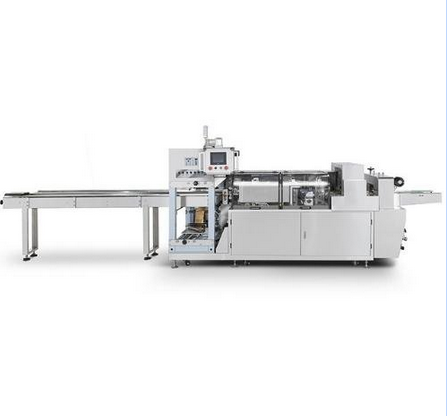
Introduction to Packaging Equipment
Packaging equipment plays a vital role in today’s fast-paced world. From food products to pharmaceuticals, the right packaging ensures that items reach consumers safely and efficiently. But what exactly is packaging equipment, and why does it matter? Whether you’re a business owner looking to streamline your operations or simply curious about how products are packaged, this guide will take you through everything you need to know.
With advancements in technology and an ever-growing demand for sustainable solutions, understanding the various types of packaging equipment available has never been more important. This comprehensive look will help demystify the options out there while highlighting their uses across different industries. Get ready to explore industry standards that prioritize quality and safety as we delve into key factors influencing your choice of machinery. Additionally, we’ll address common challenges businesses face with packaging processes and reveal best practices for maintenance.
Join us on this journey through the fascinating world of packaging equipment—where innovation meets necessity!
Types of Packaging Equipment
Packaging equipment comes in various forms, each designed to meet specific needs. At the forefront are filling machines. These devices accurately fill containers with liquids or solids, ensuring consistency across batches.
Next, we have sealing machines. They play a crucial role in protecting products from contamination and spoilage by securely closing packages.
Labeling equipment is equally important. It ensures that every product displays essential information, from ingredients to expiration dates—crucial for compliance and customer awareness.
For larger operations, automated packaging systems streamline processes by integrating multiple functions into one machine. This boosts efficiency significantly while minimizing human error.
There’s wrapping machinery used primarily for securing goods on pallets or bundles with stretch film or shrink wrap. This adds another layer of protection during storage and transport while also maintaining load stability.
Each type serves a unique purpose within the packaging landscape, catering to diverse industry requirements.
Uses of Packaging Equipment in Different Industries
Packaging equipment serves diverse functions across various industries. In the food sector, it ensures products remain fresh and safe. Automated machines fill, seal, and label items efficiently.
Pharmaceutical companies rely on precise packaging to maintain drug efficacy. Here, blister packs and sterile containers are essential for safety.
In e-commerce, robust packaging systems protect goods during transit. These include strapping machines that secure boxes for shipment.
Cosmetics also benefit from innovative packaging techniques. Attractive designs enhance product appeal while maintaining quality through tamper-proof seals.
The electronics industry uses specialized equipment to prevent damage. Anti-static bags and custom inserts safeguard delicate components during shipping.
Each industry tailors its use of packaging equipment to meet specific challenges while ensuring compliance with regulations. This versatility highlights the critical role that effective packaging plays in modern commerce.
Industry Standards for Quality and Safety
When it comes to packaging equipment, adhering to industry standards is crucial for ensuring both quality and safety. Various organizations set guidelines that manufacturers must follow. This includes ISO certifications, which dictate quality management systems.
In the food sector, compliance with FDA regulations ensures that packaging materials are safe for consumer use. For pharmaceuticals, GMP (Good Manufacturing Practices) play a vital role in maintaining product integrity.
These standards help mitigate risks associated with contamination or malfunctions. Regular audits and inspections verify adherence to these guidelines.
Moreover, investing in certified equipment can enhance operational efficiency. It builds trust with consumers who prioritize safety in their purchases.
Understanding these standards is essential for businesses aiming to maintain a competitive edge while prioritizing customer wellbeing.
Factors to Consider When Choosing Packaging Equipment
When selecting packaging equipment, several factors come into play. First, consider the type of products you’re working with. Different materials require specific machines for optimal results.
Next, think about production speed. High-demand environments may need faster machinery to keep up with output requirements. Conversely, slower lines might suffice for niche markets or lower volumes.
Budget is another crucial element. Determine your financial constraints early on and explore options that fit within those parameters without compromising quality.
Flexibility also matters in today’s dynamic market. Choose equipment that can adapt easily to different product sizes or types to avoid costly upgrades later.
Assess space limitations in your facility. Measure available areas and ensure the chosen machinery fits comfortably while allowing efficient workflows around it.
Common Challenges with Packaging Equipment
Packaging equipment can face several challenges that impact efficiency and productivity. One common issue is downtime caused by mechanical failures. These interruptions can lead to significant delays in production schedules.
Another challenge is compatibility with various packaging materials. Not all machines work seamlessly with every type of film or container, which can complicate operations. Adjustments may be necessary, increasing labor costs and time.
Furthermore, adapting to changing regulations poses a hurdle for many businesses. Keeping up with industry standards requires constant monitoring and potentially retrofitting existing machinery.
Training staff on new technologies also presents difficulties. Employees must understand how to operate complex systems safely and efficiently, requiring ongoing education efforts from management.
The initial investment cost for high-quality packaging equipment might deter smaller companies from upgrading their systems despite potential long-term savings. Balancing budget constraints against operational needs remains a constant struggle in the industry.
Maintenance and Upkeep of Packaging Equipment
Proper maintenance of packaging equipment is crucial for maximizing efficiency and avoiding costly downtimes. Regular inspections can catch minor issues before they escalate into major problems.
Cleaning is another essential aspect of upkeep. Dust, debris, and residue can interfere with machine performance. A clean workspace contributes to smoother operations.
Lubrication of moving parts ensures that machinery runs smoothly without unnecessary friction. This simple step extends the life of your equipment significantly.
Don’t forget about staff training. Well-trained operators are more likely to notice irregularities and address them promptly. This proactive approach saves time and resources.
Keeping an organized inventory of spare parts helps prevent delays during repairs or replacements. Being prepared minimizes disruptions in production schedules.
Future Developments
As we look ahead, the world of packaging equipment is on the brink of remarkable advancements. Innovations in technology are transforming how packaging processes operate. Automation continues to enhance efficiency, reducing labor costs and human error.
Sustainability is another pivotal focus. Manufacturers are increasingly adopting eco-friendly materials and methods that minimize environmental impact. This shift aligns with global efforts toward greener practices, appealing to both consumers and regulatory bodies.
Smart packaging solutions are also gaining traction. These incorporate sensors and connectivity features that provide real-time data about product conditions during transit and storage. Such technologies can improve supply chain transparency while ensuring product integrity.
The rise of e-commerce demands adaptability in packaging equipment too. Systems designed for flexible packing styles accommodate a variety of products, catering to direct-to-consumer models more effectively.
Staying updated on these trends will be essential for businesses looking to remain competitive in an ever-evolving landscape. Investing in cutting-edge packaging equipment today could set the foundation for success tomorrow.