Why Do Kids Get Warts? Causes, Risks & Remedies 2026
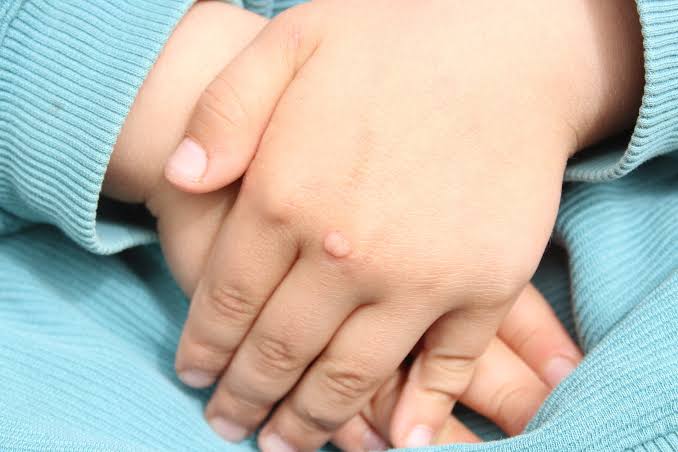
Why do kids get warts is a common question parents search when they spot a rough, raised bump on their child’s hand or foot. Warts are extremely common in childhood and are rarely a serious health concern.
Warts are caused by the human papillomavirus, commonly known as HPV, which infects the outer layer of skin through tiny cuts, scrapes, or hangnails.
Quick Facts Table: Kids and Warts Overview
Here is a quick summary of the most important facts about childhood warts before we explore the full details.
| Fact | Detail |
|---|---|
| Cause | Human papillomavirus (HPV) |
| Most common locations | Hands, fingers, feet, knees |
| Contagious | Yes, but not highly contagious |
| Time to appear after exposure | Weeks to over a year |
| Time to disappear naturally | Weeks to months, sometimes years |
| Cancer risk from common warts | None |
| Common treatment | Over-the-counter salicylic acid, cryotherapy |
| When to see a doctor | Painful, spreading, or persistent warts |
What Exactly Is a Wart?
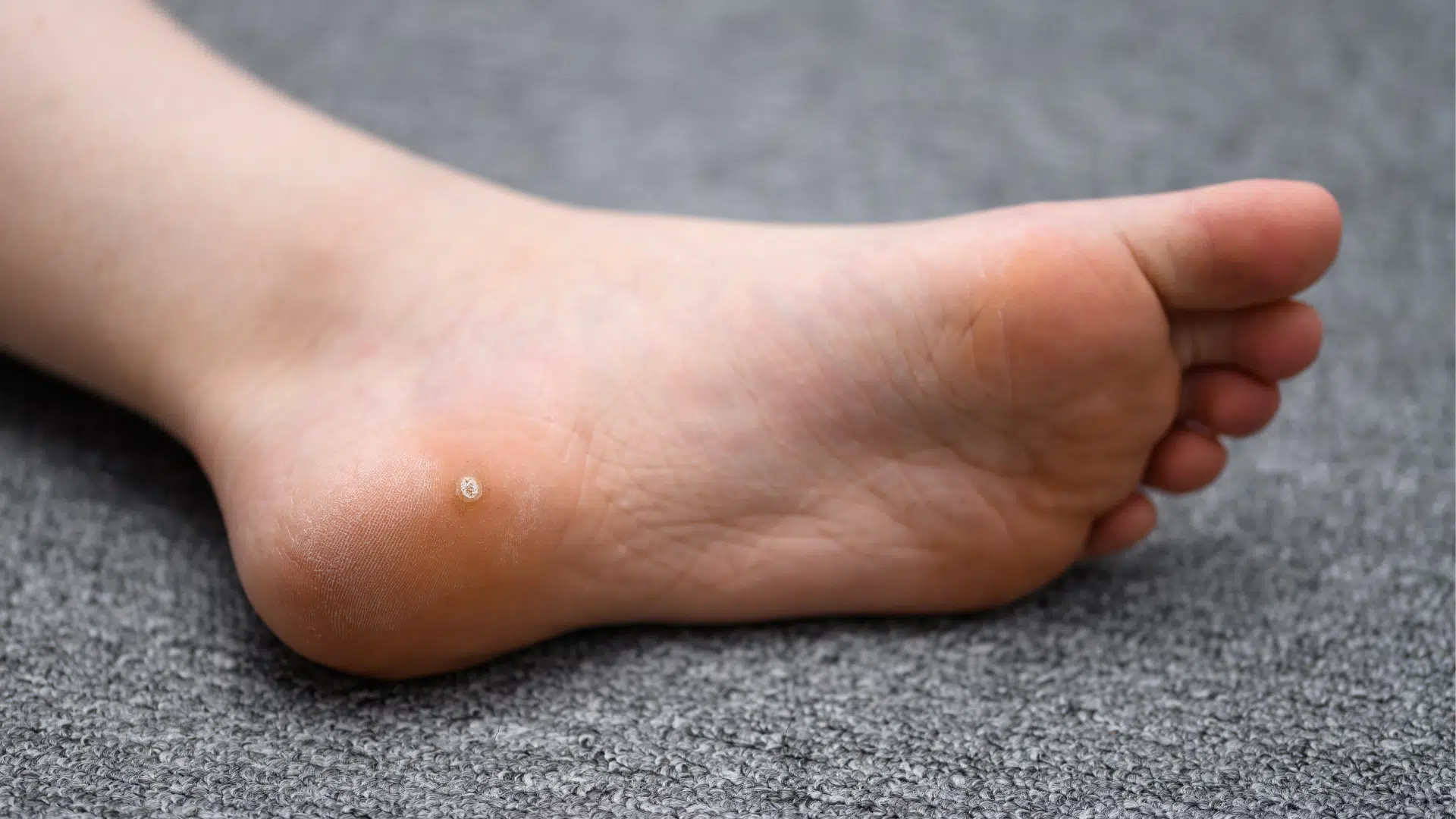
A wart is a small, noncancerous skin growth caused by certain strains of the human papillomavirus infecting the outer layer of skin.
The virus triggers rapid growth of skin cells, which creates the rough, raised bump most people recognize as a typical wart.
While warts can look concerning, they are almost always harmless and tend to resolve on their own over time.
Why Do Kids Get Warts More Than Adults?
There are several clear reasons why children develop warts far more frequently than adults do, based on both biology and behavior.
1. Developing Immune Systems
Children’s immune systems are still learning to recognize and fight off viruses, including the HPV strains responsible for warts.
Adults have often already been exposed to common HPV strains and built immunity, making new infections and visible warts less likely.
2. Close Physical Contact with Other Children
Kids frequently touch, hug, and play closely with other children at school, daycare, and camp, increasing opportunities for virus transmission.
This close contact makes it easier for HPV to pass from one child to another through skin-to-skin touch.
3. Sharing Personal Items
Children often share towels, socks, shoes, and toys without much thought, all of which can carry the virus responsible for warts.
Public places like swimming pools, locker rooms, and gym floors are also common areas where the virus can spread.
4. Nail Biting and Hangnail Picking
Kids who bite their nails or pick at hangnails create tiny entry points around their fingers where HPV can easily enter the skin.
This habit not only increases the risk of new warts but can also help spread existing warts to nearby areas.
5. Frequent Cuts and Scrapes
Active children often have small cuts, scrapes, or scratches from play, sports, and everyday exploration, all of which offer entry points for the virus.
Even a barely visible papercut can be enough of an opening for HPV to infect the skin.
6. Touching Shared Surfaces
Children touch desks, playground equipment, doorknobs, and toys constantly throughout the day, increasing their exposure to viruses like HPV.
Since HPV can survive on surfaces for a period of time, this frequent contact adds to a child’s overall risk.
7. Walking Barefoot in Public Areas
Walking barefoot around pools, locker rooms, and gym floors increases the risk of plantar warts, which develop on the soles of the feet.
These moist, shared environments are ideal conditions for the virus that causes warts to spread between people.
Common Myths vs Facts About Childhood Warts
Many misconceptions exist about warts in children that can cause unnecessary worry for parents. Here is a quick comparison table.
| Myth | Fact |
|---|---|
| Warts are caused by touching frogs or toads | Warts are caused only by HPV, not animals |
| All HPV types cause cancer | Only certain sexually transmitted HPV types are linked to cancer |
| Warts are highly contagious | Warts spread, but transmission is not considered highly contagious |
| Warts always need medical removal | Most warts eventually go away on their own |
Understanding HPV and Warts
There are more than 100 different types of human papillomavirus, and only some of them cause the common skin warts seen in children.
The HPV types responsible for skin warts on hands, feet, and knees are completely different from the types linked to genital warts or cervical cancer.
This distinction is important for parents to understand, as it helps ease unnecessary worry about serious health risks from common childhood warts.
Types of Warts Common in Children
Different types of warts can appear depending on the specific HPV strain involved and the part of the body affected.
| Wart Type | Appearance | Common Location |
|---|---|---|
| Common warts | Raised, rough, grayish-brown | Hands, fingers, knees |
| Plantar warts | Rough, spongy, gray or brown with black dots | Soles of the feet |
| Flat warts | Smooth, flat or slightly raised | Face, hands, shins |
| Filiform warts | Thread-like, thin projections | Around mouth, nose, chin |
How Warts Develop After Exposure
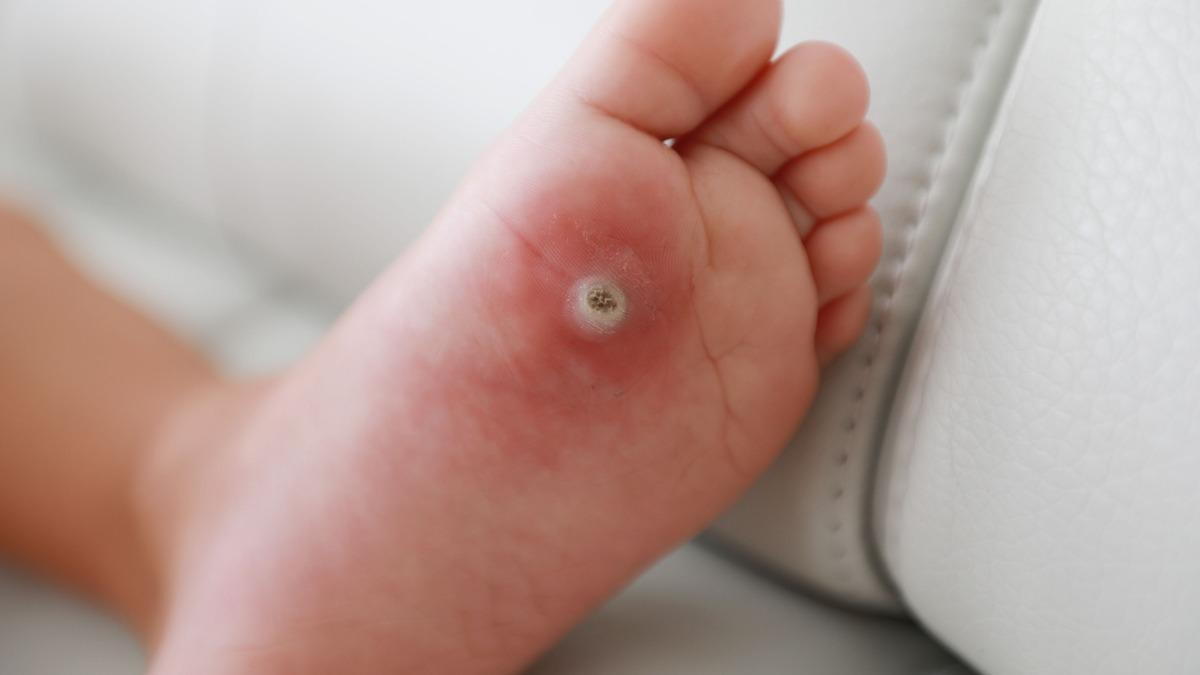
After a child is exposed to HPV, it can take anywhere from a few weeks to over a year for a visible wart to appear.
Because of this long and unpredictable incubation period, it is often impossible to pinpoint exactly when or where a child picked up the virus.
Once visible, warts continue to grow slowly over weeks to months before eventually stabilizing or beginning to resolve.
Are Warts in Children Dangerous?
In most cases, warts caused by common HPV strains are completely harmless and are not linked to any cancer risk whatsoever.
The HPV types linked to cervical and other cancers belong to a separate group of sexually transmitted strains, unrelated to typical childhood skin warts.
However, some warts can become painful, especially plantar warts on the feet, which may require treatment for comfort rather than medical necessity.
Signs Your Child’s Wart Needs Medical Attention
While most warts are harmless, certain signs suggest it’s worth scheduling a visit with your child’s doctor for evaluation.
| Warning Sign | Why It Matters |
|---|---|
| Wart is painful | May interfere with walking or daily activities |
| Wart spreads rapidly | Could indicate a weaker immune response |
| Wart changes color or shape | Should be checked to rule out other skin conditions |
| Wart appears on the face or genitals | Needs professional evaluation |
| Wart persists despite treatment | May need stronger prescription options |
How Doctors Diagnose Warts in Children
Most warts can be diagnosed simply through a visual examination by a pediatrician or dermatologist without any additional testing required.
In rare or unclear cases, a small skin sample may be taken to confirm the diagnosis and rule out other skin conditions.
Your child’s doctor will also consider the wart’s location, appearance, and how long it has been present during evaluation.
Treatment Options for Childhood Warts
Treatment depends on the type, location, and severity of the wart, ranging from simple home care to in-office procedures.
Watchful Waiting
Since most warts eventually disappear on their own, many doctors recommend simply monitoring the wart if it isn’t causing pain or spreading.
This approach avoids unnecessary treatment for a condition that often resolves naturally within months to a couple of years.
Over-the-Counter Salicylic Acid
Salicylic acid treatments are widely available and work by gradually breaking down the wart tissue over several weeks of consistent use.
These treatments require patience and regular application but are a common first step for many families managing childhood warts.
Cryotherapy (Freezing)
Cryotherapy uses extreme cold to destroy wart tissue and is commonly performed in a doctor’s office for more stubborn warts.
This treatment may require multiple sessions spaced a few weeks apart to fully clear the wart.
Prescription Treatments
For warts that resist standard treatment, doctors may prescribe stronger topical medications or recommend in-office procedures for more effective removal.
Laser Treatment or Minor Surgery
In persistent or difficult cases, laser therapy or minor surgical removal may be considered, though this is less common for typical childhood warts.
Home Care Tips for Managing Warts
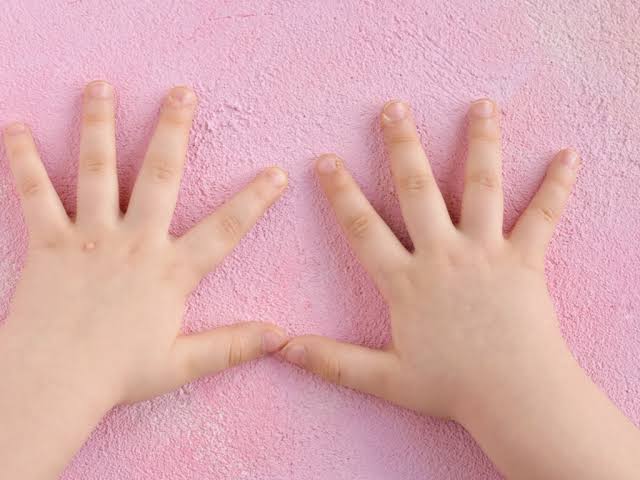
Along with medical treatment, several home care habits can help manage warts and reduce the risk of spreading them further.
Keep the affected area clean and dry, and avoid picking or scratching at the wart, which can spread the virus to nearby skin.
Cover warts with a bandage during activities like swimming to reduce the risk of spreading the virus to others.
Encourage your child to avoid nail-biting and hangnail picking, since these habits create easy entry points for the virus.
Home Care Do’s and Don’ts Table
| Do | Don’t |
|---|---|
| Keep the wart clean and covered when needed | Pick or scratch at the wart |
| Use over-the-counter treatments as directed | Share towels, socks, or shoes |
| Encourage handwashing habits | Walk barefoot in public showers or pools |
| Be patient with treatment timelines | Attempt to cut or burn a wart at home |
How to Prevent Warts in Children
While it’s difficult to completely prevent warts due to how common the virus is, certain habits can help reduce your child’s risk.
Encourage regular handwashing and discourage nail-biting or picking at hangnails, both of which create entry points for the virus.
Have your child wear sandals or water shoes in public pools, locker rooms, and gym showers to reduce exposure to HPV.
Avoid sharing personal items like towels, socks, and shoes with other children, especially in group settings like camp or school.
Warts vs Other Skin Growths
Parents sometimes confuse warts with other common childhood skin conditions, so it helps to understand a few key differences.
Unlike moles, warts typically have a rough, raised texture and may contain small black dots, which are actually tiny clotted blood vessels.
Unlike skin tags, warts are caused by a virus and can potentially spread to other parts of the body if left untouched.
If you are ever unsure whether a growth is a wart or something else, a quick pediatrician visit can provide clarity and peace of mind.
Why Warts Sometimes Come Back
Even after successful treatment, warts can sometimes return because the HPV virus may remain present in surrounding skin tissue.
This is why consistent home care habits, like avoiding picking and practicing good hygiene, remain important even after a wart appears to be gone.
Recurring or persistent warts despite treatment are also a good reason to follow up with your child’s doctor for further evaluation.
Emotional Impact of Warts on Children
Beyond the physical aspect, visible warts can sometimes affect a child’s confidence, especially if they appear on the face or hands.
Reassuring your child that warts are common, harmless, and treatable can help ease any embarrassment they may feel around peers.
Working together on treatment as a family routine can also help children feel supported rather than singled out because of their warts.
Warts and School or Daycare Attendance
Many parents wonder whether a child with warts should stay home from school or daycare to avoid spreading the virus to others.
In most cases, children with common warts can continue attending school normally, since the condition is not considered highly contagious.
However, covering visible warts with a bandage during activities like swimming or gym class can help reduce the small risk of transmission.
Diet, Lifestyle, and Immune Support
While diet alone cannot prevent warts, supporting a child’s overall immune health may help their body fight off the virus more effectively.
A balanced diet rich in fruits, vegetables, and adequate sleep supports healthy immune function, which plays a role in resisting viral infections like HPV.
Chronic stress or illness can sometimes weaken immune response, potentially making children more susceptible to developing new warts during those periods.
Warts on Different Age Groups
Warts can appear at any age during childhood, though certain age groups tend to experience them more frequently than others.
School-age children, particularly between five and twelve years old, often show the highest rates of warts due to increased social contact and shared spaces.
Toddlers and infants develop warts less frequently, likely due to more limited exposure to shared surfaces and other children in group settings.
Common Locations for Warts in Kids
Warts can technically develop anywhere on the body, but certain locations are far more common in children due to typical exposure patterns.
| Location | Why It’s Common |
|---|---|
| Fingers and hands | Frequent touching of shared surfaces and objects |
| Feet (soles) | Walking barefoot in public pools and locker rooms |
| Knees | Frequent scrapes and cuts from play and sports |
| Face | Less common but can occur through touching after contact with hands |
When Warts Affect a Child’s Daily Activities
Some warts, especially plantar warts on the feet, can cause discomfort that affects walking, running, or participating in sports and physical activities.
If a wart is interfering with your child’s normal daily activities, it may be worth pursuing more active treatment rather than watchful waiting.
Discussing activity-related concerns with your child’s doctor can help determine the most appropriate treatment timeline for your family’s needs.
Talking to Your Child About Warts
Explaining warts in simple, reassuring terms can help children feel less anxious or embarrassed about having one, especially if peers notice it.
Letting your child know that warts are extremely common and not their fault can help reduce any unnecessary worry or self-consciousness.
Involving older children in their own treatment routine, like applying over-the-counter medication, can also help them feel a sense of control over the process.
Wart Prevention Checklist for Parents
Use this simple checklist to review daily habits that may help lower your child’s overall risk of developing warts.
Check that your child washes their hands regularly, especially after school, playgrounds, and shared activities with other children.
Confirm your child wears sandals or water shoes in public pools, locker rooms, and communal shower areas whenever possible.
Make sure any cuts, scrapes, or hangnails are kept clean to reduce potential entry points for the virus.
Discourage sharing towels, socks, or shoes with friends or classmates, especially during sports or sleepovers.
Quick Comparison: Watchful Waiting vs Active Treatment
Deciding between watchful waiting and active treatment depends on several factors specific to your child’s situation and comfort level.
| Factor | Watchful Waiting | Active Treatment |
|---|---|---|
| Wart causes no pain | Often recommended | Optional |
| Wart is spreading | Not recommended | Recommended |
| Wart affects daily activities | Not ideal | Recommended |
| Child feels self-conscious | Consider treatment | Recommended |
Discussing these factors with your child’s doctor can help you choose the most appropriate approach for your family.
Frequently Asked Questions (FAQs)
1. Why do kids get warts more than adults?
Children have developing immune systems and more skin contact through play. This makes them more prone to HPV infection.
2. Are warts in children contagious?
Yes, warts can spread through skin contact or shared items. However, they are not considered highly contagious.
3. Do childhood warts cause cancer?
No, common skin warts are not linked to cancer. Only certain sexually transmitted HPV types carry cancer risk.
4. How long do warts take to go away?
Warts can take weeks to months, sometimes years, to disappear naturally without any treatment.
5. Should I remove my child’s wart right away?
Not necessarily. Many doctors recommend watchful waiting unless the wart is painful or spreading.
6. What is the most common treatment for kids’ warts?
Over-the-counter salicylic acid is a common first treatment. Cryotherapy is used for more stubborn cases.
7. Can nail-biting cause warts?
Yes, nail-biting and hangnail picking create entry points for HPV. This increases the risk of finger warts.
8. Are plantar warts different from regular warts?
Yes, plantar warts appear on the soles of the feet. They can be more painful due to pressure while walking.
9. Can warts come back after treatment?
Yes, warts can return if the virus remains in nearby skin. Good hygiene habits help reduce recurrence.
10. When should I take my child to the doctor for a wart?
See a doctor if the wart is painful, spreading quickly, or persists despite home treatment.
Conclusion
Why do kids get warts comes down to a combination of developing immune systems, frequent skin contact, and everyday childhood habits like nail-biting and playing barefoot. HPV, the virus responsible for warts, is extremely common, which is why most children will develop at least one wart at some point during their early years.
The good news is that common childhood warts are harmless, not linked to cancer, and usually resolve on their own with time, patience, and simple home care. Treatments like salicylic acid or cryotherapy can speed up the process for stubborn warts, while good hygiene habits help reduce the chances of spreading or recurrence.
If your child’s wart becomes painful, spreads rapidly, or doesn’t respond to home treatment, a visit to the pediatrician can provide reassurance and appropriate care. Understanding why warts happen helps parents respond calmly and confidently in 2026 and beyond.