Why Do My Teeth Feel Sensitive? Home Remedies (2026)
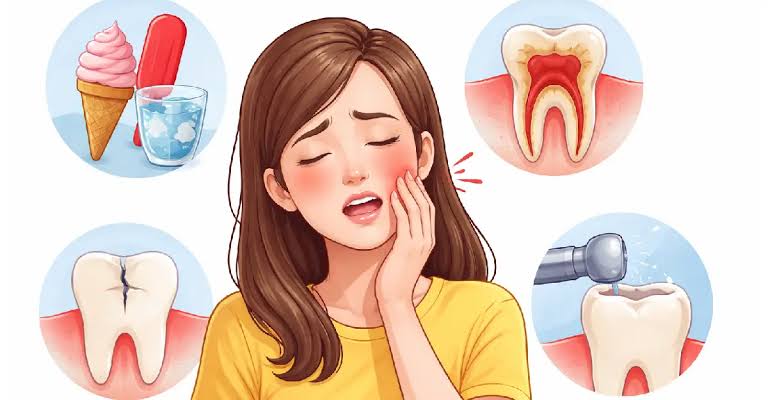
Why do my teeth feel sensitive is one of the most common questions dentists hear, especially after a sip of cold water or a bite of ice cream triggers a sudden, sharp jolt.
This reaction, known as dentin hypersensitivity, happens when the protective enamel on your teeth wears down or your gums pull back, exposing the softer layer underneath.
The good news is that most cases are manageable with simple home remedies and small changes to your daily routine.
What Is Tooth Sensitivity (Dentin Hypersensitivity)?

Tooth sensitivity happens when the hard outer enamel wears down and exposes the softer dentin layer underneath.
Dentin is filled with tiny tubules that connect directly to the nerve inside each tooth.
When hot, cold, sweet, or acidic stimuli reach these tubules, fluid inside them shifts and triggers a short, sharp pain signal.
This reaction is medically called dentin hypersensitivity, and it affects a large share of adults at some point in their lives.
Why Do My Teeth Feel Sensitive? The Short Answer
Most sensitive teeth cases trace back to worn enamel, exposed dentin, or receding gums.
Acidic foods, aggressive brushing, teeth grinding, and whitening treatments are among the most common everyday triggers.
Less often, sensitivity signals something more serious, like a cavity, cracked tooth, or infected nerve, especially if the pain lingers.
Identifying your specific trigger is the first step toward choosing the right home remedy or professional treatment.
Common Causes of Sensitive Teeth
The table below summarizes the most frequent causes dentists identify during patient visits.
| Cause | How It Triggers Sensitivity |
|---|---|
| Acidic foods and drinks | Erode enamel over time |
| Aggressive brushing | Wears down enamel, irritates gums |
| Gum recession | Exposes unprotected tooth roots |
| Cavities | Create direct openings to dentin |
| Cracked or chipped teeth | Let stimuli reach the nerve |
| Teeth whitening | Temporarily penetrates enamel |
| Teeth grinding (bruxism) | Gradually thins enamel |
| Recent dental work | Causes temporary nerve irritation |
Roughly one in eight people who visit a dental practice report some degree of tooth sensitivity.
Knowing which of these applies to you makes it much easier to pick an effective remedy.
Enamel Erosion from Acidic Foods and Drinks
Citrus fruits, tomatoes, pickles, wine, and soda are common culprits behind gradual enamel erosion.
Frequent exposure to these acidic foods softens and thins the enamel layer over months or years.
Once enamel wears thin enough, the dentin underneath becomes exposed to everyday temperature and pressure changes.
Rinsing with plain water after acidic meals can help neutralize acid before it has a chance to damage enamel.
Brushing Too Hard
Many people assume harder brushing means cleaner teeth, but the opposite is often true.
Excessive pressure or a hard-bristled toothbrush can wear down enamel and push gum tissue away from the tooth.
Over time, this habit contributes to both enamel loss and gum recession, two of the leading causes of sensitivity.
Switching to a soft-bristled brush and using gentle, circular motions protects both enamel and gum tissue.
Gum Recession
Gum recession occurs when gum tissue pulls back and exposes the tooth root underneath.
Tooth roots have no protective enamel layer, which makes them especially sensitive to temperature and touch.
Gum disease, aggressive brushing, and genetics can all contribute to gum recession over time.
A dentist can assess how much recession has occurred and recommend treatments like a gum graft in more advanced cases.
Cavities and Tooth Decay
Cavities create small openings in the tooth structure that expose dentin directly to outside stimuli.
Unlike general sensitivity, cavity-related pain often occurs in one specific tooth rather than across several teeth.
Left untreated, a cavity can progress toward the tooth’s nerve, leading to more severe and constant pain.
A dental exam and possible X-ray is the only reliable way to confirm or rule out a cavity as the cause.
Cracked or Chipped Teeth
A crack or chip can allow bacteria and temperature changes to reach the sensitive inner layers of a tooth.
This type of sensitivity often shows up as a sharp pain when biting down rather than a general ache.
Cracks are not always visible to the naked eye, so a dentist may need special tools to detect them.
Left unaddressed, a cracked tooth can worsen and eventually require a root canal or extraction.
Teeth Whitening Sensitivity
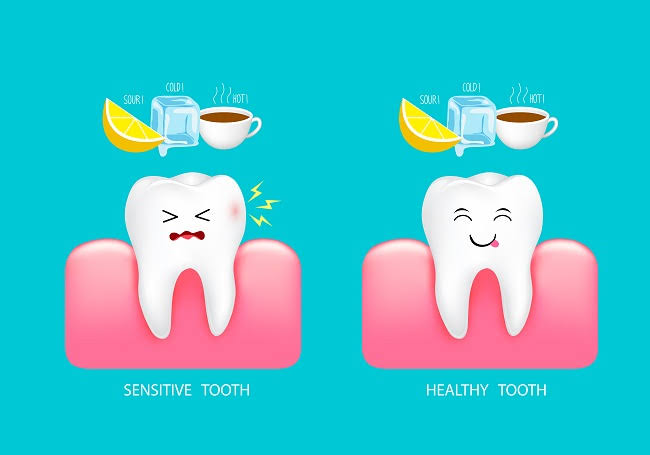
Whitening treatments, especially those with high peroxide concentrations, can temporarily increase tooth sensitivity.
Studies suggest that a large share of patients experience some sensitivity during or after a whitening treatment.
This type of sensitivity is usually temporary and fades within a few days of stopping treatment.
Choosing a gentler whitening product or spacing out treatments can help reduce this side effect.
Teeth Grinding (Bruxism)
Chronic teeth grinding, often linked to stress or sleep issues, gradually wears down enamel.
This repeated pressure and friction can expose dentin over time, even without any dietary or hygiene issues.
A custom nightguard is one of the most effective ways to protect enamel from ongoing grinding damage.
Addressing the underlying cause of bruxism, such as stress or a misaligned bite, can also help long term.
Sinus Issues and Sensitive Teeth
Sinus pressure from allergies or a cold can sometimes cause upper teeth to feel sensitive or achy.
This happens because the roots of upper back teeth sit close to the sinus cavities.
Sensitivity linked to sinus pressure usually affects multiple upper teeth at once rather than a single tooth.
This type of sensitivity typically resolves once the sinus congestion clears up on its own.
Recent Dental Work
Fillings, crowns, and professional cleanings can cause temporary nerve irritation as teeth adjust.
This sensitivity is usually mild and fades within a few days to a couple of weeks.
If sensitivity from dental work persists beyond a few weeks or worsens, it is worth contacting your dentist.
Loose or poorly fitted fillings can also allow temperature changes to reach the nerve more easily.
Sensitive Teeth Symptoms to Watch For
Recognizing the pattern of your symptoms can help you and your dentist narrow down the likely cause.
| Symptom Pattern | Likely Cause |
|---|---|
| Sharp pain with hot or cold, fades quickly | General dentin hypersensitivity |
| Pain in one specific tooth | Possible cavity or crack |
| Pain when biting down | Possible crack or loose filling |
| Sensitivity across multiple upper teeth | Possible sinus pressure |
| Sensitivity after whitening | Temporary treatment side effect |
| Constant, throbbing pain | Possible infection, needs urgent care |
If your pain fits the last row of this table, do not wait to schedule a dental appointment.
Home Remedies for Sensitive Teeth
Several home remedies can ease mild to moderate tooth sensitivity while you address the underlying cause.
| Remedy | How It Helps |
|---|---|
| Saltwater rinse | Reduces inflammation, fights bacteria |
| Clove oil or gel | Numbs nerve endings, reduces pain |
| Green tea rinse | Contains antioxidants that support gum health |
| Oil pulling | May reduce plaque and gum inflammation |
| Turmeric paste | Anti-inflammatory properties soothe gums |
| Desensitizing toothpaste | Blocks pain signals with regular use |
Saltwater Rinse
Mixing a teaspoon of salt into warm water creates a natural antiseptic rinse for irritated gums.
Studies suggest saltwater rinses can be nearly as effective as some over-the-counter mouthwashes at reducing plaque.
Clove Oil
Clove oil contains eugenol, a compound known for its numbing and anti-inflammatory properties.
Applying a small amount to the affected area with a cotton swab can provide short-term relief from sharp pain.
Green Tea
Green tea contains antioxidants that may help reduce inflammation and support overall gum health.
Swishing cooled, unsweetened green tea after brushing is a simple way to add this remedy to your routine.
Oil Pulling
Oil pulling involves swishing sesame or coconut oil in the mouth for several minutes before spitting it out.
Some research suggests this traditional practice may reduce symptoms of gingivitis, which can indirectly ease sensitivity.
Turmeric Paste
Turmeric contains curcumin, a compound studied for its anti-inflammatory and pain-relieving properties.
Mixing turmeric with a small amount of water and applying it to the gums may help calm irritation, though more research is needed.
Desensitizing Toothpaste
Desensitizing toothpaste often contains potassium nitrate or stannous fluoride, which help block pain signals over time.
Consistent use over several days to weeks typically produces noticeably better results than occasional use.
Best Toothpaste Ingredients for Sensitivity
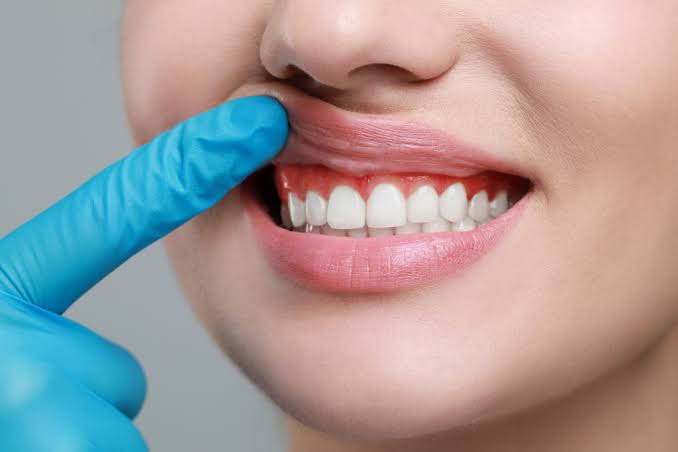
Not all sensitive toothpaste formulas work the same way, so it helps to know what to look for on the label.
| Ingredient | Function |
|---|---|
| Potassium nitrate | Calms nerve signals inside the tooth |
| Stannous fluoride | Strengthens enamel, reduces sensitivity |
| Fluoride (general) | Remineralizes and hardens enamel |
| Arginine | Helps block exposed dentin tubules |
Look for toothpaste with an ADA seal of acceptance or similar recognized dental association endorsement.
Most people notice a meaningful reduction in sensitivity after two to four weeks of consistent use.
Foods to Avoid When Teeth Are Sensitive
While your teeth heal, a few dietary adjustments can prevent symptoms from getting worse.
| Food or Drink | Why to Limit It |
|---|---|
| Citrus fruits | High acidity erodes enamel |
| Soda and sports drinks | Acidic and sugar-heavy |
| Ice cream and cold drinks | Direct temperature trigger |
| Coffee and tea | Can stain and mildly erode enamel |
| Vinegar-based foods | Strong acidity |
Sipping through a straw can help acidic or cold drinks bypass sensitive front teeth more easily.
Rinsing your mouth with plain water after eating trigger foods helps limit prolonged acid exposure.
Prevention Tips
A consistent daily routine goes a long way toward preventing sensitivity before it starts.
Use a soft-bristled toothbrush and gentle, circular brushing motions rather than aggressive back-and-forth scrubbing.
Floss daily to prevent plaque buildup near the gum line, since a large share of sensitivity starts there.
Limit frequent exposure to acidic foods and drinks, and consider a nightguard if you grind your teeth.
Professional Treatments
If home remedies are not enough, several professional treatments can address more persistent sensitivity.
| Treatment | Best For |
|---|---|
| In-office fluoride application | Strengthens weakened enamel |
| Dental bonding or sealants | Covers exposed root surfaces |
| Gum graft | Restores tissue over exposed roots |
| Root canal therapy | Severe, nerve-related sensitivity |
| Mouthguard | Grinding-related enamel wear |
Your dentist will typically start with the least invasive option before recommending more advanced procedures.
Most patients see significant improvement within a few visits once the underlying cause is properly addressed.
When to See a Dentist
Occasional mild sensitivity that responds to home remedies usually does not require urgent care.
See a dentist if sensitivity lasts longer than two weeks despite consistent home treatment.
Also seek care if pain is severe, localized to one tooth, or accompanied by swelling or visible damage.
Early treatment often prevents a minor issue from developing into a more complex and costly dental problem.
Sensitive Teeth in Different Age Groups
Tooth sensitivity does not affect every age group in the same way, and understanding these patterns can help explain your own symptoms.
| Age Group | Common Trigger | Typical Cause |
|---|---|---|
| Teens and young adults | Whitening treatments, soda consumption | Enamel erosion |
| Adults 25 to 40 | Aggressive brushing, acidic diets | Enamel wear, early recession |
| Adults 40 to 60 | Gum recession, grinding | Root exposure |
| Older adults | Long-term enamel wear, dry mouth | Combined enamel and root exposure |
Sensitivity tends to peak between the ages of 25 and 30, according to several dental industry surveys.
Understanding which group you fall into can help you and your dentist target the most likely cause more quickly.
Sensitive Teeth vs Toothache: What Is the Difference?
It helps to understand how sensitivity differs from a toothache, since the two are often confused.
| Feature | Tooth Sensitivity | Toothache |
|---|---|---|
| Duration | Brief, seconds after trigger | Often constant or throbbing |
| Trigger | Hot, cold, sweet, or air | May occur without any trigger |
| Location | Can affect multiple teeth | Usually one specific tooth |
| Likely cause | Exposed dentin | Infection, decay, or abscess |
A true toothache that lingers without a clear trigger is more likely to signal an infection needing prompt dental care.
If you are unsure which category your pain falls into, it is always safer to have a dentist take a look.
The Role of Diet in Long-Term Enamel Health
Diet plays a much bigger role in enamel strength than most people realize, beyond just avoiding acidic foods.
Calcium and phosphate rich foods, such as dairy products and leafy greens, support the natural remineralization process of enamel.
Frequent snacking on sugary or acidic foods throughout the day gives enamel less time to recover between exposures.
Drinking plenty of water throughout the day also helps maintain healthy saliva flow, which naturally buffers acid in the mouth.
Lifestyle Habits That Worsen Tooth Sensitivity
A few everyday habits can quietly make tooth sensitivity worse without you realizing it, even when your oral hygiene routine seems otherwise solid.
Smoking and tobacco use increase plaque buildup and contribute to gum recession over time.
Chewing on ice, pens, or other hard objects can cause small cracks in the enamel that increase sensitivity over time.
Using a hard-bristled toothbrush or brushing immediately after consuming acidic food can accelerate enamel wear noticeably faster than expected.
Myths About Sensitive Teeth
A few common misconceptions about tooth sensitivity are worth addressing directly.
Myth: sensitive teeth always mean poor oral hygiene. In reality, over-brushing and acidic diets are just as common a cause.
Myth: sensitivity always means a cavity. Many cases are simply due to worn enamel or exposed roots, with no decay present.
Myth: desensitizing toothpaste works instantly. Most formulas need consistent use over several days to weeks to show noticeable results.
Quick Recap Table
| Question | Short Answer |
|---|---|
| Most common cause? | Worn enamel or gum recession |
| Best first home remedy? | Desensitizing toothpaste, used consistently |
| Fastest short-term relief? | Saltwater rinse or clove oil |
| When to see a dentist? | Pain over 2 weeks, severe, or localized |
This table sums up the core answer to why your teeth feel sensitive in a single glance, before moving into the detailed FAQ section below.
Sensitive Teeth During Pregnancy
Hormonal changes during pregnancy can temporarily increase gum sensitivity and tooth discomfort for some women.
Increased blood flow to the gums during pregnancy can make them more prone to inflammation, which indirectly affects tooth sensitivity levels.
Morning sickness and stomach acid exposure can also contribute to mild enamel erosion during pregnancy, especially in the first trimester.
Rinsing with water after vomiting, rather than brushing immediately, helps protect enamel that is temporarily softened by acid exposure.
Frequently Asked Questions (FAQs)
Why do my teeth suddenly feel sensitive?
Sudden sensitivity is often linked to recent dental work, a new whitening treatment, or a newly exposed cavity or crack.
Can sensitive teeth heal on their own?
Mild sensitivity from temporary causes like whitening can fade on its own, but enamel loss does not reverse without treatment.
What toothpaste is best for sensitive teeth?
Look for toothpaste with potassium nitrate or stannous fluoride, used consistently for at least two to four weeks.
Is tooth sensitivity a sign of a cavity?
It can be, especially if the pain is localized to one tooth rather than spread across several teeth.
Does teeth grinding cause sensitivity?
Yes, chronic grinding wears down enamel over time, gradually exposing the more sensitive dentin layer underneath.
Can sinus problems cause tooth sensitivity?
Yes, sinus pressure can cause multiple upper teeth to feel sensitive or achy until the congestion clears.
How long does sensitivity after whitening last?
Whitening-related sensitivity is usually temporary and typically resolves within a few days of stopping treatment.
Are home remedies enough to treat sensitive teeth?
Home remedies can ease mild symptoms, but persistent or severe sensitivity usually needs a dentist’s evaluation.
Can saltwater rinses really help sensitive teeth?
Yes, saltwater rinses reduce inflammation and bacteria, and studies show they can rival some over-the-counter mouthwashes.
When should I worry about sensitive teeth?
Worry if pain is severe, constant, localized to one tooth, or lasts more than two weeks despite home care.
Conclusion
Sensitive teeth are uncomfortable, but in most cases they are also very manageable once you understand the underlying cause.
Worn enamel, receding gums, aggressive brushing, and recent whitening treatments account for the majority of cases, and each responds well to simple home remedies like saltwater rinses, desensitizing toothpaste, and gentler brushing habits.
Cavities, cracked teeth, and gum disease are less common but more serious causes that require a dentist’s attention rather than home treatment alone. The safest approach combines both: try proven home remedies for a week or two while also paying attention to warning signs like severe, localized, or lingering pain that does not improve with basic care.
If sensitivity does not improve, or if it comes with swelling or visible damage, schedule a dental visit so your dentist can pinpoint the exact cause and recommend the right long-term treatment for lasting relief.