Why Does the Roof of My Mouth Itch? Allergy Signs 2026
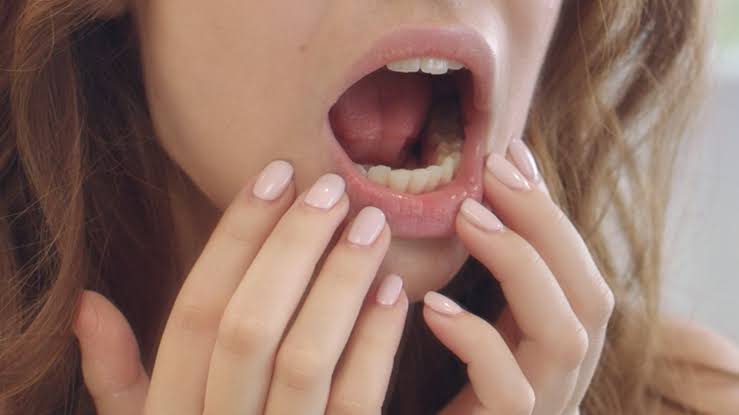
Why does the roof of my mouth itch is a question that pops up the moment you notice a tickling, irritating sensation right after eating or out of nowhere. It’s an odd, hard-to-ignore feeling that can range from a mild tingle to a bothersome itch that won’t quit.
In most cases, the cause is harmless, like allergies, dryness, or minor irritation. In other cases, it can point toward an infection or a reaction that needs closer attention, especially if the sensation lingers longer than expected or keeps returning without a clear pattern.
Quick Overview: Common Causes at a Glance
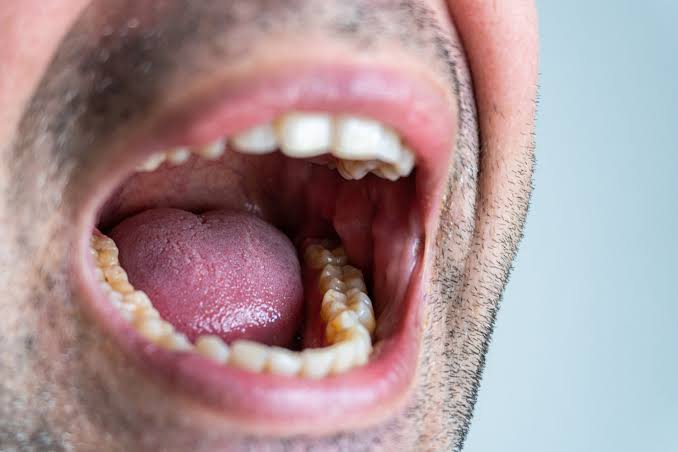
An itchy roof of the mouth usually points to allergies, dryness, infection, or mild irritation from food.
Below is a quick snapshot before we explore each cause and its specific allergy signs in detail.
| Possible Cause | Key Sign | Common Trigger |
|---|---|---|
| Oral Allergy Syndrome (OAS) | Itching within minutes of eating | Raw fruits, veggies, nuts |
| Seasonal allergies (hay fever) | Itchy palate plus itchy ears | Pollen, dust, mold |
| Oral thrush (yeast infection) | White patches, burning itch | Antibiotics, inhalers, dry mouth |
| Dry mouth | Tight, itchy, rough feeling | Dehydration, medications |
| Acid reflux (LPR) | Itch worse after meals or lying down | Spicy or acidic foods |
| Viral infection (cold, flu) | Itch with congestion, sore throat | Seasonal viruses |
| Cold sores | Tingling before blisters appear | Herpes simplex virus |
| Anaphylaxis (rare, severe) | Itch with swelling, breathing trouble | Severe food or drug allergy |
What’s Actually Happening When Your Palate Itches
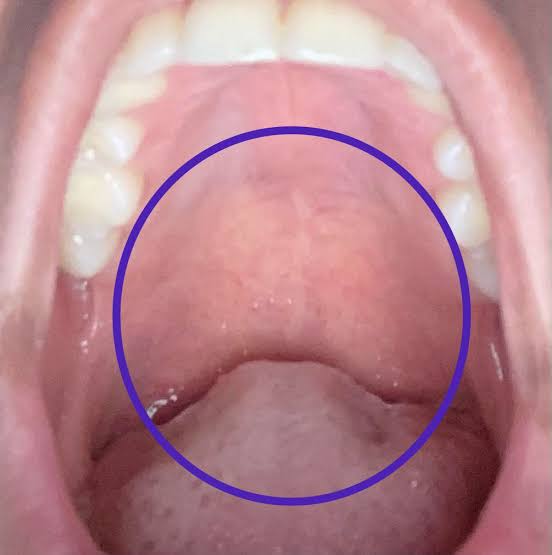
The roof of your mouth is called the palate, and it has two distinct parts working together.
The hard palate is the bony front section, while the soft palate is the muscular back portion near your throat.
Both areas are packed with nerve endings and mucous glands that detect temperature, texture, and potential irritants.
When these nerve endings get triggered by histamine, dryness, or inflammation, your brain interprets the signal as an itch.
Understanding which part of your palate itches, and what triggers it, can help point toward the true underlying cause.
Allergy Signs: Oral Allergy Syndrome (OAS)
Oral Allergy Syndrome, also called pollen-food syndrome, is the most common allergic cause of an itchy palate.
This happens when your immune system confuses proteins in raw fruits or vegetables with pollen proteins it already recognizes.
Common trigger foods include apples, celery, melons, cherries, and almonds, especially in people with birch pollen allergies.
The itching in OAS starts within minutes of eating the trigger food and usually fades on its own shortly after.
Cooking or baking the trigger food often destroys the problematic protein, which can eliminate the itching entirely.
Allergy Signs: Seasonal Allergies (Hay Fever)
If the roof of your mouth and your ears both itch together, seasonal allergies may be the underlying cause.
This reaction is often triggered by pollen, dust, mold, or smoke, especially during high-pollen seasons like spring and fall.
Along with an itchy palate, you may notice sneezing, watery eyes, congestion, and general fatigue during flare-ups.
Antihistamines or decongestants often provide noticeable relief within a short time after seasonal allergy symptoms begin.
Allergy Signs: True Food Allergy
A true food allergy is different from OAS because it involves your immune system reacting to a specific harmless protein.
Common triggers include peanuts, shellfish, eggs, and tree nuts, which can cause itching, swelling, or hives.
Unlike OAS, true food allergy symptoms can sometimes spread beyond the mouth and escalate quickly in severity.
If you suspect a true food allergy, an allergist can perform testing to confirm the exact trigger involved.
Non-Allergy Causes of an Itchy Palate
Not every itchy roof of the mouth is allergy-related. Several non-allergic conditions can cause a similar sensation.
1. Oral Thrush (Yeast Infection)
Oral thrush is a fungal infection caused by an overgrowth of Candida albicans, a yeast naturally present in your mouth.
This condition often produces white patches on the palate, tongue, or inner cheeks that can be wiped away.
Thrush is more common in denture wearers, people using inhaled steroids, and those with diabetes or weakened immunity.
Unlike allergy-related itching, thrush symptoms don’t come and go with specific foods and tend to persist daily.
2. Dry Mouth
When your mouth doesn’t produce enough saliva, the tissue on your palate becomes dry, tight, and easily irritated.
Common causes include dehydration, certain medications, mouth breathing, and underlying conditions like diabetes.
This dryness often makes the palate feel rough or itchy, especially first thing in the morning.
Drinking water regularly and using sugar-free gum can help stimulate saliva and ease this type of itching.
3. Acid Reflux (LPR)
Stomach acid that travels up into your throat and mouth can inflame the soft palate, causing an itchy or burning feeling.
This type of irritation typically worsens after meals or when lying down shortly after eating.
Avoiding spicy or acidic foods late at night and elevating your head while sleeping can reduce these symptoms.
If reflux-related itching persists, a doctor may recommend further evaluation or medication to manage the underlying reflux.
4. Viral Infections
A common cold, flu, or even COVID-19 can inflame the mucous membranes of your nose, throat, and mouth.
This inflammation often produces a scratchy or itchy sensation on the palate alongside congestion and a sore throat.
These symptoms typically resolve within about two weeks as your body clears the underlying viral infection.
5. Cold Sores
Before a cold sore blister actually appears, many people notice tingling or itching around their lips and palate.
Cold sores are caused by the herpes simplex virus and can recur periodically, especially during stress or illness.
Once the itching phase passes, small fluid-filled blisters typically form, break, and crust over within about two weeks.
6. Sinus Irritation
Your sinuses sit just above the roof of your mouth, and inflammation there can create pressure felt as itching.
Allergies or sinus infections cause mucus to drip down the throat, which can further irritate the roof of your mouth.
Treating the underlying sinus issue, whether allergy or infection, typically resolves this itchy sensation as well.
7. Mechanical Irritation or Injury
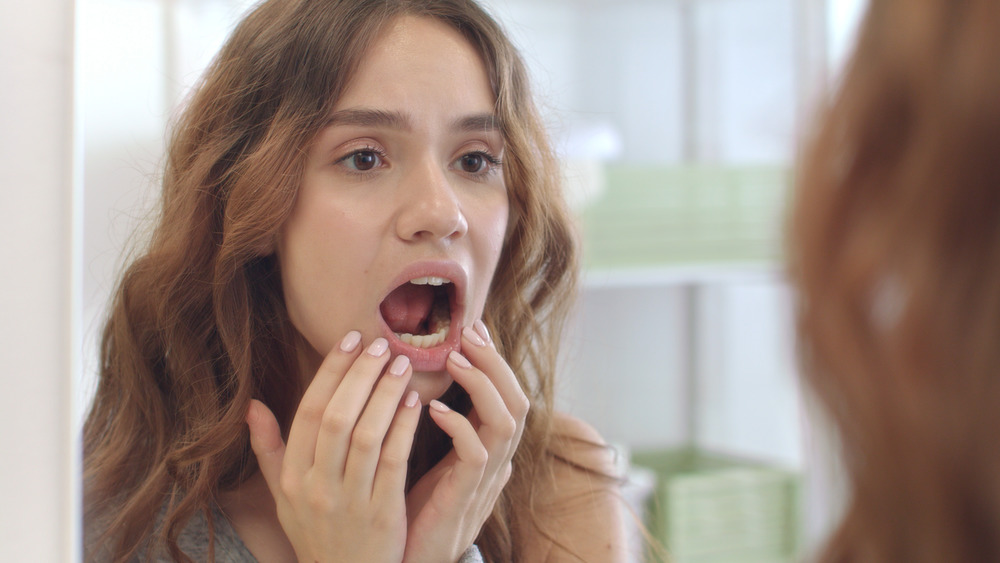
Biting the roof of your mouth or burning it with hot food can cause temporary irritation and itching.
This type of discomfort is part of the natural healing process and usually resolves within a few days.
Avoiding rough, hot, or acidic foods while the tissue heals can speed up recovery and reduce irritation.
8. Stress and Nerve Sensitivity
Psychological stress can increase nerve sensitivity throughout your body, including inside your mouth.
This can lead to tingling or itching sensations on the palate even without any visible physical cause.
Managing stress through mindfulness, exercise, or relaxation techniques may reduce how often this type of itching occurs.
Table: Comparing Itchy Palate Symptoms by Cause
Use this table to help narrow down the likely cause based on your specific pattern of symptoms.
| Symptom Pattern | Likely Cause | Suggested Action |
|---|---|---|
| Itch starts minutes after eating raw fruit | Oral Allergy Syndrome | Cook the trigger food, avoid raw form |
| Itchy palate plus itchy ears | Seasonal allergies | Try an antihistamine |
| White patches that wipe off | Oral thrush | See a doctor for antifungal treatment |
| Rough, tight, dry feeling | Dry mouth | Increase water intake |
| Itch worse after meals or lying down | Acid reflux | Avoid late-night eating |
| Itch with congestion, sore throat | Viral infection | Rest, fluids, time |
| Tingling before blisters appear | Cold sore | Antiviral cream, monitor healing |
| Itch with swelling, trouble breathing | Anaphylaxis | Seek emergency care immediately |
Is an Itchy Roof of the Mouth Ever an Emergency?
Most cases of an itchy palate are mild and resolve without any serious complications.
However, severe allergic reactions called anaphylaxis can begin with itching or tingling in the mouth before rapidly progressing.
Warning signs of anaphylaxis include swelling of the face, lips, or throat, along with difficulty breathing or swallowing.
Widespread hives, dizziness, or a rapid heartbeat alongside mouth itching also point toward a dangerous allergic reaction.
If any of these signs appear, seek emergency medical care immediately rather than waiting to see if symptoms improve.
Home Remedies for an Itchy Roof of the Mouth
Most mild cases of an itchy palate can be managed effectively with a few simple home remedies.
A warm saltwater rinse helps reduce inflammation and clean the irritated area of your mouth.
Honey, known for its soothing and antimicrobial properties, can be allowed to dissolve slowly for gentle relief.
Cold foods like ice chips, yogurt, or chilled drinks can numb the itch and calm inflamed tissue quickly.
Staying well hydrated throughout the day helps prevent the dryness that often makes itching worse.
Table: Quick Relief Options
| Remedy | How It Helps |
|---|---|
| Warm saltwater rinse | Reduces inflammation, cleanses tissue |
| Honey | Soothes irritation, has antimicrobial effect |
| Cold foods or drinks | Numbs itch, calms inflammation |
| Chamomile tea rinse | Relieves itching and swelling |
| Sugar-free gum | Stimulates saliva, eases dryness |
Foods and Habits to Avoid
Avoiding known trigger foods is one of the most effective ways to prevent OAS-related itching from recurring.
Spicy, acidic, or rough-textured foods can worsen irritation while your palate tissue is already sensitive.
Alcohol, caffeine, and tobacco can all contribute to dry mouth, making itching more likely to occur.
Keeping a simple food diary can help you spot patterns and identify which specific foods trigger your symptoms.
Table: Common OAS Trigger Foods by Pollen Type
| Pollen Allergy | Common Trigger Foods |
|---|---|
| Birch pollen | Apples, cherries, almonds, celery |
| Ragweed pollen | Melons, bananas, zucchini |
| Grass pollen | Tomatoes, oranges, peaches |
| Mugwort pollen | Carrots, celery, spices |
How Doctors Diagnose the Cause
A doctor or allergist typically starts by asking detailed questions about timing, triggers, and accompanying symptoms.
If OAS is suspected, allergy testing can confirm a pollen allergy and identify which foods are likely to cross-react.
If thrush is suspected, a simple visual exam of the white patches usually confirms the diagnosis quickly.
For persistent, unexplained itching, further tests may rule out reflux, nerve-related causes, or rare autoimmune conditions.
OAS vs Thrush vs Reflux: Key Differences
Since these three causes can feel similar, comparing their distinct features side by side helps with identification.
Oral Allergy Syndrome itching starts within minutes of eating a specific raw food and fades quickly afterward.
Thrush produces a more persistent burning or itching sensation, often with visible white patches that don’t relate to specific foods.
Reflux-related itching tends to build gradually after meals or while lying down, without any visible patches or blisters.
| Feature | OAS | Thrush | Reflux |
|---|---|---|---|
| Onset | Minutes after eating trigger food | Gradual, persistent | After meals or lying down |
| Visible signs | None | White patches | None or mild redness |
| Duration | Minutes | Ongoing until treated | Chronic, recurring |
| Best treatment | Avoid or cook trigger food | Antifungal medication | Diet and lifestyle changes |
Itchy Roof of Mouth in Children
Children can experience an itchy palate for many of the same reasons as adults, though causes differ slightly by age.
Oral thrush is particularly common in infants and young children, especially after a course of antibiotics.
Food allergies also tend to appear earlier in childhood, often with itching around the mouth after eating common allergens.
If a child develops swelling, hives, or trouble breathing after eating, treat it as a medical emergency and seek care right away.
Related Symptoms Worth Watching
An itchy roof of the mouth rarely shows up completely alone, and noticing what else appears can guide your next step.
Itchy ears alongside an itchy palate often points toward seasonal allergies rather than a food-specific reaction.
A burning sensation with visible white coating suggests thrush rather than a simple allergic response.
Chronic hoarseness or a lingering sour taste alongside the itch often signals reflux rather than an allergy.
If you notice a consistent pattern of extra symptoms, share these details with your doctor to speed up diagnosis.
A board-certified allergist can determine whether your symptoms are allergy-driven and build the right treatment plan for your specific case, saving you from guesswork and repeated flare-ups.
Tracking Your Symptoms Before a Visit
Keeping a short log of your symptoms can make your doctor’s visit faster and more productive.
Note what you ate or did right before the itching started, along with how long the sensation lasted.
Record whether the itch came with other symptoms, like congestion, swelling, or a visible rash anywhere on your body.
Bringing this information to your appointment helps your doctor narrow down the cause more efficiently.
| What to Track | Why It Matters |
|---|---|
| Food eaten before itching | Flags possible OAS triggers |
| Time of year | Points toward seasonal allergies |
| Visible changes (patches, sores) | Suggests infection over allergy |
| Additional symptoms | Helps rule out reflux or viral causes |
| Duration of itching | Separates mild from urgent causes |
Why the Itch Can Feel Confusing to Diagnose
Two people describing the exact same itchy palate sensation can end up with completely different diagnoses once a doctor looks closer.
This happens because timing, triggers, and accompanying symptoms matter far more than the itch itself.
An itch that appears only with specific raw foods points strongly toward Oral Allergy Syndrome rather than infection or reflux.
An itch that lingers regardless of what you eat is more likely tied to dryness, thrush, or an underlying health condition.
Paying close attention to these small details is often the fastest way to reach an accurate answer, rather than guessing based on the itch alone.
Prevention Tips for a Healthier Palate
Identifying and avoiding your specific trigger foods is the most effective long-term strategy for OAS-related itching.
Cooking fruits and vegetables before eating them can denature the proteins responsible for triggering cross-reactions.
Staying hydrated and practicing good oral hygiene helps prevent dryness and reduces your risk of infections like thrush.
Rinsing your mouth after using inhalers and cleaning dentures nightly can significantly lower your risk of oral thrush.
Managing seasonal allergies proactively with medication can reduce how often your palate itches during high-pollen months.
When to See a Doctor
If itching persists for more than a week or keeps recurring without an obvious trigger, it’s time to see a doctor.
Visible white patches, sores, or ulcers that don’t heal within a couple of weeks also deserve professional evaluation.
Persistent heartburn, nighttime reflux symptoms, or unexplained weight loss alongside mouth itching should be discussed with a doctor promptly.
Any sign of swelling, difficulty breathing, or widespread hives requires immediate emergency care rather than a routine appointment.
Frequently Asked Questions (FAQs)
1. Why does the roof of my mouth itch after eating fruit?
This is usually Oral Allergy Syndrome. Your immune system mistakes fruit proteins for pollen it already recognizes.
2. Can seasonal allergies cause an itchy roof of the mouth?
Yes, pollen, dust, and mold can trigger itching along with sneezing and itchy ears. Antihistamines often help.
3. Is an itchy palate a sign of oral thrush?
It can be, especially with white patches that wipe off. Thrush itching persists daily, unlike allergy-related itching.
4. Can dry mouth cause my palate to itch?
Yes, low saliva makes tissue dry and irritated. Staying hydrated usually reduces this type of itching quickly.
5. Why does my mouth roof itch when I have a cold?
Viral infections inflame mucous membranes in your nose, throat, and mouth. This itch resolves as the cold clears.
6. Can acid reflux make the roof of my mouth itch?
Yes, stomach acid reaching your throat can irritate the palate. This often worsens after meals or lying down.
7. Is an itchy roof of the mouth ever dangerous?
Rarely, but it can signal anaphylaxis if paired with swelling or breathing trouble. Seek emergency care immediately if so.
8. Can stress cause an itchy roof of the mouth?
Yes, stress can heighten nerve sensitivity in your mouth. This can cause itching without any visible cause.
9. How long does Oral Allergy Syndrome itching last?
It typically resolves within minutes once the trigger food is gone. Cooking the food can prevent it entirely.
10. When should I see a doctor for an itchy palate?
See a doctor if itching lasts over a week or comes with white patches, sores, or swelling.
Conclusion
An itchy roof of the mouth is usually harmless, tracing back to something manageable like Oral Allergy Syndrome, seasonal allergies, dry mouth, or mild irritation from food.
Recognizing the pattern, whether it’s itching right after eating raw fruit, itching alongside itchy ears, or persistent daily discomfort with white patches, helps point toward the correct underlying cause.
Less common triggers, including acid reflux, viral infections, and cold sores, are also worth considering if your symptoms don’t fit the usual allergy pattern.
The most important thing is recognizing the rare but serious warning signs of anaphylaxis, such as swelling, hives, or difficulty breathing, which require immediate emergency care.
For everyday cases, simple remedies like saltwater rinses, hydration, and avoiding trigger foods often bring quick relief. If itching persists or worsens, seeing a doctor or allergist is the safest next step.