Why Is My Neck So Stiff? Treatment & Recovery 2026
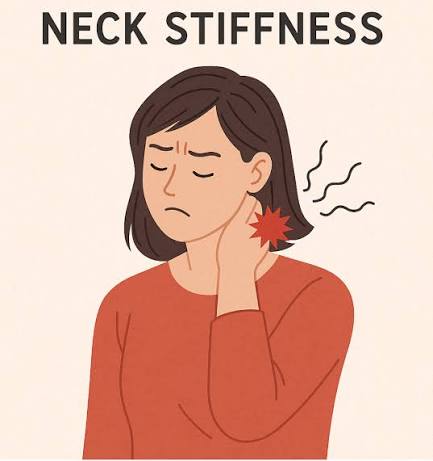
Why Is My Neck So Stiff? Neck stiffness happens when the muscles, ligaments, or joints in your neck become tight, strained, or inflamed, making it hard to turn or tilt your head. It’s one of the most common physical complaints, affecting most people at some point in their lives.
In most cases, a stiff neck comes from something simple like poor posture, sleeping in an odd position, or overusing your muscles. Less often, it can point to an injury, arthritis, or an underlying medical condition.
Quick Overview: Stiff Neck at a Glance
Here’s a fast snapshot before we walk through the full details on causes, treatment, and recovery.
| Question | Short Answer |
|---|---|
| Most common cause | Muscle strain from posture, sleep position, or overuse |
| Typical recovery time | A few days to about one week |
| Fast relief | Heat, ice, gentle stretching, OTC pain relievers |
| Serious warning sign | Fever, severe headache, or confusion with neck stiffness |
| When to see a doctor | Stiffness lasting more than a week or spreading pain/numbness |
What Does It Mean When Your Neck Feels Stiff?

A stiff neck means the muscles, tendons, and ligaments supporting your head and spine aren’t moving as freely as they should. It’s usually accompanied by soreness, tightness, and a limited range of motion.
You may notice you have to turn your whole body instead of just your head to look sideways. This happens because the muscles are guarding against further strain.
Most stiff necks are a short-term, mechanical problem rather than a sign of something dangerous. Still, certain patterns are worth paying closer attention to.
Why Is My Neck So Stiff? Main Causes
There’s rarely just one reason behind neck stiffness. Several everyday habits and underlying conditions can trigger or worsen it.
| Cause | What Happens |
|---|---|
| Poor posture | Slouching or looking down strains neck muscles over time |
| Sleeping position | An awkward angle overnight overstretches neck tissue |
| Muscle strain | Sudden movement or overuse injures the levator scapulae muscle |
| Stress and tension | Mental stress causes muscles to tighten involuntarily |
| Whiplash or injury | Sudden trauma damages muscles, ligaments, or joints |
| Cervical spondylosis | Age-related wear on the neck’s discs and joints |
| Meningitis | A serious infection that inflames tissue around the brain and spine |
Poor Posture and “Text Neck”
Looking down at a phone or slouching at a computer for long stretches puts extra strain on your neck muscles. This pattern is common enough that it’s earned the nickname “text neck.”
Over time, this repeated strain leads to chronic tightness, especially in the muscles at the base of your skull and upper back.
Sleeping in an Awkward Position
Sleeping without proper neck support, or on your stomach with your head twisted, can overstretch neck muscles overnight. Many people wake up with stiffness they didn’t have the night before.
Using a pillow that keeps your head aligned with your spine can prevent much of this strain.
Muscle Strain From Overuse
The levator scapulae muscle, which connects your cervical spine to your shoulder, is especially prone to strain. Activities like swimming, moving furniture, or repetitive head turning can injure it.
This is the single most common cause of a stiff neck, according to most medical sources.
Stress and Muscle Tension
Mental stress triggers a natural “fight-or-flight” response that tightens muscles throughout your neck and shoulders. Many people don’t realize they’re doing this until pain sets in.
Chronic stress can keep these muscles tense far longer than a single stressful moment would.
Whiplash and Traumatic Injury
Car accidents, sports injuries, and falls can all cause whiplash, which damages the soft tissue in your neck. This type of injury often leads to stiffness that develops over the following day or two.
Whiplash-related stiffness usually comes with pain that radiates into the shoulders or upper back as well.
Cervical Spine Disorders
Conditions like cervical spondylosis, herniated discs, and osteoarthritis affect the joints and discs in your neck. These disorders can cause chronic stiffness that worsens with age.
Symptoms often include pain that improves when lying down and worsens after sitting in one position for a long time.
Meningitis: The Serious Cause to Know About
Meningitis is inflammation of the membranes surrounding your brain and spinal cord, usually from a bacterial or viral infection. It’s a medical emergency that requires immediate treatment.
Neck stiffness from meningitis is typically severe and comes with a sudden fever, intense headache, and sensitivity to light.
Stiff Neck Symptoms to Watch For
Neck stiffness can show up differently depending on the underlying cause. Recognizing the pattern helps you know how urgently to act.
A simple muscle strain usually causes soreness that’s worse with certain movements and improves with rest. Pain from cervical spine issues tends to build gradually and may include tingling in the arms.
Sudden, severe stiffness with a high fever and headache is different from ordinary tightness and should never be ignored.
Stiff Neck vs. Serious Warning Signs

Neck, trapezoid and shoulders pain. Muscle spasm. Female back in light top. Woman put her fingers on sore spots, red markers, isolated on white. Injury, medicine, massage, spine, sedentary lifestyle
Most stiff necks resolve on their own within a week. But specific combinations of symptoms mean you should seek care right away.
Stiff Neck With Fever and Headache
This combination is a classic sign of meningitis and needs emergency evaluation, especially if the fever is sudden and high.
Stiff Neck With Confusion or Sensitivity to Light
These symptoms alongside neck stiffness are also associated with meningitis and require immediate medical attention.
Stiff Neck With Arm Numbness or Weakness
This pattern can indicate nerve compression from a herniated disc or spinal narrowing and should be evaluated promptly.
Stiff Neck That Doesn’t Improve After a Week
If home treatment hasn’t helped after seven to ten days, it’s worth having a doctor examine the underlying cause.
Stiff Neck After a Car Accident or Fall
Stiffness following trauma should be checked out, since it may indicate whiplash or a more significant injury.
Stiff Neck With Unexplained Weight Loss
This combination is uncommon but can point to an underlying condition that needs further investigation.
How to Treat a Stiff Neck at Home
Most stiff necks respond well to simple home treatment within the first few days. Timing and technique both matter for the best results.
Apply ice for the first 24 to 48 hours to reduce inflammation, then switch to heat to relax tight muscles. Alternating between the two can offer extra relief for some people.
Over-the-counter NSAIDs like ibuprofen or naproxen can ease pain and swelling. Acetaminophen is another option if NSAIDs aren’t suitable for you.
Gentle movement helps more than complete rest. Staying completely still can actually make stiffness worse by weakening the muscles that support your neck.
Home Remedies and Self-Care Options
Beyond ice, heat, and medication, several other self-care strategies can speed up relief and support recovery.
| Remedy | How It Helps |
|---|---|
| Warm shower or bath | Relaxes tense muscles and improves blood flow |
| Gentle neck stretches | Restores range of motion and reduces tightness |
| Massage | Loosens tight muscles and eases localized pain |
| Supportive pillow | Keeps your neck aligned during sleep |
| Cervical collar (short term) | Rests strained muscles for a few hours at a time |
| Stress management | Reduces muscle tension caused by chronic stress |
Use a cervical collar sparingly, since wearing it too long can weaken your neck muscles further.
Simple Stretches and Exercises for a Stiff Neck
Gentle stretching is one of the most effective ways to relieve stiffness and prevent it from returning. Move slowly and stop if you feel sharp pain.
| Exercise | How to Do It |
|---|---|
| Neck tilts | Slowly tilt your ear toward your shoulder, hold, then switch sides |
| Chin tucks | Gently pull your chin straight back, holding for a few seconds |
| Neck rotations | Slowly turn your head side to side within a comfortable range |
| Shoulder rolls | Roll your shoulders backward in slow, controlled circles |
| Upper trapezius stretch | Tilt your head forward and to one side to stretch the upper back |
Perform these stretches once or twice a day, holding each position for about 15 to 20 seconds without forcing movement.
Recovery Timeline: What to Expect
Recovery from a stiff neck varies depending on the cause, but most muscle-related cases follow a fairly predictable pattern.
| Timeframe | What Typically Happens |
|---|---|
| Day 1 to 2 | Stiffness and soreness are at their worst; ice therapy helps most |
| Day 3 to 5 | Pain starts easing; heat and gentle stretching become more effective |
| Day 5 to 7 | Range of motion improves; light activity feels more comfortable |
| Week 2 | Most people feel back to normal with continued stretching |
| Beyond 2 weeks | Persistent stiffness warrants a medical evaluation |
If your recovery isn’t following this general pattern, especially if it’s getting worse instead of better, that’s a signal to check in with a healthcare provider.
Medical Treatments for Persistent Stiffness
When home care isn’t enough, a doctor may recommend additional treatments based on the underlying cause of your stiffness.
| Treatment | Purpose |
|---|---|
| Physical therapy | Strengthens neck muscles and restores mobility |
| Prescription muscle relaxants | Reduces severe muscle spasms |
| Steroid injections | Lowers inflammation in cases of arthritis or disc issues |
| Chiropractic adjustment | May relieve tension and improve alignment |
| Acupuncture | Some people find it helps reduce muscle tension |
| Surgery (rare) | Considered only for severe, unresolved structural issues |
Surgery is rarely needed and is typically reserved for cases involving significant nerve compression or structural damage that hasn’t responded to other treatments.
How to Prevent a Stiff Neck From Coming Back
Preventing future episodes is often about small, consistent changes to daily habits rather than one dramatic fix.
Keep your computer screen at eye level and avoid looking down at your phone for long periods. This reduces strain on the muscles at the back of your neck.
Take regular breaks if you sit for long stretches at a desk or in a car. Standing up and stretching every hour helps prevent tightness from building up.
Choose a supportive pillow that keeps your neck aligned with your spine while sleeping. Avoid sleeping on your stomach, since it twists your neck for hours at a time.
Manage stress through activities like walking, yoga, or deep breathing. Since stress often shows up physically as neck tension, reducing it can meaningfully lower how often stiffness returns.
Ergonomic Tips for Desk Workers
Since so much neck stiffness comes from desk and screen habits, small ergonomic adjustments can make a noticeable difference over time.
Position your monitor so the top of the screen is roughly at eye level. This keeps you from tilting your head down for hours at a time.
Use a chair with good lumbar support and keep your shoulders relaxed, not hunched, while typing. Consider a headset instead of cradling your phone between your ear and shoulder.
Stiff Neck and Stress: The Mind-Body Connection
Stress doesn’t just affect your mood, it shows up physically in your muscles, especially around your neck and shoulders. This tension can build gradually without you noticing until pain appears.
People under chronic stress often clench their jaw or hunch their shoulders without realizing it, both of which contribute to neck tightness.
Simple relaxation techniques like deep breathing, meditation, or short walks can interrupt this cycle and reduce how often stress-related stiffness occurs.
When to See a Doctor
Most stiff necks improve within a week using simple home care. Certain signs, though, mean it’s time for a professional evaluation.
See a doctor if stiffness lasts longer than a week despite consistent home treatment, or if the pain is severe enough to interfere with daily activities.
Seek immediate emergency care if neck stiffness is paired with a high fever, severe headache, confusion, or sensitivity to light, since these can indicate meningitis. Numbness, tingling, or weakness spreading into your arms or legs also warrants prompt evaluation.
A doctor may order imaging like an X-ray, CT scan, or MRI to check for structural issues, along with blood tests if an infection is suspected.
Stiff Neck vs. Regular Neck Pain
Neck stiffness and neck pain often overlap, but they aren’t exactly the same thing. Stiffness refers to reduced range of motion, while pain refers to the discomfort itself.
You can have a stiff neck with very little pain, especially in mild cases caused by sleeping position. On the other hand, some neck pain comes with full range of motion and no real stiffness at all.
Understanding which one you’re mainly dealing with can help guide treatment, since stiffness often responds especially well to movement and stretching.
Who Is Most Likely to Get a Stiff Neck?
Neck stiffness can affect anyone, but certain groups experience it more often than others. Recognizing your risk factors can help with prevention.
People who spend long hours at a desk or looking at a phone are especially prone to stiffness from poor posture. Office workers and students are common examples.
Women tend to report neck pain and stiffness more frequently than men, and the risk increases with age as spinal discs naturally lose hydration and cushioning over time.
Athletes involved in contact sports or repetitive neck movement, like swimming, also face a higher risk of muscle strain-related stiffness.
Is a Stiff Neck the Same as a “Crick” in the Neck?
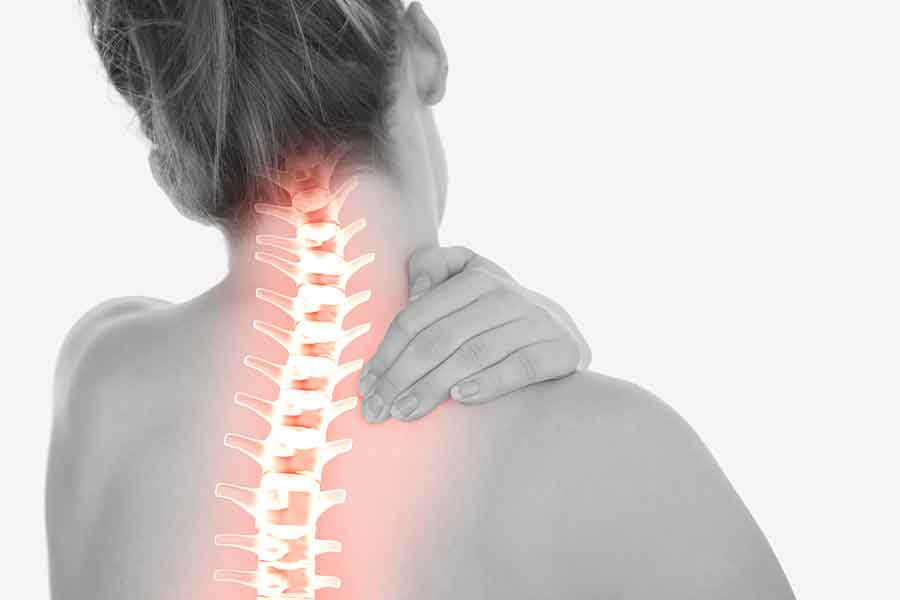
A “crick in the neck” is a common phrase people use for sudden, sharp stiffness that often appears after sleeping in an odd position. It’s typically a mild, short-lived version of general neck stiffness.
Unlike more serious stiffness from injury or infection, a crick usually resolves within a day or two with basic self-care and gentle movement.
Diagnostic Tests a Doctor Might Use
If a stiff neck doesn’t improve with home care, a doctor may use certain tests to understand what’s really going on beneath the surface.
| Test | What It Checks For |
|---|---|
| Physical exam | Range of motion, tenderness, and reflexes |
| X-ray | Bone alignment, arthritis, and structural changes |
| MRI scan | Soft tissue, discs, nerves, and spinal cord detail |
| CT scan | Detailed bone imaging when MRI isn’t available |
| Blood tests | Signs of infection or inflammatory conditions |
Most people with simple muscle-related stiffness never need any of these tests, since a physical exam and symptom history are usually enough for a diagnosis.
Stiff Neck During Pregnancy
Hormonal changes during pregnancy can loosen ligaments throughout the body, including those supporting the neck and spine. This, combined with postural changes, can lead to increased neck stiffness.
Gentle stretching, supportive pillows, and prenatal-safe exercise are generally the best first steps for pregnant individuals dealing with neck tightness.
Always check with your doctor before taking any pain medication or trying new treatments during pregnancy.
Building a Long-Term Neck Care Routine
Beyond treating an active episode of stiffness, building small daily habits can meaningfully reduce how often neck problems show up at all.
Set a reminder to check your posture every hour, especially during long work sessions. A quick posture reset takes only a few seconds but adds up over a day.
Incorporate two or three short stretching sessions into your week, even when your neck feels fine. Consistency matters more than intensity for long-term flexibility.
Pay attention to your pillow and mattress quality, since worn-out support can quietly contribute to stiffness over months without you realizing it.
Frequently Asked Questions
Why is my neck so stiff when I wake up?
This is usually caused by an unsupportive pillow or an awkward sleep position that strains your neck muscles overnight.
Is it bad to keep moving a stiff neck?
No, gentle movement generally helps recovery more than staying completely still, as long as it doesn’t cause sharp pain.
How long should a stiff neck last before I worry?
If stiffness doesn’t improve within a week of home treatment, it’s a reasonable point to see a doctor.
Can stress alone cause a stiff neck?
Yes, chronic stress causes muscles to tighten involuntarily, which can lead to noticeable neck stiffness over time.
Should I use ice or heat for a stiff neck?
Use ice for the first 48 hours to reduce inflammation, then switch to heat to relax and loosen the muscles.
Can a stiff neck be a sign of meningitis?
Yes, especially if it’s paired with a sudden fever, severe headache, or sensitivity to light, which needs emergency care.
Do neck stretches actually help stiffness?
Yes, gentle daily stretches improve range of motion and reduce tightness for most cases of muscle-related stiffness.
Can a bad pillow really cause neck stiffness?
Yes, a pillow that doesn’t support your neck’s natural curve is one of the most common causes of morning stiffness.
Is physical therapy necessary for a stiff neck?
Not always. It’s usually recommended only if home care doesn’t resolve stiffness within one to two weeks.
Can poor posture at a desk cause long-term neck stiffness?
Yes, prolonged slouching or looking down at screens can lead to chronic tightness if posture isn’t corrected.
Conclusion
A stiff neck is usually caused by muscle strain from poor posture, an awkward sleeping position, stress, or everyday overuse. Less commonly, it can stem from a cervical spine disorder, whiplash, or a serious infection like meningitis.
Most cases improve within a week using simple home care, including ice, heat, gentle stretching, and over-the-counter pain relievers. Staying gently active and correcting posture habits both speed up recovery and help prevent stiffness from returning.
Pay closer attention if your stiff neck comes with fever, severe headache, confusion, or numbness spreading into your arms, since these signs need prompt medical evaluation. For most people, though, a stiff neck is a temporary, manageable problem that responds well to consistent, simple care at home.