Why Do My Toes Go Numb? Signs You Shouldn’t Ignore 2026
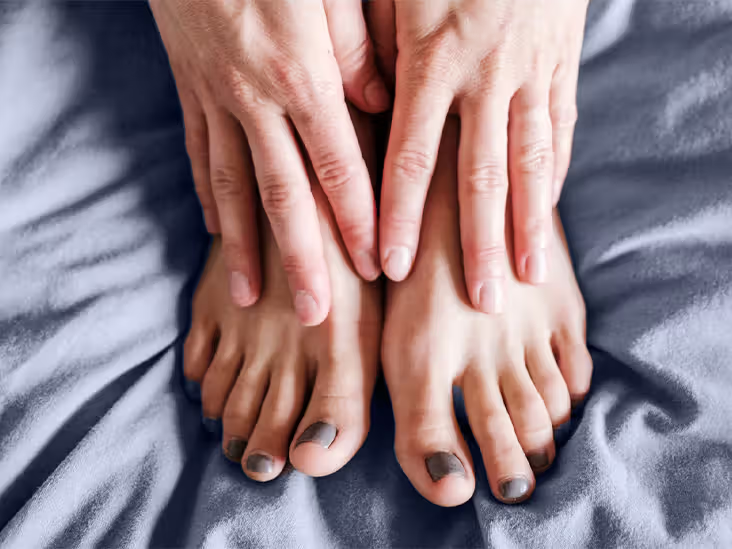
Why Do My Toes Go Numb is a question many people search after noticing tingling, prickling, or a “pins and needles” feeling in their feet. Most of the time, numb toes are caused by something simple, like sitting cross-legged too long or wearing tight shoes.
However, in some cases, toe numbness can point to nerve damage, poor circulation, or an underlying medical condition like diabetes.
What Does Toe Numbness Feel Like
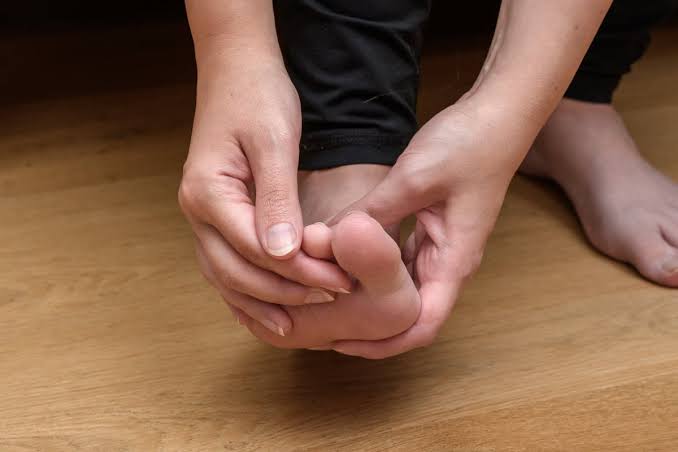
Toe numbness can range from mild tingling to a complete loss of feeling in one or more toes.
Some people describe it as “pins and needles,” while others say it feels like their foot has fallen asleep.
The sensation may be temporary and resolve within minutes, or it may persist for hours or longer.
Understanding the pattern and duration of your symptoms is an important first step in identifying the cause.
Common Causes At A Glance
| Cause | Typical Pattern | Usually Serious? |
|---|---|---|
| Sitting or crossed legs | Temporary, one foot | No |
| Tight shoes | Comes and goes with footwear | No |
| Cold exposure | Both feet, improves with warmth | Usually no |
| Diabetic neuropathy | Both feet, gradual, stocking pattern | Yes |
| Vitamin B12 deficiency | Both feet, gradual | Yes |
| Peripheral artery disease | One or both feet, worse with activity | Yes |
| Sciatica or nerve compression | One leg, radiating pattern | Sometimes |
| Morton’s neuroma | Ball of foot, between toes | Sometimes |
| Raynaud’s phenomenon | Color changes with cold or stress | Sometimes |
| Stroke warning sign | Sudden, one-sided, with other symptoms | Emergency |
Temporary Nerve Compression
The most common cause of numb toes is simple nerve compression from sitting, crossing your legs, or wearing tight footwear.
This type of numbness usually resolves within a few minutes once pressure on the nerve is released.
Nerves can typically handle a few hours of compression without lasting damage under normal circumstances.
If numbness disappears quickly after changing position, it is generally not a cause for concern.
Tight Or Ill-Fitting Shoes
Shoes that are too narrow or too small can compress the nerves and blood vessels in your toes.
This is especially common with high heels, pointed-toe shoes, or footwear that squeezes the front of the foot.
Switching to wider, properly fitted shoes often resolves this type of numbness on its own.
Choosing shoes with enough toe room is one of the simplest preventive steps you can take.
Cold Exposure
Cold temperatures naturally reduce blood flow to the extremities as the body prioritizes core warmth.
Going barefoot in a cold house or spending time outdoors in winter can trigger temporary toe numbness.
Wearing warm socks and appropriate footwear usually resolves this type of numbness fairly quickly.
If numbness lingers well after warming up, it may be worth mentioning to a healthcare provider.
Diabetic Peripheral Neuropathy
Diabetic neuropathy is one of the most common serious causes of chronic toe numbness.
High blood sugar levels over time can damage the peripheral nerves that carry sensation from the feet.
This numbness typically develops gradually and affects both feet in a “stocking” pattern.
People with diabetes should have their feet checked regularly, since numbness can mask injuries that go unnoticed.
Vitamin B12 And Other Deficiencies
Low levels of vitamin B12, B1, or B6 can lead to nerve damage that causes numbness in the feet.
This is more common in people following strict vegan or vegetarian diets without proper supplementation.
Symptoms usually affect both feet and develop slowly over weeks or months.
A simple blood test can confirm a vitamin deficiency, and treatment often involves supplementation.
Peripheral Artery Disease
Peripheral artery disease occurs when arteries become narrowed, reducing blood flow to the legs and feet.
This can cause numbness, coldness, or cramping in the toes, especially during walking or exercise.
People with PAD are also at higher risk of slow-healing wounds and infections in the feet.
Early evaluation is important, since PAD can indicate broader cardiovascular disease risk.
Sciatica And Nerve Compression

Sciatica occurs when the sciatic nerve, running from the lower back to the feet, becomes irritated or compressed.
Herniated discs or spinal stenosis can trigger numbness or tingling that radiates down one leg into the toes.
This type of numbness is often accompanied by lower back pain or shooting sensations down the leg.
A doctor can use imaging and physical exams to confirm whether the spine is contributing to your symptoms.
Tarsal Tunnel Syndrome
Tarsal tunnel syndrome involves compression of the tibial nerve as it passes through the ankle.
It is similar to carpal tunnel syndrome in the wrist but affects the foot instead.
Symptoms include tingling, numbness, or shooting pain along the inner ankle and sole of the foot.
Treatment often includes rest, supportive footwear, or in some cases, physical therapy.
Morton’s Neuroma
Morton’s neuroma is a thickening of tissue around a nerve, usually between the third and fourth toes.
It can cause numbness, tingling, or a feeling like there’s a pebble in your shoe.
High heels and tight shoes are common contributing factors to this condition.
Treatment typically involves changing footwear, using shoe inserts, or in some cases, corticosteroid injections.
Raynaud’s Phenomenon
Raynaud’s phenomenon causes blood vessels in the toes to narrow in response to cold or stress.
Toes may turn white, blue, or red, along with numbness or a tingling sensation.
Primary Raynaud’s is generally harmless, while secondary Raynaud’s may be linked to autoimmune conditions.
A doctor can help determine which type you have and whether further evaluation is needed.
Autoimmune Conditions
Conditions like multiple sclerosis, lupus, and rheumatoid arthritis can all cause numbness in the toes and feet.
These conditions may damage nerves directly or inflame blood vessels that supply the nerves.
Symptoms often wax and wane with disease flares and may include joint pain or fatigue.
If numbness comes with other systemic symptoms, evaluation by a specialist is recommended.
Alcohol-Related Nerve Damage
Long-term excessive alcohol use can lead to nerve damage through both direct toxicity and nutritional deficiencies.
This type of neuropathy often affects both feet and can develop gradually over years.
Reducing or stopping alcohol intake, along with addressing any vitamin deficiencies, can help slow progression.
A healthcare provider can guide safe steps for addressing alcohol-related nerve damage.
Medication Side Effects
Certain medications, including some chemotherapy drugs, can damage peripheral nerves as a side effect.
This is sometimes called chemotherapy-induced peripheral neuropathy and can affect the toes and fingers.
Never stop a prescribed medication without first talking to your doctor about your symptoms.
Reporting numbness promptly allows your prescriber to consider dose adjustments or alternative treatments.
Shingles And Nerve-Related Infections
Shingles, caused by the reactivated chickenpox virus, can cause numbness or tingling before a rash appears.
The rash typically affects one side of the body and can cause lasting nerve pain afterward.
This condition, called postherpetic neuralgia, can persist for months or years in some cases.
Early antiviral treatment within a few days of symptom onset can reduce the risk of complications.
Foot Injuries And Fractures
A broken toe or foot fracture can cause numbness alongside pain, swelling, or bruising.
This typically results from an accident, a fall, or striking the toe against a hard object.
Numbness following any foot injury should be evaluated by a doctor to rule out fracture or nerve damage.
Proper treatment helps ensure the bone heals correctly and reduces the risk of long-term complications.
Symptom Comparison Table
| Symptom Pattern | Possible Cause |
|---|---|
| Numbness that resolves in minutes | Temporary nerve compression |
| Both feet, gradual onset | Diabetes or vitamin deficiency |
| One foot, radiating up the leg | Sciatica or nerve compression |
| Color changes with cold | Raynaud’s phenomenon |
| Numbness with cold, pale skin | Circulation problem |
| Sudden numbness with weakness or slurred speech | Medical emergency, call 911 |
When Toe Numbness Is An Emergency
Sudden numbness accompanied by slurred speech, severe headache, dizziness, or one-sided weakness needs emergency care immediately.
These symptoms can indicate a stroke, which requires urgent medical attention to reduce long-term damage.
Numbness following a head injury or severe trauma should also be evaluated right away.
When in doubt about sudden or severe symptoms, it is always safer to seek emergency care.
When To See A Doctor For Numb Toes
You should see a doctor if numbness is persistent, recurring, or has no obvious cause.
Numbness accompanied by open sores, wounds, or changes in skin color also warrants prompt evaluation.
If you have diabetes, any new or worsening numbness should be checked by a healthcare provider.
Numbness combined with weakness, balance problems, or coordination issues should not be ignored.
How Doctors Diagnose The Cause
Diagnosis typically begins with a review of your medical history and current symptoms.
A physical exam may include checking pulses, skin temperature, reflexes, and sensation using simple tests.
Blood tests can help identify vitamin deficiencies, blood sugar levels, or thyroid function issues.
In some cases, nerve conduction studies or imaging may be needed to pinpoint the exact cause.
Home Care Tips For Mild Toe Numbness
Wearing properly fitted, wide-toe shoes can help prevent numbness caused by footwear compression.
Taking breaks from sitting or standing in one position for long periods supports healthy circulation.
Keeping feet warm with thick socks can help with cold-related numbness during colder months.
Regular movement and gentle stretching can also support better blood flow to the feet.
Lifestyle Changes That Support Foot Health
Maintaining a balanced diet rich in B vitamins supports healthy nerve function over time.
Limiting alcohol intake reduces the risk of alcohol-related nerve damage in the feet.
Managing underlying conditions like diabetes through blood sugar control helps prevent nerve complications.
Regular exercise supports circulation and can reduce numbness related to poor blood flow.
Foot Care Tips For People With Diabetes
Inspecting your feet daily for cuts, blisters, or redness is essential when numbness reduces sensation.
Using a mirror to check the soles of your feet can help catch problems early.
Wearing well-fitting shoes and avoiding walking barefoot helps protect numb areas from injury.
Regular check-ups with a podiatrist can help catch complications before they become serious.
Numb Toes During Exercise Or Running
Some runners and athletes notice numbness in their toes during or after long runs or workouts.
This can result from tight-fitting running shoes, laced too tightly, restricting blood flow to the toes.
Swelling from repetitive impact can also compress nerves temporarily during extended activity.
Loosening laces slightly and choosing shoes with a wider toe box often resolves exercise-related numbness.
Numb Toes And Pregnancy
Pregnancy can cause fluid retention and swelling that puts pressure on nerves in the feet and ankles.
This is more common in the later stages of pregnancy, especially in the third trimester.
Elevating the feet, wearing supportive shoes, and staying hydrated can help reduce swelling-related numbness.
If numbness is severe or accompanied by significant swelling, it’s worth mentioning to your prenatal care provider.
Numb Toes In Older Adults
Nerve function and circulation naturally decline somewhat with age, making numbness more common in older adults.
Age-related changes can combine with conditions like diabetes or arthritis to increase numbness risk.
Regular foot checks become especially important for older adults, since reduced sensation can mask injuries.
Balance concerns related to numbness should also be discussed with a doctor to reduce fall risk.
Sural Nerve Entrapment
Sural nerve entrapment involves compression of a smaller nerve that runs along the outer ankle and foot.
This condition can cause numbness or tingling along the outer edge of the foot and toes.
Conservative treatments like rest, activity modification, and supportive footwear often help relieve symptoms.
Chronic or severe cases may require evaluation by a nerve specialist for further treatment options.
Guillain-Barre Syndrome
Guillain-Barre syndrome is a rare condition where the immune system mistakenly attacks the body’s own nerves.
Numbness and tingling in the toes, fingers, or ankles are often among the first symptoms to appear.
Symptoms can progress relatively quickly, sometimes over days, and may include muscle weakness.
Because this condition can become serious quickly, prompt medical evaluation is strongly recommended.
Charcot-Marie-Tooth Disease
Charcot-Marie-Tooth disease is a rare inherited condition that affects the peripheral nerves in the feet and hands.
It typically causes gradual numbness, muscle weakness, and changes in foot shape over time.
Symptoms often begin in childhood or early adulthood and progress slowly throughout life.
There is no cure, but physical therapy and supportive devices can help manage symptoms effectively.
Deep Vein Thrombosis And Numbness
A blood clot in the leg, known as deep vein thrombosis, can occasionally cause numbness alongside swelling.
This condition also often causes pain, warmth, and redness in the affected leg.
DVT is considered a medical emergency due to the risk of the clot traveling to the lungs.
Sudden leg swelling with numbness and pain should prompt immediate medical evaluation.
Hypothyroidism And Nerve Function
An underactive thyroid gland can contribute to nerve damage and numbness in the feet over time.
This condition often develops gradually and may come with fatigue, weight gain, or cold sensitivity.
A simple blood test can check thyroid hormone levels if this is suspected as a cause.
Treating the underlying thyroid condition often improves numbness and related nerve symptoms.
Tracking Your Symptoms Before A Doctor Visit
Keeping a simple log of when numbness occurs, how long it lasts, and any triggers can be helpful.
Note whether numbness affects one foot or both, and whether it comes with pain or color changes.
Recording any related symptoms, like fatigue or weakness, gives your doctor a fuller picture.
This information can help speed up diagnosis and reduce the number of visits needed to find a cause.
Preventing Numb Toes Long Term
Choosing well-fitting shoes with adequate toe room is one of the simplest long-term prevention steps.
Managing chronic conditions like diabetes and thyroid disorders reduces the risk of nerve-related numbness.
Maintaining a balanced diet with adequate vitamins supports healthy nerve function over the years.
Regular movement throughout the day helps maintain healthy circulation to the feet and toes.
Quick Recap On Numb Toes
Most numb toes are harmless and linked to sitting position, tight shoes, or cold exposure.
Persistent or gradual numbness affecting both feet often points to nerve or circulation issues that deserve evaluation.
Sudden numbness with weakness, slurred speech, or severe headache is always an emergency requiring immediate care.
Tracking your symptoms and discussing them with a healthcare provider is the most reliable way to find the cause.
A Final Word On Foot Sensation
Feet and toes rely on a long path of nerves and blood vessels, which makes them more vulnerable to numbness than other body parts.
Paying attention to changes in sensation, especially if they are new or worsening, is a simple but important habit.
Most people will experience some form of temporary toe numbness at various points in life without any lasting issue.
Knowing the difference between a harmless, passing sensation and a warning sign is the most valuable takeaway from this guide.
Frequently Asked Questions (FAQs)
1. Why do my toes go numb when I sit down?
Sitting can compress nerves in your legs and feet temporarily. This usually resolves within minutes of moving or changing position.
2. Can tight shoes cause numb toes?
Yes, tight or narrow shoes can compress nerves and blood vessels in the toes. Switching to wider footwear often helps.
3. Is numb toes a sign of diabetes?
Yes, it can be an early sign of diabetic neuropathy. A blood sugar test can help confirm or rule this out.
4. Should I worry about numb toes in cold weather?
Usually not, since cold naturally reduces blood flow to the toes. Warming up should resolve it fairly quickly.
5. Can vitamin deficiency cause numb toes?
Yes, low B12, B1, or B6 levels can damage nerves and cause numbness. A blood test can confirm a deficiency.
6. When is numb toes a medical emergency?
If numbness comes with slurred speech, severe headache, or one-sided weakness, seek emergency care immediately. This may indicate a stroke.
7. Can back problems cause numb toes?
Yes, sciatica or a herniated disc can compress nerves and cause numbness radiating into the toes. A doctor can confirm this with an exam.
8. Is numb toes always serious?
No, most cases are temporary and related to position, footwear, or cold exposure. Persistent or unexplained numbness should be evaluated.
9. Can alcohol use cause numb toes?
Yes, long-term heavy alcohol use can damage peripheral nerves. Reducing intake and correcting deficiencies can help.
10. Should I see a podiatrist or a doctor for numb toes?
A primary care doctor can start the evaluation and refer you to a podiatrist or specialist if needed. Either is a reasonable first step.
Conclusion
Numb toes are a common experience, and in most cases, the cause is simple and temporary, such as sitting too long, wearing tight shoes, or cold exposure.
However, persistent, recurring, or unexplained numbness can sometimes signal an underlying condition like diabetes, vitamin deficiency, poor circulation, or nerve compression.
Paying attention to patterns, such as whether numbness affects one foot or both, comes with pain or color changes, or persists despite changing position, can help you and your doctor identify the cause more quickly.
Sudden numbness with weakness, slurred speech, or severe headache should always be treated as a medical emergency. While this guide offers a helpful overview of common causes and warning signs, it is not a substitute for professional medical evaluation.
If your toe numbness is persistent, worsening, or accompanied by other symptoms, scheduling an appointment with a healthcare provider is the safest next step in 2026.