Why Do I See Black Spots? Eye Floaters or Something Else? 2026

Why do I see black spots is a common question people search after noticing small specks, cobwebs, or squiggly shapes drifting across their vision. In most cases, these black spots are simply eye floaters, a harmless part of the eye’s natural aging process.
However, in some situations, black spots can signal a more serious issue, such as a retinal tear or detachment, which needs urgent medical attention.
What Are Eye Floaters? Why Do I See Black Spots?
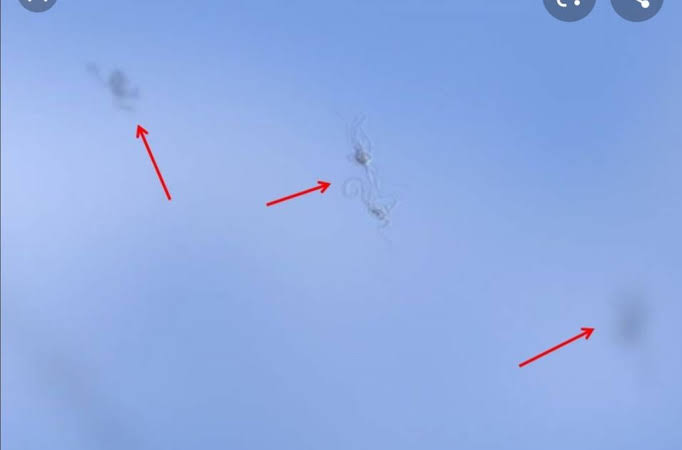
Eye floaters are small shapes, such as specks, dots, cobwebs, or squiggly lines, that drift across your field of vision.
They are most noticeable when looking at a bright, plain background, such as a clear sky or a white wall.
Floaters are actually shadows cast on the retina by tiny clumps of gel or cells inside the eye.
Everyone experiences floaters somewhat differently, with some describing them as gnats and others as thread-like strands.
What Causes Black Spots In Vision
The most common cause of black spots is a process called posterior vitreous detachment, which happens naturally with age.
The vitreous is a gel-like substance that fills the inside of the eye and gradually shrinks over time.
As it shrinks, it pulls away from the retina, and clumps of gel can cast shadows that appear as floaters.
This process is common in adults over 50 and is usually a normal, harmless part of aging.
Common Causes At A Glance
| Cause | Typical Pattern | Usually Serious? |
|---|---|---|
| Posterior vitreous detachment | Gradual, more common with age | No |
| Age-related floaters | Slow increase over years | No |
| Eye injury or trauma | Sudden onset after impact | Sometimes |
| Retinal tear | Sudden shower of new floaters | Yes |
| Retinal detachment | Curtain or shadow in vision | Yes, emergency |
| Migraine with aura | Zigzag patterns, temporary | Usually no |
| Diabetic eye disease | Gradual, with other vision changes | Yes |
| Uveitis or eye inflammation | Floaters with redness or pain | Yes |
Floaters Versus Flashes
Floaters are shapes that drift across your vision, while flashes are brief sparks or streaks of light.
Flashes occur when the shrinking vitreous tugs on the retina, stimulating its light-sensitive cells.
Floaters and flashes can occur separately or together, and both tend to become more noticeable with age.
Understanding the difference between the two can help you describe your symptoms more accurately to a doctor.
Why Floaters Move When Your Eyes Move
Floaters seem to dart in the opposite direction of your eye movement before slowly drifting back into place.
This happens because the vitreous gel lags slightly behind the movement of the eyeball itself.
Looking up and then down can sometimes shift floaters out of your direct line of sight temporarily.
This movement pattern is one of the key ways to recognize a true floater rather than another visual symptom.
Are Eye Floaters Normal
Occasional floaters are considered a normal part of aging and are experienced by most adults at some point.
They tend to become more common after age 50, as the vitreous naturally changes over time.
People with high myopia, or nearsightedness, may notice floaters appearing at a younger age.
While floaters can be annoying, especially when reading or driving, they are usually not a sign of a serious problem.
When Black Spots Signal A Retinal Tear
A retinal tear occurs when the shrinking vitreous pulls hard enough on the retina to cause a small rip.
This can cause a sudden shower of new floaters, often described as a dense cluster of spots or cobwebs.
Retinal tears can progress to full detachment within days if left untreated, making prompt evaluation important.
Any sudden, dramatic increase in floaters should be treated as a reason to see an eye doctor quickly.
Warning Signs Of Retinal Detachment
Retinal detachment occurs when the retina separates from the supportive tissue at the back of the eye.
The classic warning signs include a sudden increase in floaters, flashes of light, and a shadow or curtain over part of your vision.
Because the retina has no pain receptors, these visual symptoms are often the only warning sign of a problem.
Recognizing these signs early is critical, since untreated retinal detachment can lead to permanent vision loss.
The Emergency Symptom Checklist
| Symptom | What It May Indicate |
|---|---|
| A few stable floaters | Normal aging, usually harmless |
| Sudden new shower of floaters | Possible retinal tear |
| Flashes of light in peripheral vision | Vitreous pulling on retina |
| Curtain or shadow over vision | Possible retinal detachment, emergency |
| Sudden vision loss or blurriness | Emergency, seek care immediately |
| Floaters after eye injury | Needs prompt evaluation |
Why Retinal Detachment Is A True Emergency
Retinal detachment can cause irreversible vision loss within hours or days if not treated promptly.
Since there is no pain involved, many people delay seeking care, mistakenly assuming the symptoms will resolve on their own.
Every hour of delay can reduce the likelihood of preserving full vision in the affected eye.
If you notice any combination of new floaters, flashes, and a shadow in your vision, seek emergency care immediately.
Migraine Aura And Black Spots
Some people experience visual disturbances related to migraines, even without a headache immediately following.
Migraine aura typically produces shimmering zigzag patterns or expanding kaleidoscope-like shapes rather than distinct floaters.
These visual symptoms usually last between 5 and 60 minutes before resolving completely on their own.
If visual symptoms are followed by a headache, this pattern is more consistent with migraine aura than a retinal problem.
Eye Injury And Black Spots
A blow to the head or eye can cause a temporary visual disturbance often described as “seeing stars.”
Trauma can also directly cause a retinal tear or detachment, even if symptoms aren’t immediately obvious.
Anyone who experiences an eye injury should be evaluated promptly to rule out early signs of retinal damage.
Wearing protective eyewear during sports or high-risk activities can help reduce the risk of trauma-related eye injuries.
Diabetic Eye Disease And Floaters
Diabetic retinopathy can cause bleeding into the vitreous, which may appear as new floaters or dark spots.
This condition develops gradually in people with poorly controlled blood sugar levels over time.
Regular dilated eye exams are especially important for people with diabetes to catch early changes before symptoms worsen.
Sudden floaters in someone with diabetes should be evaluated promptly, as they may indicate bleeding in the eye.
Uveitis And Eye Inflammation
Uveitis is inflammation inside the eye that can cause floaters along with redness, pain, or light sensitivity.
This condition may be linked to autoimmune diseases, infections, or sometimes has no clearly identified cause.
Floaters accompanied by eye pain or redness are different from typical age-related floaters and warrant evaluation.
Treatment often involves anti-inflammatory eye drops or other medications prescribed by an eye specialist.
Who Is At Higher Risk For Retinal Problems
People over the age of 50 are at higher risk for posterior vitreous detachment and related retinal issues.
Those with high myopia, or severe nearsightedness, have an increased risk of retinal tears and detachment.
People with diabetes or a history of eye surgery also face a higher risk of retinal complications.
A family history of retinal detachment can also increase an individual’s personal risk over time.
How Eye Doctors Diagnose The Cause
Diagnosis typically begins with a dilated eye exam, where drops widen the pupil for a clearer view of the retina.
This exam allows the doctor to directly examine the vitreous, retina, and optic nerve for signs of tears or detachment.
In some cases, additional imaging tests may be used to get a more detailed view of the back of the eye.
This exam is usually painless and can be completed during a routine or emergency eye appointment.
Treatment Options For Retinal Tears
Many retinal tears can be treated with laser therapy, which seals the tear and prevents further progression.
This procedure is often performed in-office and can prevent the tear from developing into a full detachment.
Cryotherapy, a freezing treatment, is another option sometimes used to seal small retinal tears.
Early treatment significantly improves the chances of preserving full vision in the affected eye.
Treatment Options For Retinal Detachment
Retinal detachment typically requires surgical treatment to reattach the retina to the back of the eye.
Common surgical options include pneumatic retinopexy, scleral buckle surgery, and vitrectomy, depending on the severity and location.
The specific procedure chosen depends on factors like the size and location of the detachment.
Prompt treatment offers the best chance of restoring or preserving vision after a retinal detachment.
Living With Ordinary Floaters
Most people eventually adjust to the presence of mild, stable floaters over time as the brain learns to ignore them.
Floaters often become less noticeable, even if they don’t fully disappear, as time passes.
In rare, severe cases where floaters significantly affect quality of life, a procedure called vitrectomy may be considered.
This surgical option removes the vitreous gel but carries its own risks and is not typically the first choice of treatment.
When To See An Eye Doctor
You should see an eye doctor promptly if you notice a sudden increase in the number of floaters.
Any new flashes of light, especially in peripheral vision, also warrant a prompt evaluation.
A curtain or shadow appearing over part of your vision should be treated as an emergency requiring immediate care.
Routine eye exams remain important for people over 50 or those with diabetes, even without noticeable symptoms.
Preventing Retinal Complications
While posterior vitreous detachment cannot be prevented since it’s related to natural aging, other risk factors can be managed.
Wearing protective eyewear during sports or activities with a risk of eye injury helps reduce trauma-related retinal damage.
Managing blood sugar levels carefully helps reduce the risk of diabetic retinopathy over time.
Regular dilated eye exams allow early detection of retinal changes before they progress to a serious problem.
The Anatomy Behind Black Spots
Understanding basic eye anatomy helps explain why floaters and flashes occur the way they do.
The retina lines the back of the inner eye and converts light into signals the brain interprets as images.
The vitreous fills the space between the lens and the retina, providing structure and shape to the eyeball.
Changes in either the vitreous or the retina can directly affect what you perceive as black spots or flashes.
Posterior Vitreous Detachment Explained
Posterior vitreous detachment, often abbreviated as PVD, occurs when the vitreous gel separates from the retina.
This is a natural process that becomes more common as people move into their 50s, 60s, and beyond.
In most cases, PVD is harmless and simply results in new or increased floaters that gradually become less bothersome.
In a smaller number of cases, the separating vitreous can tug hard enough to create a retinal tear.
Floaters After Cataract Surgery
Some people notice new or more noticeable floaters after cataract surgery, even if they didn’t have significant floaters before.
This can happen because changes in the eye during surgery may affect how the vitreous interacts with the retina.
Most floaters following cataract surgery are harmless, but any sudden increase should still be evaluated.
Discussing any new visual symptoms with your eye surgeon during follow-up visits is a good practice after this type of surgery.
High Myopia And Increased Floater Risk
People with high myopia, meaning significant nearsightedness, often have an elongated eyeball shape.
This elongation can put additional stress on the retina and vitreous, increasing the risk of tears and detachment.
Floaters may appear earlier in life for people with high myopia compared to those with normal vision.
Regular eye exams are particularly important for this group, even without noticeable symptoms.
The Psychological Impact Of Persistent Floaters
While usually harmless, persistent floaters can affect daily activities like reading, driving, or working on a computer.
Some people report frustration or anxiety related to constantly noticing specks or shapes in their field of vision.
Understanding that most floaters are benign can help ease some of this psychological burden for many patients.
For those significantly affected by floaters, discussing management options with an eye doctor can provide reassurance and guidance.
How Floaters Differ From Blind Spots
A blind spot refers to an area where vision is completely absent, often due to optic nerve or retinal damage.
Floaters, on the other hand, are visible shapes that move with eye movement rather than fixed areas of vision loss.
Confusing these two symptoms is common, but they represent very different underlying issues.
If you notice a fixed area of missing vision, rather than a moving shape, this should be evaluated promptly as well.
Nutrition And Eye Health
While diet cannot reverse existing floaters, certain nutrients support overall eye health and may slow age-related changes.
Foods rich in antioxidants, omega-3 fatty acids, and vitamins A, C, and E are often recommended for eye health.
Leafy greens, fish, and colorful fruits and vegetables are commonly cited as beneficial for long-term vision health.
While nutrition supports general eye health, it is not a substitute for regular eye exams and prompt symptom evaluation.
Quick Recap On Black Spots In Vision
Most black spots are harmless floaters caused by natural changes in the vitreous gel as we age.
A sudden increase in floaters, new flashes of light, or a shadow over your vision are the key warning signs to watch for.
Because the retina has no pain receptors, these visual symptoms are often the only clue something serious is happening.
Prompt evaluation by an eye doctor is the safest response to any sudden or dramatic change in your vision.
Preparing For An Eye Doctor Visit
Before your appointment, try to note when the floaters or flashes first appeared and whether they’ve changed in number or pattern.
Mention any recent eye injuries, changes in vision, or existing conditions like diabetes or high myopia to your doctor.
Bringing a list of current medications can also help your eye doctor rule out possible contributing factors.
This preparation can help your doctor reach a diagnosis more efficiently during your visit.
The Difference Between Urgent And Routine Eye Symptoms
Not every new floater requires an emergency visit, but understanding which symptoms fall into which category is important.
A few new floaters that remain stable over days or weeks can typically be addressed at a routine eye appointment.
Sudden, dramatic changes, especially with flashes or a shadow in vision, always warrant same-day or emergency evaluation.
When in doubt about the urgency of your symptoms, calling an eye doctor’s office for guidance is a reasonable first step.
Final Thoughts On Protecting Your Vision
Vision changes can feel alarming, but understanding the difference between harmless and urgent symptoms brings clarity and confidence.
Most people will experience some floaters at some point, and the vast majority never lead to any serious complication.
Staying informed about warning signs empowers you to act quickly if something does require urgent attention.
Regular eye care, paired with awareness of these key symptoms, remains the best long-term strategy for protecting your sight.
Frequently Asked Questions (FAQs)
1. Why do I suddenly see black spots in my vision?
This is usually caused by eye floaters from the natural vitreous shrinking with age. A sudden increase, however, should be checked by an eye doctor.
2. Are black spots in vision always floaters?
Most black spots are floaters, but sudden new ones can signal a retinal tear. Flashes or a shadow in vision need urgent evaluation.
3. When should I worry about eye floaters?
Worry if floaters increase suddenly or come with flashes of light. A shadow or curtain over your vision is an emergency.
4. Can eye floaters go away on their own?
Yes, many floaters become less noticeable over time as the brain adjusts. However, new sudden floaters should still be checked.
5. What does a retinal detachment feel like?
Retinal detachment doesn’t cause pain but may cause a shadow or curtain over your vision. Sudden vision changes need immediate care.
6. Can migraines cause black spots in vision?
Yes, migraine aura can cause zigzag patterns or shimmering shapes. These usually resolve within an hour, unlike persistent floaters.
7. Are floaters more common with age?
Yes, floaters become more common after age 50 due to natural changes in the vitreous. People with high myopia may notice them earlier.
8. Can diabetes cause black spots in vision?
Yes, diabetic retinopathy can cause bleeding that appears as floaters. Regular eye exams help catch this early.
9. Do I need surgery for eye floaters?
Most floaters don’t require surgery and are simply monitored over time. Surgery is only considered in rare, severe cases.
10. How is a retinal tear treated?
Retinal tears are often treated with laser therapy or cryotherapy to seal the tear. Early treatment helps prevent full detachment.
Conclusion
Seeing black spots in your vision is often nothing more than ordinary eye floaters, a harmless part of the eye’s natural aging process caused by changes in the vitreous gel.
However, a sudden increase in floaters, new flashes of light, or a shadow creeping across your field of vision can signal a retinal tear or detachment, both of which require prompt medical attention.
Because the retina has no pain receptors, these visual changes are often the only warning sign of a serious problem, making it essential not to ignore them.
Regular dilated eye exams, especially for those over 50 or living with diabetes, can help catch retinal issues before they progress.
If you ever notice a sudden shower of new floaters, flashes, or a curtain over your vision, don’t wait to see if it resolves on its own. Seeking prompt evaluation from an eye doctor or emergency department is always the safest choice in 2026.