

Top 7 Ultra-Fast Live Betting Websites Built for Smooth Navigation
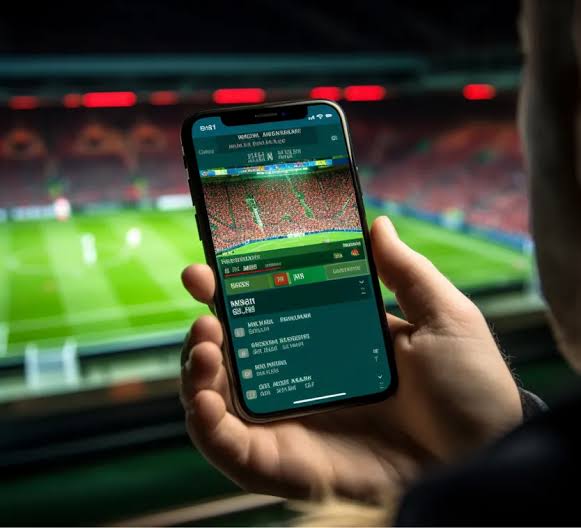
In live sports betting, delays can cost you money. Fast betting platforms fix the lateness problem with fast data feeds and easy-to-use screens. By cutting out extra API steps, modern systems ensure you get odds updates right away, slips accepted quickly, and smooth movement on your phone.
The usual odds update time for an online betting website is 3 to 5 seconds. This delay is problematic during fast-paced games like basketball and tennis, where the bets will most likely be voided because of this. In addition, price changes happen during bet placement because of the odds’ constant updates. According to W3C, reducing TTI below 1.2 seconds retains users during frequent tasks on the page. The best sites focus on making the DOM faster and using direct server pipelines. They avoid using too many graphic overlays. Betflix direct website (betflix เว็บตรง) is making a big change in how things work by removing structural bottlenecks.
LIVE BETTING SPEED TAXONOMY
Tier 1: Direct API / Direct Web (0-500ms) –> Instant Acceptance
Tier 2: Aggregated API (1500ms-3000ms) –> Occasional Slippage
Tier 3: Third-Party Broker (3000ms+) –> High Rejection Rate
1. Betflix: The Benchmark in Direct-Connect Speed
A direct-connect platform skips outside broker relays. It sends real-time odds right from odds compilers to the end-user layout. betflix เว็บตรง uses a single-page application (SPA) setup and WebSocket connections. With this tech, live odds updates go right to the client interface. There is no need to refresh the page.
| Performance Metric | Industry Average | Betflix Direct Standard |
| Odds Refresh Latency | 3.5 seconds | < 250 milliseconds |
| Bet Slip Acceptance Time | 2.1 seconds | 0.4 seconds |
| Page Payload Size | 4.2 MB | 1.1 MB |
During times when things change fast, like shootouts or when a team has the ball late in the game, usual sites turn off market choices for a long time. Tests show that this platform keeps checking and keeping the slip active in under 400 milliseconds.
2. Pinnacle: Low-Margin Architecture Built for Speed
Pinnacle creates the frontend in a way that works well for fast odds updates. The platform does not use fancy effects or hard-to-follow animations. Instead, you see clear text tables that come from data updates sent at different times.
According to the technical analysis from Cloudflare Engineering, streaming API payloads that are less than 50KB help cut down slow mobile connections. Pinnacle restricts basic scripts so the live board shows up fast, even if there is a weak cell signal.
- Key Strengths: The site has high bet limits and low bookmaker margins. There is native support for dark-mode data tables.
- Limitations: There are not many graphic match trackers. It needs other data feeds for deep telemetry.
3. Bet365: Advanced Micro-Market In-Play Tracking
Bet365 deals with a lot of people at the same time by using its own content delivery networks, called CDNs. The platform runs edge-side scripts to give live updates to many users all at once.
Bet365 has more pictures and videos than simple websites. Still, it keeps things running in real time. The video streams and odds stay matched and up-to-date.
- Key Strengths: The platform gives HD streaming that runs together with fast bet slips. It also figures out cash-out automatically.
- Limitations: It uses a lot of memory on old phones or tablets.
4. Unibet: Modular UX and Customizable Dashboards
Unibet makes it easy to move around their site by giving you dashboards that you can change to fit your needs. You can add the sports events you want to watch into one simple place. This way, you do not need extra tracking tools for markets you do not use.
As shown by Google WebDev, when layout shifts go down, input response gets better. Unibet keeps slip placement UI parts in the same place. This helps stop people from clicking the wrong thing when the odds change fast.
- Key Strengths: Customizable layouts, fast search indexing, quick market filtering.
- Limitations: Multi-view tracking can put a load on low-spec mobile processors.
5. Stake: Lightweight Web3 Data Pipeline
Stake uses modern Web3 libraries to work with fast transactions. It also gives real-time market odds updates. The frontend uses a small amount of JavaScript, so you get fast moves across changing sports markets.
| System Feature | Technical Specification | Operational Benefit |
| Data Protocol | Encrypted WebSockets | Instant odds updates |
| UI Framework | Lightweight SPA Layer | Zero full-page reloads |
| Cash-Out Processing | Automated Smart-Contract Engine | Immediate ledger settlement |
- Key Strengths: You can place bets very fast. Cryptocurrency withdrawals happen quickly. The user interface is very clean.
- Limitations: You may not be able to use some old bank channels in every place.
6. 1xBet: Feature-Dense Multi-Live Interface
1xBet works with a lot of data at once by using a system that lets people watch up to four live games at the same time.
The platform keeps browser memory low by holding some data on your computer. There can be a lot to look at, which might feel like too much for someone new. People who know what they are doing can check the main stats and watch odds markets that are running.
- Key Strengths: Multi-event tracking, deep lower-league coverage, detailed statistical overlays.
- Limitations: It takes more time to learn for new users.
7. Betway: Simplified Mobile-First Live Interface
Betway works on making mobile speed better by updating its native app shell. The app’s look and feel run with help from your device hardware, so you get smooth scrolling, even when there are a lot of events on the list.
The platform loads live match layouts in the background. This helps to cut wait time when you move between sports matches while you play. For people who love classic casino and slots and want things to run smooth without extra files slowing things down, betflik original gives a better choice. It is made for fast game starts and easy wallet use.
- Key Strengths: The touch targets are easy to use. It gets to new sections fast. The battery does not drain much on mobile.
- Limitations: It does not go as deep in some smaller areas as other book types that focus more on stats.
Live Odds Navigation FAQs
Why do live bet placements get rejected?
Rejections often happen when bookmakers change odds while you wait for your request to finish. Platforms that use direct APIs and WebSockets help send information in just a few milliseconds. This makes rejection rates much lower.
How does site speed affect live betting profits?
A 2-second delay can change your odds by 5% to 15% when a sports play moves fast. A fast platform will help you get the exact odds that show when you make your choice.
Are mobile web apps as fast as native betting apps?
Modern Progressive Web Apps (PWAs) use direct WebSocket connections. This helps them be as fast as native apps. You do not need to download full software for this. Also, you do not have to update from an app store.
What causes slip processing delays on live platforms?
Delays come from risk management APIs made by other companies. There are also slow server paths and browser scripts that do not work well. These things together cause slow bet calculations.
Navigating Speed and Reliability in Live Sports Betting
Speed in live sports betting is needed because of how the tech works, not because of hype. Platforms that take out extra bits of code and use real-time data do better. They can give you faster bets and steady odds. Looking at sites based on how quick they are and how easy they work lets you choose a setup that helps you catch real-time market value.