Transform Your Business with Powerful Digital Signage Software Solutions
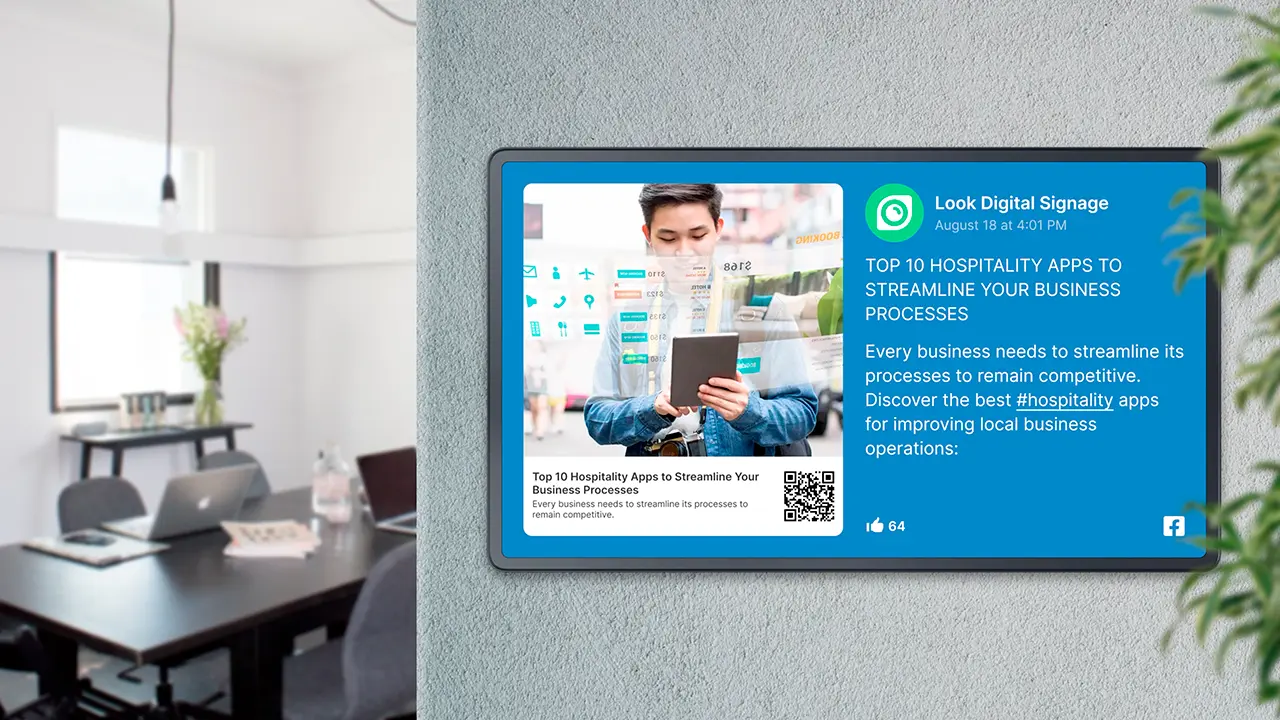
In today’s fast-paced business environment, companies are constantly seeking innovative ways to stand out and capture the attention of their audience. One powerful tool that has emerged in recent years is digital signage software. This technology provides businesses with a dynamic platform to communicate messages, engage customers, and ultimately drive sales.
Understanding Digital Signage Software
Digital signage software is a suite of tools that allows for the creation, management, and display of content on digital screens. It is designed to enhance marketing strategies through visually appealing and interactive content that can be used in a variety of business sectors. From retail shops to corporate offices, digital signage software offers versatile solutions to cater to different advertising needs.
Key Features and Benefits
The main advantage of digital signage software lies in its ability to deliver customised content in real-time. Businesses can easily update messages to reflect current promotions or events. Moreover, this software supports integration with different media formats, making it possible to display anything from videos to live news feeds.
Another key benefit is cost-effectiveness. While traditional advertising methods can be expensive and inflexible, digital signage offers a scalable solution that can grow with the business. Additionally, it reduces the need for printed materials, contributing to a more sustainable and environmentally friendly approach.
Enhancing Customer Engagement
Interactive displays enabled by digital signage software can significantly enhance customer engagement. By providing interactive elements such as touchscreens or QR codes, businesses can turn conventional advertising into an immersive experience. This not only captivates the audience but also provides valuable data on consumer behaviour.
Applications Across Industries
Digital signage software is not limited to a single industry. Retail businesses, for instance, use it to showcase new products and in-store promotions. Restaurants can update digital menus in real-time or display high-quality images of their dishes. In the corporate world, businesses utilise this software for internal communications, ensuring information is disseminated efficiently.
Choosing the Right Digital Signage Software
With various options available in the market, selecting the right digital signage software can be challenging. Companies should consider solutions that offer user-friendly interfaces, robust reporting tools, and compatibility with existing systems. The ability to integrate seamlessly with IT infrastructure ensures minimal disruptions and maximises the software’s potential.
Future Trends in Digital Signage
As technology continues to evolve, digital signage is heading towards more personalised and AI-driven solutions. Businesses are expected to leverage data analytics to tailor content specific to audience segments, thus enhancing the effectiveness of their campaigns.
Moreover, the adoption of 5G technology will further enhance digital signage capabilities, allowing for faster content delivery and higher quality visuals. This progress will enable businesses to provide richer and more engaging content seamlessly.
Implementing Digital Signage in Your Business
The implementation process of digital signage often begins with identifying the goals and objectives directly tied to the business outcomes. Companies should work closely with vendors to ensure the chosen software aligns with their specific needs and expectations.
Measuring Success
Success in digital signage applications can be measured through various metrics, including audience engagement, sales conversions, and feedback gathered through interactive displays. Analysing these insights allows businesses to refine and improve their strategies over time.
Conclusion
In conclusion, digital signage software presents a powerful opportunity for businesses looking to modernize their approach to marketing and communication. With its ability to captivate audiences and provide dynamic content delivery, it is a must-have tool in the digital age. Companies that effectively integrate this technology are poised to achieve significant competitive advantages in the marketplace.