Trick or Treat: Origin, Meaning & Facts 2026
Trick or treat is one of the most iconic phrases in Halloween history, and its roots run far deeper than most people realize. Every year on October 31, millions of children dress in costumes and knock on doors shouting those three famous words.
But where did this tradition actually come from? What does “trick or treat” really mean?
What Does “Trick or Treat” Mean?
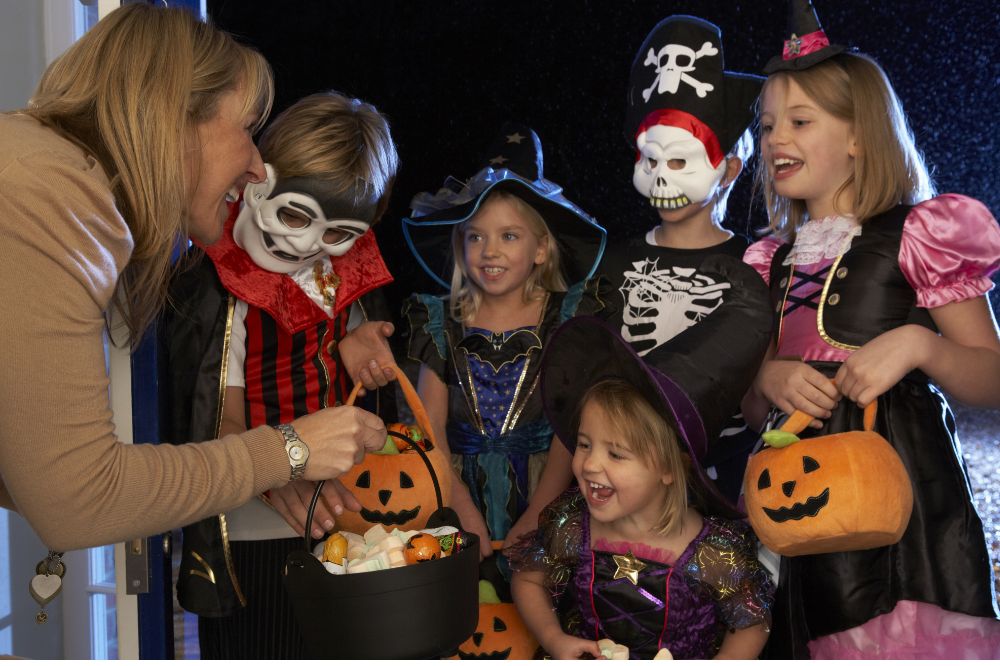
The phrase “trick or treat” is essentially a playful ultimatum. It means: give me a treat (candy or sweets), or I will pull a trick (a prank) on you.
In modern practice, the “trick” is almost never carried out. Children simply say the phrase at the door, collect candy, and move on. The threat element has become purely ceremonial.
The expression is classified as a demand with a comedic implied threat. Linguists and etymologists trace the phrase to early 20th-century North America, where it appeared in print as early as the 1920s.
The Ancient Celtic Origins of Trick or Treat
Samhain: The Celtic Root
The roots of trick or treating go back over 2,000 years to an ancient Celtic festival called Samhain (pronounced “SOW-in”). Samhain was celebrated on the night of October 31, marking the end of the harvest season and the start of winter.
The Celts, who lived in what is now Ireland, the United Kingdom, and northern France, believed the boundary between the living and the dead thinned on this night. Spirits of the dead were thought to roam the earth, disrupting crops and causing chaos.
To deal with these spirits, villagers dressed in costumes — usually animal skins — and laid out food on tables as offerings. This early act of leaving food to appease wandering spirits is considered the earliest ancestor of modern candy-giving.
Disguising to Blend In With Spirits
One key element of Samhain was “guising” — wearing masks and costumes to blend in with supernatural beings. By looking like a spirit, you could avoid being harmed by one.
This is why Halloween has always been linked to costumes. The disguise was not for fun at first. It was a matter of spiritual survival.
The Christian Influence: All Saints’ Day and Souling
The Catholic Church Transforms Samhain
In the 8th century CE, the Catholic Church designated November 1 as All Saints’ Day (also called Allhallows or Hallowmas). This was partly to replace the pagan festival of Samhain with a Christian holiday.
The evening before — October 31 — became known as All Hallows’ Eve, which eventually became Halloween.
All Souls’ Day and the Birth of Souling
By the early 11th century, November 2 was declared All Souls’ Day, a day to honor the dead waiting in purgatory. During this period, a custom called souling emerged.
Poor people — often children — would go door to door on the night of October 31. They offered to pray for the souls of the homeowner’s deceased loved ones in exchange for small cakes called soul cakes.
This door-to-door exchange of prayer for food is widely recognized as the direct precursor to modern trick or treating.
Medieval Mumming: The Middle Ages Chapter
What Was Mumming?
Approximately 500 years after Samhain began, a new tradition called mumming emerged during the Middle Ages. Mummers were costumed performers who went door to door singing, dancing, and performing short plays in exchange for food and drink.
This tradition added a performance element to the door-to-door food request. Instead of just asking for something, you had to earn it through entertainment.
Mumming’s Lasting Impact
Mumming spread across Britain and Ireland and was practiced during multiple holidays including Christmas and Easter. It reinforced the idea that costumed individuals could approach strangers’ homes and request hospitality.
This cultural norm — costumed people, going door to door, asking for something in return — became the structural DNA of modern trick or treating.
Guy Fawkes Night: The British Political Connection
Bonfire Night and Begging for Pennies
Modern trick or treating also has elements linked to Guy Fawkes Night (November 5), which commemorates the foiling of the Gunpowder Plot of 1605.
By the early 19th century, British children wearing masks and carrying effigies of Guy Fawkes would roam streets on November 5, asking for “a penny for the Guy.” This was a direct form of costumed, door-to-door solicitation.
Why It Matters
The similarity to Halloween’s trick or treating is striking. Children in costume, going door to door, asking for something of value. This British tradition may have crossed over and blended into Halloween customs over time.
When Did “Trick or Treat” as a Phrase Begin?
First Known Recorded Use
The earliest confirmed use of the phrase “trick or treat” dates to 1917, when a report in The Sault Daily Star in Sault Ste. Marie, Ontario described Halloween activities where children went out in disguise expecting treats.
A 1923 article in the Saskatchewan Leader-Post also referenced children expecting “treats, not tricks.” A 1924 article from Alberta’s Red Deer Advocate used a similar phrase.
The Phrase Spreads to the United States
In the United States, the earliest recorded use dates to 1928, when Michigan’s Bay City Times referenced children delivering the “fatal ultimatum — Tricks or treats!” at homeowners’ doors.
By the 1930s and 1940s, the term was in widespread circulation in American newspapers. The custom spread from central Canada into the northern and western United States during the 1930s.
| Year | Event |
|---|---|
| 1917 | First documented use of “trick or treat” in Ontario, Canada |
| 1920s | Phrase spreads across Canadian newspapers |
| 1928 | First U.S. recorded use in Michigan |
| 1930s–1940s | Trick or treating spreads across the U.S. |
| 1951 | Peanuts comic strip features “tricks or treats” |
| 1952 | Disney releases short film Trick or Treat starring Donald Duck |
How Trick or Treating Became an American Tradition
Irish and Scottish Immigrants Brought It Over
In the mid-19th century, a massive wave of Irish and Scottish immigrants arrived in the United States. They brought with them their Halloween traditions, including guising and door-to-door food requests.
By the 1920s, these customs had transformed into what we now recognize as trick or treating — kids in costumes, going house to house, asking for candy.
The Great Depression and Curbing Pranks
During the Great Depression, Halloween became notorious for destructive pranks. Cars were overturned. Telephone poles were cut down. Community leaders began promoting trick or treating as a safer, controlled alternative.
The message was simple: give kids candy so they don’t vandalize your property. This practical logic helped cement trick or treating as the dominant Halloween activity.
World War II Sugar Rationing Interrupted Everything
Trick or treating nearly disappeared during World War II when sugar was rationed and treats were scarce. Families simply had nothing to give out.
But when sugar rationing ended in the postwar era, the tradition came roaring back — stronger than ever.
The Baby Boom Explosion
The postwar baby boom produced millions of new American children in newly built suburbs. These sprawling neighborhoods with lots of houses in close proximity were absolutely perfect for trick or treating.
Candy companies seized the moment, launching national Halloween advertising campaigns. Store-bought, individually wrapped candy replaced homemade treats — easier to distribute, safer to accept from strangers.
Trick or Treat in Pop Culture
Peanuts Comic Strip (1951)
In 1951, Charles Schulz featured Charlie Brown and the gang using the phrase “tricks or treats” in a Peanuts comic strip. This was one of the first major mainstream pop culture appearances of the phrase.
Disney’s Trick or Treat (1952)
In 1952, Disney released a short animated film titled Trick or Treat starring Donald Duck and Huey, Dewey, and Louie. The film helped popularize the custom among children nationwide.
E.T. the Extra-Terrestrial (1982)
The 1982 Spielberg film E.T. the Extra-Terrestrial featured a famous trick or treating scene and is credited with helping spread the tradition to parts of the UK and Europe, where the custom was not widely practiced before.
Trick or Treat Around the World
United States and Canada
In the U.S. and Canada, trick or treating is a deeply established Halloween tradition. Children typically go out between 5:00 PM and 9:00 PM on October 31. In some parts of Canada, children say “Halloween apples” instead of “trick or treat.”
United Kingdom and Ireland
In the UK, trick or treating was once considered an unwelcome American import. The BBC famously called it “the Japanese knotweed of festivals” in the 1980s. However, it has become normalized by the 2000s.
In Ireland, before the phrase became common in the 2000s, children would say “Help the Halloween Party.” In Scotland and Ireland, the older tradition was guising — performing a song or poem before receiving treats.
Other Countries
| Country | Local Variation |
|---|---|
| Quebec, Canada | Children say “Halloween” or “La charité, s’il-vous-plaît” |
| Philippines | Pangangaluwa — singing for souls on All Hallows’ Eve |
| Portugal | Pão-por-Deus — giving bread on All Hallows’ Day |
| Mexico | Día de los Muertos (related but distinct celebration) |
| Germany | Adopted trick or treating largely in the 1990s–2000s |
Modern Trick or Treat: Key Facts and Statistics for 2026
Participation Numbers
Halloween remains one of the most popular holidays in the United States. About 73% of Americans plan to celebrate Halloween in 2025, holding steady at pre-pandemic levels. With Halloween 2026 falling on Saturday, October 31, participation is projected to remain equally strong or grow due to the weekend date.
Roughly 35 million children aged 5 to 13 are potential trick-or-treaters across the United States in any given year.
Record Halloween Spending
Halloween spending has broken records year after year:
| Year | Total U.S. Halloween Spending |
|---|---|
| 2022 | ~$10.6 billion |
| 2023 | $12.2 billion (record at the time) |
| 2024 | $11.6 billion |
| 2025 | $13.1 billion (new record) |
| 2026 (projected) | $13.1 billion or higher |
The average American planned to spend $114.45 on Halloween in 2025 — a new record per-person high.
Candy Spending
Candy is the heart of trick or treating. Total candy spending for Halloween 2025 was expected to reach $3.9 billion. Americans purchase approximately 600 million pounds of Halloween candy annually.
Chocolate remains the overwhelming favorite. Of households planning to hand out treats, 75% opt for chocolate candies, followed by gummy/chewy/sour candies (59%) and hard candies (36%).
Costumes
Costume spending hit $4.3 billion in 2025. The most popular adult costumes include witch (5.6 million adults), vampire (2.7 million), pirate (1.6 million), and Batman (1.6 million).
For children, Spider-Man leads the pack with 2.3 million children planning to wear the costume, followed by princess (1.9 million).
Pet costume spending reached $860 million in 2025, with pumpkin being the most popular pet costume (9.8%).
Trunk-or-Treat: The Modern Alternative
A growing alternative to traditional door-to-door trick or treating is trunk-or-treat — where families, schools, and churches gather in parking lots and hand out candy from decorated car trunks.
This format is especially popular in suburban and rural areas where houses may be far apart, or where parents want a more controlled environment for young children.
Trick or Treat Safety: What Parents and Kids Should Know
Candy Safety
The 1960s gave rise to urban myths about razor blades in apples and drug-laced candy. While such incidents were exceedingly rare, they triggered a cultural shift toward commercially wrapped candy over homemade treats.
Today, the standard safety advice includes:
- Only accept wrapped, factory-sealed candy
- Inspect all treats before eating
- Discard anything that looks tampered with or homemade from unknown sources
Visibility and Road Safety
- Wear bright or reflective costumes or add glow sticks
- Always use sidewalks and marked crossings
- Go in groups with an adult chaperone for young children
- Carry a flashlight in dark neighborhoods
- Avoid masks that block peripheral vision
Allergy Awareness
Food allergies affect millions of children. The Teal Pumpkin Project, launched by FARE (Food Allergy Research & Education), encourages households to offer non-food treats alongside candy. A teal pumpkin on the porch signals the home has allergy-safe options available.
Fun Trick or Treat Facts You Probably Didn’t Know
- The phrase “trick or treat” was first recorded in print in 1917 in Ontario, Canada — over 100 years ago.
- Halloween is the second-largest commercial holiday in the United States, behind only Christmas.
- The 1952 Disney short Trick or Treat is one of the first mainstream media depictions of the modern custom.
- In some parts of Canada, the traditional Halloween treat was once a toffee apple, not candy.
- The word “Halloween” is derived from “All Hallows’ Eve” — the evening before All Saints’ Day.
- Samhain (Halloween’s Celtic ancestor) means “summer’s end” in Irish Gaelic.
- Soul cakes — small round pastries given to the poor in exchange for prayers — are considered the original Halloween “treat.”
- During World War II, trick or treating essentially paused due to sugar rationing.
- The 1964 New York housewife who handed out dog biscuits and ant poison to “too-old” trick-or-treaters helped trigger the shift toward commercially wrapped candy as the standard treat.
- Halloween 2026 falls on a Saturday, making it ideal for extended trick-or-treating and parties.
The Timeline of Trick or Treat: From Samhain to 2026
- 2,000+ years ago — Celts celebrate Samhain; spirits are appeased with food offerings
- 9th century CE — Catholic Church establishes All Saints’ Day on November 1
- 11th century — All Souls’ Day (November 2) creates souling tradition
- Middle Ages — Mumming develops; costumed performers entertain for food
- 16th century — Guising in Scotland and Ireland (performing for treats)
- 19th century — Irish and Scottish immigrants bring Halloween customs to America
- 1917 — First recorded use of “trick or treat” in Ontario, Canada
- 1920s–1930s — Phrase spreads across North America
- 1940s — World War II sugar rationing temporarily halts trick or treating
- 1950s — Baby boom + suburbs revive and expand the tradition
- 1951 — Peanuts comic strip popularizes “tricks or treats”
- 1952 — Disney’s Trick or Treat animated film releases
- 1982 — E.T. helps bring trick or treating to Europe
- 1990s–2000s — Trunk-or-treat emerges as alternative format
- 2025 — Record $13.1 billion in Halloween spending in the U.S.
- 2026 — Halloween falls on a Saturday; participation expected to remain at record levels
Frequently Asked Questions (FAQs)
What is the origin of trick or treat?
Trick or treat originated from ancient Celtic Samhain rituals, later evolving through medieval souling and guising traditions in Britain and Ireland, and finally arriving in its modern form in early 20th-century North America.
When was the phrase “trick or treat” first used?
The earliest known recorded use of the phrase “trick or treat” dates to 1917 in Sault Ste. Marie, Ontario, Canada, with the term spreading to the U.S. by the late 1920s.
What does trick or treat actually mean?
It is a playful ultimatum: give me a treat (candy) or I will play a trick (prank) on you. In modern practice, the “trick” is almost never actually carried out.
What were the original Halloween treats?
The original treats were soul cakes — small round pastries given to poor people in exchange for prayers for the souls of the homeowner’s deceased relatives, during the medieval souling tradition.
How much money is spent on Halloween candy each year?
Americans spend approximately $3.9 billion on Halloween candy annually, with total Halloween spending hitting a record $13.1 billion in 2025 according to the National Retail Federation.
How many children go trick or treating each year?
An estimated 35 million children aged 5 to 13 go trick or treating each year across the United States, making it one of the most widely participated-in childhood traditions in the country.
Why do people dress up for Halloween?
Dressing up traces back to the Celtic practice of wearing costumes to blend in with spirits on Samhain, so malevolent beings would not single you out. It evolved into the modern costume tradition over centuries.
When did trick or treating become popular in America?
Trick or treating became a widespread American custom during the 1930s and 1940s, largely as a community strategy to reduce Halloween pranks. It fully exploded in popularity during the 1950s suburban baby boom era.
What is trunk-or-treat?
Trunk-or-treat is a modern alternative where families gather in parking lots and hand out candy from the trunks of decorated cars. It is popular among schools, churches, and communities wanting a safer, more contained Halloween experience.
When does Halloween 2026 fall?
Halloween 2026 falls on Saturday, October 31 — a weekend date that is expected to increase participation in trick or treating, parties, and other Halloween activities compared to weekday years.
Conclusion
Trick or treat is far more than a childhood candy ritual. It is a tradition that spans over 2,000 years, winding through ancient Celtic spiritual practices, medieval poverty customs, Christian holidays, British political theater, and immigrant cultural memories.
Each time a child rings a doorbell on October 31, they are unknowingly echoing the footsteps of Celtic mummers, medieval soulers, and Scottish guisers who came centuries before.
Today, the tradition is bigger than ever. With Halloween 2026 falling on a Saturday and total spending projected to maintain or exceed the record $13.1 billion set in 2025, trick or treat continues to grow as both a cultural touchstone and an economic force.
Whether you are handing out full-size candy bars, participating in trunk-or-treat, or simply watching a Halloween movie at home — the spirit of this ancient festival lives on every October 31. Happy Halloween.