Understanding LiPo Battery Technology
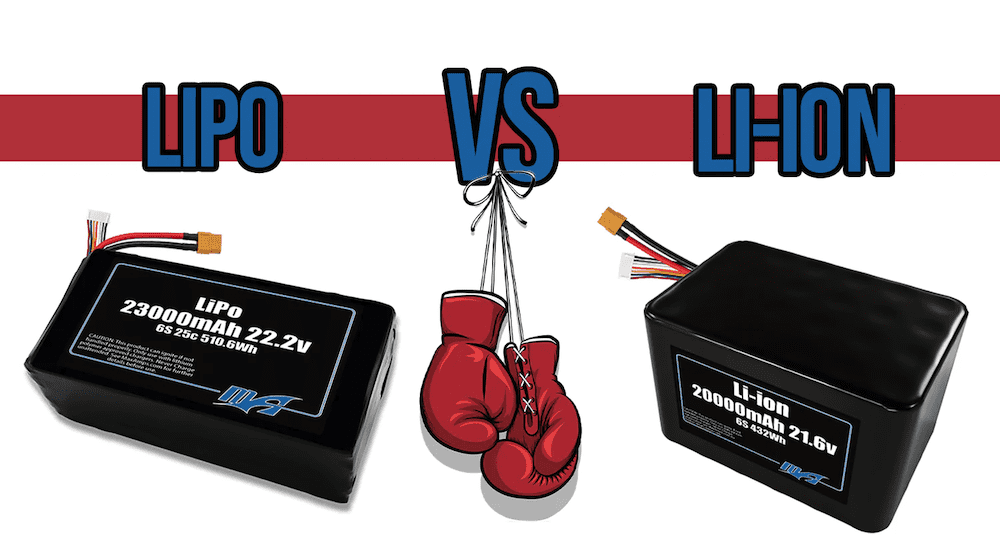
Lithium Polymer (LiPo) batteries have become the industry standard in the RC (Remote Control) hobby because they combine exceptional energy density with a lightweight, low-profile form factor, a combination that earlier NiMH and NiCd packs simply cannot match. From on-road and off-road cars to multirotors, fixed-wing aircraft, and marine applications, LiPo packs deliver the punch needed for extended run times, fast acceleration, and low-center-of-gravity design, allowing every platform to perform at its peak.
At RCBattery.com, we offer a curated selection of LiPo batteries that reflect the latest advancements in cell design and manufacturing. In this comprehensive guide, we will explain the electrochemical principles that govern LiPo performance, outline the benefits that matter to the competitive hobbyist, clarify the key specifications that influence integration, summarize stringent safety measures, and present a systematic approach to choosing the optimal pack for your RC vehicle or aircraft.
Why LiPo Batteries Are the Preferred Choice for RC Models
LiPo technology has become the standard in the RC realm largely due to several performance-driven characteristics:
Outstanding Energy Density
Lithium polymer cells deliver significantly higher watt-hour capacity for a given mass compared to nickel-metal hydride and nickel-cadmium options. This means either longer run times for the same weight or the ability to pack more energy into a given volume. Designers and competition teams alike value this trait when crafting models that must either limit mass or maximize the power-to-weight ratio.
Elevated Discharge Capabilities
The elevated C-ratings of LiPo cells enable them to deliver high current for brief bursts without compromising voltage. This property results in sharp acceleration and aggressive climbs. As a result, they are the go-to choice for RC cars in competition, racing quadcopters, and aerobatic planes that must deliver explosive power throughout entire laps or elaborate aerobatic sequences while maintaining energy for the duration.
Reduced Weight
LiPo batteries generally weigh considerably less than nickel-metal hydride cells of the same capacity. This weight savings directly improves the power-to-weight ratio, a critical parameter in aviation and multirotor design. In these scenarios, each gram removed results in longer flight times and superior climbing ability, translating into better overall performance.
Flexible Form Factors
The flat, flexible configuration of lithium polymer cells enables innovative battery design. RC manufacturers can craft packs that nestle neatly into narrow frames, fuselages, or under-car shells, where cylindrical cells would occupy excessive volume. This design latitude enhances both visual appeal and aerodynamic performance of the aircraft or vehicle.
Higher Charge Rates
LiPo chemistry supports charging currents that exceed those typical of nickel-metal hydride packs, contingent upon wire gauge and environmental conditions. Elevated charge rates substantially reduce sit-at-the-station time, enabling teams to alternate packs rapidly on race days or during extended fun-fly marathons.
Key Specifications of LiPo Batteries
Choosing the appropriate LiPo for an RC application requires a grasp of several pivotal specifications.
Voltage (S-Count)
A LiPo pack consists of individual cells connected in series, with each cell contributing a nominal 3.7 volts. The overall voltage of the assembly is computed as the number of cells multiplied by 3.7 volts, as shown:
1S (1 cell) = 3.7V
2S (2 cells) = 7.4V
3S (3 cells) = 11.1V
and so on.
Increased S-count raises the available voltage and subsequently the power that can be delivered to the motor. This elevation, however, necessitates that the vehicle’s electronic components and charging apparatus are rated for the higher voltage.
**Capacity (mAh, or milliampere-hour)**
Capacity defines the total charge the battery can store, with a higher milliampere-hour (mAh) number translating to a longer operating time. A few examples illustrate the range:
— 2200 mAh is sufficient for small quadcopters or short radio-control runs.
— 5000 mAh or larger suits heavier electric off-road trucks or longer-duration flights.
**Discharge Rate (C-rating)**
The C-rating quantifies the peak current the battery can provide without overheating or significant voltage drop. A higher C number indicates a greater short-term current supply:
— 20C to 50C is typical for recreational uses.
— 50C and above is required for competitive racing or very power-hungry systems.
**Charge Rate (C-charging)**
The charge rate indicates the maximum current the battery can accept, and is usually expressed as 1C. A 5000 mAh cell, for example, can safely take a 5-amp charge. Advanced cells can accept 2C or even 5C, speeding up the charging cycle and minimizing downtime.
**Connector Type**
Common connector systems for LiPo batteries include the following:
— XT60, a universal choice for mid-sized cars and multirotors.
— XT90, engineered for high-current applications and larger vehicles.
— Deans (T-plug), a legacy connector still prevalent in 1:10 and 1:8 scale models.
EC3 and EC5 – Common across fixed-wing aircraft and multirotor platforms.
Confirm the battery connector matches the model’s port for trouble-free installation.
Choosing the Right LiPo Battery for Your RC Model
Selecting the correct LiPo battery for an RC vehicle depends on the specific performance goals of the platform. Key parameters are outlined below:
RC Cars and Trucks
Voltage: A 2S to 4S array (7.4V to 14.8V) serves typical setups; race-oriented applications may use 6S or higher, depending on vehicle class.
Capacity: A range of 3000 to 8000 mAh balances running time and weight.
Discharge Rate: A 50C to 100C rating is recommended for competitive conditions.
Drones (FPV and Racing)
Voltage: Commonly, 4S to 6S (14.8V to 22.2V) matches the performance tier of the quad.
Capacity: Choose 1000 to 3000 mAh; reduced mass is critical to extend flight time.
Discharge Rate: 75C to 120C supports the rapid throttle response typical of aggressive race maneuvers.
RC Airplanes and Helicopters
Voltage: A 3S to 6S set (11.1V to 22.2V) is dictated by motor specifications and the desired thrust curve.
Capacity: Select capacities between 2200 and 6000 mAh aligned with your anticipated flight durations and mission profiles.
Discharge Rate: With ratings spanning 30C to 50C, these packs furnish the sustained power necessary for both aerobatic maneuvers and scale flight demands.
RC Boats
Voltage: Systems may employ 2S to 6S arrangements (7.4V to 22.2V) governed by the hull’s required speed envelope.
Capacity: Options from 4000 mAh to 10,000 mAh accommodate prolonged run times.
Discharge Rate: High-speed hulls generally demand a minimum 50C discharge performance.
At RCBattery.com, we offer a broad catalog of LiPo batteries tailored for all segments of the R/C market.
LiPo Battery Safety Guidelines
LiPo cells possess significant energy density, but prudent handling is essential to ensure safety:
Charge Using LiPo-Specific Gear
Always use a balance charger expressly designed for LiPo cells. Chargers for NiMH or NiCd cells lack balance circuitry and may cause dangerous imbalances
Honor Voltage Limits
Charging must never exceed 4.2V per cell. During discharge, stay above 3.0V per cell; a cutoff of 3.3V provides a prudent safety margin.
Overcharging or excessive deep discharge may cause cell swelling, fire, or permanent failure
Maintain Proper Storage Voltage
For long-term storage of LiPo batteries, adjust each cell voltage to a range of 3.7V to 3.8V. Most modern chargers include a storage function that automatically discharges or charges cells to this ideal range.
Use a Fire-Resistant LiPo Bag
Always charge and store LiPo packs in fireproof LiPo safety bags. These containment bags limit the spread of flames in the unlikely event a cell vents.
Inspect Before Use
Batteries that show puffing, electrolyte leakage, or structural deformation must be recycled immediately. Take such packs to a recognized battery recycling facility to ensure safe and environmentally responsible disposal.
Strategies for Maximizing Cell Life
To extend the lifespan of LiPo batteries, follow these practices:
—Avoid sustained full-throttle operation. Give the pack time to cool between high-current discharges.
—Use balance charging frequently to equalize cell voltages and prevent cell imbalance.
—Store packs in cool, dry locations. Heat and humidity accelerate chemical aging and capacity loss.
Where to Purchase Premium LiPo Batteries
For high-quality LiPo cells that deliver consistent performance, shop at established vendors such as RCBattery.com:
—Our range of high-performance packs covers every RC requirement.
—We keep pricing competitive while upholding stringent quality standards.
—We pledge fast shipping and dedicated customer service.
Conclusion
Contemporary radio-controlled models now rely predominantly on lithium polymer cells, which offer a compelling balance of elevated energy density, rapid discharge rates, and sustained operational endurance. An informed analysis of cell specifications, a careful match to individual vehicle requirements, and strict observance of prescribed safety measures will together optimize both immediate performance and long-term durability.
Ready to advance your RC experience? Explore RCBattery.com for our hand-picked range of premium LiPo cells