What Players Expect From Modern Games Platforms
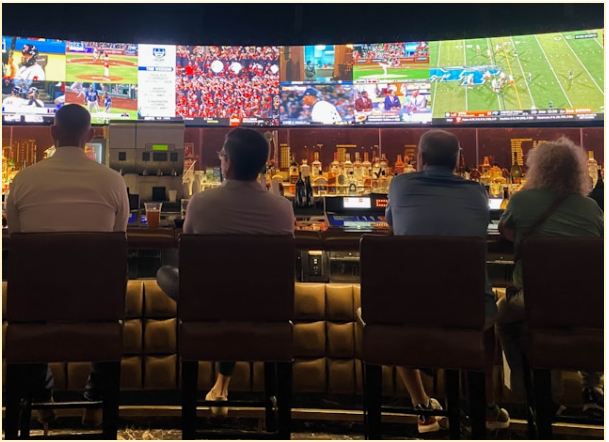
Modern betting platforms are nще judged only by odds or market count. Players compare them to the best digital products they use every day. They expect fast performance, simple navigation, clear information, and a smooth payment experience. If any of those basics fail, trust drops quickly.
Sports bettors also think differently from many other gambling users. A lot of them see betting as part entertainment and part decision-making. They want to feel that research, timing, and market choice still matter. That is why platform design has a direct effect on how confident and comfortable they feel.
Clear Information
Most players want to understand a bet in seconds. They should not have to guess what a market means, where the rules are, or how the payout is calculated. Confusing labels, hidden conditions, and messy bet slips create doubt.
That is why clarity matters so much in practical terms. A strong sportsbook makes market names easy to understand. It clearly shows odds, stake, possible return, and any changes before confirmation. It also explains settlement rules in plain language.
Players usually care most about a few things:
- Whether market names are clear and specific
- Whether the bet slip is easy to review
- Whether rules are easy to find
- Whether prices and payouts update correctly
Speed
Speed matters because betting often happens in the moment. Live betting has raised player expectations even further. When a goal is scored, a point is won, or a match changes direction, users want to react right away. If the app lags, freezes, or rejects a bet after a delay, the player feels that the opportunity was lost.
That frustration is stronger in sports betting than in many other digital products because the timing of the action is part of the value. Players do not only want fast technology. They want confidence that the platform can keep up with the event.
Personalization Should Be Useful
Players generally like personalization when it saves time. They want quicker access to the sports, teams, and markets they actually follow.
Good personalization can include favorite competitions, relevant notifications, recently used markets, and a cleaner home screen shaped by past behavior. That makes the platform feel more helpful without becoming intrusive.
For Romanian players, for example, personalization works best when it is paired with local relevance. That includes familiar payment options, local language support, and market presentation that fits how users in that country actually bet.
Mobile Has to Feel Effortless

Most users now bet on their phones, so mobile design has become the core experience. Players want to move through the app with very little effort. They want to find a match quickly, open the right market, edit the bet slip, and place the bet without unnecessary taps.
Too many banners, promo boxes, and menu layers make the product harder to use. A good mobile sportsbook feels focused. It helps the user act quickly without feeling rushed.
Payments
Nothing damages trust faster than uncertainty around money. If users feel unsure about when they will be paid or why a step is required, the platform starts to feel risky. Fast and clear payment handling often matters more than another bonus campaign.
Players expect practical basics:
- Familiar local payment methods
- Clear withdrawal steps
- Realistic payout times
- Easy access to support when needed
Players Want Features That Support Betting
Extra features still matter, but only when they improve the experience. Bettors usually respond well to tools that help them track activity, find relevant markets, or feel rewarded for regular use. Loyalty systems, simple progress mechanics, and smart alerts can all work well when they support real behavior.
What players do not want is decoration without purpose. Flashy design and constant interruptions rarely build loyalty on their own.