When a Car Crash Turns Into a Fight for Fair Compensation
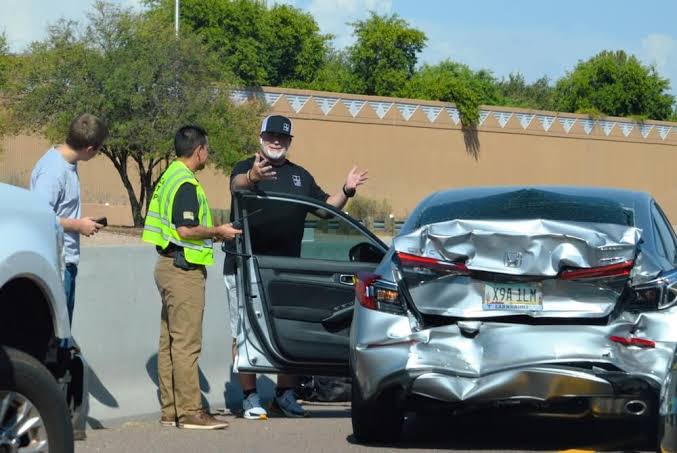
A crash can last seconds, but the problems that follow may continue for months. If you are building a car accident injury claim, the outcome may depend on what you do after the impact, how well you document your losses, and whether the available evidence supports your version of events.
The hardest part is that many people begin the claims process while they are still dealing with pain, missed work, damaged property, and uncertainty about what comes next. Insurance paperwork can feel like another burden when your attention should be on recovery.
Understanding the process can make those decisions easier.
The Crash Scene Is Only the Beginning
Right after a collision, safety comes first. If someone is injured, emergency medical help should be requested. If a vehicle can be moved safely, getting it out of active traffic can reduce the risk of another collision.
The scene can also contain evidence that disappears quickly. Vehicle positions change. Road conditions change. Witnesses leave. Damage gets repaired.
The National Association of Insurance Commissioners recommends collecting information such as the other driver’s details, insurance information, witness contact information, police information, the location and conditions of the crash, and photographs of the scene.
A few clear photographs can later help explain details that are difficult to remember accurately.
Take pictures of:
- Vehicle damage from several angles
- Traffic signs, signals, and road markings
- Skid marks or debris
- Visible injuries, when appropriate
- The surrounding roadway and nearby conditions
Do not put yourself in danger to collect evidence. Safety matters more than a photograph.
Some Injuries Are Not Obvious at First
A person can walk away from a crash believing they are fine and still develop symptoms later. Stress and adrenaline can temporarily mask discomfort. Some injuries may become more noticeable as the body settles after the collision.
That does not mean every delayed symptom is caused by a crash. It does mean new or worsening symptoms should not simply be ignored.
NHTSA advises people involved in crashes to seek medical attention even when they initially think they are not injured.
Medical records can also help create a timeline. They may show when symptoms began, what treatment was recommended, whether follow-up care was needed, and how the injury affected daily activities.
Following medical advice is therefore about more than paperwork. It is part of protecting your health.
Insurance Companies Need Information, Too
After a collision, an insurer may ask for details about what happened, vehicle damage, medical treatment, and other losses. The claims process generally involves reporting the accident, providing supporting documents, and allowing an adjuster to review the loss.
That does not mean every claim is simple.
Insurance policies are contracts, and coverage depends on the terms of the specific policy. Liability coverage, collision coverage, medical payments coverage, and uninsured or underinsured motorist coverage can work differently depending on the policy and applicable law.
This is why assumptions can cause problems.
A driver might assume the other person’s insurance will automatically cover every medical bill. Another person may assume their own policy offers no protection because the other driver was responsible. Neither assumption should be made without reviewing the actual coverage and circumstances.
Keep copies of claim documents and record important conversations with insurers. The NAIC recommends keeping track of communications with an adjuster and asking for written explanations when questions arise about claim decisions.
What Makes an Injury Claim Stronger?
There is no universal formula that guarantees a particular result. Every collision involves different facts, injuries, insurance policies, and legal rules.
Still, a well-supported claim usually starts with organized evidence.
That may include the accident report, photographs, medical records, bills, wage information, repair estimates, witness statements, and correspondence with insurance companies.
The connection between the crash and the losses also matters. A medical bill by itself does not explain everything. Records can help show what treatment was provided and why. Employment records can help document missed work. Repair records can establish property damage.
The goal is to create a clear picture of what happened and what changed afterward.
Do Not Let a Quick Settlement Decide Everything
An early settlement offer can seem attractive, especially when medical bills are arriving and income has been interrupted. But accepting money usually involves agreeing to specific settlement terms.
That decision deserves careful attention.
The NAIC advises consumers not to feel rushed or forced to accept a settlement they are uncomfortable with and notes that consumers can ask insurers to explain claim decisions in writing.
Before accepting an offer, consider whether you understand what it covers and whether important losses have been identified. Future medical care, continuing symptoms, lost income, and other damages may require careful evaluation.
The right approach depends on the facts of the individual case.
When Legal Guidance Can Make Sense
Not every minor collision requires an attorney. Some claims may be resolved directly between the injured person and the insurer.
Legal guidance can become more useful when the facts are disputed, injuries are serious, liability is unclear, multiple parties are involved, or an insurer disputes the value or responsibility for a claim.
An attorney can review the available evidence, explain legal options, communicate with insurers, and determine whether pursuing further action is appropriate.
That does not mean every disputed claim belongs in court. Many injury claims are resolved through negotiation. Litigation is one possible path when a fair resolution cannot otherwise be reached.
The important point is to understand your options before making a decision that cannot easily be undone.
Keep Your Own Record From Day One
One of the simplest steps after a crash is also one of the most useful: keep a file.
Save medical records, receipts, insurance letters, photographs, repair estimates, employment records, and notes about conversations related to the accident.
A simple timeline can help, too. Write down the date of the crash, medical appointments, changes in symptoms, missed work, major expenses, and important communications.
Memory becomes less precise with time. Written records give you something concrete to check.
If an insurer delays or denies a claim, your state insurance department may also provide consumer assistance. State insurance departments can help with insurance questions and complaints involving issues such as unfair delays or denials, although they do not act as personal legal counsel.
The Real Value of Preparation
A car accident claim is not simply a request for money. It is an attempt to establish what happened, who may be responsible, what injuries or losses followed, and what insurance or legal remedies may apply.
That process is easier when the evidence is preserved early.
Start with safety. Get appropriate medical care. Document the scene when it is safe. Notify the relevant insurers. Keep records. Read settlement documents carefully. And when the situation becomes complicated, consider getting advice from a qualified legal professional.
The crash may have happened in a moment, but your response does not have to be rushed.
Good documentation gives the facts room to speak for themselves, while informed decisions can help protect your interests throughout the claims process.