When Is the Next Full Moon Worldwide? 2026
When is the next full moon is a question asked by millions of stargazers, astronomers, spiritual practitioners, and nature enthusiasts worldwide.
The next full moon is the Worm Moon, occurring on Tuesday, March 3, 2026, at 6:38 AM EST (11:38 AM GMT). This particular full moon is extra special as it will coincide with a total lunar eclipse, creating a spectacular Blood Moon visible across large parts of the world including North America, Asia, Australia, and New Zealand.
This comprehensive guide provides exact dates, times, names, and viewing information for all 13 full moons in 2026, along with insights into lunar phases, supermoons, blue moons, and the science behind Earth’s celestial companion.
Complete Full Moon Calendar for 2026
The year 2026 features 13 full moons instead of the typical 12. This rare occurrence happens when two full moons fall within the same calendar month.
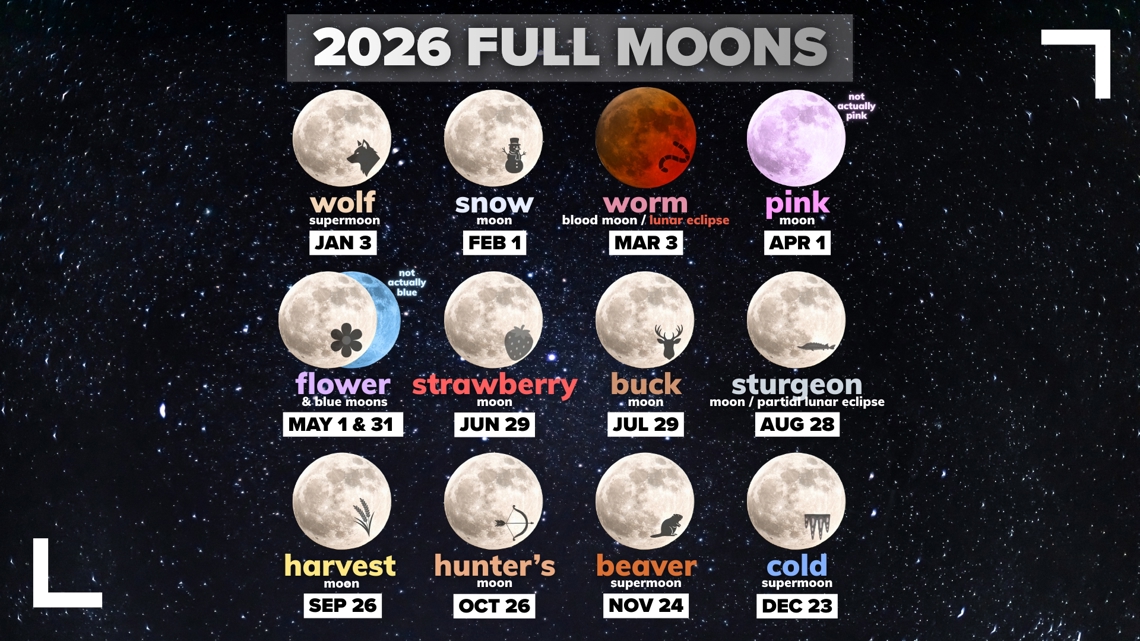
Here are all the full moon dates and times for 2026 (times shown in EST):
January 3 – Wolf Moon at 6:04 PM EST February 1 – Snow Moon at 8:09 PM EST March 3 – Worm Moon at 6:38 AM EST (Total Lunar Eclipse) April 2 – Pink Moon at 2:13 PM EST May 1 – Flower Moon at 9:23 PM EST May 31 – Blue Moon at 3:45 AM EST June 29 – Strawberry Moon at 9:58 AM EST July 29 – Buck Moon at 4:35 AM EST August 28 – Sturgeon Moon at 12:18 AM EST (Partial Lunar Eclipse) September 26 – Harvest Moon at 12:49 PM EST October 26 – Hunter’s Moon at 12:11 AM EST November 24 – Beaver Supermoon at 9:53 AM EST December 24 – Cold Supermoon at 8:28 PM EST
Understanding the Full Moon Phenomenon
A full moon occurs when Earth is positioned precisely between the sun and the moon. This alignment allows sunlight to fully illuminate the moon’s Earth-facing side.
The entire visible surface appears as a bright, round disk in the night sky. This celestial event happens approximately every 29.5 days during the lunar cycle.
The moon produces no light of its own. What we see is reflected sunlight bouncing off the lunar surface back to Earth.
The Lunar Cycle Explained
The lunar cycle, also called a synodic month, lasts 29 days, 12 hours, 44 minutes, and 3 seconds. This represents the time between successive full moons.
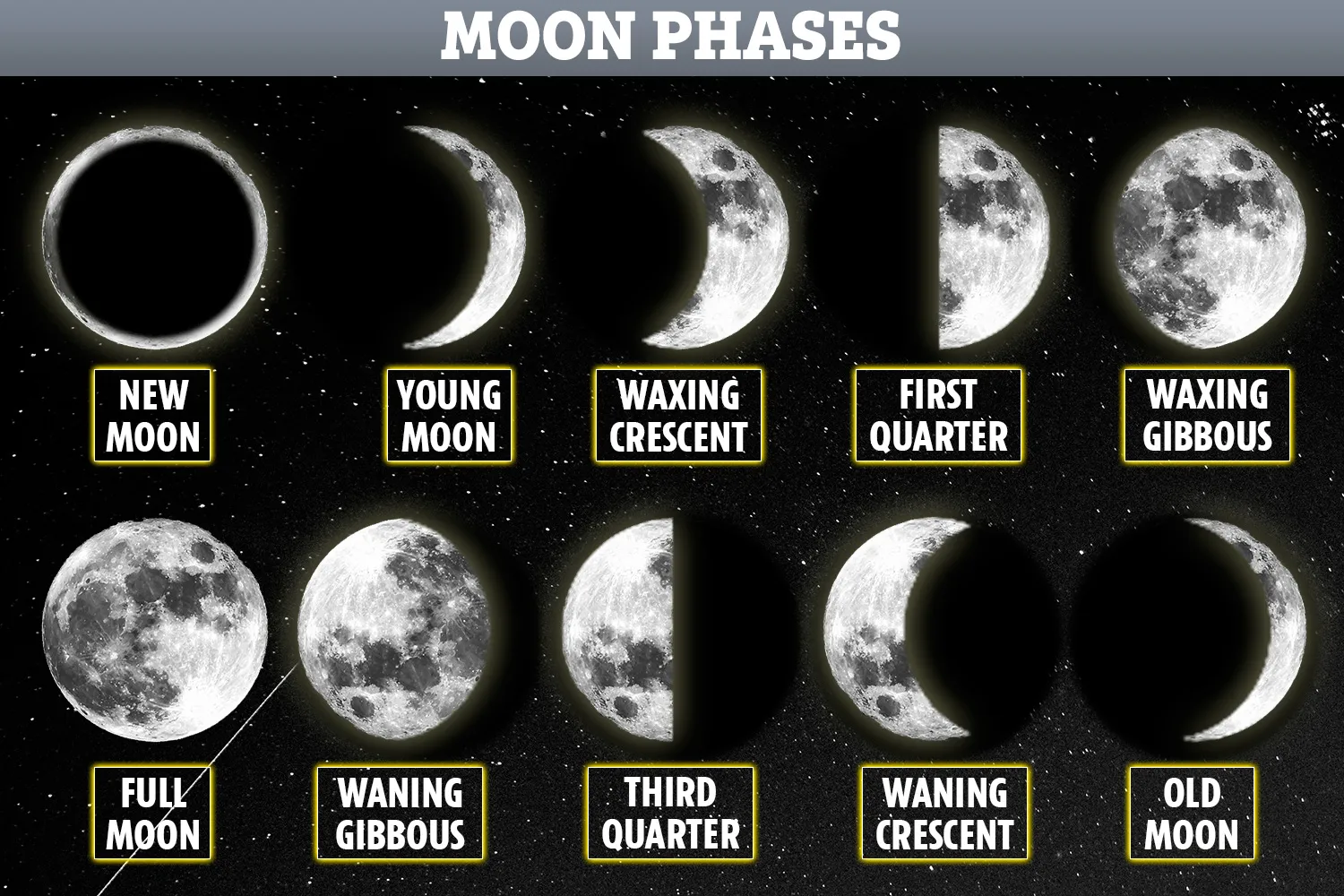
During this cycle, the moon passes through eight distinct phases. These include new moon, waxing crescent, first quarter, waxing gibbous, full moon, waning gibbous, last quarter, and waning crescent.
Each phase results from the moon’s changing position relative to Earth and the sun. As the moon orbits Earth, different portions of its sunlit surface become visible from our planet.
Why the Full Moon Appears Full for Three Days
Though the exact moment of full moon lasts only an instant, the moon appears full to the naked eye for approximately three days. This happens because the illumination change is gradual.
The human eye cannot detect the subtle decrease in illumination during this period. The moon remains visibly “full” the night before, the night of, and the night after the exact full moon moment.
Professional astronomers can pinpoint the precise second of full moon. For casual observers, the three-day window provides ample opportunity for moon viewing regardless of weather conditions.
Next Full Moon: The Worm Moon (March 3, 2026)
The Worm Moon will reach peak illumination on Tuesday, March 3, 2026, at 6:38 AM Eastern Standard Time. This translates to 11:38 AM Greenwich Mean Time.
This full moon derives its name from Native American traditions. As temperatures warm in March, earthworm casts begin appearing in newly thawed ground.
The Worm Moon also signals the arrival of spring in the Northern Hemisphere. Robins and other birds return to feast on the emerging earthworms.
Total Lunar Eclipse During Worm Moon
The March 3, 2026 Worm Moon will feature a total lunar eclipse, creating a dramatic Blood Moon. The moon will pass completely through Earth’s shadow during this event.
Totality will last from 11:04 GMT to 12:02 GMT, approximately 58 minutes. During this time, the moon will glow deep red or copper-colored.
This reddish hue results from sunlight filtering through Earth’s atmosphere. The atmosphere bends (refracts) red wavelengths of light onto the moon’s surface while scattering blue wavelengths.
Global Visibility of March Eclipse
The total lunar eclipse will be visible across vast regions of the world. North America will have excellent viewing opportunities, particularly the western United States and Canada.
The Asia-Pacific region, including Australia, New Zealand, Japan, and China, will also see the entire eclipse. Parts of South America will catch the event during moonset.
Europe and Africa will miss this particular eclipse. Their position on Earth places them on the daylight side during the event.
Traditional Full Moon Names Throughout 2026
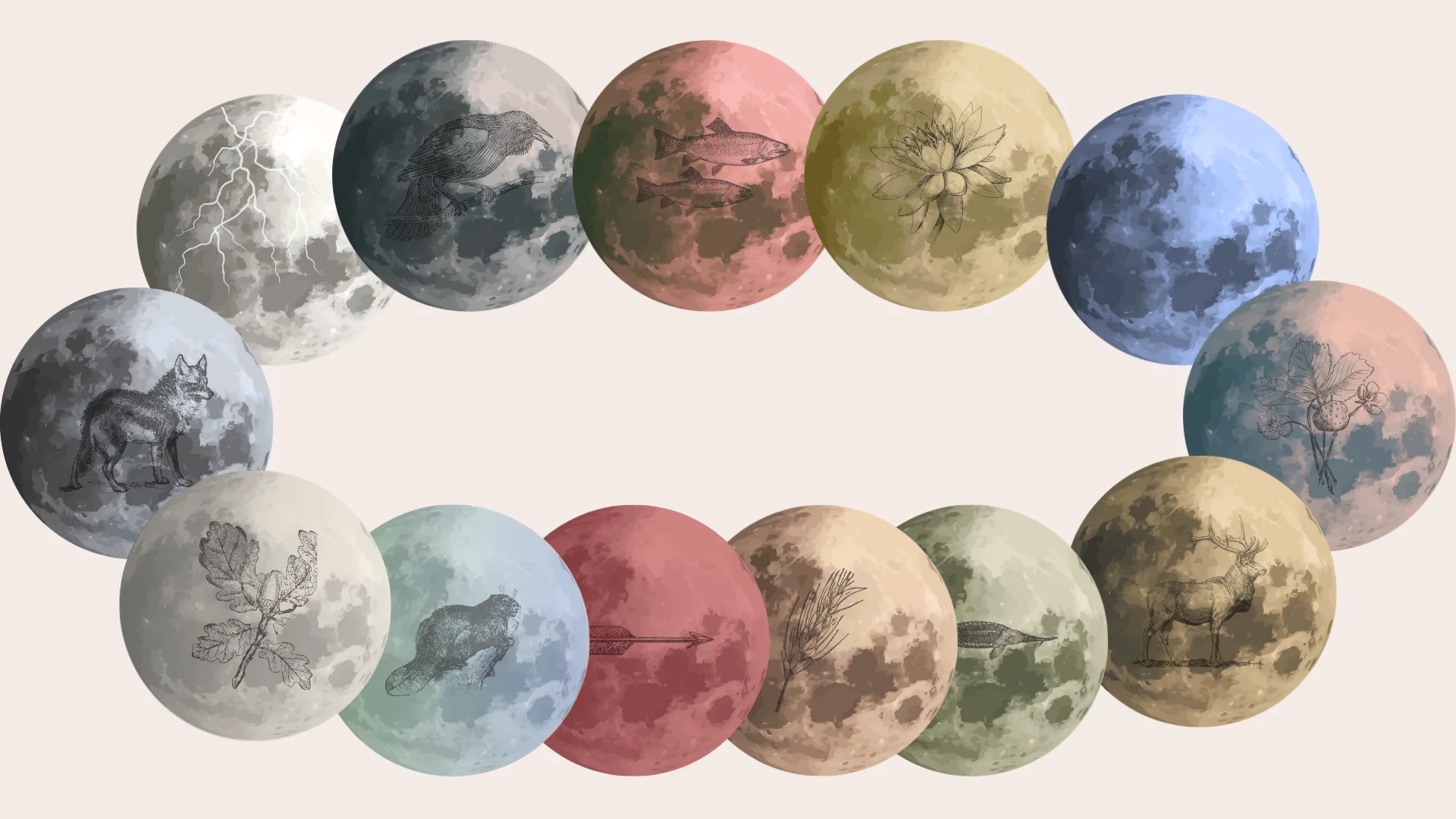
Each month’s full moon carries traditional names passed down through generations. These names originate primarily from Native American, Colonial American, and European sources.
The names reflect seasonal changes, weather patterns, and natural phenomena. They helped ancient peoples track time and anticipate seasonal transitions before modern calendars existed.
Different cultures developed unique naming systems. However, many names share common themes related to agriculture, hunting, and nature observations.
January – Wolf Moon
The Wolf Moon earned its name from hungry wolf packs howling outside villages during the deep winter. Food scarcity drove wolves closer to human settlements.
January represents the coldest, harshest month in many Northern Hemisphere regions. The name reminds us to seek warmth, community, and inner strength during dark times.
Alternative names include Old Moon, Ice Moon, and Moon After Yule. Each reflects the winter conditions characteristic of this time.
February – Snow Moon
The Snow Moon acknowledges February’s typically heavy snowfall across North America. Historically, this month brought the deepest, most challenging winter weather.
Native American tribes also called it the Hunger Moon. Hunting became extremely difficult during harsh February conditions, leading to food shortages.
Other names include Storm Moon, Chaste Moon, and Candles Moon. These alternatives emphasize winter’s intensity and the approaching spring.
March – Worm Moon
The Worm Moon marks when earthworm casts reappear on the ground surface as soil begins thawing. This signals the return of robins and the approach of spring.
Alternative names include Crow Moon, Crust Moon, Sap Moon, and Lenten Moon. Each relates to late winter and early spring natural events.
Some cultures call it the Death Moon, representing winter’s end and the rebirth of spring. It symbolizes transformation and renewal.
April – Pink Moon
The Pink Moon name comes from pink phlox flowers, one of spring’s earliest widespread blooms. Despite the name, the moon doesn’t appear pink.
This full moon coincides with peak spring renewal across the Northern Hemisphere. Trees bud, flowers bloom, and animals emerge from hibernation.
Alternative names include Sprouting Grass Moon, Egg Moon, and Fish Moon. These emphasize the abundance of new life during April.
May – Flower Moon
The Flower Moon celebrates May’s explosive flower blooms across temperate regions. Wildflowers carpet meadows and hillsides during this abundant month.
This full moon marks the transition from spring toward summer. Days lengthen significantly, and temperatures warm substantially.
Other names include Corn Planting Moon, Milk Moon, and Hare Moon. These reflect agricultural activities and wildlife behavior in May.
May 31 – Blue Moon
The second May full moon on May 31, 2026 qualifies as a Blue Moon. This represents a calendrical Blue Moon, the second full moon within a single calendar month.
Blue Moons occur roughly every 2.5 years when the lunar cycle alignment permits two full moons in one month. Despite the name, the moon doesn’t appear blue.
The phrase “once in a blue moon” reflects this rarity. The event has become culturally significant despite being simply a calendrical quirk.
June – Strawberry Moon
The Strawberry Moon marks the peak strawberry harvest season in northeastern North America. Wild strawberries ripen during this period, creating abundant foraging opportunities.
This full moon coincides with the summer solstice, the longest day of the year. It appears low in the sky for Northern Hemisphere observers.
Europeans call it the Rose Moon or Honey Moon. “Honeymoon” may derive from this sweet, romantic time of year.
July – Buck Moon
The Buck Moon name comes from young buck deer growing their new antlers. July marks the period when antlers begin their visible growth.
This midsummer full moon appears during the hottest part of the year. Thunder Moon is an alternative name reflecting frequent summer thunderstorms.
Other names include Hay Moon and Wort Moon. These reference agricultural activities and medicinal plant harvesting during July.
August – Sturgeon Moon
The Sturgeon Moon acknowledges when sturgeon fish were most easily caught in the Great Lakes and other waterways. These large fish became abundant in August.
This late summer full moon also goes by Grain Moon or Corn Moon. These names reflect the approaching harvest season for important crops.
Native American fishing tribes particularly used this lunar marker. It signaled optimal fishing times for winter food preservation.
September – Harvest Moon
The Harvest Moon is the full moon nearest the autumn equinox. It rises around sunset for several consecutive nights, providing extended evening light.
This extra illumination historically helped farmers harvest crops late into the evening. The name directly reflects this agricultural importance.
The Harvest Moon doesn’t always fall in September. When the autumn equinox occurs early in September, the Harvest Moon may appear in October.
October – Hunter’s Moon
The Hunter’s Moon follows the Harvest Moon and provided light for hunting and field preparation. Freshly harvested fields made spotting animals easier.
Game animals fatten during autumn, making October ideal for hunting. Preparing meat for winter storage was essential for survival.
Alternative names include Travel Moon and Dying Grass Moon. These reference animal migration patterns and autumn’s withering vegetation.
November – Beaver Moon
The Beaver Moon name comes from when beavers finish building their winter dams and lodges. It also marked when trappers set beaver traps.
Native Americans and colonists relied on beaver pelts for warm winter clothing. November was the last month for trapping before waters froze.
The 2026 Beaver Moon is also a supermoon, appearing larger and brighter than typical full moons.
December – Cold Moon
The Cold Moon reflects the arrival of deep winter cold and long nights. December brings the winter solstice, the year’s longest night.
This full moon appears high in the sky, taking a path similar to the summer sun. It remains visible for extended hours during long winter nights.
The December 24, 2026 Cold Moon is the year’s largest supermoon, occurring on Christmas Eve. This creates a rare and spectacular holiday sight.
Supermoons in 2026: Bigger and Brighter
A supermoon occurs when a full moon coincides with the moon’s closest approach to Earth, called perigee. This makes the moon appear up to 14% larger and 30% brighter than at its farthest point.
The term “supermoon” was coined by astrologer Richard Nolle in 1979. While not an official astronomical term, it has gained widespread popular usage.
The size difference is often subtle to casual observers. However, supermoons do appear noticeably brighter, especially when rising or setting near the horizon.
November 24 Beaver Supermoon
The November 24 Beaver Supermoon will reach peak illumination at 9:53 AM EST. This represents the second of three consecutive supermoons in late 2026.
The moon will be approximately 226,000 miles from Earth. This close approach creates the enhanced size and brightness characteristic of supermoons.
The Beaver Supermoon provides excellent opportunities for moon photography. The extra brightness reveals more lunar surface details than typical full moons.
December 24 Cold Supermoon
The December 24 Cold Supermoon will be 2026’s largest and brightest full moon. It peaks at 8:28 PM EST on Christmas Eve.
At its closest point, the moon will appear 8% larger and 16% brighter than an average full moon. While subtle, the size difference becomes noticeable when compared side-by-side.
This rare Christmas Eve supermoon won’t recur until 2045. The combination of holiday timing and astronomical significance makes it truly special.
Supermoon Viewing Tips
Supermoons appear most impressive when near the horizon during moonrise or moonset. An optical illusion called the “moon illusion” makes them seem even larger.
This illusion occurs because our brain compares the moon to foreground objects. Trees, buildings, and mountains provide size reference, making the moon appear enormous.
For best results, check local moonrise and moonset times. Position yourself where the rising or setting moon aligns with interesting foreground elements.
Micromoons: When the Full Moon Appears Smallest
A micromoon is the opposite of a supermoon. It occurs when a full moon coincides with apogee, the moon’s farthest point from Earth.
During micromoons, the moon appears approximately 14% smaller and 30% dimmer than supermoons. The difference is barely noticeable without direct comparison.
The year 2026 includes three micromoons: April 2, May 1, and June 29. These represent periods when the full moon appears at its smallest.
Why Micromoons Matter
While less dramatic than supermoons, micromoons still provide valuable observing opportunities. They offer a chance to compare lunar size variation across the year.
The varying Earth-moon distance affects tides. Micromoons produce slightly weaker tides compared to supermoons, though the difference is minimal.
Astrophotographers can capture the size difference by photographing supermoons and micromoons with identical equipment and settings. The comparison reveals the moon’s orbital eccentricity.
Blue Moon: May 31, 2026
The May 31, 2026 Blue Moon represents a calendrical Blue Moon. This occurs because May has two full moons: May 1 and May 31.
Blue Moons happen roughly every 2.5 years when lunar cycle timing permits. The 29.5-day lunar cycle occasionally produces 13 full moons annually instead of 12.
Despite the name, Blue Moons don’t appear blue. The name comes from the phrase “once in a blue moon,” meaning rare or unusual.
Seasonal vs. Calendrical Blue Moons
Two Blue Moon definitions exist. Calendrical Blue Moons are the second full moon in one calendar month.
Seasonal Blue Moons are the third full moon in an astronomical season containing four full moons. Astronomical seasons run from equinox to solstice.
The calendrical definition has become more popular since a 1946 Sky & Telescope article popularized it. Both definitions remain in use today.
Blue Moon Cultural Significance
Blue Moons hold special significance in various spiritual and cultural traditions. Many consider them powerful times for manifestation and letting go.
The rarity creates a sense of importance. People often plan special rituals, ceremonies, or observances around Blue Moons.
Astrologically, Blue Moons are thought to amplify the moon’s influence. Different zodiac signs hosting the Blue Moon add layers of interpretive meaning.
Lunar Eclipses in 2026
Lunar eclipses occur when Earth passes between the sun and moon, casting a shadow on the lunar surface. They can only happen during full moons.
The year 2026 features two lunar eclipses: a total lunar eclipse in March and a partial lunar eclipse in August.
Lunar eclipses are safe to view with the naked eye, unlike solar eclipses. No special equipment is needed, though binoculars enhance the experience.
March 3 Total Lunar Eclipse (Blood Moon)
The March 3 total lunar eclipse will transform the Worm Moon into a Blood Moon. Totality lasts approximately 58 minutes.
During totality, the moon glows deep red, orange, or copper-colored. This occurs because Earth’s atmosphere filters and refracts sunlight onto the moon.
Blue wavelengths scatter away while red wavelengths bend around Earth. The same process creates red sunrises and sunsets.
August 28 Partial Lunar Eclipse
The August 28 Sturgeon Moon features a partial lunar eclipse. Only part of the moon passes through Earth’s darkest shadow (umbra).
Partial eclipses are less dramatic than total eclipses. However, they still create interesting shadow patterns crossing the lunar surface.
The eclipse will be visible from parts of the Americas, Europe, Africa, and western Asia. Exact visibility depends on local moonrise and moonset times.
Viewing Lunar Eclipses Safely
Lunar eclipses require no protective equipment. The moon reflects sunlight but doesn’t produce harmful radiation.
For best viewing, find locations with clear horizon views. Light pollution matters less for eclipses than general moon viewing.
Binoculars or telescopes reveal surface details and color variations during totality. However, the naked eye captures the overall spectacle perfectly well.
Moon Phases: Understanding the Lunar Cycle
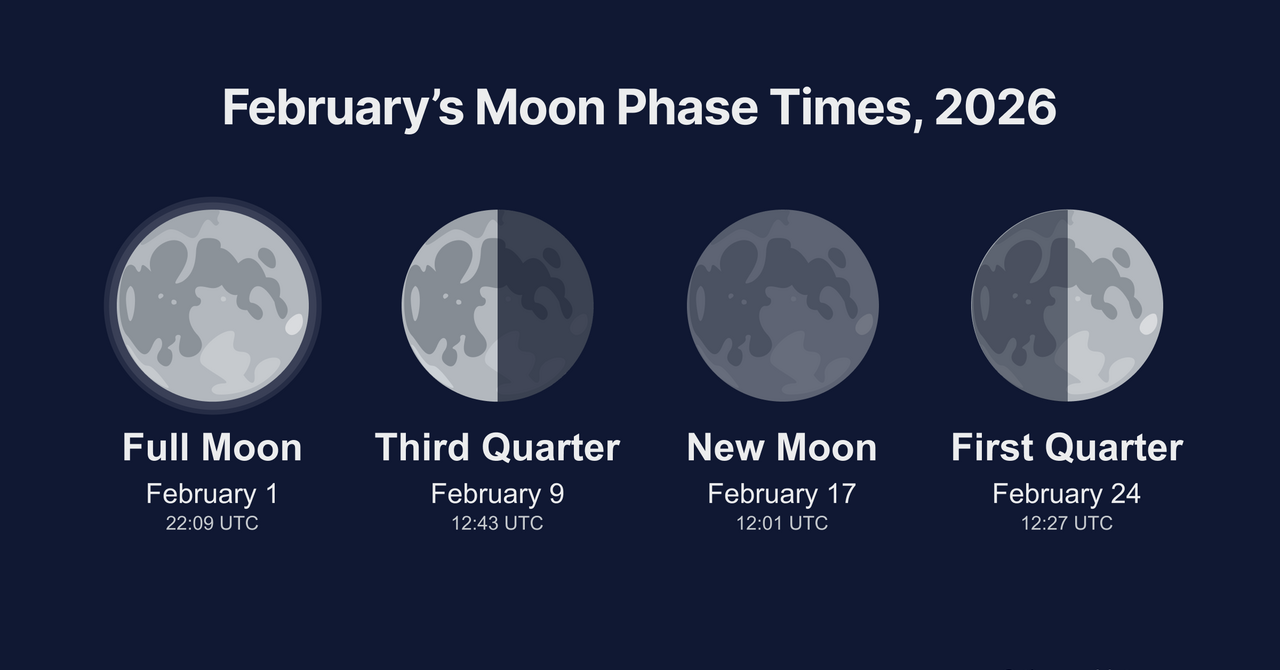
The moon cycles through eight distinct phases during each 29.5-day orbit. These phases result from changing sun-moon-Earth geometry.
As the moon orbits Earth, we see varying amounts of its sunlit surface. This creates the familiar progression from new moon through full moon and back.
Understanding moon phases helps predict lunar visibility, tides, and optimal viewing times. Ancient civilizations used lunar phases as calendars and agricultural guides.
New Moon Phase
During new moon, the moon sits between Earth and the sun. Its sunlit side faces away from Earth, making it invisible.
New moons occur approximately every 29.5 days. They mark the beginning of each lunar cycle.
Solar eclipses can only occur during new moons. However, most new moons pass above or below the sun from Earth’s perspective.
Waxing Crescent Phase
Following new moon, a thin crescent appears in the western sky after sunset. This waxing (growing) crescent increases nightly.
The crescent’s “horns” always point away from the sun. This helps observers determine whether the moon is waxing or waning.
Waxing crescent moons set a few hours after sunset. They’re visible primarily in evening twilight.
First Quarter Phase
First quarter moon occurs when the moon completes one-quarter of its orbit. Half the moon’s disk appears illuminated.
The term “quarter” refers to orbital position, not appearance. The moon looks half-lit, leading some to call it “half moon.”
First quarter moons rise around noon and set around midnight. They’re prominent in afternoon and evening skies.
Waxing Gibbous Phase
“Gibbous” means hump-shaped or convex. Waxing gibbous describes the phase between first quarter and full moon.
More than half the disk appears illuminated, and the illuminated portion grows daily. This phase lasts approximately one week.
Waxing gibbous moons dominate evening skies. They rise during afternoon and set after midnight.
Full Moon Phase
At full moon, Earth sits between sun and moon. The entire Earth-facing side receives sunlight, appearing fully circular.
Full moons rise around sunset and set around sunrise. They remain visible throughout the night.
Lunar eclipses occur during full moons when Earth’s shadow falls on the lunar surface. However, most full moons miss Earth’s shadow.
Waning Gibbous Phase
After full moon, the illuminated portion begins shrinking (waning). Waning gibbous describes the phase between full moon and last quarter.
More than half the disk remains illuminated, but less each night. The phase lasts roughly one week.
Waning gibbous moons rise after sunset and remain visible into morning hours. They’re prominent in late-night and early-morning skies.
Last Quarter Phase
Last quarter moon occurs three-quarters through the orbital cycle. Again, half the disk appears illuminated.
Last quarter moons rise around midnight and set around noon. They dominate pre-dawn and morning skies.
The illuminated half faces opposite the first quarter moon’s illuminated side. This creates mirror-image appearances.
Waning Crescent Phase
The final phase before new moon shows a shrinking crescent. Each night, less crescent remains visible.
Waning crescents rise a few hours before sunrise. They appear in eastern pre-dawn skies.
The crescent’s horns point away from the sun, just as during waxing crescent. However, the orientation appears different due to viewing time.
The Moon’s Influence on Earth’s Tides
The moon’s gravitational pull creates tides in Earth’s oceans. Water on the side facing the moon bulges toward it.
Simultaneously, water on Earth’s opposite side bulges away due to inertia. This creates two tidal bulges as Earth rotates.
Most coastal locations experience two high tides and two low tides daily. The moon’s position relative to the sun affects tide strength.
Spring Tides During Full and New Moons
During full and new moons, the sun, Earth, and moon align. Their combined gravitational pull creates the highest high tides and lowest low tides.
These “spring tides” have nothing to do with the spring season. The name derives from the German word “springen,” meaning to leap or jump.
Spring tides occur twice monthly. They create particularly strong tidal flows, important for marine navigation and coastal planning.
Neap Tides During Quarter Moons
During first and last quarter moons, the sun and moon form right angles relative to Earth. Their gravitational pulls partially cancel out.
This creates “neap tides” with minimal tidal range. High tides are lower than average, and low tides are higher than average.
Neap tides also occur twice monthly. They alternate with spring tides throughout the lunar cycle.
Cultural and Spiritual Significance of Full Moons
Full moons hold deep significance across cultures worldwide. Many ancient civilizations structured calendars and religious observances around lunar cycles.
The moon influenced agricultural activities, hunting schedules, and seasonal celebrations. Its reliable cycling provided structure in pre-industrial societies.
Modern spiritual practices continue honoring full moons. Many traditions consider them powerful times for reflection, release, and manifestation.
Full Moons in Different Cultures
Chinese culture celebrates the Mid-Autumn Festival during the Harvest Moon. Families gather to appreciate the moon and share mooncakes.
Hindu traditions observe Purnima, the full moon day, as sacred. Different full moons host various festivals including Holi and Buddha Purnima.
Islamic calendars are strictly lunar. Religious observances including Ramadan and Eid follow moon phases precisely.
Modern Spiritual Practices
Contemporary spiritual practitioners often perform full moon rituals. Common practices include meditation, crystal charging, and releasing ceremonies.
Many believe full moons amplify energy and emotions. This makes them ideal for setting intentions and manifesting desires.
Some practitioners avoid making major decisions during full moons. They associate this phase with heightened emotions that might cloud judgment.
Full Moon and Human Behavior
The word “lunatic” derives from “luna,” Latin for moon. Ancient peoples believed full moons affected mental health and behavior.
Modern scientific studies find minimal evidence for “lunar effect” on human behavior. Hospital admissions, crime rates, and birth rates show no consistent correlation.
However, full moons do affect sleep. Studies show people sleep slightly less and less deeply around full moons, possibly due to increased nighttime brightness.
Photographing the Full Moon in 2026
Full moons provide excellent photography opportunities. Their brightness and detail make them accessible subjects even with basic equipment.
Successful moon photography requires understanding exposure, timing, and composition. The moon’s brightness often surprises photographers, leading to overexposure.
Modern smartphone cameras can capture decent moon images. However, dedicated cameras with telephoto lenses produce superior results.
Camera Settings for Moon Photography
Use manual mode to control exposure. Start with ISO 100-200, f/8-f/11 aperture, and 1/125-1/250 second shutter speed.
The “Looney 11” rule suggests setting aperture to f/11 and shutter speed to the reciprocal of ISO. For ISO 100, use 1/100 second.
Take test shots and adjust settings. The moon is much brighter than surrounding sky, requiring exposure for the moon specifically.
Timing and Composition
Shoot during moonrise or moonset for dramatic compositions. The moon appears largest near the horizon due to the moon illusion.
Include foreground elements like buildings, trees, or mountains. This provides scale and visual interest beyond just the lunar disk.
Use weather apps and planetarium software to predict exact moonrise times and positions. Scout locations beforehand to find optimal vantage points.
Equipment Recommendations
Telephoto lenses (200mm or longer) capture lunar detail effectively. Focal lengths of 300-600mm produce impressive close-ups.
Use a sturdy tripod to eliminate camera shake. Even subtle movement blurs lunar details during longer exposures.
Remote shutter releases or camera timers prevent pressing-related vibrations. For ultimate sharpness, enable mirror lock-up if available.
Observing the Moon: Best Practices
Moon observation requires minimal equipment but benefits from proper techniques. Clear skies and avoiding light pollution improve viewing experiences.
The full moon paradoxically isn’t ideal for telescopic observation. Full illumination eliminates shadows that reveal surface features.
Partial phases create shadows along the terminator (day-night boundary). This enhances craters, mountains, and other topographical features.
When to Observe the Moon
The best lunar observing occurs during quarter moons. The terminator’s shadows create dramatic surface relief.
Full moons wash out subtle details with flat, shadowless illumination. However, they reveal brightness variations across maria (dark plains) and highlands.
Observe regularly throughout the month. Watch the terminator sweep across the surface, revealing different features nightly.
Using Binoculars and Telescopes
Even 7×50 binoculars reveal major lunar features. Craters, maria, and mountain ranges become clearly visible.
Small telescopes (3-4 inches) show remarkable detail. Larger instruments reveal thousands of craters and intricate surface features.
Use low magnification initially to locate features. Higher magnification reveals finer details but narrows the field of view.
Lunar Features to Observe
The dark maria (seas) are ancient lava flows. They appear darker because basalt rock reflects less light than the surrounding highlands.
Large craters like Tycho, Copernicus, and Aristarchus are prominent landmarks. Each has unique characteristics visible through modest telescopes.
Mountain ranges including the Alps, Apennines, and Carpathians create dramatic shadows. The terminator crossing these features reveals impressive relief.
Moon Myths and Misconceptions
Many moon-related myths persist despite scientific understanding. Separating fact from fiction enhances appreciation of Earth’s natural satellite.
The moon doesn’t make people “crazy,” despite persistent belief. The term “lunacy” reflects ancient superstition, not scientific evidence.
Understanding actual lunar effects helps distinguish real phenomena from folklore and misconception.
The Moon and Weather
Full moons don’t cause bad weather. This myth likely stems from increased nighttime visibility during full moons.
Weather becomes more noticeable under bright moonlight. People attribute this to the moon rather than coincidence and observation bias.
The moon affects ocean tides, not atmospheric conditions. Weather systems operate independently of lunar phases.
Moon Phase and Planting
Gardening by moon phases has ancient roots but lacks scientific support. Controlled studies find no planting advantage based on lunar cycles.
However, the moon does provide practical benefits. Full moons offer natural light for evening garden work.
Monthly lunar cycles can help structure planting schedules. The symbolic aspects may benefit gardeners even without direct physical influence.
The “Dark Side” of the Moon
The moon doesn’t have a permanently dark side. All lunar surfaces receive sunlight during the 29.5-day cycle.
The “far side” remains hidden from Earth due to tidal locking. The moon’s rotation period equals its orbital period around Earth.
This synchronous rotation keeps one face perpetually toward Earth. The far side, not dark side, faces away from our planet.
Full Moon Viewing Worldwide in 2026
Full moon viewing times vary by location. Time zone differences mean the same full moon peaks at different local times globally.
Eastern hemisphere locations often see full moons on calendar dates different from the Western hemisphere. Time zone math causes this apparent discrepancy.
The moon’s appearance remains consistent worldwide. However, local horizon positions and viewing angles vary with latitude and longitude.
Time Zone Considerations
UTC (Universal Time Coordinated) provides the standard reference. Full moon times are often listed in UTC for global clarity.
Convert UTC to your local time zone for accurate local peak times. Online converters and astronomy apps handle this automatically.
The moon appears full for approximately three days. Small timing differences between time zones don’t significantly affect casual viewing.
Latitude Effects on Moon Position
Tropical locations see the moon nearly overhead during certain seasons. The moon’s path crosses high in tropical skies.
High-latitude locations see the moon follow low arcs across the sky. During summer, the full moon barely rises above the southern horizon.
In winter, high-latitude locations see the full moon take high paths similar to summer sun paths. This creates extended visibility periods.
Southern Hemisphere Perspective
Southern hemisphere observers see the same moon phases simultaneously with northern observers. However, the moon’s orientation appears inverted.
What appears as the “top” in the northern hemisphere appears as the “bottom” in the southern hemisphere. Lunar maria form different recognizable patterns.
Phase timing remains identical. A full moon occurs simultaneously worldwide, though local times differ due to time zones.
Frequently Asked Questions (FAQs)
When is the next full moon in 2026?
The next full moon is the Worm Moon on Tuesday, March 3, 2026, at 6:38 AM EST (11:38 AM GMT). This full moon coincides with a total lunar eclipse creating a spectacular Blood Moon.
How many full moons occur in 2026?
There are 13 full moons in 2026 instead of the typical 12. This happens because May has two full moons (May 1 and May 31), with the second being a Blue Moon.
What is a supermoon and when do they occur in 2026?
A supermoon occurs when a full moon coincides with the moon’s closest approach to Earth (perigee), appearing up to 14% larger and 30% brighter. The 2026 supermoons are November 24 (Beaver Moon) and December 24 (Cold Moon).
Why is it called a Blood Moon?
A Blood Moon refers to the moon’s reddish appearance during a total lunar eclipse. Earth’s atmosphere filters sunlight, scattering blue wavelengths while refracting red wavelengths onto the moon’s surface, creating the distinctive copper-red glow.
What is a Blue Moon and when does it happen in 2026?
A Blue Moon is the second full moon within a single calendar month, occurring approximately every 2.5 years. The 2026 Blue Moon happens on May 31, following the May 1 Flower Moon.
Can I see the full moon from anywhere on Earth?
Yes, full moons are visible from anywhere on Earth’s night side. However, exact viewing times vary by location and time zone. The moon appears full for approximately three days, providing multiple viewing opportunities.
How does the full moon affect ocean tides?
Full moons create “spring tides” – the highest high tides and lowest low tides. The sun, Earth, and moon align during full moons, combining their gravitational pulls to create stronger-than-average tidal ranges.
Do I need special equipment to view the full moon?
No special equipment is needed to enjoy the full moon. However, binoculars (7×50 or larger) and telescopes reveal surface features like craters, maria, and mountain ranges invisible to the naked eye.
Why do full moons have different names each month?
Traditional full moon names originated from Native American, Colonial American, and European sources. Names reflect seasonal changes, weather patterns, and natural phenomena, helping ancient peoples track time and anticipate seasonal transitions before modern calendars.
How long does a full moon last?
The precise moment of full moon lasts only an instant when the moon reaches 100% illumination. However, the moon appears full to the naked eye for approximately three days – the night before, the night of, and the night after peak illumination.
Conclusion
When is the next full moon remains one of astronomy’s most frequently asked questions, reflecting humanity’s enduring fascination with Earth’s celestial companion.
The next full moon, the Worm Moon on March 3, 2026, at 6:38 AM EST, offers particularly spectacular viewing as it coincides with a total lunar eclipse visible across North America, Asia, Australia, and New Zealand.
The year 2026 delivers 13 full moons including the rare May 31 Blue Moon, three stunning supermoons in late autumn and winter, and two lunar eclipses that transform ordinary full moons into dramatic Blood Moons.
Each monthly full moon carries traditional names reflecting seasonal changes, agricultural activities, and natural phenomena observed by cultures worldwide for millennia.