Where to See Australia’s Wildlife Up Close and Naturally
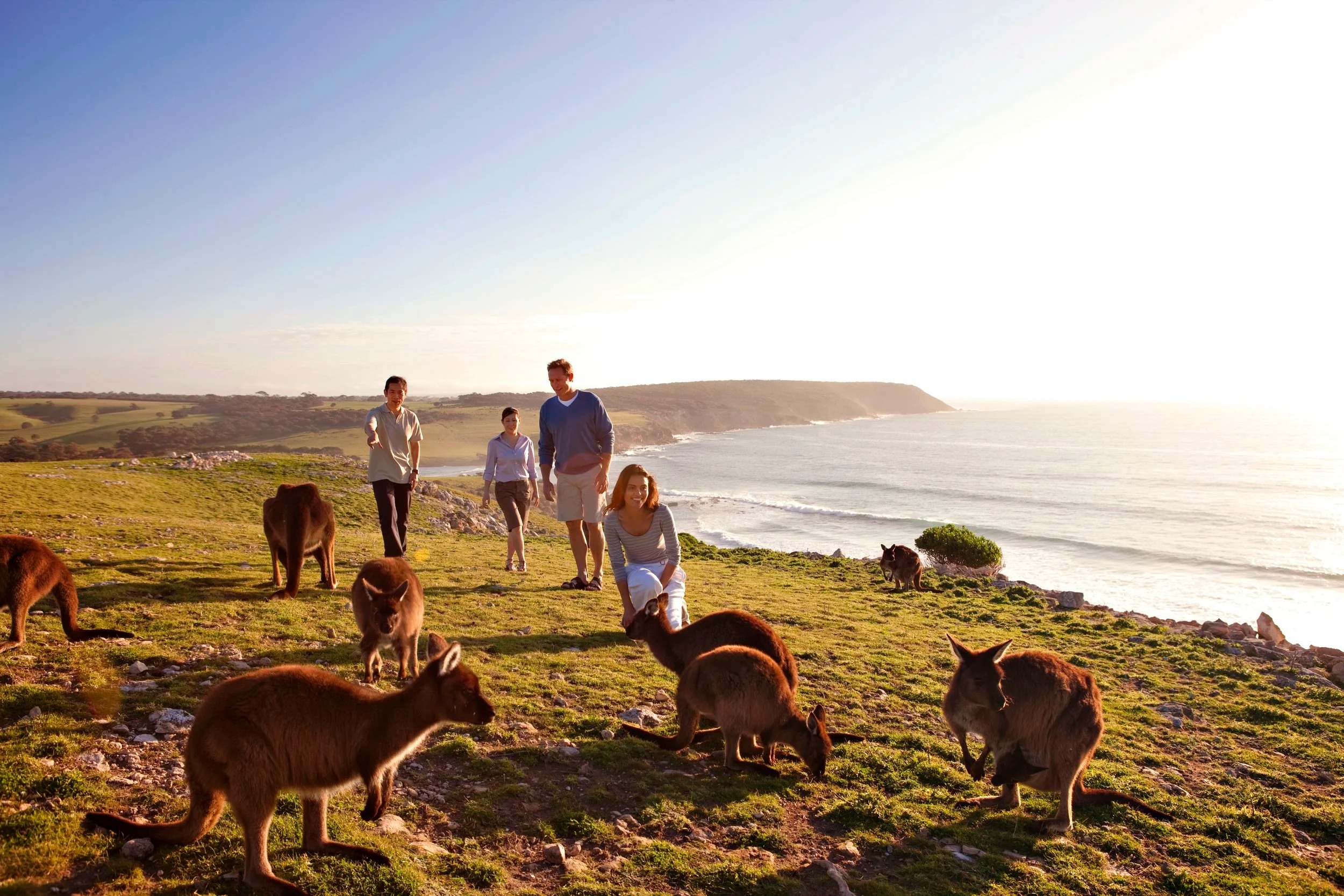
Australia is a massive island continent located in the Southern Hemisphere, surrounded by the Indian and Pacific Oceans, and positioned southeast of Asia between Indonesia and New Zealand. It’s the world’s sixth-largest country, known for its unique wildlife like kangaroos and koalas, the Great Barrier Reef, and vast red deserts in the interior called the Outback.
From sun-drenched coastlines and tropical rainforests to rugged deserts and alpine regions, Australia’s natural environments are as diverse as they are beautiful. What truly sets the country apart, however, is its wildlife.
Australia also offers countless opportunities to experience wildlife in its natural habitat. With thoughtful planning, often best done through the best Australia travel agency, travelers can explore these environments responsibly while enjoying unforgettable close encounters with nature. Below are some of the best places to see Australia’s wildlife up close and naturally.
Kangaroo Island, South Australia
Often referred to as a wildlife sanctuary, Kangaroo Island is one of the best places in Australia to see animals roaming freely in their natural environment. Located off the coast of South Australia, the island is home to kangaroos, koalas, wallabies, echidnas, and sea lions.
The Great Barrier Reef, Queensland
For underwater wildlife experiences, nothing compares to the Great Barrier Reef. Stretching over 1,400 miles along Australia’s northeast coast, it is the largest coral reef system in the world and a UNESCO World Heritage Site.
Snorkeling or diving here allows you to encounter vibrant coral gardens, tropical fish, sea turtles, reef sharks, and rays. During certain seasons, you may even spot whales migrating through the reef’s waters.
Daintree Rainforest, Queensland
The Daintree Rainforest is one of the oldest rainforests on the planet, dating back over 180 million years. Located in Far North Queensland, it’s a living museum of biodiversity where ancient plant species coexist with rare wildlife.
Visitors can spot cassowaries, tree kangaroos, crocodiles, and a wide range of reptiles and insects. Guided walks and river cruises provide safe and educational ways to explore the rainforest while learning about Indigenous culture and ecological conservation.
Phillip Island, Victoria
Phillip Island offers one of Australia’s most heartwarming wildlife experiences: the famous Penguin Parade. Every evening at sunset, little penguins return from the sea to their burrows, creating a magical spectacle that attracts visitors from around the world.
Beyond penguins, the island is also home to koalas, seals, and birdlife. Purpose-built boardwalks and viewing platforms ensure minimal impact on animals while allowing visitors to observe them closely and responsibly. It’s an excellent destination for families and first-time wildlife travelers.
Ningaloo Reef, Western Australia
Less crowded but equally spectacular, Ningaloo Reef is one of the best places in the world to swim with whale sharks. Located along Western Australia’s coastline, this fringing reef lies close to shore, making marine life easily accessible.
In addition to whale sharks, visitors can encounter manta rays, turtles, humpback whales, and colorful reef fish. The region’s strong focus on ecotourism ensures that wildlife interactions are ethical and sustainable. Many travelers choose to explore this area with the best Australia travel agency to coordinate seasonal wildlife experiences.
Kakadu National Park, Northern Territory
Kakadu National Park is a vast and culturally rich landscape where wildlife, wetlands, and Aboriginal heritage come together. Located near Darwin, the park is home to saltwater crocodiles, wallabies, dingoes, and over 280 bird species.
Key Takeaways
- Australia’s wildlife is unique due to its long geographic isolation and diverse ecosystems.
- Kangaroo Island offers land-based wildlife encounters in a natural, undeveloped setting.
- The Great Barrier Reef and Ningaloo Reef provide world-class marine wildlife experiences.
- The Daintree Rainforest showcases ancient biodiversity and rare species.
- Phillip Island allows close, ethical observation of penguins and coastal wildlife.
- Kakadu National Park combines wildlife viewing with rich Indigenous culture.