Why AC Coil Cleaning Is One of the Most Overlooked Home Maintenance Tasks and How to Fix That
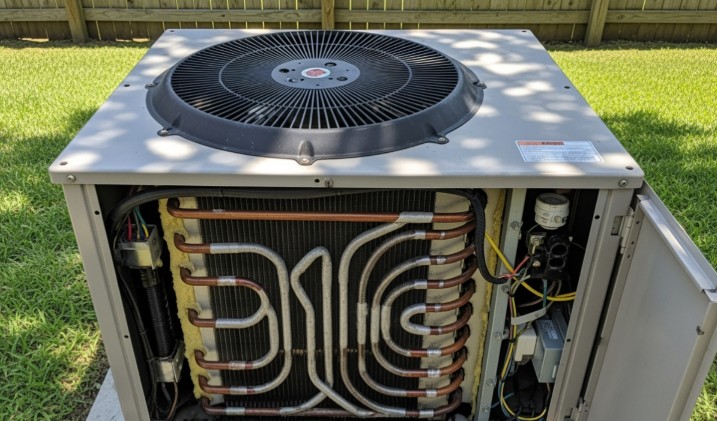
In a city like Dubai, the air conditioning system is not a seasonal luxury, it is a year-round essential. With outdoor temperatures frequently exceeding 40 degrees Celsius during summer months and elevated heat persisting well into the cooler calendar months, a functioning and efficient AC unit is what makes a home or office genuinely liveable. Despite this dependence, one of the most critical maintenance tasks for any air conditioning system remains widely neglected: cleaning the evaporator and condenser coils.
Most people think of AC maintenance as replacing the filter and calling it done. Filters are certainly important, but the coils that actually transfer heat are where the real efficiency losses accumulate, and they require a different level of attention. Understanding what AC coils do, why they get dirty, and what happens when they are not cleaned helps explain why this service deserves priority in any home maintenance schedule.
What AC Coils Do and Why They Matter
An air conditioning system works by moving heat from inside a building to the outside. This process relies on two sets of coils working in tandem. The evaporator coil, located in the indoor unit, absorbs heat from the air inside the room. The refrigerant running through the evaporator coil carries that heat to the condenser coil, which sits in the outdoor unit and releases it into the outside air.
Both coils need to transfer heat efficiently to do their job. This transfer happens through direct contact between the coil surface and the air flowing over it. When a layer of dust, grime, biological growth, or mineral deposits coats the coil surface, that layer disrupts heat transfer. The coil cannot absorb or release heat as effectively, which forces the compressor to work harder and longer to achieve the same cooling result.
In Dubai’s environment, coil contamination is not a slow or gradual process. The combination of fine desert dust, high humidity during certain months, and the continuous operation of AC systems creates conditions where coils accumulate debris faster than in cooler and less dusty climates. Systems that run twelve or more hours a day through the summer gather contaminants at a pace that makes annual or biannual coil cleaning not just advisable but genuinely necessary.
The Consequences of Dirty Coils
The first and most immediately felt consequence of dirty AC coils is reduced cooling efficiency. A system with contaminated coils takes longer to bring a room to the set temperature and may not reach it at all during peak heat. Occupants compensate by lowering the thermostat setting, which increases both runtime and energy consumption.
Increased energy consumption translates directly to higher electricity bills. In a city with heavy AC usage, the difference between a system with clean coils and one with heavily fouled coils can be substantial across a monthly billing cycle. Across a full year of operation, the financial impact is significant.
Beyond efficiency, dirty coils contribute to accelerated wear on the compressor. The compressor is the most expensive component in an AC system, and it is not designed to run continuously under heavy load. When coil contamination forces extended runtime and higher operating pressures, the compressor accumulates wear at a rate it was not designed for, which shortens its service life and increases the likelihood of costly breakdowns.
Air quality is another dimension. Evaporator coils coated in biological material or that have accumulated moisture-laden dust become a potential source of contaminants in the air circulated through the system. In a home environment, particularly one with children or residents with respiratory sensitivities, this is a meaningful concern.
Professional Coil Cleaning Versus DIY Approaches
Coil cleaning can be approached in different ways, and the choice matters for the outcome. Basic surface dust removal can be accomplished with a vacuum brush and compressed air for easily accessible coil fins. This level of maintenance is better than nothing, but it does not address contamination that has penetrated into the depth of the coil fins or biological growth on the coil surface.
Professional coil cleaning uses appropriate chemical cleaners that break down accumulated grime and biological material without damaging the aluminium fins. Self-rinsing coil cleaners dissolve contaminants that are then removed through the normal condensate drain. For condenser coils, high-pressure washing is used to flush debris from the fin structure from the inside out, ensuring a thorough clean rather than compacting dirt further into the coil.
In Dubai’s climate, professional AC coil cleaning uses chemical treatments and pressure washing to genuinely restore coil performance rather than just clearing surface dust, making it a meaningfully different service from the basic filter replacements that most general maintenance contracts include. Professional technicians also check for fin damage and repair bent fins, inspect refrigerant lines and drain pans, and identify any developing issues with the system while maintenance is being performed. Combining coil cleaning with a broader AC service check maximises the value of the visit.
How Often Should Coils Be Cleaned in Dubai?
General guidelines for coil cleaning frequency vary by climate and usage intensity. For a Dubai property where the AC runs continuously through summer and for significant portions of the rest of the year, annual professional coil cleaning is the minimum recommendation. Properties in particularly dusty locations, those near construction activity, or units with high occupant loads may benefit from cleaning every six months.
The condenser coil, being exposed to outdoor air and fine desert dust, typically requires more frequent attention than the evaporator coil. Inspecting it visually every few months gives an indication of when cleaning is needed, even if full professional cleaning is scheduled annually.
The timing of professional maintenance is worth considering. Having coils cleaned in March or April, before the peak summer heat arrives in May, ensures the system enters its highest-demand period in optimal condition. Emergency maintenance calls in July, when demand on service providers is highest and the consequences of a breakdown are most acute, are the outcome of skipping this preparation.
Signs Your AC Coils Need Cleaning Now
Several indicators suggest that coil cleaning is overdue and should not be delayed until the next scheduled service.
Longer cooling times, where the system runs noticeably longer than it used to in order to reach the set temperature, suggest reduced coil efficiency. Increasing electricity bills without a corresponding change in usage pattern point to the same cause. Visible dust or debris on accessible coil surfaces, ice formation on the evaporator coil, or unusual noises from the indoor unit during operation are all reasons to call for service promptly rather than waiting for the next scheduled visit.
Ice on the evaporator coil is a particularly clear signal. When the coil cannot absorb heat efficiently, the refrigerant temperature drops below the dew point of the surrounding air, causing condensation to freeze on the coil surface. This ice further impedes airflow and heat transfer, creating a compounding problem that will not resolve until the underlying coil contamination is addressed.
What the Cleaning Process Involves
For those who have not had their AC coils professionally cleaned before, knowing what to expect from the service helps set appropriate expectations.
The indoor evaporator coil cleaning typically begins with the technician turning off the system and accessing the evaporator coil chamber in the indoor unit. The coil is inspected, then sprayed with a chemical coil cleaner that is formulated to penetrate fin depth and dissolve accumulated grime. The cleaner works through the debris and drains away through the condensate pan and drain line. The technician may also clean the condensate pan and clear the drain to ensure proper flow.
The outdoor condenser coil cleaning involves removing the outer casing of the condenser unit and flushing the coil fins with pressurised water from the inside out. This pushes accumulated dust, dirt, and debris out through the exterior face of the coil rather than further into the fin structure. The technician checks that all debris has cleared the fins before reassembling the unit.
After both coils are cleaned, the system is restarted and performance is observed to confirm that airflow, temperature differential, and drainage are all functioning correctly.
Frequently Asked Questions
How long does professional AC coil cleaning take?
For a standard split unit, professional coil cleaning typically takes one to two hours depending on the level of contamination and the accessibility of the outdoor condenser unit. Central systems with multiple air handlers take longer.
Will coil cleaning immediately improve my electricity bill?
Yes, though the extent of improvement depends on how contaminated the coils were before cleaning. Restoring efficient heat transfer reduces runtime, which directly reduces electricity consumption. The effect is typically measurable within the first billing cycle after cleaning.
Can dirty coils cause the AC to completely stop working?
Severe coil contamination can cause the system to trip safety protections and shut down. Ice buildup on the evaporator can block airflow entirely, and a compressor under sustained overload may fail. These are outcomes of neglected maintenance rather than sudden events, which makes regular cleaning genuinely preventive.
Is coil cleaning included in a standard AC service?
This varies by provider. Some service packages include basic coil cleaning while others treat it as a separate service. Clarifying what is included before booking a service avoids paying for a maintenance visit that does not address the coil condition.
How should I maintain the area around my outdoor condenser unit?
Keep the area around the condenser unit clear of vegetation, debris, and obstructions. Adequate airflow around the unit is necessary for the condenser coil to release heat effectively. Remove any material that accumulates around the fins after dust storms or windy conditions, and avoid placing objects against the unit that restrict airflow on any side.