Why Are Jellycats So Expensive? What Makes Them Special 2026
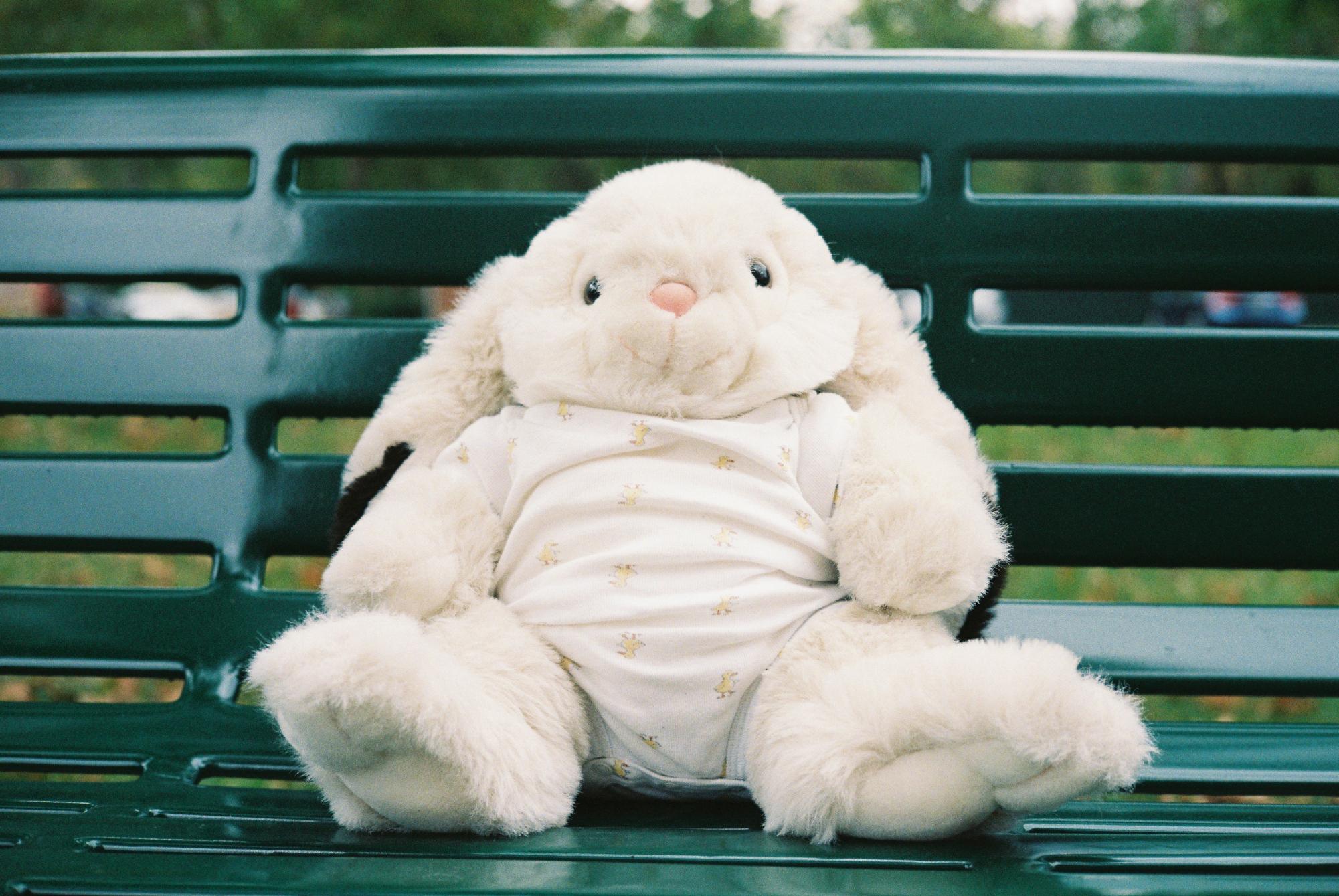
Why are Jellycats so expensive? If you have ever held one and checked the price tag, this question has almost certainly crossed your mind.
A medium-sized Jellycat plush can cost two to three times more than a generic stuffed animal, and some larger or retired designs sell for hundreds of dollars on the secondary market.
The answer is not a simple one. It comes down to premium materials, ethical manufacturing, safety standards, distinctive design, smart brand strategy, and a cultural moment that has turned a London soft toy company into a global lifestyle brand worth hundreds of millions.
Why Are Jellycats So Expensive?
Why Are Jellycats So Expensive?
Jellycat started as a small British company with a simple idea: make the softest, most beautifully designed plush toys in the world.
What began as a modest collection of whimsical bunnies has grown into one of the most recognized luxury soft toy brands on earth. The company now ships to over 50 countries and is stocked in high-end retailers including Selfridges, Harrods, and John Lewis.
In 2024, Jellycat reported revenue of approximately $450 million, with profits doubling year-on-year. In 2025, the company paid out more than $100 million in dividends to owners. This is not a niche toy brand anymore. It is a global lifestyle business.
Designs Are Created by In-House Artists in London
Every Jellycat design begins with in-house textile artists based in London.
These are not outsourced concept sketches or trend-chasing derivatives. Each toy is a considered creative product developed with attention to proportion, texture, personality, and emotional resonance.
The brand’s design language, rounded shapes, oversized features, muted palettes, and tactile variety, is immediately recognizable and deliberately distinct from every other soft toy on the market.
Manufacturing Takes Place Under Strict Ethical Standards
Jellycat manufactures primarily in Indonesia, Vietnam, and Cambodia.
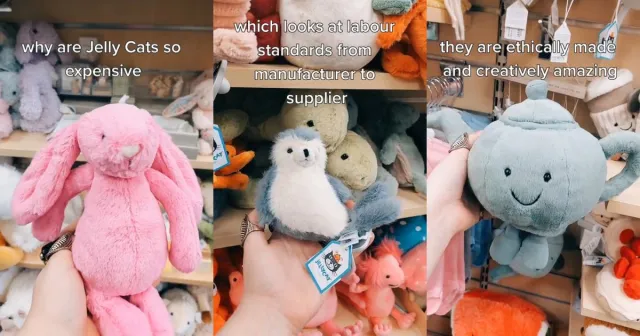
What sets this apart is how manufacturing is governed. In 2018 Jellycat introduced its Responsible Sourcing Code of Practice, which covers labor standards, worker pay, and site conditions. Annual reviews include worker interviews, pay audits, and facility tours.
The brand also follows and enforces the Modern Slavery Act of 2015 across its entire supply chain. This eliminates the exploitative labor practices that allow cheaper plush toy competitors to keep their prices artificially low.
Paying fair wages at every point in the supply chain costs more. That cost is reflected honestly in the retail price.
Why Are Jellycats So Expensive: The Real Reasons
Premium Materials That Are Genuinely Different
The most immediately obvious reason why Jellycats are so expensive is the fabric.
Pick up a Jellycat and then pick up a generic stuffed animal of the same size. The difference in feel is not subtle. Jellycat uses proprietary blends of ultra-soft polyester and other high-quality textiles that are specifically selected and engineered to produce a luxurious tactile experience.
Different product lines use different fabric technologies. The Bashful range uses a silky-soft fur blend. The Smudge collection mimics the feel of a baby’s security blanket. The Amuseables line combines textured and smooth fabrics to create dimensional tactile interest. None of this is accidental. It is the result of deliberate material sourcing at a higher cost than standard plush manufacture.
Every Stitch Is Made With Precision
Jellycat toys are not assembled on a generic stuffed toy production line.
Authentic Jellycat products use lockstitching with tight stitch spacing, which creates durability that allows the toy to survive years of heavy use, washing, and cuddling without falling apart. The construction is designed to hold under the forces a toddler or young child will apply repeatedly over years.
This level of construction takes more time and higher-skilled labor than the chain-stitching found on cheap alternatives. It costs more to produce, and the longevity it delivers is part of what justifies the price.
Rigorous Safety Testing and Certification
Every Jellycat product must meet strict international toy safety standards before it reaches the market.
This includes CE certification for European markets and ASTM compliance for the US market. Materials are tested to confirm they are non-toxic and hypoallergenic. Filling materials, eyes, noses, and all attachments are tested for pull strength to ensure they cannot detach and become choking hazards for young children.
For parents choosing a first soft toy for a newborn, these safety certifications are not just bureaucratic detail. They are meaningful assurance that the product has been rigorously verified. Achieving and maintaining these certifications costs money, and that cost is included in the price.
The Size-to-Price Structure
Jellycat prices scale with size in a transparent and consistent way. Here is a general guide to pricing by size across the product range.
| Size Category | Approximate Size | Approximate Price (USD) |
|---|---|---|
| Tiny / Keychain | 10–15 cm | $12–$25 |
| Small | 18–23 cm | $20–$35 |
| Medium (most popular) | 28–36 cm | $35–$65 |
| Large | 40–55 cm | $65–$100 |
| Huge / Jumbo | 60–100 cm+ | $100–$180+ |
| Rare / Retired / Limited | Varies | $100–$500+ (resale) |
A standard medium Bashful Bunny sits at around $40 to $50 at authorized retailers. That price reflects the material cost, construction quality, safety testing, ethical manufacturing overhead, and design investment that went into making it.
The Jellycat Product Range Explained
The Bashful Collection
The Bashful collection is Jellycat’s most iconic and consistently bestselling range.
These are the classic soft animals, bunnies, bears, dogs, cats, with the signature Jellycat proportions: large heads, rounded bodies, oversized soft ears or features, and the ultra-soft fabric blend the brand is known for.
The Bashful Beige Bunny is arguably the most iconic plush toy of its generation. It comes in multiple sizes and multiple colorways, and retired colorways now command significant premiums on the secondary market.
The Amuseables Collection
The Amuseables line is the collection that made Jellycat a cultural phenomenon beyond the nursery.
These are plush versions of everyday objects and food items: avocados, croissants, coffee cups, baguettes, cinnamon rolls, tacos, and hundreds more. They are whimsical, funny, and designed to be as appealing to adults as to children.
The Amuseables line drives the kidult buying trend, where adults purchase Jellycats for themselves as comfort objects, desk companions, or collectibles. This is a significant driver of the brand’s growth and its premium positioning.
Seasonal and Limited-Edition Releases
Jellycat regularly introduces seasonal collections tied to holidays, cultural moments, and retailer-exclusive partnerships.
These limited runs create genuine scarcity. Designs are retired on a regular schedule, meaning they disappear from the market permanently. Once a design is retired, the only way to acquire it is through the secondary market, where prices can multiply dramatically.
The fish and chips collection, available exclusively through Selfridges, is one example of a retailer-exclusive line that created intense demand and significant resale premiums.
Retailer Exclusives and Collaborations
Certain Jellycat designs are only available through specific retailers, which adds another layer of scarcity.
Selfridges, Harrods, and other premium department stores have hosted Jellycat exclusives and pop-up experiences that attract significant queues and sell out within hours of opening.
In 2025, Jellycat made headlines by dropping approximately 100 independent UK stockists as part of a brand elevation strategy, deliberately narrowing the retail network to focus on premium and flagship channels. This decision underscores the brand’s deliberate positioning at the luxury end of the market.
The Social and Cultural Factors Behind the Price
TikTok and Social Media Virality
Jellycat’s growth in the 2020s has been turbocharged by social media, particularly TikTok.
Content featuring Jellycat hauls, collections, unboxings, and the brand’s immersive pop-up experiences has generated hundreds of millions of views. The visual appeal of the toys, combined with the emotional resonance they carry, makes them highly shareable content.
Viral moments drive demand spikes. When a specific design trends on TikTok, it typically sells out at retail within days. Scarcity follows demand, and secondary market prices climb immediately.
The Kidult Market and Adult Collectors
Adults buying Jellycats for themselves, not for children, have become one of the brand’s largest and fastest-growing customer segments.
This is part of the broader kidult trend, where adults spend on toys, collectibles, and nostalgic items as a form of self-expression, stress relief, or hobby. Jellycat has leaned into this deliberately, with designs and marketing that speak directly to adult buyers.
For many adult buyers, a Jellycat is a comfort object, a mental wellness tool, a desk accessory, or a collectible. These motivations are different from buying a child’s toy, and they support willingness to pay at a higher price point.
The Experiential Marketing Strategy
Jellycat has invested heavily in experiential retail that reinforces the brand’s premium positioning.
The Jellycat Cafeteria and Diner Experience pop-ups are retail events where the entire purchase process mimics dining at a restaurant. Staff take orders, prepare toys as if they were meals, and present them with theatrical flair. These events consistently generate significant media coverage and social content.
The Jellycat Fish and Chips experience, launched exclusively at Selfridges, sold toys wrapped in paper like fish and chip orders, complete with branded packaging. It was covered by major publications globally and drove enormous consumer interest.
Experiential retail of this quality costs money to design and execute. It builds brand equity that supports premium pricing across the entire product range.
Royal and Celebrity Endorsement
Jellycat has benefited from high-profile organic endorsements that reinforce its premium positioning.
Princess Charlotte of Wales has been photographed with Jellycat toys. Celebrity endorsements and gift guides featuring Jellycats appear regularly across major media. These associations, even when unplanned, connect the brand to luxury, quality, and desirability in the public mind.
The Resale Market: What Retired Jellycats Are Worth
The Jellycat secondary market is one of the clearest signals of genuine product value.
Retired designs that originally retailed for £25 to £40 regularly sell for £100 to £420 on eBay and specialist resale platforms. A discontinued Bashful Bunny variant has been listed at up to £420 on eBay. Rare and limited-edition Amuseables can exceed $500 on the secondary market.
| Product | Original Retail Price | Resale Price Range |
|---|---|---|
| Bashful Bunny (retired colorway) | £25–£40 | £80–£420 |
| Rare Amuseables (limited edition) | £30–£50 | $150–$500+ |
| Retailer-exclusive designs | £35–£60 | $100–$300+ |
| Huge Bashful Bunny (retired) | £75–£100 | $200–$400+ |
A 2025 resale audit found that properly maintained Bashful Bunnies from 2022 sold for 112% of their original retail price, while those with wear sold for around 63%. The investment case for a well-maintained Jellycat is demonstrably real.
This resale dynamic reflects genuine scarcity and genuine demand. It is not manufactured by the brand but driven entirely by collector behavior in the open market.
How Jellycat Compares to Competitors
Understanding why Jellycats are so expensive is clearer when the brand is compared to its alternatives.
| Brand | Price Range | Key Difference |
|---|---|---|
| Jellycat | $12–$180+ retail | Premium materials, ethical production, limited editions, strong resale value |
| Steiff | $30–$500+ | German heritage brand, higher price point, button-in-ear identification |
| Gund | $10–$60 | Good quality but less distinctive design language, lower resale value |
| Build-A-Bear | $15–$50 | Customizable but lower material quality, no secondary market |
| Generic stuffed animals | $5–$20 | Mass produced, lower material quality, no collector market |
Jellycat occupies a clear premium position that is distinct from both the mass market and ultra-premium heritage brands like Steiff. It is the sweet spot of accessible luxury in the soft toy category.
Are Jellycats Worth the Price?
The Case for Yes
If you value tactile quality, the answer is yes.
Nothing at the same or lower price point matches the softness and feel of a Jellycat. This is not subjective marketing language. It is the consistent verdict of consumers across age groups and demographics who have handled both Jellycats and alternatives.
If you value durability, the case is equally strong.
A well-constructed Jellycat with proper care will last decades. Many parents report passing Jellycats down from one child to the next, or keeping childhood Jellycats as adults. A $45 toy that lasts 20 years costs a fraction of what three or four cheaper replacements over the same period would cost.
If you value safety for young children, the safety certifications justify the premium entirely for infant and toddler gifts.
If you are a collector, the resale data makes the case on its own.
The Case for Considering Alternatives
If the primary concern is price and any soft toy will serve the purpose, cheaper alternatives exist that are perfectly functional.
Gund produces good-quality plush toys at a lower price point. Many independent soft toy makers produce beautiful handmade alternatives. For buyers who are not specifically drawn to the Jellycat design aesthetic or brand community, the premium may not feel justified.
The honest position is that Jellycat pricing is transparent and proportional to what the brand delivers. Whether that delivery matches your specific values is a personal calculation.
Tips for Getting the Best Value From a Jellycat Purchase
Buy From Authorized Retailers
Counterfeit Jellycats are a documented problem. In 2025, Trading Standards seized over 14,200 counterfeit Jellycats across UK ports, most sold via third-party marketplace sellers.
Authentic Jellycats can be verified by checking the branded hangtag, confirming the QR code links to a legitimate jellycat.com product page, and checking the stitching quality. A standard Bashful Bunny weighs 210 to 225 grams. Counterfeits typically weigh 170 to 190 grams due to inferior fill density.
Keep Original Packaging and Tags
For collector value, keeping the original packaging and hangtag intact matters significantly.
Limited-edition releases with commemorative hangtags command premiums only when tags remain intact and uncreased. The original branded tissue paper and cardboard sleeve both carry UV-reactive ink that confirms authenticity.
Care and Maintenance
Proper washing and storage protects long-term condition and resale value.
Machine wash on a gentle cool cycle in a laundry bag, and air-dry flat on a mesh rack away from direct sunlight. Never tumble dry. Sunlight degrades fabric nap over time, and high heat melts polyester fibers in some fabric blends.
Buy Classics Over Trends
For gift-giving purposes, the Bashful and Bartholomew lines are perennially safe choices.
For collecting purposes, seasonal and limited-edition releases have higher potential upside but require faster action to purchase before retirement.
The Broader Luxury Plush Market
Jellycat’s pricing makes more sense when placed in the context of the luxury soft toy market.
The global luxury soft toy market was valued at approximately $2 billion in 2025, with a projected compound annual growth rate of around 7% through 2033. Jellycat, Steiff, and Gund together account for roughly 25 to 30 percent of this market.
This is not a shrinking niche. It is a growing category driven by the kidult trend, the gifting economy, and increasing consumer willingness to pay for quality over volume.
Jellycat’s 2024 revenue of $450 million, achieved on a product range that deliberately refuses to compete on price, is proof that the premium positioning strategy is working at scale.
Frequently Asked Questions (FAQs)
Why are Jellycats so expensive compared to regular stuffed animals?
Jellycats use premium proprietary fabrics, ethical manufacturing with fair wages, rigorous safety testing, and in-house London design. Every one of these factors costs more than the mass-market shortcuts competitors use to keep prices low.
Are Jellycats made ethically?
Yes. Jellycat enforces the Modern Slavery Act of 2015 across its supply chain and introduced its Responsible Sourcing Code of Practice in 2018. Annual factory audits include worker interviews, pay reviews, and site inspections.
What is the most expensive Jellycat?
Retail prices reach $180 or more for jumbo sizes. On the secondary market, rare retired designs and limited-edition Amuseables have sold for $500 or more, with some discontinued Bashful Bunny variants listed at up to £420 on eBay.
Are Jellycats worth the money?
For most buyers, yes. The material quality, durability, safety certifications, and potential resale value make Jellycats a genuine value proposition over the long term, even if the upfront cost is higher than alternatives.
Why do Jellycats have such good resale value?
Jellycat regularly retires designs, creating permanent scarcity. Strong collector demand for discontinued items drives secondary market prices well above original retail. Properly maintained pieces have sold for over 100% of their original retail price.
What makes Jellycat fabric different?
Jellycat uses proprietary blends of ultra-soft polyester and other high-quality textiles engineered specifically for each product line. The Bashful range uses a silky fur blend, while other lines use chenille, velvet-effect fabrics, and textured materials not found in standard soft toy production.
Where are Jellycats made?
Jellycat toys are manufactured primarily in Indonesia, Vietnam, and Cambodia. Designs are created by in-house textile artists in London. All manufacturing facilities are subject to annual ethical compliance audits.
What is the Amuseables collection?
Amuseables are Jellycat’s range of plush toys shaped like food items and everyday objects, including avocados, croissants, baguettes, and coffee cups. They are a major driver of adult collector demand and the brand’s growth in the kidult market.
Are there cheaper alternatives to Jellycat?
Yes. Gund and several independent soft toy makers offer good-quality alternatives at lower price points. However, none match Jellycat’s specific fabric quality, design language, safety certification level, or secondary market value.
How do I know if my Jellycat is authentic?
Check that the QR code on the hangtag links to a legitimate jellycat.com product page. Inspect for lockstitching with tight stitch spacing. Weigh a standard medium Bashful Bunny, authentic pieces weigh 210 to 225 grams, while counterfeits average 170 to 190 grams.
Conclusion
Why are Jellycats so expensive? Because almost nothing about making them is done cheaply.
The fabric is premium and proprietary. The manufacturing is ethical and independently audited.
The safety testing exceeds legal minimums. The designs are created by professional artists in London rather than copied from trend reports.
The brand has built genuine scarcity through regular design retirements and a retail strategy that deliberately limits distribution to premium channels.
Add the cultural momentum of a brand that has gone viral on TikTok, created immersive retail experiences that trend globally, and built a collector community willing to pay $500 for a retired bunny on the secondary market, and the price starts to look not just justified but rational.
Jellycats are expensive because they are built to a standard that most soft toy manufacturers are not willing or able to reach.
For buyers who care about quality, safety, durability, and the joy of owning something genuinely beautiful, that standard is worth every penny.