Why Are My Teeth Yellow When I Brush Them Everyday? Causes 2026
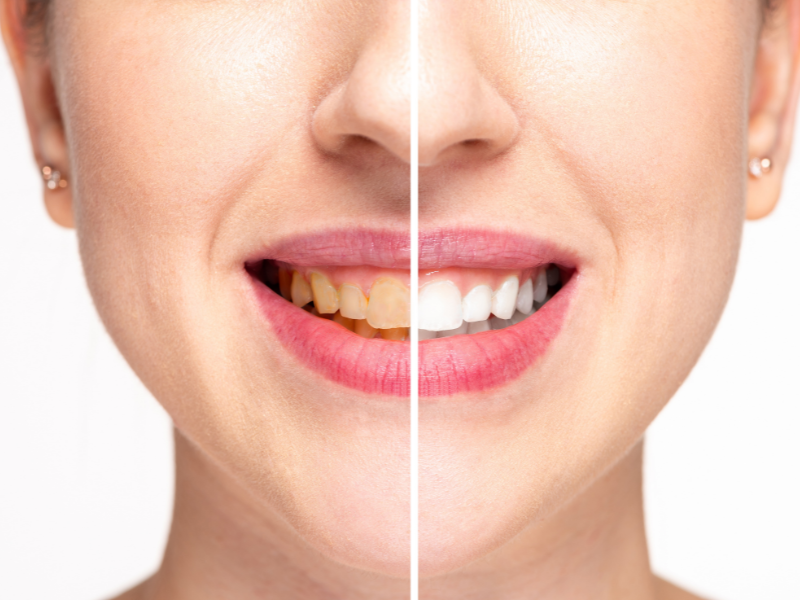
Why are my teeth yellow when I brush them everyday? You are not alone in asking this.
Millions of people brush twice a day, follow a solid oral hygiene routine, and still look in the mirror to find a yellow or dull smile staring back.
The truth is, brushing alone was never designed to make your teeth white — it was designed to keep them healthy.
Yellow teeth despite daily brushing are caused by a wide range of factors including genetics, enamel erosion, diet, aging, tobacco use, and even certain medications.
Why Are My Teeth Yellow When I Brush Them Everyday?
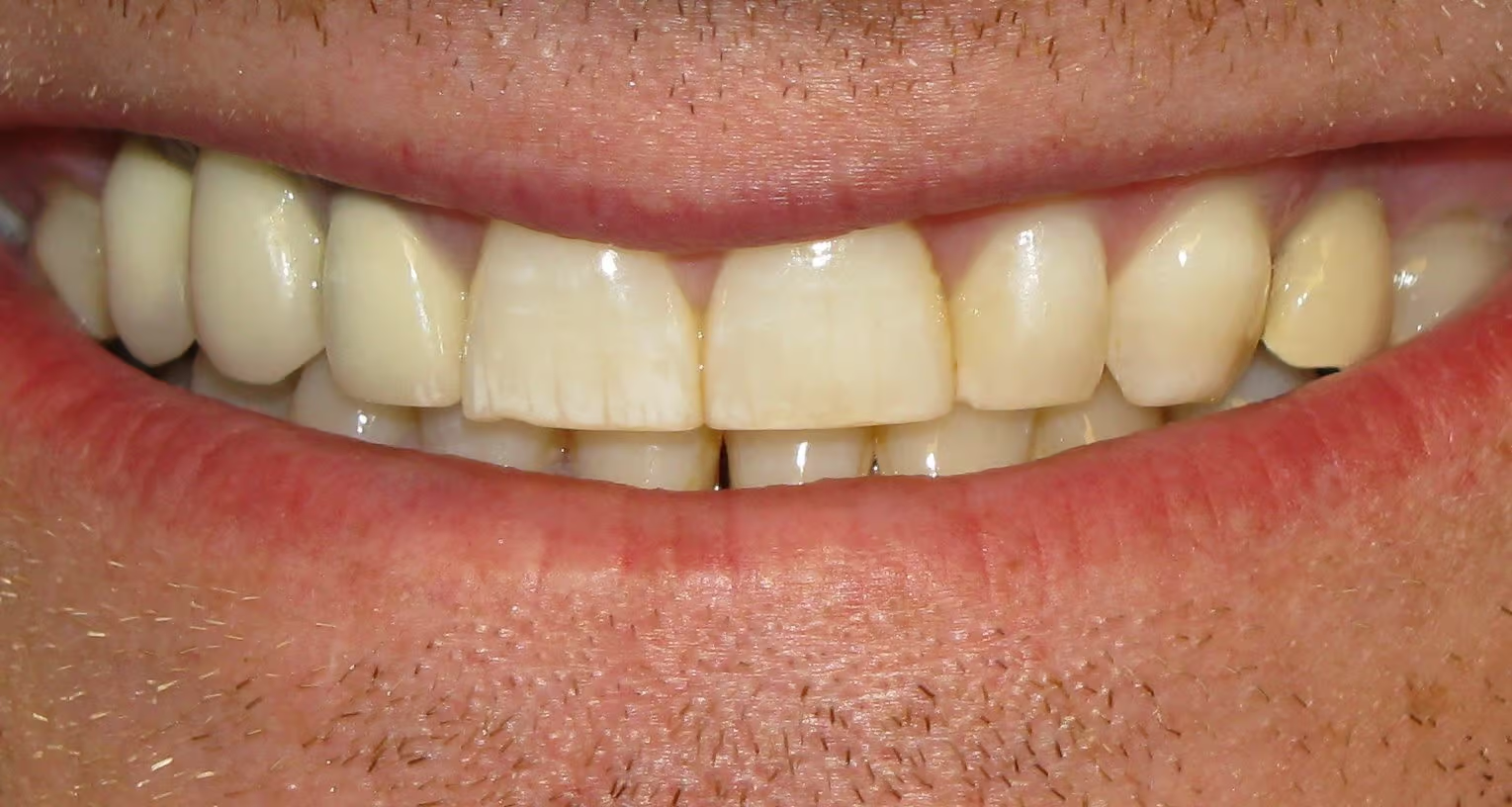
This is the most important thing to understand right from the start.
Brushing removes plaque, bacteria, and food particles. It prevents tooth decay and gum disease. That is its primary job.
Whitening is a completely separate process. Brushing keeps teeth clean and healthy — it does not reverse deep staining, restore lost enamel, or change the natural color of your dentin.
What Gives Teeth Their Color?
Before diving into causes, it helps to understand the basic anatomy of a tooth.
Every tooth is made up of two main visible layers. The outer layer is enamel — the hardest substance in the human body, and naturally white or slightly translucent. Beneath it sits dentin, which is naturally yellow to yellowish-brown in color.
When enamel is thick and healthy, it masks the dentin beneath. When enamel thins, erodes, or becomes more translucent with age, the yellow dentin shows through — and no amount of brushing changes that.
| Tooth Layer | Color | Function |
|---|---|---|
| Enamel | White or translucent | Protective outer shell |
| Dentin | Yellow to yellowish-brown | Main inner body of the tooth |
| Pulp | Pink/red | Nerves and blood supply |
This is the foundation of nearly every explanation for why teeth look yellow even when thoroughly cleaned.
Why Are My Teeth Yellow When I Brush Them Everyday? 12 Real Causes
1. Your Natural Tooth Color Is Simply Genetic
Not all teeth are naturally white. Genetics determine the thickness of your enamel and the base shade of your dentin.
Some people are born with naturally thinner enamel, which means the yellow dentin beneath is more visible right from childhood. No toothpaste or brushing technique changes this baseline color.
If your parents or siblings have naturally off-white or yellow teeth, genetics may simply be a primary factor for you.
2. Enamel Erosion Is Exposing the Dentin
Enamel does not grow back once it wears away. When acid from food, drinks, or stomach reflux repeatedly contacts your teeth, the enamel gradually thins.
As that protective white outer layer erodes, more of the naturally yellow dentin becomes visible. This is one of the most common structural reasons teeth look yellow despite perfect brushing habits.
Common causes of enamel erosion include acidic drinks like soda and citrus juices, acid reflux (GERD), frequent vomiting (such as in eating disorders), and overbrushing with hard bristles.
3. Staining Foods and Drinks Are Penetrating the Enamel
Some foods and beverages contain powerful pigments called chromogens. These attach to the proteins in enamel and gradually build up, creating stains that brushing alone cannot fully remove.
The biggest culprits are coffee, black tea, red wine, dark sodas, soy sauce, tomato-based sauces, and deeply pigmented foods like blueberries and blackberries.
The tannins in coffee and tea make these pigments cling more aggressively to tooth surfaces. Over time, these stains work their way into the microscopic pores of the enamel and become embedded — well beyond the reach of a toothbrush.
4. Tobacco Use Causes Deep, Stubborn Stains
Cigarettes, cigars, chewing tobacco, and other tobacco products contain two compounds that are notorious for discoloring teeth: tar and nicotine.
Tar is naturally dark brown to black. Nicotine is colorless on its own, but when it reacts with oxygen it turns yellow. Together they seep into the pores of tooth enamel and create stains that penetrate far deeper than any surface stain from food.
These tobacco stains are among the most difficult to remove and typically resist home brushing entirely. Professional cleaning or whitening is almost always required to address them.
5. Aging Naturally Darkens Teeth Over Time
As the years pass, two things happen simultaneously that make teeth appear more yellow.
First, enamel gradually wears down through decades of chewing, acid exposure, and daily use. Second, the dentin inside the tooth continues to grow thicker and darker as part of a natural biological process called secondary dentin deposition.
The combination of thinning enamel and thickening dentin means that even people with excellent lifelong oral hygiene will notice their teeth darkening with age. This process is completely natural and not a sign of poor dental health.
6. Plaque and Tartar Buildup
Even careful brushers can miss spots. When plaque is not fully removed every day, it begins to harden into tartar within as little as 24 to 72 hours.
Tartar — also called calculus — is a hard, yellowish-brown mineral deposit that bonds tightly to the tooth surface. Once tartar forms, it cannot be removed with a toothbrush. Only a dental hygienist using professional scaling tools can clear it.
Tartar buildup along the gumline and between teeth is one of the most visible and common reasons why teeth look yellow in people who consider themselves diligent brushers.
7. Poor Brushing Technique Is Leaving Plaque Behind
Brushing frequency matters, but technique matters just as much. Many people brush quickly, miss the backs of teeth, press too hard, or use a worn-out toothbrush that cannot effectively clean tooth surfaces.
The American Dental Association recommends brushing for a full two minutes, twice a day, using a soft-bristled brush in gentle circular motions. The brush should cover the outer, inner, and chewing surfaces of every tooth.
Without reaching all these areas, plaque builds up in the gaps and crevices — yellowing the teeth even when you believe you have cleaned them thoroughly.
8. Certain Medications Cause Intrinsic Staining
Some medications discolor teeth from the inside out — a type of staining called intrinsic discoloration that cannot be addressed with surface-level brushing at all.
The most well-known example is tetracycline antibiotics, particularly when taken during childhood while teeth are still forming. They can cause permanent gray or yellow bands across teeth.
Other medications that can affect tooth color include antihistamines, some blood pressure medications, antipsychotics, and iron supplements. Chemotherapy and radiation therapy targeting the head and neck area can also contribute to tooth discoloration.
9. Fluorosis from Excessive Fluoride Exposure
Fluoride is important for dental health, but too much exposure during childhood — when adult teeth are still developing below the gum line — can cause a condition called dental fluorosis.
Fluorosis typically appears as white streaks or spots, but in moderate to severe cases it can also produce yellow or brown patches on the enamel surface.
This is an intrinsic change to the tooth structure itself. It cannot be reversed by brushing and generally requires professional cosmetic treatment.
10. Dry Mouth Reduces the Natural Cleaning Action of Saliva
Saliva is your mouth’s natural defense system. It washes away food particles, neutralizes acids, and helps remineralize enamel throughout the day.
When saliva production is reduced — due to dehydration, mouth breathing, certain medications, or medical conditions — the mouth becomes a more acidic, stain-prone environment.
Without that constant natural rinse, staining compounds from food and drinks linger on tooth surfaces longer, and the risk of enamel erosion increases. People with chronic dry mouth often notice faster and more noticeable yellowing over time.
11. Enamel Hypoplasia
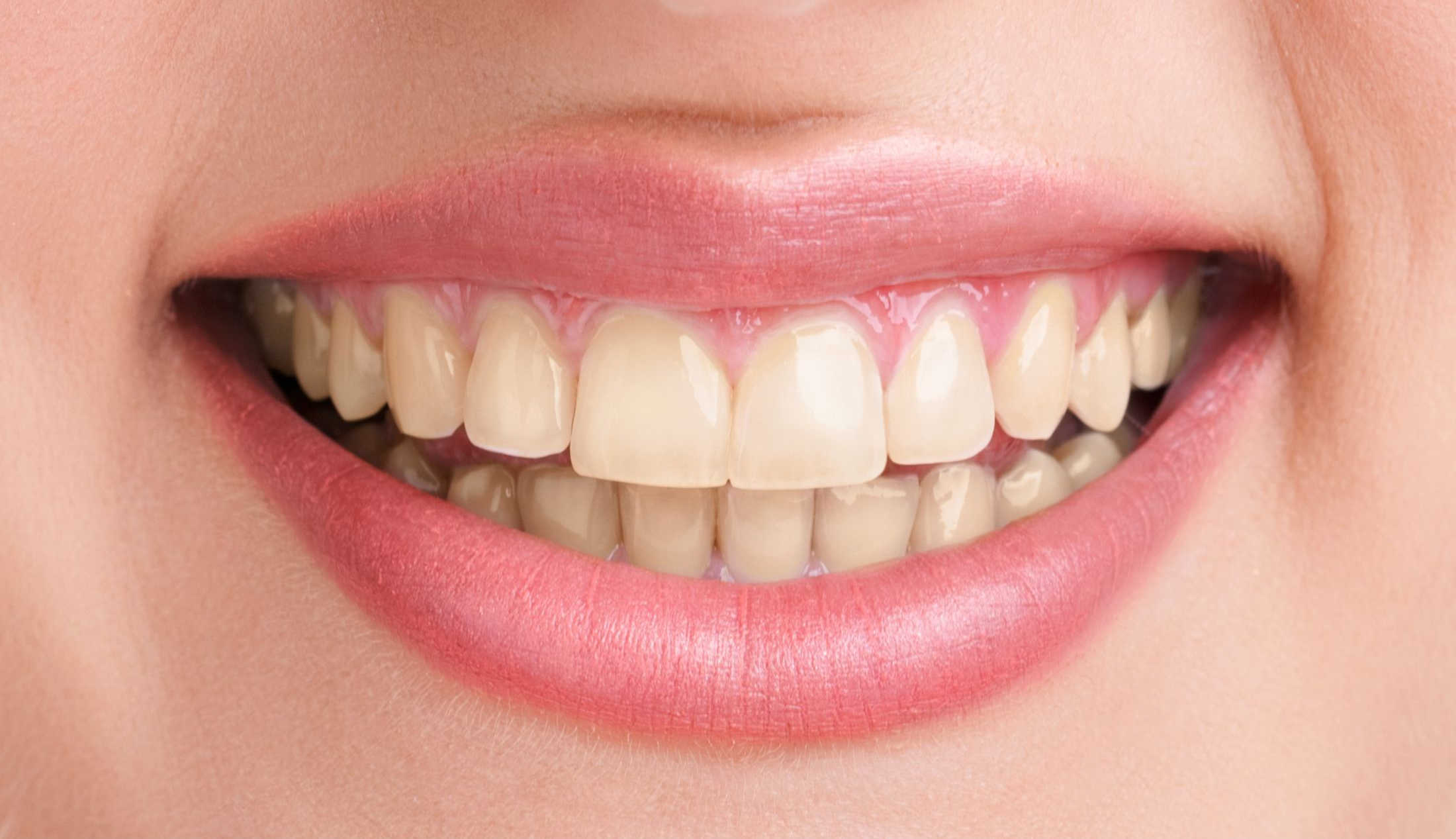
Enamel hypoplasia is a developmental condition in which the enamel does not fully form during tooth development. It can be caused by nutritional deficiencies, illness, premature birth, or certain medications during early childhood.
The result is enamel that is thinner than normal, pitted, or missing in patches. These areas of underdeveloped enamel show the yellow dentin beneath and are far more vulnerable to staining and erosion.
People with enamel hypoplasia often notice that their teeth stain more easily and look yellow even with consistent brushing.
12. Using the Wrong Toothpaste or Toothbrush
Not all toothpastes are created equal when it comes to surface stain removal. Regular fluoride toothpastes are excellent at protecting enamel and preventing decay, but they do not contain the mild abrasives needed to lift stubborn surface stains.
A worn toothbrush — one that is frayed, old, or has soft bristles that are splayed outward — is also significantly less effective at cleaning tooth surfaces. The American Dental Association recommends replacing your toothbrush every three to four months.
Using a whitening toothpaste with mild polishing agents, or switching to an electric toothbrush, can make a meaningful difference in surface stain removal over time.
Extrinsic vs Intrinsic Tooth Staining: What Is the Difference?
Understanding this distinction is key to choosing the right treatment.
| Type | Where It Occurs | Common Causes | Can Brushing Help? |
|---|---|---|---|
| Extrinsic staining | Surface of enamel | Coffee, tea, wine, tobacco | Partially — removes light stains |
| Intrinsic staining | Inside the dentin | Medications, fluorosis, trauma, aging | No — requires professional treatment |
| Age-related staining | Both layers | Natural enamel thinning + lifestyle | Minimally — mostly needs professional care |
Brushing is moderately effective at addressing mild extrinsic staining. For intrinsic staining or deep embedded stains, professional interventions are required.
Foods and Drinks That Stain Teeth the Most
Some dietary choices are far more damaging to tooth color than others. Here is a breakdown of the most common staining culprits.
| Food or Drink | Staining Potential | Why It Stains |
|---|---|---|
| Coffee | Very high | Dark chromogens + tannins |
| Black tea | Very high | High tannin content |
| Red wine | Very high | Tannins + dark pigments |
| Cola / dark sodas | High | Chromogens + acid erosion |
| Soy sauce / dark sauces | High | Intensely pigmented |
| Blueberries / blackberries | Moderate-high | Natural dark pigments |
| Tomato-based sauces | Moderate | Acidic + chromogens |
| Citrus juices | Moderate | Enamel-eroding acid |
| Curry | Moderate-high | Turmeric staining |
| Sports drinks | Moderate | Acidic, erodes enamel |
Drinking through a straw, rinsing your mouth with water immediately after consuming staining beverages, and waiting 30 minutes before brushing after acidic drinks are all habits that reduce the cumulative damage over time.
Why Brushing Alone Cannot Fix Yellow Teeth
It is worth being direct about the limits of brushing.
Brushing removes the soft, sticky layer of plaque before it hardens. It clears food debris from tooth surfaces. With the right toothpaste, it can buff away light surface stains.
What brushing cannot do is remove tartar (hardened plaque), reach stains embedded deep in the enamel, reverse enamel erosion, change the natural color of your dentin, or address intrinsic discoloration caused by medications or genetics.
This does not mean brushing is unimportant — it is foundational to oral health. But it means that for a visibly whiter smile, additional measures are almost always needed.
How to Actually Fix Yellow Teeth
The right approach depends on the underlying cause of your yellowing.
Improve Your Brushing Technique First
Before trying any whitening product, make sure you are brushing correctly.
Use a soft-bristled brush or an electric toothbrush. Brush for two full minutes twice a day. Use gentle circular motions, not harsh back-and-forth scrubbing. Replace your brush every three to four months.
Switch to a Whitening Toothpaste
Whitening toothpastes contain mild abrasives such as silica or calcium carbonate that help polish away surface stains more effectively than standard toothpaste.
They will not dramatically change tooth color but can meaningfully reduce the buildup of surface stains when used consistently over several weeks.
Add Flossing and Mouthwash to Your Routine
Flossing removes plaque and food from between the teeth where your brush cannot reach. This prevents the yellow buildup that makes teeth look stained along the gumline and between contact points.
An antibacterial mouthwash can further reduce bacteria and plaque in areas your brush misses. Some whitening mouthwashes also contain low concentrations of hydrogen peroxide for mild surface brightening.
Use Over-the-Counter Whitening Products
Whitening strips and at-home whitening trays use hydrogen peroxide or carbamide peroxide to break down staining compounds in the enamel.
These products are more effective than whitening toothpaste for moderate extrinsic staining. Studies show they typically improve tooth shade by one to two shades after several weeks of consistent use. They work best on surface stains from food and drink — not on intrinsic discoloration.
Try Professional Dental Cleaning
Even if you brush and floss perfectly, tartar builds up in areas that are genuinely impossible to reach at home. A professional cleaning (scale and polish) from a dental hygienist physically removes tartar deposits and polishes the tooth surface.
For many people, a professional cleaning every six months is enough to noticeably reduce yellowing caused by tartar and mild surface staining.
Professional In-Office Teeth Whitening
Professional whitening treatments performed by a dentist use high-concentration hydrogen peroxide gels, often activated with a specialized light or laser.
Research consistently shows that in-office whitening can lighten teeth by three to eight shades in a single session — far beyond what any home remedy or over-the-counter product achieves. The results are faster, more uniform, and longer-lasting than DIY options.
This is the most effective option for extrinsic staining and moderate age-related darkening.
Custom Take-Home Whitening Trays from Your Dentist
A middle ground between in-office treatment and over-the-counter strips, custom trays from a dentist contain higher-concentration whitening gel than store-bought products and fit precisely to your teeth for more even coverage.
Most people use them daily for one to two weeks and achieve results comparable to in-office whitening, though the timeline is longer.
Veneers or Dental Bonding for Intrinsic Staining
When yellowing is caused by intrinsic discoloration — from medications, fluorosis, enamel hypoplasia, or severe aging — whitening treatments often cannot reach the source of the color.
In these cases, dental veneers (thin porcelain or composite shells bonded to the front of the teeth) or cosmetic bonding are the most effective options. They cover the discolored surface entirely and provide a lasting cosmetic result.
Natural Remedies That Can Help (and Their Limits)
Several natural approaches have some evidence or widespread anecdotal support for mild surface stain removal.
Baking Soda
Baking soda is a gentle abrasive that can help scrub away light surface stains. Mixing a small amount with water to form a paste and brushing two to three times per week can gradually brighten enamel.
It should not replace fluoride toothpaste entirely, and it should be used gently — excessive abrasion over time can wear enamel.
Oil Pulling
Swishing a tablespoon of coconut oil around the mouth for ten to fifteen minutes — known as oil pulling — is a traditional practice that some research suggests may reduce plaque and surface bacteria.
The evidence for its direct whitening effect is limited, but it can support overall oral hygiene as a supplementary practice.
Hydrogen Peroxide Rinse
Diluting hydrogen peroxide (3% solution) with equal parts water and using it as a mouth rinse before brushing can help reduce surface staining.
It should be used sparingly and not swallowed. This is the same active ingredient in most commercial whitening products, just at a much lower concentration.
Eating Crunchy Fruits and Vegetables
Crunchy foods like apples, carrots, and celery have a natural mild abrasive texture that helps scrub the tooth surface during chewing. They also stimulate saliva production, which helps naturally wash the teeth.
These are excellent dietary habits but will not produce dramatic whitening results on their own.
How to Prevent Teeth From Yellowing Further
Prevention is significantly easier and less expensive than treatment.
Limit your intake of the highest-staining foods and drinks. When you do consume coffee, tea, or red wine, rinse your mouth with water immediately afterward to reduce contact time on the enamel.
Quit smoking or using tobacco in any form. Tobacco staining is among the most aggressive and hardest to reverse.
Use a straw when drinking dark beverages so the liquid bypasses the front teeth.
Stay well hydrated throughout the day. Saliva is a natural protectant and stain-rinse for your teeth.
Schedule professional cleanings every six months. Even perfect home care cannot remove hardened tartar.
Wait at least 30 minutes after eating or drinking acidic foods before brushing. Brushing immediately after acid exposure can push the softened enamel particles away rather than cleaning the tooth.
When to See a Dentist About Yellow Teeth
Yellow teeth are not always a cosmetic issue. Sometimes discoloration indicates an underlying dental problem that needs professional attention.
You should book a dental appointment if you notice sudden or rapid discoloration, yellowing accompanied by tooth sensitivity or pain, white spots, brown patches, or pitting on the enamel surface, or if yellowing appears along with swollen or bleeding gums.
A dentist will classify your staining as extrinsic or intrinsic, assess the health of your enamel, and recommend a treatment plan tailored to your specific situation — far more accurate than trying to self-diagnose and treat at home.
Does Yellow Mean Unhealthy?
Not necessarily. This is an important distinction that dental professionals consistently emphasize.
Slightly yellow teeth can be completely healthy — free of cavities, with healthy gums and no sensitivity. Natural variation in enamel thickness and dentin shade means many people’s teeth are simply off-white by nature.
Yellow teeth only become a health concern when the cause is tartar buildup linked to gum disease, untreated enamel erosion, tooth decay hidden beneath surface staining, or an underlying medical condition affecting saliva or enamel development.
If your teeth are yellow but otherwise healthy, the issue is cosmetic — not medical. The goal of treatment is confidence and aesthetics, not necessarily oral health correction.
Summary: Causes and Solutions at a Glance
| Cause | Can Brushing Fix It? | Best Solution |
|---|---|---|
| Surface stains (coffee, tea, wine) | Partially | Whitening toothpaste, professional cleaning, whitening strips |
| Tartar buildup | No | Professional dental scaling |
| Enamel erosion | No | Dentist assessment, reduce acidic foods, fluoride treatment |
| Genetics / thin enamel | No | Veneers, professional whitening |
| Tobacco staining | No | Professional cleaning + whitening or veneers |
| Aging / dentin darkening | No | Professional whitening, veneers |
| Medication-induced (intrinsic) | No | Veneers, dental bonding |
| Fluorosis | No | Veneers, bonding, microabrasion |
| Poor brushing technique | Yes (fixing technique) | Improve technique, electric toothbrush |
| Dry mouth | Partially | Hydration, saliva substitutes, dentist consultation |
Frequently Asked Questions (FAQs)
Why are my teeth yellow when I brush them everyday?
Brushing cleans teeth but does not whiten them. Yellow color can come from genetics, enamel erosion, staining foods, tartar buildup, aging, or medications — none of which brushing alone can fully reverse.
Is it normal to have yellow teeth even with good oral hygiene?
Yes, completely normal. Natural tooth color varies by genetics and enamel thickness, and many people with excellent oral hygiene simply have naturally off-white or slightly yellow teeth.
Does yellow teeth mean I am not brushing properly?
Not always. While poor technique can contribute, yellowing is also caused by diet, aging, genetics, and enamel erosion — all of which can occur independently of how well you brush.
What foods cause the most tooth yellowing?
Coffee, black tea, and red wine are the biggest culprits due to their high tannin and chromogen content. Dark sodas, soy sauce, tomato sauce, curry, and deeply pigmented berries also stain teeth significantly.
Can whitening toothpaste fix yellow teeth?
Whitening toothpaste can reduce mild surface stains over time but cannot change the internal color of teeth, reverse enamel erosion, or remove tartar. It is a maintenance tool, not a whitening treatment.
How long does professional teeth whitening last?
Professional whitening results typically last between six months and two years, depending on your diet, lifestyle habits, and how consistently you maintain oral hygiene after treatment.
At what age do teeth start turning yellow naturally?
Enamel naturally begins to thin and dentin continues to thicken and darken throughout adulthood. Most people notice gradual yellowing more noticeably in their 30s, 40s, and beyond.
Can yellow teeth from medication be whitened?
Medication-induced intrinsic staining — particularly from tetracycline antibiotics taken during childhood — often does not respond well to conventional whitening. Dental veneers or bonding are typically the most effective solutions.
Is it safe to use hydrogen peroxide to whiten teeth at home?
A diluted 3% hydrogen peroxide rinse is generally considered safe when used occasionally. However, overuse can cause gum irritation and enamel sensitivity. Dentist-supervised whitening is safer for regular use.
Should I be worried if my teeth are yellow despite brushing?
Yellow teeth alone are usually not a health emergency. However, if yellowing is sudden, accompanied by pain or sensitivity, or linked to bleeding gums, see a dentist promptly as these can indicate underlying dental problems.
Conclusion
Why are my teeth yellow when I brush them everyday? Because brushing, no matter how consistent, was never the complete answer to tooth color.
It is an essential daily habit that protects your teeth from decay and disease — but it cannot override genetics, reverse enamel erosion, remove embedded stains from years of coffee and wine, or change the natural color of the dentin layer beneath your enamel.
The good news is that yellow teeth are almost always treatable.
By identifying the specific cause — whether it is diet, tartar, aging, genetics, or medication — you can choose the right solution, from improved brushing technique and professional cleaning to in-office whitening or veneers.
Start with a dental visit, get a clear diagnosis, and build a targeted plan.
A brighter smile in 2026 is well within reach.