Why Can’t Chinchillas Get Wet? Safe Cleaning Tips 2026
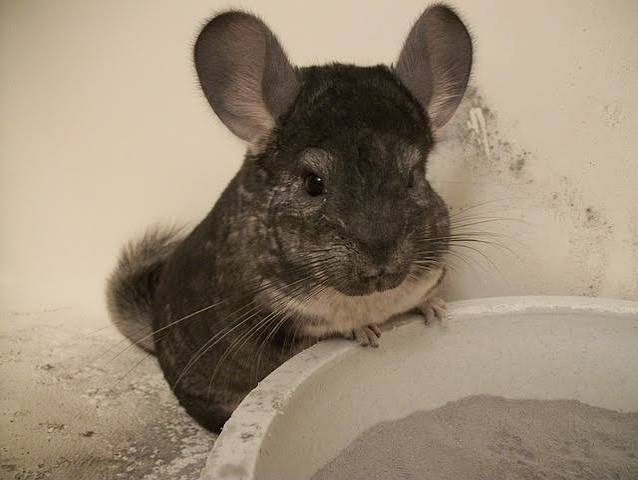
Why can’t chinchillas get wet? Their fur is so incredibly dense, with as many as 60 to 100 hairs growing from a single follicle, that water gets trapped against their skin instead of drying quickly.
That trapped moisture creates the perfect environment for fungal infections, skin irritation, and even hypothermia, since a soaked coat can no longer keep them warm. Chinchillas evolved in the cold, arid Andes Mountains, where dust, not water, has always been their natural way to stay clean.
Why Can’t Chinchillas Get Wet? How Chinchillas Regulate Body Temperature
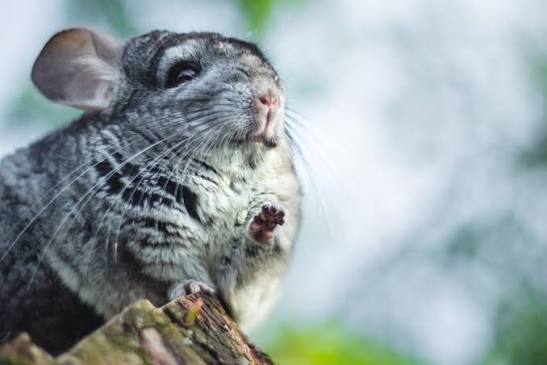
Unlike many mammals, chinchillas cannot sweat or pant, so they have very limited natural ways to cool down or manage moisture.
Their large, thinly furred ears act almost like built-in radiators, releasing excess body heat when the surrounding temperature rises.
This unusual cooling system works well in dry conditions, but it offers no help at all once their fur becomes soaked.
A wet chinchilla loses the ability to regulate temperature effectively from two directions at once, since both their fur insulation and their normal cooling method are compromised.
Understanding this helps explain why even mild water exposure can affect a chinchilla far more than it would affect a dog or cat, both of which have very different fur types and cooling systems built into their biology.
The Science Behind A Chinchilla’s Fur
Chinchillas have some of the densest fur of any land mammal, which is what makes them feel so incredibly soft to the touch.
A single hair follicle on a chinchilla can sprout 60 to 100 individual hairs, compared to just one to five hairs per follicle on a human.
This ultra-dense coat evolved to trap warm air and protect chinchillas from the freezing nights of their native Andes Mountains habitat.
The same density that keeps them warm in the wild is exactly what makes water so dangerous once their coat gets soaked.
Why Water Is So Dangerous For Chinchillas
Water doesn’t just sit on top of a chinchilla’s fur the way it does on many other short-coated or water-resistant animals.
Because the coat is so thick, water gets trapped deep against the skin, and it can take an extremely long time to evaporate on its own, sometimes many hours even with help.
That trapped moisture creates a warm, damp environment that is exactly what fungi and bacteria need to thrive.
The table below breaks down the main risks chinchilla owners should understand before ever letting their pet near water.
| Risk | Why It Happens | Possible Outcome |
|---|---|---|
| Fungal infection | Moisture trapped near skin | Ringworm, skin lesions |
| Hypothermia | Wet fur can’t insulate | Dangerous drop in body temperature |
| Matting | Dense fur clumps when wet | Painful tangles, skin irritation |
| Respiratory illness | Chilled, damp body | Pneumonia-like symptoms |
| Prolonged stress | Water feels unnatural to them | Anxiety, altered behavior |
Fur Matting
When a chinchilla’s fur gets wet, the individual hairs clump together instead of staying light and fluffy.
This matted fur traps moisture even more effectively, which makes the drying process slower and the risk of skin problems considerably higher over time.
Fungal Infections
Fungus and bacteria thrive in warm, damp conditions, and a soaked chinchilla coat provides exactly that environment near the skin.
Ringworm is one of the more common fungal infections linked to chinchillas that stay damp for extended periods without prompt drying and proper follow-up care.
Hypothermia
Chinchillas rely on their fur to trap air and maintain body heat, and wet fur simply cannot do that job.
A chinchilla that stays wet and cold for too long can develop hypothermia, which is a serious and potentially fatal condition if left unaddressed for an extended period.
Respiratory Problems
A chilled, damp body puts extra strain on a chinchilla’s respiratory system, which can lead to illness resembling pneumonia if the moisture is not addressed promptly and carefully.
This is one of the more urgent reasons owners are advised to dry a wet chinchilla as quickly and safely as possible.
Stress And Anxiety
Chinchillas did not evolve around standing water, so the sensation of being wet is unfamiliar and often frightening to them.
Combined with the discomfort of fur that simply won’t dry, this stress can affect their appetite and overall behavior for several days.
Drinking Water Vs Bathing Water
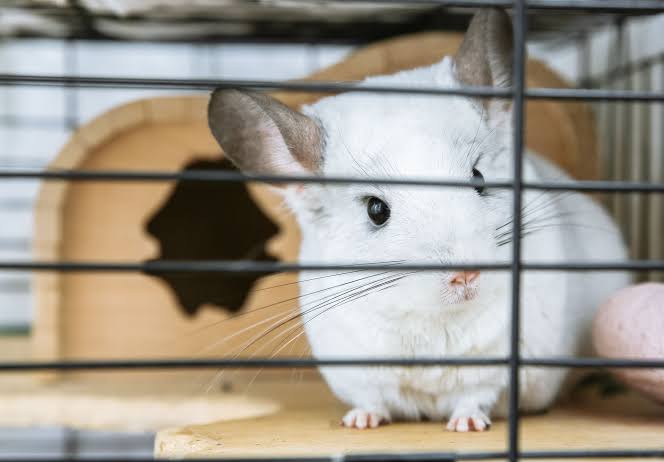
It’s worth clarifying that chinchillas absolutely need drinking water, and avoiding water baths does not mean limiting their access to hydration.
In the wild, chinchillas get much of their moisture from cacti and other plants, but pet chinchillas rely on a water bottle instead.
A secure, leak-proof water bottle attached to the enclosure lets your chinchilla drink freely without any risk of soaking their fur.
This is very different from an open water bowl, which can tip over or splash and accidentally wet the surrounding fur and bedding.
Keeping fresh drinking water available at all times supports healthy digestion and overall wellbeing, completely separate from the grooming routine.
Why Chinchillas Evolved This Way
Chinchillas are native to the high-altitude Andes Mountains of South America, where the climate is cold, dry, and often rocky.
In that environment, standing water was rarely available, so chinchillas never developed the biological tools other animals use to manage wet fur.
They also cannot sweat or pant to cool down, and instead rely on their large, thinly furred ears to release excess body heat.
This background explains why chinchillas are built for dust and dryness, not for lakes, rivers, or bathtubs.
Ideal Home Environment For A Chinchilla’s Coat
Recreating a piece of the chinchilla’s natural Andes climate at home goes a long way toward keeping their fur healthy and dry.
Chinchillas do best in cool room temperatures, generally between 60 and 70°F, since heat and humidity are far harder on them than mild cold.
Keeping the room well-ventilated and away from steamy areas like bathrooms or laundry rooms reduces ambient moisture that can affect their coat over time.
A stable, dry environment also lowers stress levels, which supports overall immune health and reduces the chances of skin issues developing.
| Home Factor | Recommended Range | Why It Matters |
|---|---|---|
| Room temperature | 60–70°F | Prevents heat stress |
| Humidity | Below 50% | Keeps fur naturally dry |
| Airflow | Well-ventilated | Reduces trapped moisture |
| Cage placement | Away from bathrooms, kitchens | Limits accidental splashes |
How Chinchillas Naturally Stay Clean
Instead of water, chinchillas rely on dust baths, a grooming method that mimics rolling in fine volcanic ash in the wild.
The fine dust works its way through their dense coat, absorbing excess oil, dirt, and moisture without ever soaking the skin.
This process keeps their fur soft, fluffy, and free of the buildup that would otherwise lead to matting or odor.
How Often Chinchillas Need Dust Baths
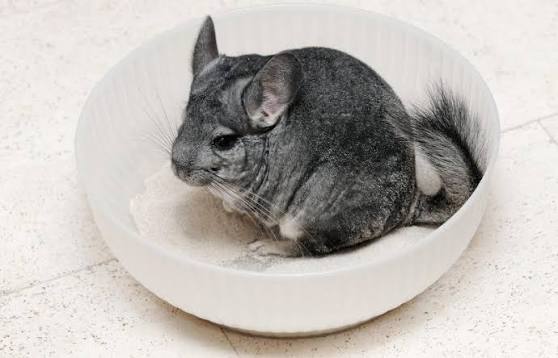
Most chinchillas do well with a dust bath two to three times a week, offered for about 10 to 15 minutes at a time.
Bathing too often can strip natural oils from their skin, so more isn’t always better when it comes to dust baths.
Choosing The Right Dust
Always use dust made specifically for chinchillas, since regular sand or dirt is too abrasive and can irritate their skin and eyes.
Look for fine, chinchilla-specific dust from a reputable pet store rather than substituting sand or generic powders.
Setting Up A Dust Bath
A sturdy, wide-based container filled with about two inches of dust gives your chinchilla enough room to roll around freely.
The container needs to be large enough that your chinchilla can fully flip and twist without spilling dust everywhere.
Timing And Removal
Offer the dust bath for 10 to 15 minutes, then remove it from the enclosure right after your chinchilla finishes.
Leaving the dust bath in the cage permanently can turn it into an accidental litter box, which defeats its entire purpose.
Chinchillas As Natural Self-Groomers
Beyond dust bathing, chinchillas are also fairly dedicated self-groomers, similar in some ways to cats.
They regularly use their teeth and paws to smooth their fur, remove loose debris, and keep their coat looking fluffy between dust baths.
This natural grooming behavior is part of why chinchillas rarely need any help staying clean as long as regular dust baths are provided.
Excessive grooming, hair loss, or a chinchilla that stops grooming altogether can sometimes signal an underlying health issue worth mentioning to a vet.
What To Do If Your Chinchilla Gets Wet
Accidents happen, whether it’s a leaky water bottle, a spill, or a curious chinchilla exploring somewhere it shouldn’t.
Knowing the right steps to take can make a significant difference in how quickly your pet recovers without complications.
Stay Calm And Act Quickly
Chinchillas pick up on stress easily, so staying calm while you dry them helps keep the whole process smoother and faster.
The sooner you begin drying your chinchilla, the less time moisture has to work its way deep into the coat.
Towel Dry Gently
Use a soft, absorbent towel to gently blot the fur rather than rubbing, which can damage the delicate coat or stress your pet further.
Replace the towel with a dry one as needed until your chinchilla’s fur no longer feels damp to the touch.
Avoid Hot Hair Dryers
A hair dryer on a low, cool setting held well away from your chinchilla can help speed up drying in some cases.
Hot air, loud noise up close, or a dryer held too near the skin can burn or badly frighten your pet, so extreme caution is essential.
Keep Them Warm
After towel drying, move your chinchilla to a warm, draft-free area to help prevent their body temperature from dropping further.
Wrapping them loosely in a dry towel for a few minutes can help retain body heat while the coat continues drying.
Offer A Dust Bath Once Dry
Once your chinchilla feels dry to the touch, a dust bath can help absorb any remaining dampness and restore the coat’s natural texture.
Avoid offering the dust bath while fur is still noticeably wet, since damp dust can clump and stick to the skin.
Watch For Warning Signs
Keep an eye on your chinchilla over the next day or two for signs of lethargy, shivering, or reduced appetite.
Any of these signs after a wetting incident are reasons to contact an exotic or small-animal vet promptly.
When A Rinse Or Spot Clean Is Truly Necessary
In rare situations, such as exposure to a toxic substance, sticky residue, or heavy urine soiling, water may be unavoidable.
Even then, only a brief, targeted rinse or damp-cloth spot clean is recommended, never a full soak or submerged bath.
| Situation | Recommended Approach |
|---|---|
| Light dust or dirt buildup | Regular dust bath |
| Small sticky spot | Damp cloth, spot clean only |
| Toxic substance on fur | Brief rinse, then immediate thorough drying |
| Heavy urine soiling | Vet consultation before any water use |
| General coat maintenance | Dust bath only, no water |
If a rinse is truly unavoidable, use lukewarm water, keep it as brief as possible, and dry your chinchilla immediately and thoroughly afterward.
Always consult an exotic veterinarian before attempting any water-based cleaning beyond a normal dust bath.
Common Mistakes Chinchilla Owners Make
Even well-meaning owners sometimes make small mistakes that increase the risk of their chinchilla getting wet or developing coat problems over time.
Being aware of these common pitfalls makes it much easier to build a daily routine that keeps your chinchilla consistently safe and dry.
Using An Open Water Bowl
An open water bowl is far more likely to spill or be knocked over than a secure, leak-proof water bottle.
Switching to a properly mounted water bottle greatly reduces the chance of accidental soaking inside the enclosure.
Leaving Dust Baths In Too Long
Leaving a dust bath container in the cage permanently allows it to become soiled with urine and droppings over time.
A soiled dust bath no longer cleans effectively and can actually introduce bacteria back onto your chinchilla’s coat.
Bathing Too Frequently
Offering dust baths every single day can strip away natural oils, leaving the skin dry, flaky, or irritated.
Sticking to two or three sessions a week strikes the right balance between cleanliness and healthy skin.
Ignoring Humid Environments
High humidity in the home can make it harder for a chinchilla’s coat to stay properly dry, even without direct water contact.
Keeping your chinchilla’s room cool and dry, ideally below 50 percent humidity, supports healthy fur overall.
Placing The Cage In A Damp Location
Setting up a chinchilla’s enclosure near a bathroom, kitchen, or basement can expose them to extra ambient moisture without any water directly touching them.
Choosing a dry, well-ventilated room for the cage helps keep humidity low and supports a naturally healthy, fluffy coat.
How This Differs From Other Small Pets
Many small pets, like rabbits or guinea pigs, can sometimes tolerate a careful water bath if it’s ever truly needed.
Chinchillas are the exception among common household pets because of just how dense and difficult to dry their fur really is.
This is why virtually every credible chinchilla care guide repeats the same core rule: dust baths only, water only in genuine emergencies.
Understanding this difference helps new owners avoid applying general small-pet advice to a species that has very different grooming needs.
Signs Your Chinchilla May Be Developing A Problem After Getting Wet
| Sign | Possible Concern |
|---|---|
| Bald patches or hair loss | Fungal infection |
| Red or flaky skin | Irritation or infection |
| Lethargy or shivering | Hypothermia risk |
| Reduced appetite | General illness or stress |
| Musty or sour odor | Trapped moisture, bacteria |
If you notice any of these signs within a day or two of a wetting incident, a vet visit is the safest next step.
Catching skin or respiratory issues early generally leads to a much smoother and faster recovery for your chinchilla.
Preventing Accidental Wetting In The Future
A few simple habits around the cage setup can dramatically lower the odds of your chinchilla ever getting wet by accident, and most of these take only a few minutes to put in place.
Choose a leak-proof water bottle and check it regularly for drips, cracks, or loose seals that could cause slow leaks over time.
Position the water bottle away from bedding areas and dust bath containers so a small drip doesn’t turn into a bigger, messier problem.
Clean up any spills around the enclosure immediately, and keep your chinchilla’s play area away from sinks, tubs, or standing water sources whenever they’re out for exercise.
Finally, double-check the cage setup after cleaning day, since a freshly washed water dish or bottle that isn’t fully dry can sometimes drip unexpectedly.
Frequently Asked Questions (FAQs)
Can a chinchilla survive getting wet once?
Yes, a brief accidental wetting is rarely fatal on its own. Quick towel drying and warmth usually prevent any serious complications.
How long does it take a chinchilla’s fur to dry naturally?
Because their fur is so dense, natural drying can take hours without help. Towel drying speeds this process up significantly.
Is it ever okay to bathe a chinchilla in water?
Only in rare emergencies, like exposure to toxic substances. Even then, a brief rinse followed by immediate drying is essential.
What should I use instead of water to clean my chinchilla?
Chinchilla-specific dust baths are the recommended cleaning method. They absorb oil and dirt without soaking the skin.
How often should I give my chinchilla a dust bath?
Most chinchillas do well with two to three dust baths per week. Overdoing it can dry out their skin.
Can I use sand instead of chinchilla dust?
No, sand is too abrasive and can irritate skin and eyes. Always use dust made specifically for chinchillas.
What are the signs my chinchilla is sick after getting wet?
Watch for lethargy, shivering, reduced appetite, or a musty odor. Any of these signs warrant a vet visit.
Can I use a hair dryer to dry my wet chinchilla?
Only on the lowest, coolest setting held well away from their body. Hot air or loud noise can cause burns or extreme stress.
Why can’t chinchillas just shake off water like dogs do?
Their extremely dense fur traps water instead of releasing it easily. This is the core reason water is so much riskier for them.
Does chinchilla fur ever fully recover after getting wet?
Yes, in most cases fur returns to normal once fully dried. Persistent matting or skin issues may need vet-guided treatment.
Conclusion
Chinchillas can’t safely get wet because their remarkably dense fur traps moisture instead of letting it evaporate, creating the perfect setup for fungal infections, matting, and even hypothermia.
This is a direct result of their evolution in the cold, dry Andes Mountains, where dust bathing, not water, has always been their natural way to stay clean. If your chinchilla does get wet by accident, staying calm, towel drying gently, keeping them warm, and watching for warning signs over the next day or two will help avoid complications.
Sticking to regular dust baths, using a leak-proof water bottle, and keeping their environment dry are the simplest ways to prevent problems altogether. With the right habits in place, you can keep your chinchilla’s coat soft, healthy, and completely water-free for life.