Why Did My Rolex Stop Working? Repair Guide 2026
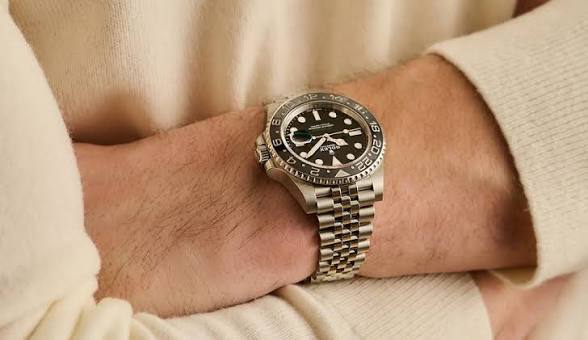
Why did my Rolex stop working? In over 90% of cases, the answer is refreshingly simple: your watch has simply run out of power reserve. Most Rolex watches use an automatic “Perpetual” movement powered entirely by the natural motion of your wrist, not a battery.
When the watch sits still for too long, typically 48 to 72 hours depending on the model, the stored energy runs out and the hands stop moving.
Beyond a depleted power reserve, other causes include magnetism, a hard knock, a loose crown, water exposure, or a movement that simply needs professional servicing.
Mechanical Vs Quartz: Why It Matters
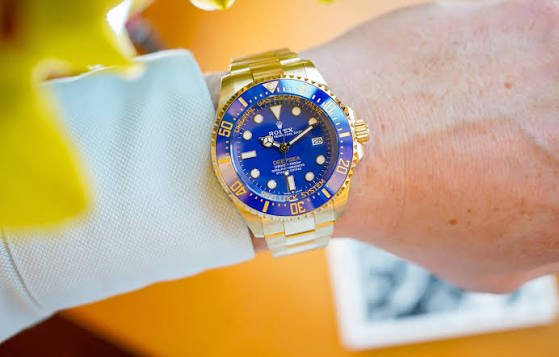
Watch movements generally fall into two categories: mechanical and quartz, and knowing which type you own changes how you troubleshoot a stoppage.
Quartz watches rely on a battery that sends an electrical current through a quartz crystal to create precise vibrations that drive the hands.
The vast majority of Rolex watches use mechanical, automatic movements instead, meaning there’s no battery to simply swap out when the watch stops.
This is exactly why understanding power reserve, winding, and wrist motion matters so much more for Rolex owners than it would for a typical quartz watch.
Why Did My Rolex Stop Working? How A Rolex Actually Works
Understanding why a Rolex stops starts with understanding how it runs in the first place.
The Automatic Perpetual Movement
Most Rolex watches use an automatic movement powered by the natural motion of your wrist, not a battery.
As you move throughout the day, a rotor inside the case winds a coiled spring called the mainspring, storing energy to keep the watch running.
What The Power Reserve Actually Means
This stored energy is known as the power reserve, and it typically lasts between 48 and 72 hours depending on your specific model.
A Rolex with a full charge runs between 48 and 72 hours off your wrist, and stopping after this window is a completely natural behavior for these mechanical masterpieces.
Why It Naturally Runs Down
When a watch sits stationary for longer than its power reserve allows, the mainspring fully unwinds and the watch simply stops.
This isn’t a malfunction. It’s completely normal behavior for a mechanical watch that hasn’t been worn or wound recently.
A Brief History Of The Automatic Movement
Rolex introduced the world’s first self-winding, waterproof automatic movement back in 1931, a genuine breakthrough at the time.
Even with this innovation, automatic Rolex watches still stop running when left unworn for too long, which surprises many new owners.
This isn’t a flaw in the design. It’s simply the nature of a mechanical watch that relies on motion rather than a battery to stay powered.
Modern Rolex models have continued to improve power reserve over the decades, with some current references now running well past 70 hours off the wrist.
The Most Common Reason Your Rolex Stopped
The single most common cause of a stopped Rolex is a depleted power reserve, accounting for the vast majority of cases owners report.
If you haven’t worn your watch in two or three days, it’s very likely sitting in your drawer or watch box simply out of stored energy.
The fix is often as simple as giving the watch a full manual wind and putting it back on your wrist.
Myths Vs Facts About Rolex Stoppages
There’s a lot of confusing information online about why luxury watches stop, so it helps to separate common myths from what’s actually true.
| Myth | Fact |
|---|---|
| A stopped Rolex always means something is broken | Most stoppages are simply from a depleted power reserve |
| Winding the crown too much can damage the watch | Rolex movements have a slipping clutch that prevents overwinding |
| Only cheap watches are affected by magnetism | Even high-end mechanical watches are vulnerable to strong magnets |
| A watch winder is unnecessary if you wear it often | It still helps during travel or periods of inconsistent wear |
| Any local jeweler can properly service a Rolex | Specialized training and genuine parts matter for proper repair |
Understanding these distinctions helps you respond calmly and appropriately instead of assuming the worst the moment your watch stops.
Quick Diagnostic Table
| Symptom | Likely Cause | First Step |
|---|---|---|
| Stopped after sitting unworn 2–3 days | Depleted power reserve | Manual wind, wear it |
| Stops again after a full wind | Winding mechanism issue | Observe for 24–48 hours |
| Stopped suddenly after a drop | Physical shock | Inspect for damage |
| Running erratically, gains or loses time | Magnetism | Check exposure to magnets |
| Crown feels loose or won’t turn | Crown or stem issue | Avoid forcing it |
| Fogging under the crystal | Water damage | Stop wearing, see a professional |
| Stopped despite regular wear | Internal mechanical wear | Schedule a service |
How To Manually Wind Your Rolex
If your Rolex has stopped, the very first thing worth trying is a proper manual wind before assuming anything is broken.
Locate And Unscrew The Crown
Most Rolex models have a screw-down crown, so gently unscrew it counterclockwise until it releases from the case before winding.
Forcing the crown without unscrewing it first can damage the stem, so take your time with this step.
Turn The Crown Clockwise
Turn the crown clockwise about 30 to 40 full turns to give the mainspring enough stored energy to start running again.
You should feel gentle resistance as you wind, and the second hand should begin moving once enough tension builds up.
Screw The Crown Back Down
Once wound, gently push the crown back against the case and screw it clockwise until snug to restore water resistance.
Wearing the watch throughout the day afterward keeps the automatic movement topped up through your natural wrist motion.
Reasons Your Rolex Stopped Working
There isn’t just one reason a Rolex can stop. Several different issues can lead to the same result.
The table below offers a quick overview before we explain each cause individually.
| Cause | How Common | Fixable At Home? |
|---|---|---|
| Depleted power reserve | Very common | Yes |
| Insufficient wrist motion | Common | Often yes |
| Magnetism | Moderately common | Sometimes |
| Physical shock or impact | Less common | No |
| Loose or damaged crown | Less common | No |
| Water damage | Uncommon but serious | No |
| Worn lubrication (needs service) | Common in older watches | No |
Depleted Power Reserve
This is by far the most common reason a Rolex stops, simply because the watch hasn’t been worn or wound recently enough.
A full manual wind followed by regular wear almost always resolves this without needing any professional intervention.
Insufficient Wrist Motion
If you wear your Rolex loosely, or only for short periods each day, the rotor may not get enough motion to fully wind it.
Wearing the watch snugly and consistently throughout the day usually solves this issue over time.
Magnetism
Magnetism is a surprisingly common culprit, especially with modern life full of speakers, tablet cases, and other magnetic closures.
Exposure to strong magnets can cause the hairspring to stick together, making the watch run erratically or stop completely.
Physical Shock Or Impact
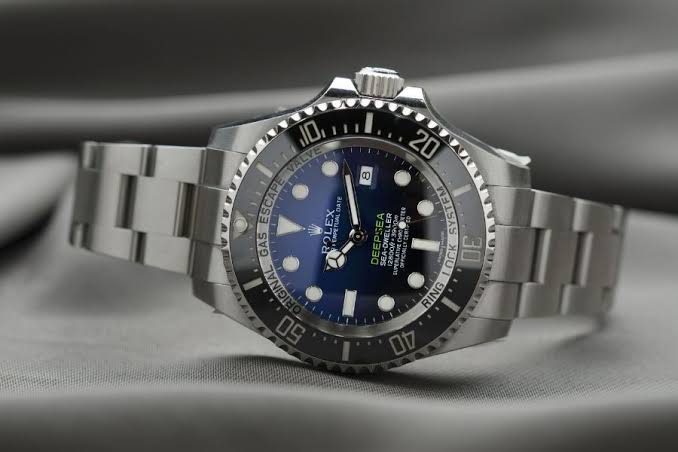
A hard knock or drop can damage the delicate internal balance staff, causing the watch to stop or run inaccurately afterward.
If your watch stopped right after an impact, this is a strong candidate for the cause and usually needs professional repair rather than a simple manual wind at home.
Loose Or Damaged Crown
The crown should sit snug against the case and turn smoothly without any grinding or resistance when winding.
If it feels loose, stuck, or won’t turn properly, this often signals a mechanical issue that requires expert attention.
Water Damage
Foggy condensation under the crystal is a clear warning sign that moisture has entered the case, which can seriously damage the movement.
If you notice this warning sign, stop wearing the watch immediately and get it to a professional as soon as possible to limit further internal damage.
Worn Lubrication And Aging Parts
Over years of use, the tiny lubricants inside a Rolex movement dry out and become less effective at reducing friction between parts.
This gradual wear is a completely normal part of owning a mechanical watch and is exactly why regular servicing matters.
Step-By-Step Troubleshooting Process
Work through these steps in order, starting with the easiest checks before assuming something is seriously wrong with your watch’s movement.
Most owners find their answer within the first two or three steps, long before any professional repair becomes necessary.
Step One: Give It A Full Manual Wind
Start with the simplest possible fix, since a depleted power reserve explains the overwhelming majority of stopped Rolex cases.
Follow the winding steps above, then wear the watch consistently throughout the day to see if it keeps running.
Step Two: Observe For 24 To 48 Hours
After a full wind, pay attention to whether the watch stops while on your wrist or specifically stops overnight.
This observation period helps determine whether the self-winding mechanism itself is functioning correctly.
Step Three: Consider Recent Impacts
Think back on whether you dropped, knocked, or otherwise impacted the watch recently, even lightly, before it stopped.
A hard shock can be enough to disturb delicate internal components even if the exterior shows no visible damage at all to the case or crystal.
Step Four: Consider Magnetic Exposure
Think about whether the watch has been near strong magnets, such as phone cases, speakers, laptop closures, or medical equipment.
If magnetism is suspected, a watchmaker can demagnetize the movement relatively quickly and inexpensively in many cases, often while you wait.
Step Five: Check For Visible Damage Or Water Ingress
Examine the crystal, case, and crown closely for scratches, cracks, fogging, or any signs that water may have entered the case.
Any of these signs point toward a problem that needs professional evaluation rather than a simple home fix.
When To See A Professional
Some issues genuinely can’t and shouldn’t be fixed at home, especially with a watch as precise and valuable as a Rolex.
- The crown feels loose, stuck, or grinds when turned
- The watch stopped suddenly after a drop or impact
- You notice fogging or condensation under the crystal
- The watch runs erratically even after a full wind and consistent wear
- It’s been more than 5 to 10 years since the last full service
- The watch is gaining or losing noticeable time day to day
Attempting to force a stuck crown or open the case yourself risks turning a simple, affordable repair into a much more expensive one.
How Often Rolex Watches Need Servicing
Rolex generally recommends a full service roughly every 5 to 10 years, depending on how often the watch is worn.
Watches worn daily tend to need service closer to the 5-year mark, while occasional-wear pieces can sometimes stretch to 10 years.
Signs that service is overdue include a watch that’s losing or gaining time, feels hard to wind, or shows fogging under the crystal after a shower or swim.
Catching these signs early tends to be far cheaper than waiting until parts fail completely and need full replacement.
What A Full Rolex Service Includes
A genuine Rolex overhaul is a meticulous, multi-step process rather than a simple cleaning or quick battery swap like you’d expect with a quartz watch.
The movement is completely disassembled, with every individual component given an ultrasonic cleaning to remove old, dried lubricant and accumulated debris.
Watchmakers then replace worn parts, apply fresh lubrication throughout the movement, and reassemble everything to the watch’s original factory specifications.
Gaskets are replaced and the case is pressure tested afterward to confirm water resistance has been fully restored to factory standards.
The exterior often receives light polishing or refinishing as well, though this is sometimes offered as an optional add-on rather than a default step.
Rolex Repair And Service Cost Guide
| Service Type | Typical Cost Range |
|---|---|
| Standard overhaul (three-hand model) | $700–$1,200 |
| Date function model | $750–$1,300 |
| Dive or GMT model | $900–$1,600 |
| Daytona chronograph | $1,400–$2,800+ |
| Crystal replacement | $150–$400 |
| Demagnetizing only | Often under $100 |
Costs vary significantly based on the specific model, the watch’s age and condition, and whether any parts need replacement beyond the base service fee.
Getting a firm, written quote before any work begins protects you from unexpected charges once the watchmaker opens up the movement.
Authorized Service Centers Vs Independent Watchmakers
Sending your watch to an official Rolex Service Center guarantees genuine parts and a factory warranty on the completed work, which many owners value for peace of mind.
Reputable independent watchmakers can often offer faster turnaround times and more competitive pricing while still using quality parts and proper techniques.
Turnaround for official service typically runs 6 to 12 weeks, while some independent specialists can complete the same work considerably faster, sometimes in just a few weeks.
Whichever option you choose, always confirm the shop’s credentials, certifications, and customer reviews before handing over a valuable timepiece for repair.
Choosing The Right Watch Winder
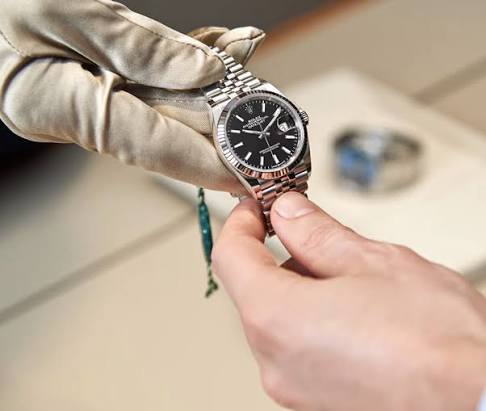
If you own multiple automatic watches or don’t wear your Rolex daily, a quality watch winder can prevent repeated stoppages.
Rotation Direction And Turns Per Day
Different Rolex movements require different winding directions and turn counts, so check your specific model’s requirements before choosing a winder.
Using the wrong settings won’t damage the watch, but it may not keep it wound as efficiently as intended.
Quality Matters
Cheap winders with weak or inconsistent motors can actually cause more wear than simply hand-winding the watch periodically.
Investing in a reputable winder brand protects both your watch’s movement and your long-term investment in the timepiece.
When A Winder Isn’t Necessary
If you wear your Rolex daily and consistently, a winder is more of a convenience than a necessity.
It becomes far more useful during travel, storage periods, or when rotating between several automatic watches in a collection.
Preventing Future Stoppages
A watch winder can keep an automatic Rolex running continuously even when you’re not wearing it, which prevents the power reserve from depleting.
Wearing your watch snugly and for longer stretches throughout the day gives the rotor enough motion to keep it fully wound.
Keeping your watch away from strong magnetic sources, like speaker magnets or magnetic phone cases, reduces the risk of magnetism-related stoppages.
Sticking to a regular service schedule, even when the watch seems to be running fine, prevents small wear issues from becoming expensive repairs.
Frequently Asked Questions (FAQs)
Why did my Rolex stop even though I wear it regularly?
If you wear it loosely or only briefly each day, the rotor may not get enough motion to stay wound. Wearing it snugly and consistently usually fixes this.
Is it normal for a Rolex to stop if I don’t wear it?
Yes, this is completely normal for automatic watches. The power reserve simply runs out after 48 to 72 hours off the wrist.
How do I know if magnetism caused my Rolex to stop?
A magnetized watch typically runs erratically, gaining or losing significant time, rather than stopping completely. A watchmaker can test and demagnetize it quickly.
Can I fix a stopped Rolex myself?
A simple manual wind is safe to try yourself. Beyond that, opening the case or forcing the crown risks further damage.
How much does it cost to service a Rolex?
Standard service typically costs between $700 and $1,600, depending on the model. Complex models like the Daytona can exceed $2,000.
How long does a Rolex service usually take?
Official Rolex Service Centers typically take 6 to 12 weeks. Independent watchmakers may offer faster turnaround times.
What does it mean if my crown feels loose?
A loose or stuck crown often signals a mechanical issue with the stem or winding mechanism. This needs professional evaluation rather than force.
How can I tell if water got into my Rolex?
Fogging or condensation under the crystal is the clearest sign of water ingress. Stop wearing the watch and see a professional immediately.
How often should I get my Rolex serviced?
Rolex generally recommends service every 5 to 10 years, depending on how often it’s worn. Daily wear typically needs service closer to 5 years.
Does a watch winder prevent my Rolex from stopping?
Yes, a winder keeps the movement running continuously even when you’re not wearing it. This prevents the power reserve from depleting between uses.
Conclusion
A stopped Rolex is almost always less alarming than it feels in the moment. In the vast majority of cases, the watch has simply run out of power reserve after sitting unworn for a couple of days, and a full manual wind followed by regular wear brings it right back to life.
When the cause turns out to be magnetism, a physical shock, a loose crown, or water exposure, the fix requires a professional rather than a home remedy, and forcing anything yourself risks turning a simple repair into a costly one.
Keeping up with regular servicing every 5 to 10 years, using a watch winder when the watch sits unworn, and keeping it away from strong magnets are the best ways to prevent future stoppages. With the right care, a Rolex is built to keep running reliably for decades.