Why Do Dogs Eat Their Vomit? Health Risks 2026

Why do dogs eat their vomit is one of the most searched dog behavior questions, and for good reason, since it is one of the more stomach-turning habits pet owners witness.
The short answer is that this behavior is rooted in instinct, going back to wild ancestors who could not afford to waste any food source. Mother dogs also regurgitate food for puppies during weaning, which teaches them from birth that eating regurgitated food is normal.
In most cases the habit is harmless, but it can sometimes signal an underlying health issue.
Why Do Dogs Eat Their Vomit – The Core Reasons
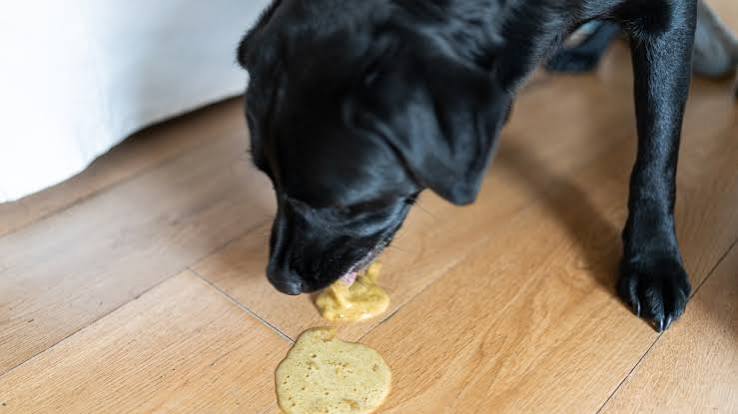
Dogs eating their own vomit looks alarming to humans, but there are clear behavioral and biological explanations behind it.
Understanding these root causes helps you decide whether the behavior needs medical attention or is simply instinct at work.
Ancestral Scavenging Instinct
Wild ancestors of domestic dogs could not waste food, so reclaiming undigested nutrients from vomit was a survival mechanism.
This instinct still lives in modern dogs even though they no longer need to scavenge for survival.
Learned Behavior From Mother Dogs
Mother dogs naturally regurgitate pre-chewed food for their puppies during the weaning process.
Puppies raised around this behavior often grow up viewing regurgitated food as a completely normal meal source.
Hiding Evidence From Predators
In the wild, leaving vomit behind could attract predators or rivals to a den or territory.
Eating the vomit quickly removed this scent trail, a behavior instinct that can still surface in domestic dogs today.
Eating Too Fast and Regurgitating
Dogs that gulp their food rapidly often regurgitate undigested chunks shortly after eating.
Since the food never fully digested, it still smells and tastes appealing, so dogs frequently eat it right back up.
Simple Hunger or Food Scarcity Anxiety
Dogs that experienced food scarcity, either as strays or in shelters, sometimes develop anxiety around losing access to food.
This anxiety can drive them to reclaim any food source available, including their own vomit.
Nutritional Deficiency
A diet lacking proper nutrients can trigger dogs to seek out any available food, including regurgitated material, to compensate.
Switching to a higher-quality, balanced diet often reduces this specific trigger.
Boredom or Lack of Mental Stimulation
Dogs left alone for long periods with nothing to do sometimes engage in unusual behaviors, including eating vomit, purely out of boredom.
Increasing playtime, walks, and enrichment toys can reduce this behavior significantly.
Underlying Medical Conditions
Gastrointestinal disorders, parasites, or chronic digestive issues can cause repeated vomiting, which increases the opportunities for a dog to eat it.
Frequent vomiting episodes always warrant a veterinary checkup to rule out deeper medical causes.
Vomiting vs Regurgitation: Know the Difference
Not everything that comes back up is technically vomit, and the distinction matters for understanding your dog’s health.
Knowing which one your dog is experiencing changes how seriously you should treat the behavior.
What Vomiting Looks Like
Vomiting is an active, involuntary process where the stomach forcefully expels its contents, often with visible abdominal heaving.
It usually contains partially digested food, bile, or stomach fluid and has a distinct sour smell.
What Regurgitation Looks Like
Regurgitation is a passive process where undigested food comes back up from the esophagus without any forceful heaving.
The food often looks tube-shaped, undigested, and appears shortly after eating with little warning.
Comparison Table: Vomiting vs Regurgitation
| Feature | Vomiting | Regurgitation |
|---|---|---|
| Process | Active, forceful | Passive, sudden |
| Timing | Can happen anytime | Usually right after eating |
| Appearance | Partially digested, may contain bile | Undigested, tube-shaped |
| Warning signs | Retching, abdominal heaving | Little to no warning |
| Common cause | Stomach upset, toxins, illness | Eating too fast, esophageal issues |
This distinction helps you describe the symptom accurately if you need to consult a veterinarian.
Is It Safe for Dogs to Eat Their Own Vomit?

In most single, isolated cases, eating fresh vomit from eating too fast or a mild stomach upset is not dangerous to your dog.
However, there are specific situations where re-ingesting vomit can become a genuine health risk.
When It Is Generally Harmless
If your dog vomited once due to eating quickly, ate something mildly irritating, or experienced brief motion sickness, eating it back is usually not harmful.
The vomit in these cases is simply undigested food that has not been contaminated by illness or toxins.
When It Becomes a Health Risk
If the vomit contains blood, bile in large amounts, parasites, or was caused by poisoning, re-ingestion can worsen the underlying problem.
Repeated exposure to the same toxin or pathogen through re-ingestion can prolong illness or intensify symptoms.
Health Risks of Dogs Eating Their Vomit
While the behavior itself is often harmless, certain scenarios carry real health consequences worth understanding.
Being aware of these risks helps you know when observation is enough and when a vet visit is necessary.
Re-Exposure to Toxins or Spoiled Food
If the original vomiting episode was triggered by something toxic or spoiled, eating the vomit reintroduces that same harmful substance into the body.
This can extend recovery time or worsen symptoms like lethargy and diarrhea.
Parasite and Bacterial Transmission
Vomit can sometimes contain parasite eggs or harmful bacteria, especially if the dog vomited due to an internal parasite infection.
Re-ingesting this material can perpetuate the infection cycle instead of clearing it.
Esophageal Irritation From Frequent Regurgitation
Dogs that regularly regurgitate and re-eat food can develop chronic esophageal irritation over time.
This may lead to inflammation, discomfort while swallowing, or in rare cases, esophageal damage.
Masking Symptoms of a Serious Illness
When a dog quickly eats its vomit, owners often miss the chance to examine its color, texture, or content for warning signs.
This can delay recognizing symptoms of poisoning, internal bleeding, or infection that need urgent veterinary care.
Dental and Digestive Strain
Repeated vomiting and re-ingestion cycles put extra strain on the digestive tract and can contribute to bad breath and dental issues over time.
Stomach acid exposure from frequent vomiting can also gradually affect tooth enamel.
When You Should Be Worried
Not every instance of a dog eating vomit requires a vet visit, but certain warning signs should never be ignored.
Recognizing these red flags early can prevent a minor issue from becoming a medical emergency.
Warning Signs to Watch For
| Symptom | Possible Concern |
|---|---|
| Vomit contains blood | Internal bleeding or ulcer |
| Vomiting occurs repeatedly in one day | Poisoning or obstruction |
| Lethargy or weakness | Systemic illness |
| Loss of appetite for over 24 hours | Digestive or organ issue |
| Diarrhea alongside vomiting | Infection or dietary intolerance |
| Visible weight loss over time | Chronic digestive disorder |
| Difficulty swallowing | Esophageal problem |
| Vomit smells unusually foul | Possible internal infection |
If any of these signs appear alongside the vomiting, contacting your veterinarian promptly is the safest choice.
Puppies and Senior Dogs Need Extra Caution
Puppies dehydrate much faster than adult dogs, so repeated vomiting in young dogs should be checked quickly.
Senior dogs are more prone to underlying organ issues, making persistent vomiting a bigger red flag at an older age.
How to Stop a Dog From Eating Its Vomit
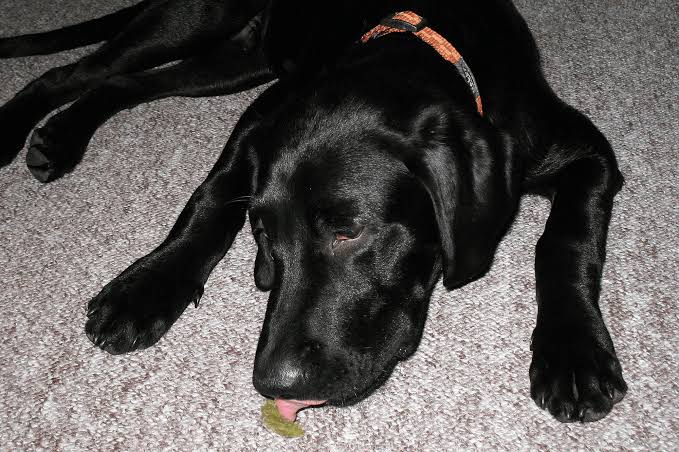
Even when the behavior is not dangerous, most owners still want to break the habit for hygiene and comfort reasons.
These practical steps can help reduce or eliminate the behavior over time.
Clean Up Vomit Immediately
The fastest way to prevent re-ingestion is simply removing the vomit from your dog’s reach as soon as it happens.
Keeping paper towels or a designated cleanup kit nearby makes this quicker during unexpected episodes.
Slow Down Fast Eaters
If your dog regurgitates from eating too quickly, a slow-feeder bowl can dramatically reduce how often this happens.
Splitting meals into smaller, more frequent portions also helps prevent rapid gulping.
Improve Diet Quality
Switching to a high-quality, balanced dog food can address any nutritional deficiencies driving the behavior.
Consult your veterinarian before changing food brands to ensure the new diet fits your dog’s specific needs.
Increase Mental and Physical Stimulation
Boredom-driven behaviors often decrease significantly once a dog receives more exercise, playtime, and enrichment activities.
Puzzle toys and daily walks are simple ways to reduce anxiety-related or boredom-related habits.
Train a “Leave It” Command
Teaching a reliable “leave it” cue gives you a direct way to stop your dog from approaching vomit before you can clean it up.
Consistent positive reinforcement training makes this command effective in emergency moments.
Address Underlying Anxiety
If food scarcity anxiety is the root cause, working with a trainer or behaviorist on structured feeding routines can help.
Predictable feeding schedules reassure anxious dogs that food will consistently be available.
Common Myths About Dogs Eating Vomit
Several misconceptions exist around this behavior, and clearing them up helps owners respond appropriately.
Believing these myths can sometimes lead to unnecessary worry or, conversely, overlooking real warning signs.
Myth: It Always Means Something Is Wrong
In reality, this behavior is often just instinct or a learned habit from puppyhood, not a sign of illness.
Context matters more than the behavior itself when deciding whether to be concerned.
Myth: All Dogs Do This
Not every dog eats its vomit, and preference varies based on the individual dog, the food type, and how fresh the vomit is.
Some dogs will completely avoid their vomit regardless of circumstances.
Myth: It’s Always Disgusting but Never Harmful
While often harmless, certain scenarios involving toxins, parasites, or blood genuinely carry health risks that should not be dismissed.
Assuming it is always harmless can delay necessary veterinary care in serious cases.
Preventing Future Vomiting Episodes
Reducing how often your dog vomits in the first place naturally reduces opportunities for this behavior to occur.
These preventive habits support better digestive health overall.
Stick to a Consistent Diet
Sudden food changes are one of the most common triggers for dog vomiting.
Introduce new foods gradually over seven to ten days to minimize digestive upset.
Monitor What Your Dog Eats Outdoors
Dogs that scavenge on walks are more likely to ingest something that triggers vomiting.
Keeping a close eye during walks and using a “leave it” command can prevent accidental ingestion of spoiled food or toxins.
Schedule Regular Veterinary Checkups
Routine vet visits help catch parasites, dietary intolerances, or digestive issues before they become chronic vomiting problems.
Annual or biannual checkups are especially important for dogs with a history of frequent vomiting.
Keep Fresh Water Available
Dehydration can sometimes worsen nausea and vomiting frequency in dogs.
Ensuring constant access to clean water supports healthy digestion and reduces one potential trigger.
Do Different Dog Breeds Eat Vomit More Than Others?
Breed and individual temperament can influence how likely a dog is to eat its own vomit.
While this behavior can appear in any breed, a few patterns tend to show up more often.
Fast-Eating Breeds Are More Prone to Regurgitation
Breeds known for gulping food quickly, such as Labradors and Beagles, are statistically more likely to regurgitate undigested food.
Since the food is barely broken down, it remains appetizing enough for the dog to eat it right back up.
Rescue and Former Stray Dogs
Dogs that spent time as strays or in shelters often developed food scarcity anxiety from unreliable access to meals.
This history can make them more likely to reclaim any available food, including their own vomit, well into adulthood.
Working and High-Energy Breeds
Highly active breeds that experience boredom when under-stimulated sometimes develop unusual food-related habits, including this one.
Ensuring these breeds get sufficient physical and mental exercise can reduce boredom-driven behaviors significantly.
The Role of Diet in This Behavior
What you feed your dog directly influences both how often they vomit and how likely they are to eat it afterward.
Small dietary adjustments can make a noticeable difference over time.
Low-Quality Fillers and Vomiting Frequency
Diets high in cheap fillers and low in digestible protein can be harder on a dog’s stomach, increasing vomiting frequency.
Switching to a diet with quality protein sources often reduces digestive upset and, in turn, reduces vomiting episodes.
Portion Control and Meal Timing
Feeding large meals infrequently increases the chance of gulping and subsequent regurgitation.
Splitting daily food into two or three smaller meals is a simple change that often reduces both vomiting and re-eating.
Food Allergies and Sensitivities
Undiagnosed food allergies can cause chronic mild vomiting that owners might not immediately connect to diet.
An elimination diet under veterinary guidance can help identify and remove the trigger ingredient.
Table: Diet-Related Triggers and Solutions
| Diet Issue | Effect on Dog | Recommended Fix |
|---|---|---|
| Eating too fast | Regurgitation of undigested food | Slow-feeder bowl |
| Low-quality food | More frequent vomiting | Switch to higher-quality diet |
| Sudden food change | Digestive upset | Transition gradually over 7-10 days |
| Food allergy | Chronic mild vomiting | Elimination diet with vet guidance |
| Large infrequent meals | Gulping and regurgitation | Split into smaller, frequent meals |
Small, consistent dietary changes often resolve this behavior faster than behavioral training alone.
What Veterinarians Say About This Behavior
Veterinary professionals generally agree that occasional vomit-eating is a normal canine behavior rooted in instinct rather than a medical red flag on its own.
However, most vets recommend paying close attention to frequency and accompanying symptoms rather than the act itself.
Frequency Matters More Than the Behavior
A single episode tied to fast eating or mild stomach upset is rarely a concern according to most veterinary guidance.
Frequent or escalating episodes, on the other hand, are what typically prompt vets to recommend diagnostic testing.
Bloodwork and Diagnostic Testing
If vomiting becomes chronic, vets often recommend bloodwork, fecal testing for parasites, and sometimes imaging to rule out obstructions.
These tests help distinguish between simple dietary causes and more serious underlying conditions.
Quick Recap: Instinct vs Warning Sign
Sorting this behavior into two simple buckets makes it easier to decide your next move.
The table below summarizes the core takeaway from this entire guide.
| Situation | Category | Action Needed |
|---|---|---|
| Single episode, dog acts normal | Instinct/habit | Monitor only |
| Fast eater regurgitating undigested food | Behavioral | Slow feeder bowl |
| Puppy learned from mother | Instinct/habit | No action needed |
| Vomit contains blood or foul smell | Warning sign | Vet visit |
| Repeated vomiting within 24 hours | Warning sign | Vet visit |
| Lethargy, appetite loss, diarrhea | Warning sign | Vet visit promptly |
Keeping this table in mind during any vomiting episode helps you respond calmly and appropriately every time.
Frequently Asked Questions (FAQs)
Why do dogs eat their vomit right after throwing up?
This is usually instinct passed down from wild ancestors who could not waste food sources. It can also be a learned habit from puppyhood weaning behavior.
Is it dangerous for a dog to eat its own vomit?
In most single, mild cases it is not dangerous. It becomes risky if the vomit contains toxins, blood, or parasites.
Should I stop my dog from eating vomit?
It is a good idea to clean it up quickly and discourage the habit, mainly for hygiene reasons. It is not always medically necessary to intervene.
Does eating vomit mean my dog has worms?
Not necessarily, but frequent vomiting combined with weight loss or diarrhea could indicate parasites. A vet checkup can confirm or rule this out.
Why does my puppy eat its vomit but my adult dog doesn’t?
Puppies often learn this behavior during weaning from their mother’s regurgitation feeding. Individual preference and food type also play a role at any age.
Can eating vomit cause more vomiting?
Occasionally, especially if the vomit contains something irritating or toxic. Otherwise, eating fresh undigested food rarely triggers additional vomiting on its own.
What foods make dogs more likely to vomit and re-eat it?
Foods eaten too quickly, spoiled table scraps, and sudden diet changes are common triggers. Fatty or rich foods can also upset digestion easily.
How can I tell if my dog’s vomiting needs a vet visit?
Watch for blood, repeated episodes, lethargy, or loss of appetite lasting more than a day. Any of these signs warrant a prompt veterinary evaluation.
Does a slow feeder bowl really help with this behavior?
Yes, slow feeders reduce gulping, which is one of the most common causes of regurgitation and re-eating. Many owners see noticeable improvement within days.
Is eating vomit linked to anxiety in dogs?
Yes, dogs with food scarcity anxiety or general stress may be more prone to reclaiming any available food source. Structured routines and enrichment can help ease this anxiety.
Conclusion
Dogs eating their own vomit is one of those behaviors that looks alarming but is usually rooted in deep-seated instinct rather than a medical emergency. From ancestral scavenging habits to learned behavior during puppyhood weaning, most cases are simply nature at work rather than a cause for panic.
That said, real health risks do exist when the vomit contains toxins, blood, parasites, or signals a deeper gastrointestinal issue, so paying attention to context and accompanying symptoms matters.
Cleaning up vomit promptly, improving diet quality, slowing down fast eaters, and scheduling regular vet checkups are all practical ways to reduce the behavior and protect your dog’s long-term digestive health.
If vomiting becomes frequent, contains blood, or comes with lethargy and appetite loss, don’t wait to consult your veterinarian for a proper diagnosis and peace of mind in 2026.