Why Do Dogs Snore? When to Worry 2026
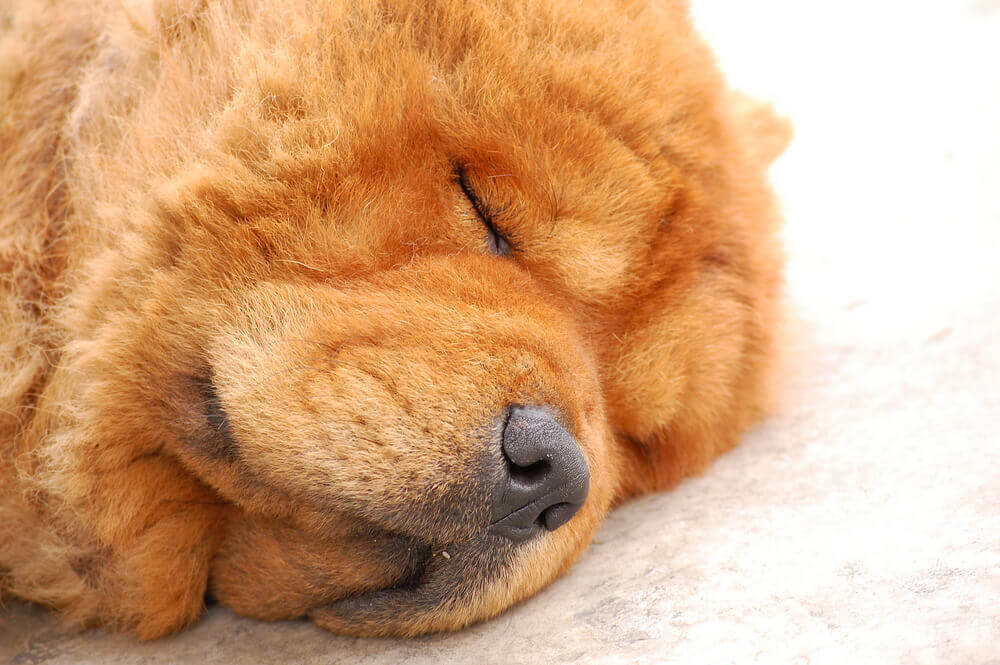
Why does my dog snore is a question millions of pet owners ask — often while lying awake listening to the rumbling coming from the dog bed across the room.
The truth is, dog snoring is extremely common, and in many cases it is completely harmless.
But sometimes it signals something worth investigating.
Whether your dog has always snored or just started recently, understanding the cause makes all the difference.
Why Do Dogs Snore
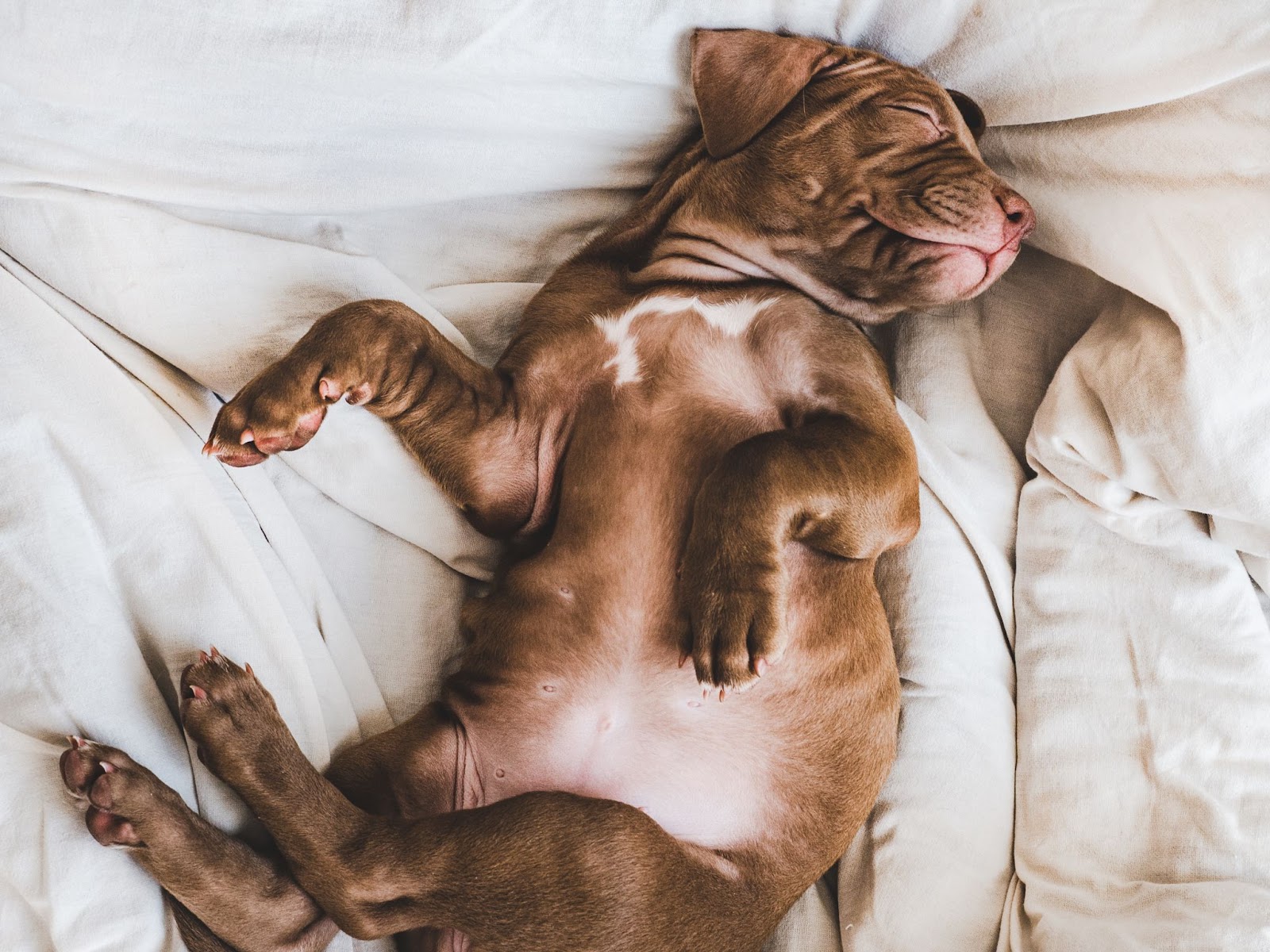
Snoring in dogs is medically referred to as stertor. It is the noise produced when something partially obstructs or restricts airflow through the nose, throat, or airways during sleep.
When air cannot flow smoothly, the soft tissues in the throat and nasal passages vibrate. That vibration creates the snorting, rumbling, or rattling sounds you hear at night.
The obstruction can be structural, temporary, or caused by an underlying health condition. Identifying which category your dog falls into is the first step toward understanding whether action is needed.
The Most Common Reasons Dogs Snore
Breed Anatomy and Brachycephalic Airway Syndrome
The single biggest reason dogs snore is their physical anatomy, especially in flat-faced breeds. Dogs classified as brachycephalic have shorter-than-normal muzzles, compressed nasal passages, and structural differences throughout their airways.
Brachycephalic obstructive airway syndrome (BOAS) is a collection of physical traits found in these breeds that restricts airflow. The main features of BOAS include narrow or stenotic nostrils, an elongated soft palate that partially covers the windpipe, a narrowed trachea, and everted laryngeal saccules.
These structural differences make brachycephalic dogs heavy breathers by default. Their snoring is often lifelong and not a sign of illness — it is simply how they are built.
Which Dog Breeds Snore the Most?
Brachycephalic breeds are by far the biggest snorers in the dog world. But some large breeds also snore due to different anatomical factors.
| Breed | Snoring Reason |
|---|---|
| French Bulldog | Narrow nostrils, elongated soft palate, BOAS |
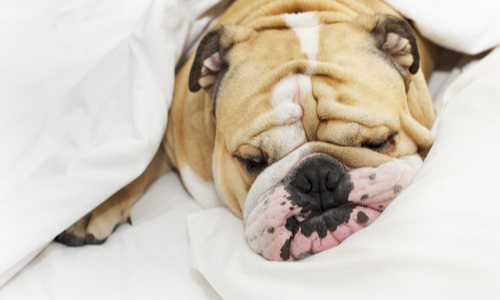
| English Bulldog | Severely compressed airway, heavy soft tissue |
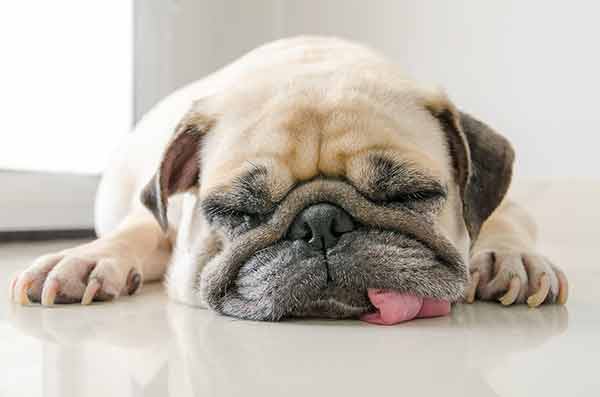
| Pug | Extremely short muzzle, BOAS, narrow trachea |
| Boston Terrier | Flat face, narrow nostrils, soft palate issues |
| Shih Tzu | Short muzzle, compact airway structure |
| Boxer | Flat face, loose throat tissue |
| Pekingese | Very short muzzle, heavy soft palate |
| Cavalier King Charles Spaniel | Brachycephalic traits, soft palate elongation |
| Labrador Retriever | Obesity-related snoring, heavy build |
| Saint Bernard | Large, heavy body; pendulous jowls |
| Basset Hound | Long soft palate, heavy loose skin around face |
Non-brachycephalic breeds like Labs and Saint Bernards can snore too, often due to weight, sleeping position, or age-related changes.
Sleeping Position
One of the most overlooked causes of dog snoring is how your dog sleeps. Dogs that sleep flat on their backs are especially prone to snoring.
When a dog lies on its back, the tongue relaxes and falls toward the back of the throat. This partially narrows the airway and creates the vibration that causes snoring.
A dog sleeping with its neck kinked, head hanging off the bed edge, or chin resting on a hard surface can also temporarily obstruct airflow and snore as a result. This type of snoring stops as soon as the dog shifts position and is no reason for concern.
Obesity and Excess Weight
Obesity is a significant and preventable cause of dog snoring. When a dog carries excess weight, fatty tissue accumulates around the neck, chest, and throat.
That extra tissue presses on the airway from the outside, narrowing the passage and making breathing during sleep more labored. Overweight dogs often snore more, pant heavily at night, and tire quickly on walks.
Managing your dog’s weight through a balanced diet and regular exercise can produce a noticeable reduction in snoring. It also benefits cardiovascular health, joint function, and overall longevity.
Allergies
Dogs can develop allergies to environmental triggers like pollen, dust mites, mold spores, and pet dander, as well as to certain foods. When allergies flare, the tissues lining the nasal passages and airways become inflamed and swollen.
That inflammation narrows the airway and causes snoring. Dogs with seasonal allergies may snore more during spring or autumn when pollen counts are high. Indoor allergens like dust can cause year-round snoring.
Signs that allergies may be behind your dog’s snoring include sneezing, watery eyes, itchy skin, paw licking, and snoring that worsens at certain times of year or in certain environments.
Respiratory Infections
Upper respiratory infections — whether caused by bacteria, viruses, or fungi — cause mucus production and airway inflammation. A congested dog snores just like a congested person does.
Common viral and bacterial respiratory infections in dogs include canine influenza, kennel cough (Bordetella bronchiseptica), and canine distemper. These infections cause runny nose, congestion, coughing, and snoring.
Most mild respiratory infections resolve within 1–2 weeks. If your dog develops fever, lethargy, appetite loss, or thick nasal discharge alongside the snoring, a vet visit is warranted.
Fungal Infections — Aspergillosis
Aspergillosis is the most common nasal fungal infection seen in dogs. It is caused by the Aspergillus fungus, which is found naturally in grass, hay, compost, and soil.
When a dog inhales the fungal spores, the mold colonizes the nasal passages. This causes inflammation, thickened mucus, nasal discharge, and snoring. Outdoor dogs and farm dogs are at higher risk, though any dog that goes outside can be exposed.
Signs of aspergillosis beyond snoring include a smelly discharge from one or both nostrils, visible swelling around the nose, and reduced airflow from one nostril. Treatment typically requires antifungal medication for an extended period.
Laryngeal Paralysis
Laryngeal paralysis is a condition where the nerves controlling the vocal cords become weakened or fully paralyzed. Normally, the laryngeal folds open wide when a dog inhales, allowing air to flow freely. With paralysis, they fail to open properly.
The result is a loud, raspy, honking noise when the dog breathes — especially during exertion or sleep. Dogs with laryngeal paralysis often have a hoarse or whispery bark.
This condition is most common in older large-breed dogs, particularly Labrador Retrievers, Golden Retrievers, and Irish Setters. It is a serious condition that often requires surgical treatment to prevent respiratory crises.
Hypothyroidism
Hypothyroidism is a condition where the thyroid gland fails to produce sufficient hormones to regulate metabolism. The thyroid gland sits directly behind the trachea, which may be part of why hypothyroid dogs develop snoring.
Dogs with hypothyroidism often gain weight — which itself causes snoring — and may develop soft tissue changes around the throat that further restrict airflow.
Other signs of hypothyroidism include hair thinning or loss, a dull coat, lethargy, weight gain without increased eating, cold intolerance, and skin scaling. A blood test can diagnose it, and thyroid hormone supplementation is an effective treatment.
Nasal Polyps, Tumors, and Foreign Objects
Growths inside the nasal passages or throat — including polyps, benign masses, and cancerous tumors — physically block airflow and cause snoring. These obstructions may start small and worsen gradually as the growth increases in size.
A foreign object lodged in the nasal cavity or throat is another physical obstruction. Dogs sniff and investigate with their noses constantly, which means grass seeds, small twigs, food fragments, and other debris can occasionally become stuck.
Foreign bodies often cause sudden-onset snoring, head shaking, pawing at the nose, and nasal discharge. This typically requires veterinary removal rather than resolving on its own.
Medications and Sedatives
Some medications cause the muscles and soft tissues of the throat to relax more than usual. Muscle relaxants, pain medications, and sedatives can all deepen the relaxation of throat tissue during sleep, which narrows the airway and causes temporary snoring.
If your dog recently started a new medication and snoring followed, mention it to your vet. In most cases this is a manageable side effect rather than a reason to stop the medication.
Environmental Irritants
Secondhand smoke, perfumes, air fresheners, cleaning product fumes, and dusty environments all irritate a dog’s respiratory system. Dogs have a much more sensitive sense of smell than humans and are therefore more affected by airborne irritants.
Ongoing exposure to smoke — whether from cigarettes, candles, or fireplaces — can cause chronic airway inflammation, bronchitis, and persistent snoring. Removing or reducing these irritants often produces a meaningful improvement.
Age-Related Changes
Senior dogs are more prone to snoring than younger dogs for several reasons. Muscle tone in the throat decreases with age, allowing tissues to relax more and partially obstruct the airway during sleep.
Older dogs also develop a higher frequency of age-related conditions — including hypothyroidism, laryngeal paralysis, tracheal collapse, and nasal tumors — all of which can cause or worsen snoring.
Increased snoring in a senior dog is sometimes the first visible clue that an underlying condition is developing. Regular wellness checks help monitor these changes and catch issues early.
Is My Dog’s Snoring Normal or a Problem?
Context is everything when evaluating dog snoring. The same sound can be completely normal in one dog and a warning sign in another.
| Situation | Likely Meaning |
|---|---|
| Brachycephalic breed, lifelong snorer, otherwise healthy | Normal anatomy — monitor but usually no treatment needed |
| Dog snores only when on its back | Position-related — normal and harmless |
| Snoring started suddenly with no obvious trigger | Warrants vet investigation |
| Snoring accompanied by nasal discharge | Possible infection or foreign body |
| Snoring during waking hours as well as sleep | Significant airway concern — see a vet |
| Snoring alongside lethargy, weight loss, or coughing | Underlying health condition — vet visit needed |
| Snoring with brief pauses in breathing | Possible sleep apnea — veterinary evaluation required |
| Senior dog whose snoring worsened over months | Age-related condition developing — schedule a check-up |
Dog Sleep Apnea — What It Is and Why It Matters
Sleep apnea in dogs is a condition where breathing repeatedly stops for brief periods during sleep. It is most commonly seen in brachycephalic breeds and overweight dogs.
During an apnea episode, the dog may appear to gasp, snort loudly, or wake briefly before falling back asleep. The pattern of snoring, pause, gasp, snore is characteristic.
Untreated sleep apnea creates cardiovascular strain over time. The frequent drops in oxygen level during sleep stress the heart and can contribute to high blood pressure, irregular heartbeat, and reduced life quality.
Dogs with suspected sleep apnea should be evaluated by a veterinarian. In brachycephalic dogs, surgical correction of the anatomical defects is often the most effective long-term solution.
When Should You Call the Vet About Dog Snoring?
Knowing when to pick up the phone is one of the most important things a dog owner can learn. Most snoring is benign — but these signs should prompt a vet call.
Your dog snores and has never snored before. Sudden-onset snoring without a clear cause always warrants investigation.
Snoring is accompanied by nasal discharge — especially if it is colored, bloody, or has a foul smell.
You notice breathing pauses or gasping during sleep. This may indicate sleep apnea or an airway obstruction.
The snoring happens when your dog is awake, not just during sleep. Daytime snoring suggests a more significant airway problem.
Your dog seems tired, lethargic, or less interested in exercise despite what appears to be adequate rest. Poor sleep quality from breathing difficulty can cause daytime fatigue.
You can see your dog’s chest or belly working harder than normal to breathe. This visible effort is a red flag.
Your dog is a brachycephalic breed and the snoring is getting louder or more frequent over time. BOAS can progress and may eventually benefit from surgical intervention.
What the Vet Will Do
When you bring a snoring dog to the vet, the examination will aim to identify the specific cause. Your vet will ask detailed questions about when the snoring started, how often it happens, whether it occurs during the day, and what other symptoms are present.
The physical examination will include looking inside the nostrils, mouth, and throat. The vet will listen to breathing and lung sounds with a stethoscope.
Depending on findings, they may recommend diagnostic tests. X-rays and CT scans can reveal structural abnormalities, masses, or signs of infection in the nasal cavity and chest. Endoscopy allows direct visualization of the nasal passages and larynx. Blood tests help screen for hypothyroidism, infection, and other systemic conditions.
Recording a short video or audio clip of your dog’s snoring at home is genuinely useful. Bring it to the appointment — it helps the vet hear what you are hearing in context.
How to Stop Your Dog from Snoring — Practical Tips
Not all snoring can be eliminated, but many cases can be meaningfully reduced with targeted changes.
Adjust Sleep Position
Encourage your dog to sleep on their side rather than their back. A rounded or bolster-style dog bed supports side sleeping and prevents the back-sleeping position that causes the tongue to fall into the throat.
Some owners place a small pillow under their dog’s head to slightly elevate and extend the neck, which can help open the airway.
Help Your Dog Lose Weight
If your dog is overweight, weight reduction is the single most impactful change you can make to reduce snoring. Work with your vet to create a calorie-appropriate diet and a graduated exercise plan.
Even a modest weight loss of 10–15% of body weight can produce visible improvements in breathing, energy, and snoring volume.
Improve Air Quality
Use an air purifier with a HEPA filter in the room where your dog sleeps. This reduces airborne allergens including dust, pollen, and mold spores.
Keep your home smoke-free. Avoid using strong air fresheners, perfumed candles, or chemical sprays near your dog’s sleeping area. Good ventilation makes a real difference.
Add a Humidifier
Dry air can irritate the nasal passages and worsen snoring. A humidifier in the sleeping area adds moisture to the air, which soothes the airway lining and can reduce the vibration that causes snoring.
Keep the humidifier clean to prevent mold growth, which would create a new problem rather than solving the existing one.
Address Allergies
If allergies are the trigger, work with your vet to identify the specific allergen. Treatment may include antihistamines, anti-inflammatory medications, dietary changes, or allergen-specific immunotherapy.
Washing your dog’s bedding regularly, using allergy-friendly bedding materials, and vacuuming frequently reduces household allergen load.
Treat Underlying Medical Conditions
If snoring is caused by a diagnosable condition — hypothyroidism, a respiratory infection, BOAS, laryngeal paralysis, or a nasal mass — treating that condition is the most effective route to reducing snoring.
Follow your vet’s treatment plan precisely. For infections, complete the full course of antibiotics or antifungals even if symptoms improve early.
Surgery for Brachycephalic Dogs
In moderate to severe BOAS cases, surgery can significantly improve quality of life. Procedures may include widening the nostrils (rhinoplasty), trimming the elongated soft palate, and removing everted laryngeal saccules.
These surgeries improve airflow, reduce snoring, lower the risk of respiratory crises, and allow dogs to exercise more comfortably. The best outcomes happen when surgery is performed before the condition has caused secondary airway damage.
Snoring vs. Other Breathing Sounds — What Is the Difference?
Not every breathing noise a dog makes is snoring. Knowing the difference helps you describe the sound accurately to your vet.
Snoring (stertor) is a low, rumbling, vibrating sound from the throat during sleep. It is caused by soft tissue vibration in the pharynx.
Stridor is a high-pitched, harsh sound when breathing, usually heard on inhalation. It indicates narrowing in the larynx or trachea and is more serious than ordinary snoring.
Reverse sneezing is a rapid, snorting inhalation that sounds alarming but is usually harmless. The dog appears to inhale forcefully through the nose in a spasm-like pattern. It often resolves within seconds without treatment.
Wheezing is a whistling or squeaking sound, usually on exhalation, indicating narrowing in the lower airways. It may suggest bronchitis, asthma, or cardiac issues.
If you are unsure which sound your dog is making, a short video recording is the best way to capture it for your vet to assess.
Snoring in Puppies — Is It Normal?
Puppies can snore too, often due to their developing airways and their tendency to fall into deeply relaxed, heavy sleep. Positional snoring in a growing puppy is usually harmless.
However, loud or persistent snoring in a very young puppy may indicate anatomical issues that could benefit from early evaluation. In brachycephalic breeds, early identification of BOAS severity can help plan ahead for whether surgical correction will be needed.
If you notice a puppy that snores constantly, struggles to breathe after mild play, or tires quickly, mention it to your vet at the next health check.
Living With a Snoring Dog
For many dog owners — especially those with brachycephalic breeds — snoring is simply part of daily life. It can be endearing, and in a healthy dog it requires no treatment beyond monitoring.
Practical ways to coexist comfortably with a snoring dog include moving the dog’s bed slightly farther from yours if the noise disrupts sleep, using a white noise machine to mask the sound, and recording the snoring periodically to track changes over time.
A baseline recording taken when your dog is healthy and stable is invaluable later on. If the snoring changes significantly, you will have a comparison to show your vet rather than relying on memory.
Frequently Asked Questions (FAQs)
Why does my dog snore so loudly all of a sudden?
Sudden loud snoring can be caused by a respiratory infection, nasal foreign body, new allergy, weight gain, or the onset of an underlying condition. It should always be evaluated by a vet if there is no obvious cause like a new sleeping position.
Is it normal for dogs to snore every night?
Yes, especially in brachycephalic breeds. Nightly snoring in a flat-faced dog that is otherwise healthy, energetic, and eating well is usually normal anatomy at work rather than a medical problem.
Can allergies make my dog snore?
Yes. Allergies cause inflammation and swelling of the nasal passages and throat tissue, which restricts airflow and produces snoring. Treating the allergy often reduces the snoring significantly.
Do all brachycephalic dogs snore?
Most do to some degree. Breeds like Pugs, French Bulldogs, English Bulldogs, and Boston Terriers have structural airway features that make snoring a near-universal trait. The severity varies from mild to significant.
Can losing weight stop my dog from snoring?
Often yes. Excess body weight causes fatty tissue accumulation around the throat that narrows the airway. Weight loss reduces that pressure, and many dogs snore noticeably less after reaching a healthy weight.
Could my dog have sleep apnea?
Dogs can develop sleep apnea, most commonly in brachycephalic breeds and obese dogs. Signs include snoring interrupted by breathing pauses, gasping, and daytime fatigue. A vet evaluation is needed if you observe these patterns.
Should I be worried if my dog snores while awake?
Yes. Snoring during waking hours suggests a more significant airway restriction than position-related sleep snoring. It warrants a veterinary examination to check for BOAS, laryngeal paralysis, or nasal obstruction.
What home remedies actually help dog snoring?
Encouraging side sleeping, using a humidifier, improving air quality with a HEPA air purifier, and helping an overweight dog lose weight are the most effective home approaches. Eliminating smoke and strong airborne irritants also helps.
Can my dog’s snoring get worse with age?
Yes. Muscle tone in the throat decreases with age, and age-related conditions like laryngeal paralysis and hypothyroidism can develop over time. Senior dogs that start snoring more should have a wellness check to rule out developing health issues.
When should I take my snoring dog to the vet?
Take your dog to the vet if snoring started suddenly without explanation, if it occurs when awake, if it is accompanied by nasal discharge or breathing difficulty, if breathing pauses during sleep, or if your dog seems fatigued and less active than usual.
Conclusion
Why does my dog snore almost always has a straightforward answer — anatomy, sleeping position, weight, or environment.
For millions of brachycephalic dogs, snoring is simply part of who they are.
But knowing the full picture means you can tell the difference between a happy, deeply sleeping dog and one that is working harder than it should to breathe.
Monitor the sound over time, keep your dog at a healthy weight, manage allergens and irritants in the home, and give them a supportive sleeping surface that encourages side sleeping.
For sudden changes in snoring, daytime breathing noise, or any signs of labored breathing, never wait — call your vet and bring a short recording of the sound.
With the right attention and care, most snoring dogs live long, comfortable, and very well-rested lives.