Why Do Hemorrhoids Bleed? Signs You Shouldn’t Ignore 2026
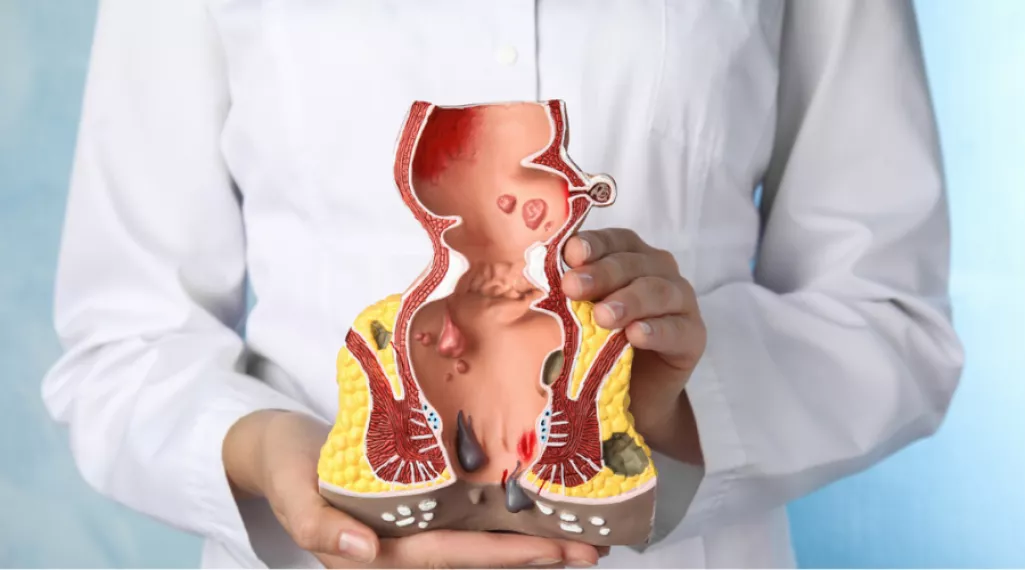
Why do hemorrhoids bleed? It is one of the most alarming questions people ask after noticing bright red blood on toilet paper or in the bowl.
Hemorrhoids are swollen veins in the rectum and anus, and when they become irritated, damaged, or inflamed, those fragile vessel walls can rupture and bleed.
While the sight of rectal bleeding is frightening, hemorrhoid bleeding is the most common cause and is usually treatable. However, not all rectal bleeding is harmless.
What Are Hemorrhoids and Why Do They Bleed?
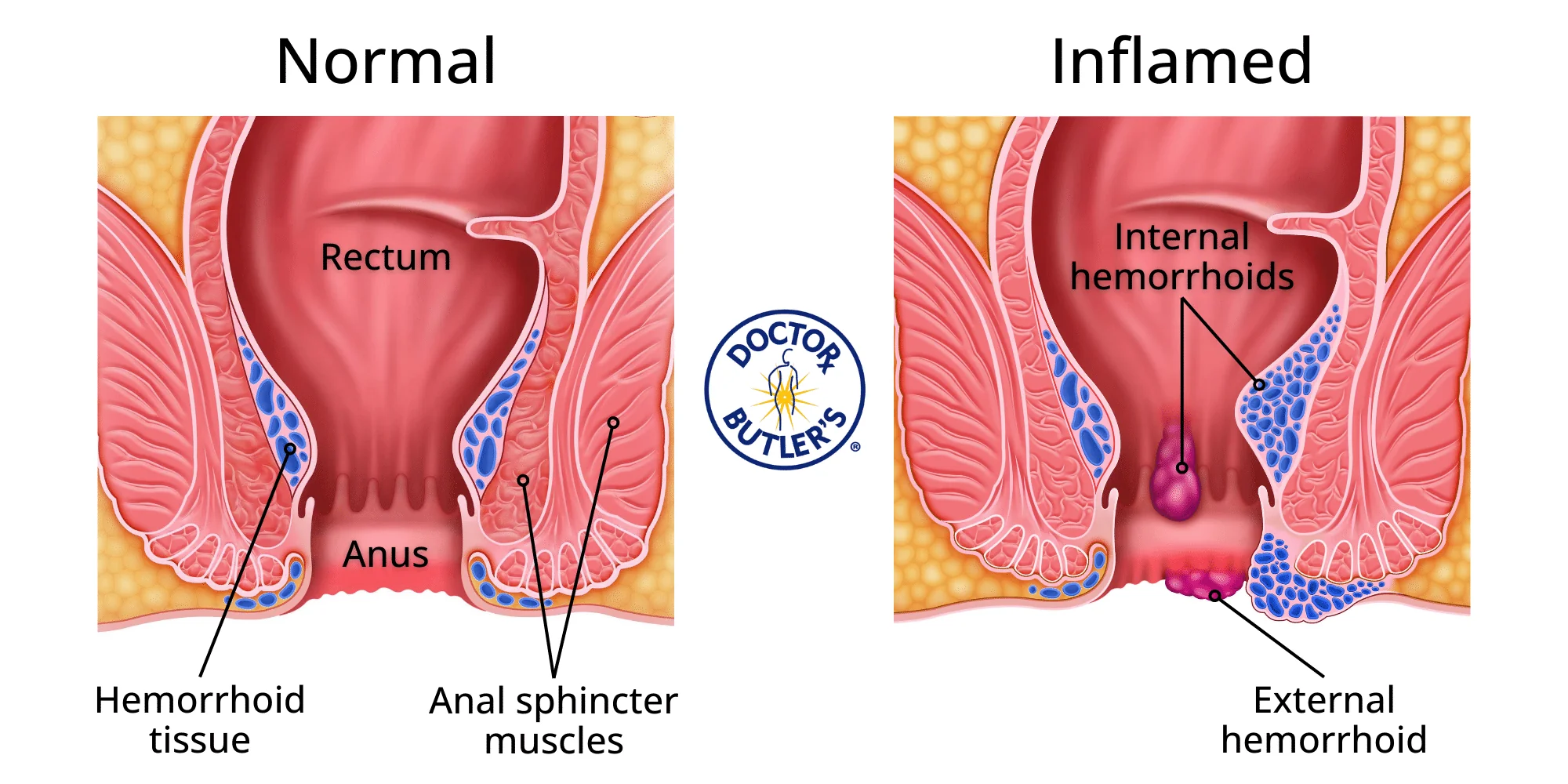
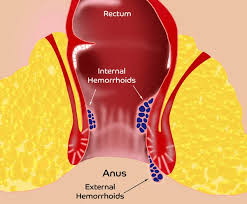
Hemorrhoids are clusters of swollen veins located in the lower rectum and around the anus. Every person is born with hemorrhoidal tissue, and it only becomes a problem when these veins enlarge and become symptomatic.
The veins in this area sit close to the surface and carry blood at relatively high pressure. When that pressure increases due to straining, constipation, or other triggers, the vessel walls stretch thin and weaken.
When a hard stool passes through the rectum or when a person strains excessively, it can scrape or rupture those weakened vessel walls. The result is the characteristic bright red blood that appears on toilet paper, on the surface of stool, or dripping into the toilet bowl.
Internal vs. External Hemorrhoids: Which Bleeds More?
Understanding which type of hemorrhoid you have helps explain your specific symptoms, including bleeding patterns.
Internal Hemorrhoids
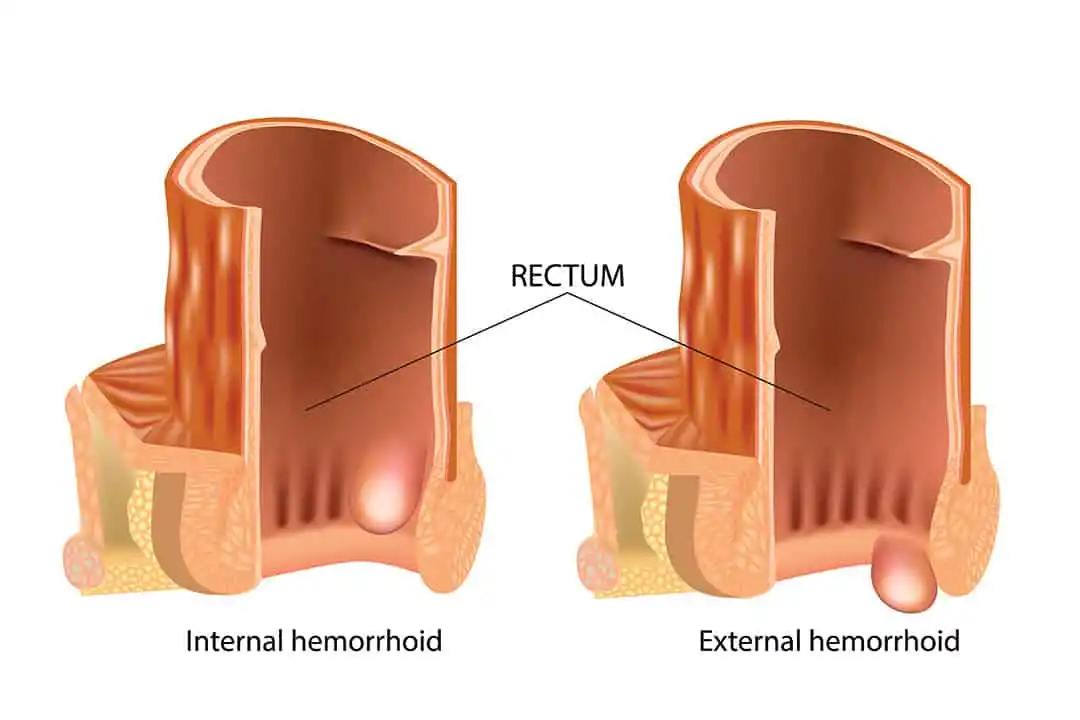
Internal hemorrhoids develop inside the rectum, above the dentate line where there are very few pain nerve endings. This is why internal hemorrhoids are usually painless, even when they bleed.
The bleeding from internal hemorrhoids tends to be the most noticeable type. Because the hemorrhoid sits directly in the path of passing stool, even a normal bowel movement can cause the swollen vein to rupture. You may see a streak of bright red blood on the stool surface or drops of blood in the toilet water with no pain whatsoever.
Internal hemorrhoids are graded in four stages of severity, from minor bulging that causes occasional bleeding all the way to permanently prolapsed tissue that requires surgery.
External Hemorrhoids
External hemorrhoids develop under the skin around the anus, in an area packed with sensitive nerve endings. They are more likely to cause pain, swelling, and itching than bleeding.
When external hemorrhoids do bleed, it usually happens after the surrounding tissue has become severely irritated, or when a blood clot forms inside the vein. This condition is called a thrombosed hemorrhoid and it can cause intense pain and significant swelling.
Prolapsed Hemorrhoids
A prolapsed hemorrhoid is an internal hemorrhoid that has pushed through the anal opening. Prolapsed hemorrhoids can cause both pain and bleeding, and the exposed tissue is more prone to irritation and rupture.
| Type | Location | Bleeding Pattern | Pain Level |
|---|---|---|---|
| Internal (Grade 1-2) | Inside rectum | Bright red, painless, after bowel movement | Usually none |
| Internal (Grade 3-4) | Protruding from rectum | Frequent, can be heavy | Moderate to severe |
| External | Outside anus under skin | Less common, occurs with severe irritation or clot | Often painful |
| Thrombosed | External with blood clot | Can bleed if clot ruptures | Severe pain |
| Prolapsed | Pushed outside anal opening | Frequent bleeding and mucus | Moderate discomfort |
Why Do Hemorrhoids Bleed? The Main Causes
Several specific factors trigger hemorrhoid bleeding. Knowing your triggers helps you prevent future episodes and reduce inflammation.
Straining During Bowel Movements
Straining is the single most common trigger for hemorrhoid bleeding. When you bear down hard to pass a stool, the pressure inside the rectal veins spikes dramatically.
This pressure surge stretches the already enlarged hemorrhoidal tissue beyond its capacity. The thin vessel walls crack or rupture under the force, releasing bright red blood.
Even brief, repeated straining over weeks or months can progressively weaken the vessel walls until even a gentle bowel movement causes bleeding.
Chronic Constipation
Constipation produces hard, dry stools that are difficult to pass without significant effort. Hard stool is more abrasive than soft stool and physically scrapes the surface of hemorrhoidal tissue as it moves through the rectum.
The combination of scraping and straining that comes with constipation is a double blow to hemorrhoid tissue. Each constipated bowel movement can irritate and re-injure the same hemorrhoid repeatedly, preventing it from healing.
Diarrhea and Loose Stools
While constipation gets most of the blame, frequent diarrhea also causes hemorrhoid bleeding. Multiple trips to the bathroom each day expose hemorrhoid tissue to repeated irritation and wiping.
The acid content of loose stool further irritates already inflamed tissue. Frequent wiping with toilet paper also physically damages the delicate surface of both internal and external hemorrhoids.
Prolonged Sitting on the Toilet
Sitting on the toilet for extended periods, particularly while reading or using a phone, allows blood to pool in the rectal veins and puts sustained pressure on hemorrhoid tissue.
The toilet seat shape naturally suspends the buttocks and increases downward pressure on the anal area. Even without straining, long toilet sessions can enlarge hemorrhoids and make them more prone to bleeding.
Pregnancy and Childbirth
Hemorrhoids are extremely common during pregnancy, affecting up to 50 percent of pregnant women, particularly in the third trimester. Several pregnancy-related factors combine to cause this.
As the uterus grows, it presses directly on the veins in the pelvis and rectum, reducing blood flow and causing pressure to build. Elevated progesterone levels simultaneously relax the walls of blood vessels, making them more prone to swelling and rupture.
Constipation is also very common during pregnancy due to hormonal changes that slow digestion. The pushing effort during labor and delivery can trigger or dramatically worsen existing hemorrhoids.
Low-Fiber Diet
A diet low in dietary fiber produces harder, smaller stools that require more effort to pass. Over time, this dietary pattern puts continuous strain on rectal veins.
People who regularly eat processed foods, fast food, and low-fiber diets have significantly higher rates of hemorrhoids and hemorrhoid bleeding compared to those who eat plenty of fruits, vegetables, whole grains, and legumes.
Obesity and Excess Body Weight
Carrying excess weight increases the baseline pressure on the veins in the lower abdomen and pelvis. This sustained pressure gradually enlarges hemorrhoidal tissue over time.
Obese individuals are more likely to be sedentary, which further reduces blood circulation in the pelvic region. Physical inactivity combined with excess weight makes hemorrhoids more likely to develop and bleed.
Heavy Lifting and Physical Exertion
Lifting heavy weights or performing intense physical exertion while holding your breath uses what is called the Valsalva maneuver. This temporarily raises intra-abdominal pressure to levels far above normal.
This surge of pressure is transmitted directly to the rectal veins. Repeated heavy lifting, weightlifting without proper breathing technique, or hard manual labor can trigger or worsen hemorrhoid bleeding.
Aging and Weakened Tissue
As people age, the connective tissue supporting the veins in the anal canal naturally weakens. By age 50, more than half of all adults have experienced symptomatic hemorrhoids.
Older adults are more likely to have hemorrhoids that bleed regularly because the tissue holding everything in place has lost its elasticity and resilience. Age-related changes also slow healing, meaning bleeding episodes may last longer.
What Hemorrhoid Bleeding Looks Like
Knowing what to look for helps you identify hemorrhoid bleeding versus more serious causes of rectal bleeding.
Bright Red Blood
Hemorrhoid bleeding is almost always bright red. This is because the blood comes from veins very close to the anal opening and has not had time to darken as it would if it came from higher up in the digestive tract.
You may notice it on toilet paper after wiping, coating the surface of the stool without being mixed in, or dripping into the toilet bowl after a bowel movement.
Painless Bleeding from Internal Hemorrhoids
One of the distinguishing features of internal hemorrhoid bleeding is that it is painless or nearly painless. Because internal hemorrhoids sit above the nerve-rich dentate line, rupturing them does not trigger the sharp pain that external hemorrhoid issues do.
Many people discover they have internal hemorrhoids only when they notice blood. This painless nature can make it tempting to ignore, but ongoing blood loss is never something to dismiss.
When Blood Appears
Hemorrhoid bleeding typically occurs during or immediately after a bowel movement. It usually stops within a few minutes once the pressure on the vein is relieved.
If you are noticing blood at times unrelated to bowel movements, blood that is dark red or maroon in color, or blood mixed into the stool rather than on the surface, these patterns suggest a different and potentially more serious source of bleeding.
How Much Bleeding Is Normal?
A few drops of bright red blood on toilet paper or a light streak on the stool surface is typical of minor hemorrhoid bleeding. This type of occasional spotting often resolves within days with dietary changes and home care.
Heavier bleeding, such as blood dripping steadily into the toilet bowl, or blood soaking through toilet paper repeatedly, is more concerning. This level of blood loss should prompt a medical evaluation, especially if it persists beyond a week.
Ongoing hemorrhoid bleeding, even if each episode seems minor, can accumulate into significant blood loss over time. Chronic hemorrhoid bleeding is one of the known causes of iron-deficiency anemia. Symptoms of anemia from hemorrhoid bleeding include unexplained fatigue, dizziness, shortness of breath during routine activities, and pale skin.
Warning Signs You Should Not Ignore
Not all rectal bleeding is from hemorrhoids, and certain warning signs mean you need to see a doctor without delay.
Blood That Is Dark Red, Maroon, or Black
Bright red blood near the anus almost always comes from the lower bowel. Dark red, maroon, or tarry black blood usually originates higher in the digestive tract and indicates a different and often more serious problem.
Dark blood mixed into the stool rather than coating the surface is particularly concerning. This pattern suggests the bleeding is coming from deep in the colon, the small intestine, or even the stomach.
Bleeding Accompanied by Severe Pain
Internal hemorrhoid bleeding is usually painless. If you are experiencing significant pain alongside rectal bleeding, it suggests an external hemorrhoid complication, a thrombosed hemorrhoid, an anal fissure, or potentially a more serious condition.
Thrombosed hemorrhoids, where a blood clot forms inside the vein, can cause sudden severe pain and visible swelling that does not respond to home treatment.
Bleeding That Lasts More Than One Week
Hemorrhoid bleeding that does not improve after seven to ten days of home treatment should be evaluated by a doctor. Persistent bleeding may indicate a larger hemorrhoid, an underlying infection, or a condition that requires medical intervention.
Do not assume that ongoing rectal bleeding is definitely just hemorrhoids without a professional diagnosis. This is especially important for anyone over age 40, where the risk of colorectal cancer and other serious conditions increases significantly.
Bleeding With Unexplained Weight Loss or Bowel Changes
If rectal bleeding is accompanied by unexplained weight loss, a persistent change in bowel habits, narrow stools, or a feeling that the bowel has not fully emptied, these are warning signs that require urgent medical evaluation.
These symptoms together can be indicators of colorectal cancer or inflammatory bowel disease, both of which require early diagnosis for the best possible outcomes.
Signs of Significant Blood Loss
If you feel dizzy, lightheaded, short of breath, or faint after noticing rectal bleeding, seek emergency care immediately. These symptoms indicate that the blood loss has been significant enough to affect your circulation and overall health.
Warning Signs: When to Call a Doctor
| Symptom | Action |
|---|---|
| Small amount bright red blood, resolves in days | Home treatment, monitor |
| Bleeding persists more than 7 days | Schedule a doctor visit |
| Heavy bleeding soaking toilet paper | See doctor promptly |
| Dark red, maroon, or black blood | Seek care immediately |
| Severe pain with bleeding | Seek care immediately |
| Bleeding with weight loss or bowel changes | Urgent medical evaluation |
| Dizziness, lightheadedness, fainting | Emergency care |
| First-time rectal bleeding with no diagnosis | See a doctor before assuming hemorrhoids |
| Over age 40 with any rectal bleeding | Colonoscopy evaluation recommended |
Home Remedies to Stop Hemorrhoid Bleeding
For mild hemorrhoid bleeding, these home treatments can reduce inflammation, soften stool, and allow the tissue to heal.
Increase Dietary Fiber
Adding more fiber to your diet is the single most effective long-term step for reducing hemorrhoid bleeding. Fiber softens stools, adds bulk, and makes them easier to pass without straining.
Aim for 25 to 35 grams of fiber per day from sources like fruits, vegetables, whole grains, beans, and lentils. Fiber supplements like psyllium husk are also effective if dietary changes are difficult to sustain.
Drink More Water
Dehydration contributes to constipation and harder stools. Drinking at least 8 glasses of water per day keeps stools soft and reduces the effort needed for bowel movements.
Adequate hydration works hand in hand with a high-fiber diet. Fiber without enough water can actually worsen constipation, so both must be increased together.
Sitz Baths
A sitz bath involves soaking the anal area in warm water for 10 to 15 minutes, two to three times per day. Warm water reduces inflammation, soothes irritated tissue, and relaxes the anal sphincter muscles.
You can use a sitz bath basin that fits over the toilet seat, or simply sit in a few inches of warm water in a bathtub. Plain warm water is sufficient; no soap or additives are needed.
Over-the-Counter Creams and Suppositories
Topical treatments containing hydrocortisone reduce swelling and inflammation around hemorrhoids. Creams with witch hazel or zinc oxide soothe irritated skin and temporarily reduce bleeding.
These products provide symptom relief but do not treat the underlying hemorrhoid. They should not be used for more than one week without medical guidance, as prolonged hydrocortisone use can thin the skin.
Avoid Straining and Prolonged Sitting
Do not strain during bowel movements. If a bowel movement is not happening within a few minutes, leave the bathroom and return later rather than pushing harder.
Limit time spent sitting on the toilet to five minutes or less. Keep the bathroom free of reading material and electronic devices that encourage prolonged sitting.
Cold Compresses
Applying a cold compress or ice pack wrapped in a cloth to the anal area for 10 to 15 minutes can reduce swelling and temporarily relieve bleeding and discomfort.
Cold therapy constricts blood vessels and reduces the pressure inside hemorrhoidal tissue. Do not apply ice directly to the skin.
OTC Pain Relievers
Ibuprofen and acetaminophen can help manage pain and discomfort from hemorrhoids while you work on longer-term solutions. Ibuprofen also has anti-inflammatory properties that may reduce swelling.
Avoid aspirin for hemorrhoid-related pain, as aspirin can promote bleeding and may worsen hemorrhoid symptoms.
Home Remedies Summary
| Remedy | How to Use | What It Does |
|---|---|---|
| High-fiber diet | 25-35g fiber daily from food or supplements | Softens stool, reduces straining |
| Water intake | 8+ glasses per day | Prevents constipation |
| Sitz bath | 10-15 min, 2-3 times daily in warm water | Reduces inflammation and swelling |
| OTC cream or suppository | As directed, max 1 week | Soothes irritation, reduces inflammation |
| Cold compress | 10-15 min intervals, cloth-wrapped ice | Reduces swelling, constricts vessels |
| Ibuprofen or acetaminophen | As directed | Manages pain and inflammation |
| Avoid straining | Leave bathroom if no movement in 5 min | Prevents further vessel damage |
Medical Treatments for Bleeding Hemorrhoids
When home care is not enough, your doctor can offer several effective procedures depending on the severity of the hemorrhoids.
Rubber Band Ligation
Rubber band ligation is the most common office procedure for internal hemorrhoids. A small elastic band is placed at the base of the hemorrhoid, cutting off its blood supply.
The hemorrhoid shrinks and falls off within seven to ten days. The procedure is quick, requires no anesthesia, and is highly effective for grade 1 through grade 3 internal hemorrhoids.
Sclerotherapy
Sclerotherapy involves injecting a chemical solution directly into the hemorrhoid to cause it to shrink. The solution causes scarring in the blood vessel walls, stopping blood flow through the hemorrhoid.
This treatment is suitable for smaller internal hemorrhoids and takes effect over several weeks. Multiple sessions may be needed for complete results.
Infrared Coagulation
Infrared coagulation uses a burst of infrared light to coagulate the blood vessels feeding the hemorrhoid. The tissue dies and is naturally reabsorbed by the body over several weeks.
This is a fast, minimally invasive procedure performed in a doctor’s office. It is most effective for grades 1 and 2 internal hemorrhoids.
Hemorrhoidectomy
Surgical hemorrhoidectomy is the most definitive treatment for large or severe hemorrhoids that do not respond to other treatments. The hemorrhoid tissue is surgically removed under anesthesia.
Recovery takes one to two weeks and can be uncomfortable, but the long-term success rate is very high. Hemorrhoidectomy is typically reserved for grade 3 and 4 hemorrhoids or those with significant complications.
Hemorrhoid Artery Embolization
Hemorrhoid artery embolization is a newer, minimally invasive procedure performed by interventional radiologists. A catheter is used to block the arteries supplying blood to the hemorrhoids, causing them to shrink.
This technique avoids surgery, requires no general anesthesia, and offers a faster recovery than traditional hemorrhoidectomy. It is particularly suitable for patients with recurring bleeding who have not responded to conservative treatments.
Can Bleeding Hemorrhoids Lead to Anemia?
Yes. Chronic hemorrhoid bleeding, even when each episode seems minor, can lead to iron-deficiency anemia over time. The body loses more red blood cells than it can replace, resulting in a shortage of iron.
Symptoms of iron-deficiency anemia from hemorrhoid bleeding include persistent fatigue, pale skin, weakness, shortness of breath during light activity, cold hands and feet, and frequent headaches.
If you suspect anemia from ongoing hemorrhoid bleeding, your doctor will check your blood count and iron levels. Iron supplements may be prescribed alongside treatment for the underlying hemorrhoids.
How to Prevent Hemorrhoid Bleeding
Prevention focuses on reducing the pressure and irritation that cause hemorrhoids to bleed in the first place.
Eat a High-Fiber Diet Every Day
Make fiber-rich foods a daily habit. Include fruits, vegetables, legumes, and whole grains in every meal. A high-fiber diet produces soft, bulky stools that pass easily without straining.
Psyllium husk supplements like Metamucil are a convenient way to ensure adequate fiber intake if your diet is difficult to change immediately.
Stay Well Hydrated
Drink at least 8 glasses of water daily. Proper hydration keeps stool soft and moves it through the bowel efficiently. Limit alcohol and caffeine intake, as both can dehydrate the body and worsen constipation.
Exercise Regularly
Regular physical activity promotes healthy bowel function and improves blood circulation throughout the body, including the pelvic region. Even a 30-minute daily walk helps reduce the risk of constipation and hemorrhoid flare-ups.
Exercise also helps with weight management, which reduces baseline pressure on rectal veins.
Do Not Delay Bowel Movements
Respond to the urge to have a bowel movement promptly. Holding it in allows stool to dry out and become harder, increasing the risk of constipation and straining when you do go.
Avoiding the bathroom due to discomfort from existing hemorrhoids is a common cycle that makes the problem worse over time.
Avoid Prolonged Sitting
If your job involves sitting for long periods, take regular breaks to stand and walk around. Consider a cushioned, donut-shaped seat to reduce pressure on the anal area if you must sit for extended periods.
Avoid sitting on the toilet for more than five minutes. Put your phone away and leave the bathroom as soon as the bowel movement is complete.
Hemorrhoid Bleeding vs. Other Causes of Rectal Bleeding
Not every instance of rectal bleeding is from hemorrhoids. Understanding the differences helps you recognize when something more serious may be happening.
| Condition | Blood Color | Pain | Timing | Other Signs |
|---|---|---|---|---|
| Internal hemorrhoids | Bright red | Usually none | During or after bowel movement | On toilet paper or in bowl |
| External hemorrhoid | Bright red | Often painful | After bowel movement or irritation | Swelling near anus |
| Anal fissure | Bright red | Sharp pain during movement | During bowel movement | Tearing sensation |
| Diverticular bleeding | Dark red to bright red | Often painless | Any time | Large volume blood loss |
| Colorectal cancer | Bright to dark red or mixed | Variable | Any time | Weight loss, bowel changes, fatigue |
| Inflammatory bowel disease | Mixed with stool | Cramping | Ongoing | Diarrhea, mucus, urgency |
Always consult a doctor if you are unsure whether bleeding is from hemorrhoids or another source, particularly if you have no prior diagnosis of hemorrhoids.
Frequently Asked Questions (FAQs)
Why do hemorrhoids bleed without any pain?
Internal hemorrhoids sit above the pain-sensitive nerve endings in the anal canal, so they can rupture and bleed without causing any discomfort at all. Painless bright red bleeding after a bowel movement is the classic sign of internal hemorrhoid bleeding.
Is it normal for hemorrhoids to bleed every time I have a bowel movement?
Occasional bleeding with bowel movements is common with hemorrhoids, but bleeding at every single bowel movement suggests significant inflammation that needs treatment. See a doctor if this pattern persists beyond one week despite home care.
How long does hemorrhoid bleeding last?
Minor hemorrhoid bleeding usually stops within a few minutes of finishing a bowel movement. With improved diet and home care, bleeding episodes typically resolve within a few days to two weeks. Bleeding lasting longer than two weeks needs medical evaluation.
Can hemorrhoids bleed without a bowel movement?
Hemorrhoids primarily bleed during or after bowel movements. If you notice bleeding at other times, such as spontaneously or with no physical trigger, you should see a doctor to rule out other causes of rectal bleeding.
Can hemorrhoid bleeding cause anemia?
Yes. Chronic hemorrhoid bleeding, even in small amounts, can gradually deplete iron stores and lead to iron-deficiency anemia. Symptoms include fatigue, dizziness, and shortness of breath. A blood test can confirm whether anemia has developed.
What does hemorrhoid blood look like compared to cancer bleeding?
Hemorrhoid blood is almost always bright red and appears on toilet paper or on the stool surface without mixing in. Cancer-related bleeding may be dark red, maroon, or mixed into the stool, and may occur at any time without a bowel movement trigger.
When should I go to the emergency room for hemorrhoid bleeding?
Go to the emergency room if bleeding is very heavy and does not stop, if you feel dizzy, faint, or short of breath after rectal bleeding, or if you have severe abdominal pain alongside rectal bleeding. These signs indicate significant blood loss or a serious underlying condition.
Do thrombosed hemorrhoids bleed a lot?
Thrombosed hemorrhoids develop a blood clot inside the vein and primarily cause intense pain and swelling. If the clot ruptures through the skin, it can cause sudden heavy bleeding. Thrombosed hemorrhoids require medical evaluation and often minor surgical treatment.
Can I stop hemorrhoid bleeding at home?
Minor hemorrhoid bleeding often responds to home measures including a high-fiber diet, adequate hydration, sitz baths, and avoiding straining. However, these are management tools, not cures. If bleeding is heavy, persistent, or accompanied by other symptoms, professional treatment is necessary.
What is the best treatment to stop hemorrhoids from bleeding?
The most effective long-term treatment depends on the severity. Dietary changes and sitz baths work for mild cases. Rubber band ligation is the most commonly used office procedure for persistent internal hemorrhoid bleeding and has a high success rate with minimal discomfort.
Conclusion
Why do hemorrhoids bleed? Because the swollen, fragile veins in the rectum and anus are exposed to constant pressure, friction, and irritation that causes their thin walls to rupture.
Straining, constipation, pregnancy, a low-fiber diet, and prolonged sitting are the most common triggers.
In most cases, hemorrhoid bleeding is bright red, painless, and occurs during or just after a bowel movement.
While this type of bleeding is usually not dangerous on its own, it should never be ignored or self-diagnosed without consideration of the full picture.
Dark blood, heavy bleeding, bleeding mixed into stool, or bleeding accompanied by weight loss or bowel changes are signs that something more serious may be happening.
Start with dietary changes, sitz baths, and reducing straining.
If bleeding persists beyond a week, worsens, or worries you in any way, see a doctor. Early evaluation makes all the difference.