Why Do I Drool So Much When I Sleep? Easy Fixes 2026
Why do I drool so much when I sleep? You are not alone — about 30% of adults wake up to a wet pillow at some point in their lives. Drooling during sleep, medically called sialorrhea or nocturnal hypersalivation, happens when saliva escapes your mouth while your muscles relax overnight.
It is usually harmless, but when it becomes excessive or frequent, it can point to something that needs attention.
What Is Drooling During Sleep?
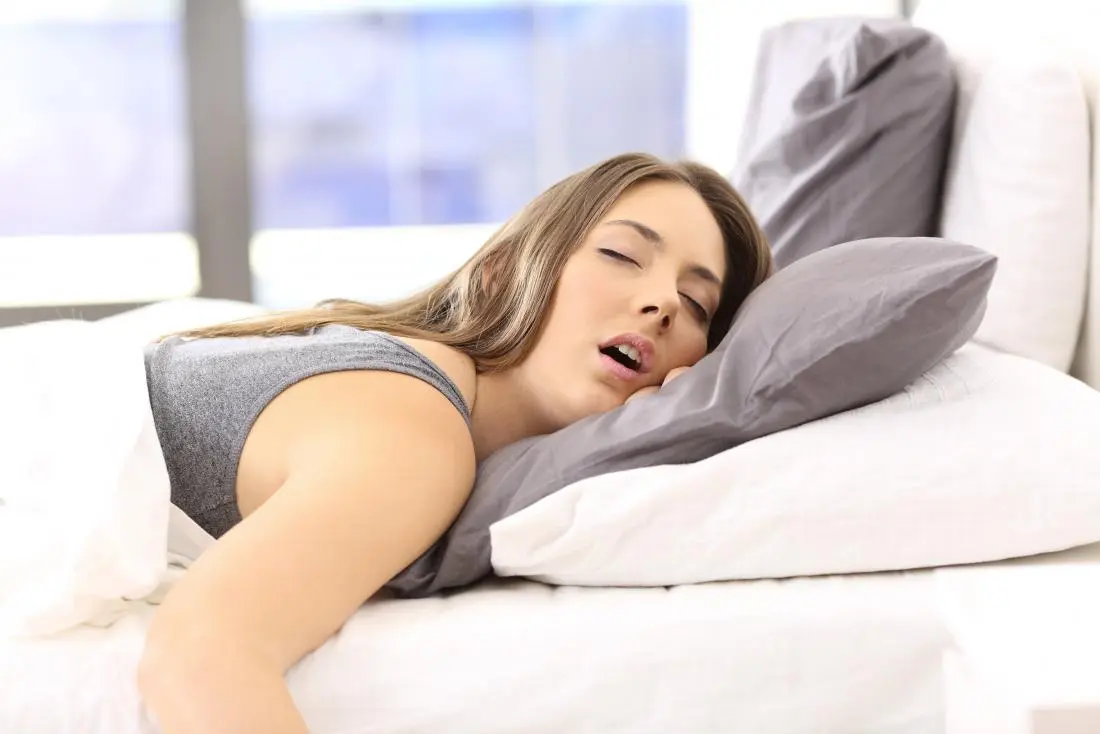
Drooling during sleep is the unintentional flow of saliva out of the mouth while you are asleep. The medical term is sialorrhea, also called ptyalism or hypersalivation.
Your salivary glands produce between 0.5 to 1.5 liters of saliva every single day. During the day, you swallow it automatically without thinking. At night, your swallowing reflex slows down and your muscles relax, so saliva pools in your mouth and can leak out.
Occasional drooling is completely normal. Frequent or excessive drooling may signal an underlying health condition worth addressing.
Is Drooling in Your Sleep Normal?
Yes, occasional drooling is normal and nothing to be embarrassed about. It tends to happen more when you are very tired, sleeping deeply, or congested.
Drooling can actually be a sign you reached a deep, restorative stage of sleep, which is a positive thing. Your body is fully relaxed, including the muscles around your jaw and face.
The concern only arises when drooling is constant, excessive, or new. In those cases, it may signal a medical condition that deserves evaluation.
Why You Drool So Much When You Sleep: The Main Causes
There is never just one reason you wake up with a wet pillow. Several factors can work alone or together to make you drool more than usual.
1. Your Sleeping Position
Sleeping on your side or stomach is the single most common cause of drooling. Gravity pulls saliva toward your mouth opening, and it leaks out onto the pillow.
Back sleepers drool far less because saliva travels toward the throat and is swallowed naturally. If you change nothing else, changing your sleep position alone can make a noticeable difference.
2. Mouth Breathing at Night
When you breathe through your mouth instead of your nose, your lips part and saliva escapes easily. Mouth breathing during sleep is often caused by blocked nasal passages.
Even mild nasal congestion from seasonal allergies or a cold can force you to breathe through your mouth, dramatically increasing how much you drool overnight.
3. Nasal Congestion and Sinus Problems
Blocked sinuses from a cold, strep throat, seasonal allergies, tonsillitis, mononucleosis, or sinus infections inflame your nasal passages. This forces mouth breathing, which increases drooling.
Treating the congestion — not just the drooling — is the real fix here. Once your nose is clear, your mouth closes, and drooling often stops.
4. Sleep Apnea (OSA)
Obstructive sleep apnea (OSA) is a sleep disorder where your airway becomes partially or fully blocked during sleep, causing you to stop breathing briefly and repeatedly.
OSA causes irregular breathing patterns, encourages mouth breathing, and stimulates excess saliva production. If your drooling comes with loud snoring, morning headaches, daytime sleepiness, or frequent waking, sleep apnea may be the cause.
5. GERD and Acid Reflux
Gastroesophageal reflux disease (GERD) causes stomach acid to travel back into the esophagus. Your body responds by producing extra saliva to neutralize the acid.
This spike in saliva production at night can result in heavy drooling, even if you sleep on your back. GERD-related drooling often comes with a bitter taste in your mouth in the morning.
6. Medications That Increase Saliva
Certain medications list increased saliva production as a side effect. This can significantly increase how much you drool at night.
| Medication Type | Examples |
|---|---|
| Antipsychotics | Clozapine, risperidone |
| Sedatives | Benzodiazepines |
| Antibiotics | Some classes |
| Muscle relaxants | Various |
| Heartburn drugs | Some proton pump inhibitors |
| Neurological medications | Certain anticonvulsants |
If you started drooling heavily after starting a new medication, speak with your doctor about adjusting the dose or switching to an alternative.
7. Neurological Conditions
Conditions that affect nerve and muscle control can impair the swallowing reflex and weaken the muscles around the mouth. This leads to chronic drooling that is harder to control.
Neurological causes include Parkinson’s disease, cerebral palsy, multiple sclerosis, ALS, stroke, and autonomic neuropathy. If drooling appears alongside other neurological symptoms, a medical evaluation is essential.
8. Dental and Oral Health Issues
Misaligned teeth, dental infections, mouth ulcers, pharyngitis, and tooth decay can all make it harder to keep your lips sealed during sleep. Poor oral muscle tone can also play a role.
Ill-fitting dental appliances can also shift how your jaw rests, making it easier for saliva to escape. A dentist visit can help rule out or treat oral causes quickly.
9. Stress, Fatigue, and Sleep Disorders
Being overtired, under high stress, or experiencing poor sleep quality can disrupt normal muscle tone and increase drooling. Fatigue causes deeper-than-normal muscle relaxation.
Sleep disorders beyond apnea — including restless leg syndrome, insomnia-related fatigue, and irregular sleep cycles — can make drooling worse by altering how deeply you relax.
10. Diet and Eating Habits
Eating large meals late at night stimulates saliva production that may not fully subside by the time you sleep. Spicy foods, sour foods, and acidic foods are particularly strong saliva triggers.
Eating lighter in the evening and avoiding spicy or acidic foods near bedtime can reduce how much your salivary glands are still active when you fall asleep.
Health Conditions That Cause Drooling in Sleep
Some health conditions have drooling as a consistent symptom, not just a side effect of sleep position.
| Condition | How It Causes Drooling |
|---|---|
| Obstructive Sleep Apnea | Mouth breathing, irregular airflow, excess saliva |
| GERD / Acid Reflux | Body produces saliva to neutralize stomach acid |
| Parkinson’s Disease | Reduced swallowing reflex, weakened facial muscles |
| Cerebral Palsy | Poor oral motor control |
| ALS / Multiple Sclerosis | Muscle weakness around mouth and throat |
| Stroke | Nerve damage affecting swallowing |
| Seasonal Allergies | Nasal congestion forces mouth breathing |
| Sinus Infections | Blocked airways, mouth breathing |
| Tonsillitis / Mononucleosis | Throat swelling, difficulty swallowing |
| Dental Infections | Increased saliva, pain-related open mouth |
Is Drooling a Sign of Good Sleep?
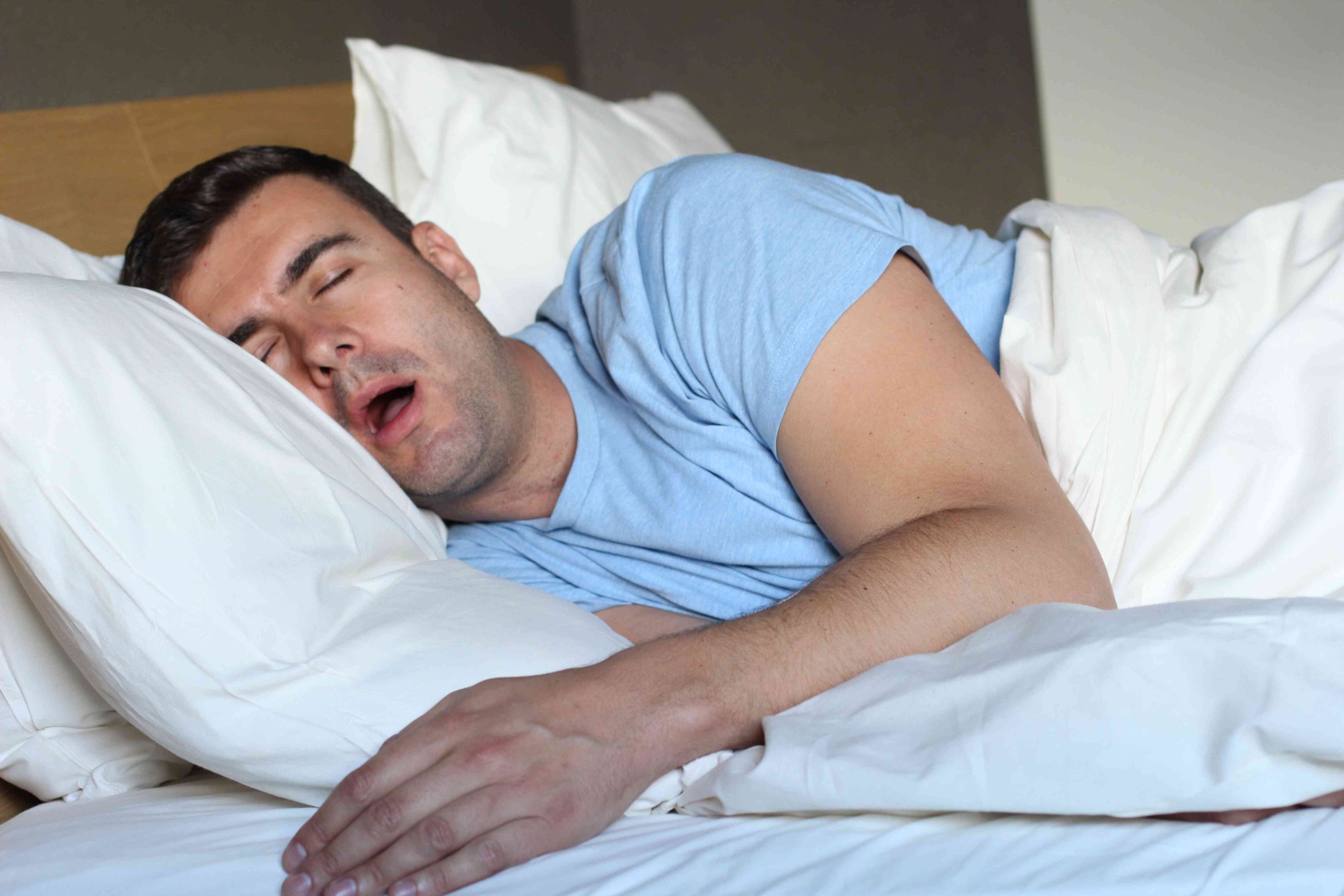
This is a common question and the answer is partially yes. Occasional drooling often occurs during deep, restorative stages of sleep, particularly REM sleep.
During REM sleep, your muscles are at their most relaxed. If you tend to sleep in a position that allows saliva to escape, reaching this deep stage naturally means more drooling.
So a little morning drool can be a signal that your body is sleeping well. The problem only arises when drooling is excessive, constant, or comes with other symptoms.
Is Drooling in Sleep a Sign of Diabetes?
Drooling is not a direct sign of diabetes. However, diabetes can cause conditions like neuropathy (nerve damage) or acid reflux that indirectly increase saliva production and drooling.
If you have diabetes and are noticing more drooling than usual, it is worth bringing up with your doctor. It may point to a secondary issue that needs monitoring.
How to Stop Drooling in Your Sleep: Easy Fixes That Actually Work
Most people can reduce or eliminate nighttime drooling with simple lifestyle changes. Here are the most effective, evidence-backed fixes.
Fix 1: Switch to Back Sleeping
Sleeping on your back is the single most effective positional fix. Gravity keeps saliva at the back of the throat where it gets swallowed, rather than pooling at the front and leaking out.
Use a body pillow on each side to prevent rolling back onto your side during the night. A contoured pillow designed for back sleeping also helps keep your head in the right position.
Fix 2: Elevate Your Head
Adding an extra pillow or using an adjustable bed to slightly elevate your head can reduce saliva pooling in the front of your mouth. Even a small elevation makes a difference.
The American Academy of Sleep Medicine recommends a slight head elevation as a simple intervention for nocturnal drooling. It also helps with acid reflux, which can make drooling worse.
Fix 3: Clear Your Nasal Passages Before Bed
If your nose is blocked, your mouth will open. Use a saline nasal spray, nasal strips, or an antihistamine before bed to open your airways.
A humidifier in the bedroom can also keep nasal passages from drying out overnight, making nasal breathing easier and reducing the mouth-open-drool cycle.
Fix 4: Try Mouth Tape
Mouth taping is exactly what it sounds like — applying a small piece of medical-grade tape over your lips before bed to keep your mouth closed during sleep.
This forces nose breathing, which naturally reduces drooling. It has grown in popularity as a simple and inexpensive fix. Always use tape designed for the purpose and consult your doctor before trying it if you have breathing issues.
Fix 5: Treat Allergies Aggressively
If seasonal or year-round allergies are behind your nasal congestion, treating them directly will reduce drooling far more effectively than any pillow adjustment.
Talk to a doctor about antihistamines, nasal corticosteroid sprays, or allergy testing. Once your allergies are controlled, nasal breathing improves and drooling often resolves on its own.
Fix 6: Address Sleep Apnea
If sleep apnea is causing your drooling, treating the apnea is the real solution. Common OSA treatments include:
- CPAP therapy — a machine that keeps your airway open during sleep
- Mandibular advancement device (MAD) — a custom oral appliance that shifts your jaw forward
- Oral appliance therapy — custom dental devices that reposition the jaw or tongue
- Weight management — excess weight is a major contributor to OSA
A sleep study can confirm whether you have sleep apnea and guide which treatment is right for you.
Fix 7: Adjust Your Medications
If a medication is triggering excess saliva, your doctor may be able to reduce the dose, switch you to an alternative, or add a medication to counteract the side effect.
Never stop or adjust medications on your own. Always consult your prescribing doctor before making changes.
Fix 8: Improve Your Diet at Night
Avoid heavy, spicy, or acidic meals in the 2–3 hours before bedtime. These foods stimulate saliva production that can persist into your sleep.
Staying well-hydrated during the day keeps saliva thinner and easier to manage. However, avoid drinking large amounts right before bed, which can worsen both drooling and reflux.
Fix 9: Practice Oral Muscle Exercises
Speech therapy and oral motor exercises can strengthen the muscles around your mouth and improve swallowing function. This is particularly effective for people with neurological conditions or poor oral muscle tone.
A speech-language pathologist can design a program specifically for your needs. These exercises can reduce the frequency and severity of drooling over weeks to months.
Fix 10: Medical Treatments for Severe Drooling
When lifestyle changes are not enough, medical treatments are available:
| Treatment | How It Works |
|---|---|
| Botulinum toxin (Botox) injections | Injected into salivary glands to reduce saliva output; lasts a few months |
| Anticholinergic medications | Scopolamine, glycopyrrolate, or atropine sulfate reduce saliva production |
| Radiation therapy | Last resort for severe cases; reduces salivary gland activity |
| Salivary gland surgery | Surgical removal or repositioning; reserved for extreme cases |
| CPAP / oral appliance | Treats OSA-related drooling by correcting the breathing disorder |
These options should only be pursued under the guidance of a qualified healthcare provider.
When to See a Doctor About Drooling in Sleep
Most drooling does not need medical attention. But certain signs suggest it is time to get evaluated:
- Drooling is sudden, new, or getting progressively worse
- You drool excessively every single night, not just occasionally
- Drooling comes with snoring, gasping, or waking up frequently
- You notice difficulty swallowing food or liquids during the day
- Drooling appears alongside tremors, weakness, or other neurological symptoms
- Drooling is causing skin irritation, sores around your mouth, or waking you up
- You are aspirating saliva (inhaling it into the lungs), which can cause pneumonia
A doctor can evaluate whether an underlying condition like sleep apnea, GERD, or a neurological disorder is responsible and guide you toward the right treatment.
Drooling in Children vs. Adults
Drooling rules are different depending on age group.
| Age Group | Is Drooling Normal? | When to Be Concerned |
|---|---|---|
| Infants (0–2 years) | Yes, completely normal | If swallowing seems difficult |
| Toddlers (2–4 years) | Common, especially teething | Persistent or worsening |
| Children (4–5+ years) | Less expected | Persisting may suggest developmental or neurological issue |
| Adults | Occasional is normal | Frequent, sudden, or excessive |
| Elderly | More common as muscles weaken | Rule out neurological conditions |
In infants, drooling is a normal part of development. Swallowing muscles are still maturing and mouths are often open during breathing and exploration. Parents should only be concerned if the infant shows signs of feeding or swallowing difficulty.
Complications of Chronic Drooling
Excessive, long-term drooling can lead to more than just a wet pillow:
Skin irritation — constant moisture around the mouth and chin causes redness, chapping, and can lead to angular cheilitis (painful cracked sores at the corners of the mouth).
Dehydration — losing significant amounts of saliva overnight can contribute to mild dehydration and a dry, uncomfortable feeling in the morning.
Bad breath — excess pooled saliva at night encourages bacterial growth, leading to bad morning breath even after brushing before bed.
Aspiration pneumonia — in severe cases, saliva can be inhaled into the lungs during sleep, causing aspiration pneumonia. This is a serious complication, especially in elderly or neurologically impaired individuals.
Reduced self-esteem — chronic drooling causes embarrassment and social anxiety, which affects sleep behavior, relationships, and overall quality of life.
Quick-Reference Summary: Causes and Fixes
| Cause | Best Fix |
|---|---|
| Side or stomach sleeping | Switch to back sleeping |
| Nasal congestion | Saline spray, decongestants, humidifier |
| Allergies | Antihistamines, allergy testing, nasal steroids |
| Sleep apnea | CPAP, oral appliance, sleep study |
| GERD / acid reflux | Head elevation, dietary changes, medication |
| Medications | Discuss alternatives with your doctor |
| Neurological conditions | Speech therapy, medical management |
| Dental issues | Dentist evaluation, oral appliance |
| Heavy evening meals | Eat lighter, avoid spicy/acidic foods at night |
| Stress / fatigue | Sleep hygiene, stress management |
Frequently Asked Questions (FAQs)
Why do I drool so much when I sleep all of a sudden?
Sudden excessive drooling often points to a new trigger — a medication change, a new allergy, nasal congestion, or the onset of acid reflux. See a doctor if it does not resolve within a few weeks.
Is drooling in sleep a sign of a serious health problem?
Not usually. Occasional drooling is harmless. But if it is frequent, excessive, or comes with snoring, swallowing problems, or neurological symptoms, it warrants a medical evaluation.
How do I stop drooling in my sleep tonight?
Try sleeping on your back, elevating your head with an extra pillow, and clearing your nasal passages with a saline spray before bed. These are the fastest, easiest fixes with no cost.
Is drooling while sleeping a sign of good sleep?
Sometimes yes. Drooling often happens during deep REM sleep when muscles are most relaxed. A little morning drool can simply mean you slept well and reached a restorative sleep stage.
Is drooling in my sleep a sign of diabetes?
Drooling is not a direct symptom of diabetes. However, diabetes-related nerve damage or acid reflux can indirectly increase saliva production. Mention it to your doctor if you have diabetes.
Can sleep apnea cause drooling?
Yes. Sleep apnea causes irregular breathing, mouth breathing, and increased saliva production — all of which lead to drooling. Snoring, gasping, and daytime fatigue are other signs of OSA.
Why do I produce so much saliva at night suddenly?
Sudden hypersalivation at night can be caused by oral infections, acid reflux, new medications, allergies, or mouth irritation. If it persists more than two weeks, see a healthcare provider.
Does mouth taping stop drooling in sleep?
Mouth taping can be effective by keeping your mouth closed and forcing nose breathing. Use medical-grade tape designed for this purpose and consult a doctor first, especially if you have any breathing conditions.
What medications cause drooling in sleep?
Antipsychotics (especially clozapine), sedatives, certain antibiotics, muscle relaxants, and some heartburn or neurological medications can increase saliva production as a side effect.
When should I see a doctor about drooling in my sleep?
See a doctor if drooling is new, getting worse, happens every night, is paired with snoring or swallowing difficulties, or is accompanied by any neurological symptoms like tremors or weakness.
Conclusion
Why do I drool so much when I sleep? The answer is rarely one single thing. Your sleeping position, mouth breathing, nasal congestion, medications, or an underlying condition like sleep apnea or GERD can all be responsible — and often more than one factor is at play at the same time.
The good news is that most cases of nighttime drooling respond well to simple changes. Switching to back sleeping, clearing your nasal passages, elevating your head, and treating allergies can often eliminate the problem within days.
If the drooling is frequent, excessive, sudden, or comes with other symptoms, that is your signal to see a doctor. Conditions like sleep apnea and GERD are very treatable, and addressing the root cause is far more effective than any quick fix.
You deserve restful, dry nights. Start with the easy fixes, track what changes, and do not hesitate to bring persistent drooling to your healthcare provider’s attention in 2026.