Why Do I Keep Biting My Cheek? How to Stop It Fast (2026)

Why do I keep biting my cheek? You are not alone in asking this, and the answer is usually less scary than it feels in the moment.
Most people bite their cheek because of stress, a misaligned bite, teeth grinding, or a habit that has formed without you noticing it. Sometimes it is a one-off accident during a meal. Other times it turns into a repeated pattern that leaves your inner cheek sore, swollen, or scarred.
What Causes You to Keep Biting Your Cheek
Stress and Anxiety Are the Most Common Triggers
Many people bite their cheek as an unconscious response to stress or anxiety. It works the same way as nail biting or hair pulling.
The mouth becomes an outlet for nervous energy. You might not even notice it happening until you feel the pain afterward.
Misaligned Teeth (Malocclusion)
When your upper and lower teeth do not line up correctly, your cheek tissue can get caught between them during chewing or talking.
Dentists call this malocclusion. It is one of the most physical, mechanical reasons for repeated cheek biting.
Teeth Grinding (Bruxism)
Bruxism often happens at night, but some people grind or clench during the day too. The extra pressure on your jaw pushes your cheek into the bite zone.
This is why many chronic cheek-biters wake up with a sore cheek but no memory of biting it.
Wisdom Teeth and Dental Crowding
Emerging wisdom teeth can shift the position of nearby teeth and your jawline. This crowding changes how your bite closes.
As your teeth shift, sharp edges or new gaps form, increasing the odds you accidentally catch your cheek.
Poorly Fitted Dental Work
Crowns, fillings, dentures, braces, or retainers that are not sized correctly can create sharp edges inside your mouth.
These edges snag your cheek tissue repeatedly, even if your natural bite is otherwise fine.
Habitual or Subconscious Chewing
For some people, cheek biting becomes a habit similar to chewing gum. It happens during boredom, deep focus, or while watching TV.
This type is usually harmless on its own but can damage tissue if it continues for months or years.
Body-Focused Repetitive Behavior (BFRB)
When cheek biting becomes compulsive and hard to stop, it may be classified as a body-focused repetitive behavior, listed under the DSM-5 as related to obsessive-compulsive disorders.
This is sometimes called morsicatio buccarum, the medical term for chronic cheek biting.
Depression and Emotional Distress
Some research links chronic cheek biting to depression, not just stress. The behavior may offer a strange sense of relief or sensory grounding during low emotional periods.
If this resonates with you, it is worth mentioning to a doctor or therapist, not just a dentist.
Why Do I Keep Biting My Cheek Accidentally vs On Purpose
There is a real difference between accidental and habitual cheek biting, and knowing which one applies to you changes your treatment path.
| Type | Cause | Frequency | Best Fix |
|---|---|---|---|
| Periodic accidental | Eating fast, talking while chewing | Rare | No action needed |
| Regular accidental | Malocclusion, dental work issues | Frequent, same spot | Dentist visit |
| Sleep biting | Bruxism, teeth grinding | During sleep | Nightguard |
| Habitual | Boredom, subconscious habit | Daily, semi-aware | Habit reversal training |
| Chronic (BFRB) | Stress, anxiety, compulsion | Constant, hard to stop | Therapy plus dental support |
Accidental biting tends to happen in the same physical location, like the same molar gap. Habitual biting tends to happen during certain emotional states, regardless of where your teeth meet.
Morsicatio Buccarum Explained Simply
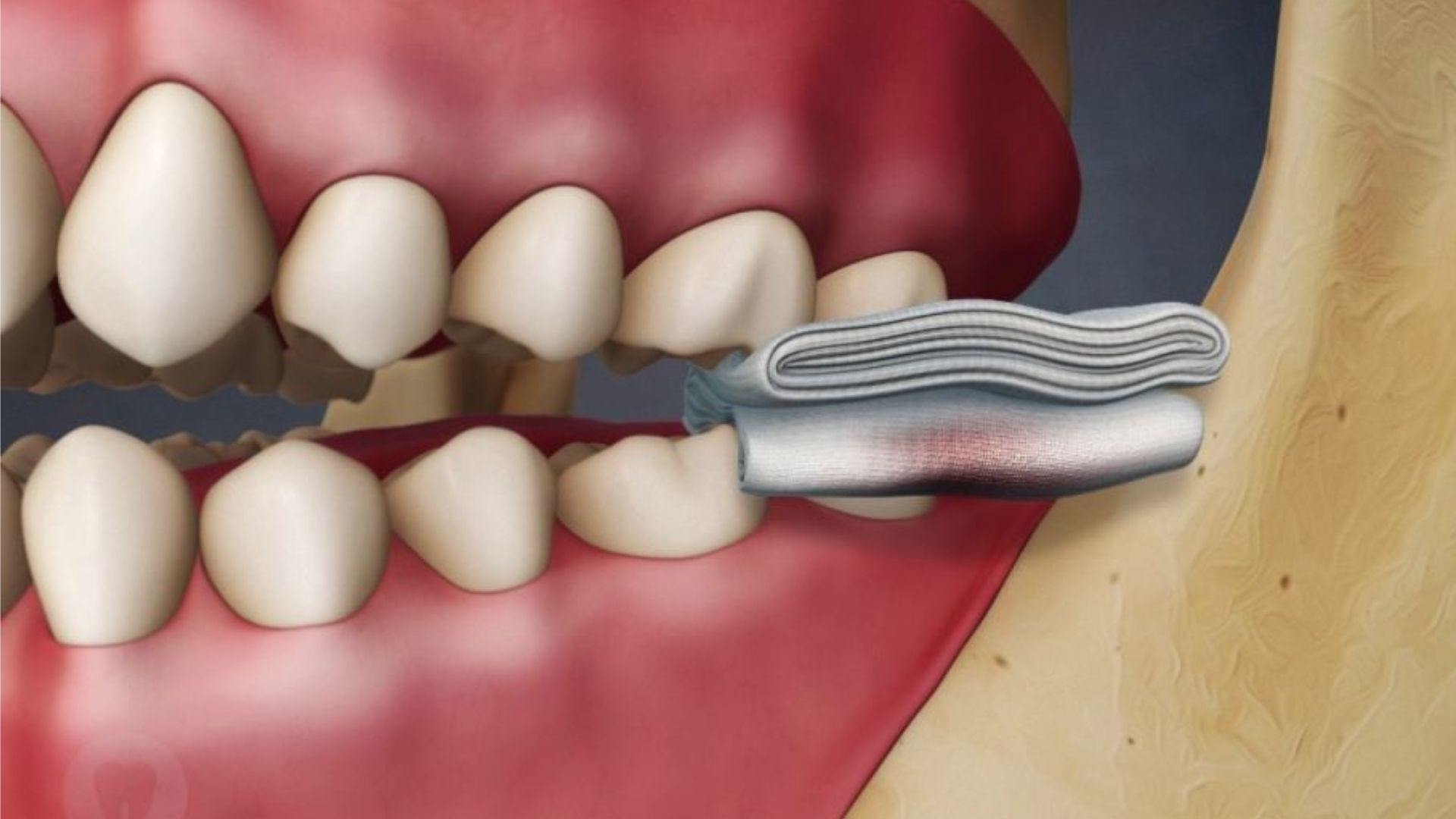
Morsicatio buccarum is the clinical name for chronic cheek biting. It comes from Latin words meaning to bite and the cheek.
It is classified as a body-focused repetitive behavior, the same category as nail biting, skin picking, and hair pulling.
Some studies estimate it affects roughly 750 out of every 1 million people, and it appears more common in women than men.
The condition often starts in late childhood or adolescence and can continue into adulthood if it is never addressed.
Is Cheek Biting Linked to Anxiety
Yes, anxiety is one of the leading drivers of habitual and chronic cheek biting. The repetitive motion can offer a strange, temporary sense of control or distraction.
This is similar to how some people pick at their cuticles or click a pen repeatedly when nervous.
The cheek-biting cycle often gets worse during exam periods, work deadlines, big life changes, or unresolved emotional stress.
Addressing the anxiety itself, not just the biting, tends to produce longer-lasting results than trying to stop the habit alone.
Can Stress Alone Make You Bite Your Cheek
Stress activates your nervous system in ways that show up physically, including jaw clenching, teeth grinding, and repetitive oral behaviors like cheek biting.
During high-stress periods, your brain may default to repetitive physical actions for a sense of relief.
This is why many people notice their cheek biting gets noticeably worse during stressful weeks and calms down once things settle.
Breathing exercises, short walks, and reducing caffeine can sometimes lower the frequency without any dental intervention at all.
Signs Your Cheek Biting Has Become a Problem
Not every bite is cause for concern, but certain signs suggest it has crossed into a pattern worth addressing.
- You bite the same spot repeatedly, even after it is sore
- You notice white, rough, or thickened patches inside your cheek
- You feel a strong urge to bite when bored, stressed, or anxious
- You have tried to stop but keep slipping back into the habit
- You experience pain, swelling, or visible sores most weeks
If three or more of these sound familiar, it is worth speaking to a dentist or a therapist, depending on the dominant cause.
Physical Complications of Chronic Cheek Biting
Repeated biting injures the same patch of tissue over and over, which prevents proper healing.
Over time, this can cause the cheek lining to thicken, scar, or develop a rough, leathery texture called hyperkeratosis.
Open sores from biting can become more vulnerable to infection, especially if oral hygiene slips during a stressful period.
Chronic mechanical irritation from biting does not directly cause oral cancer, but in rare cases where cancer already exists, constant irritation can make things worse, so persistent sores should always be checked.
Emotional and Psychological Effects

Beyond the physical pain, chronic cheek biters often feel embarrassed or guilty about the habit, especially if they cannot explain why it keeps happening.
Some people go out of their way to hide the behavior, which can quietly affect social comfort and confidence.
Recognizing that this is a common, classifiable behavior rather than a personal failing is often the first step toward treating it without shame.
How to Stop Biting Your Cheek Fast
Step 1: Identify Your Triggers
Start tracking when the biting happens. Is it during stress, boredom, screen time, or right after meals?
A simple notes app log for one week often reveals a clear pattern you were not consciously aware of.
Step 2: Replace the Habit With a Safer One
Habit reversal training works by swapping the harmful action for a neutral one. Chewing sugar-free gum, sipping water, or using a fidget tool can interrupt the urge.
The goal is not to suppress the urge completely, but to redirect it somewhere safe.
Step 3: Try Awareness and Competing Response Training
When you notice the urge rising, gently close your mouth and press your tongue to the roof of your mouth instead of biting.
This “competing response” technique is a core part of habit reversal therapy and works well for many BFRBs.
Step 4: Reduce Stress at the Source
Since stress fuels most habitual cheek biting, lowering your baseline stress matters more than willpower alone.
Short daily walks, breathing exercises, and consistent sleep can meaningfully reduce the urge to bite over a few weeks.
Step 5: Get a Dental Check If It Is Mechanical
If your biting happens in the exact same spot every time, it is likely caused by a sharp tooth, misalignment, or poorly fitted dental work, not a psychological habit.
A dentist can smooth an edge, adjust a filling, or recommend orthodontic treatment to fix the root mechanical cause.
Step 6: Use a Nightguard for Sleep Biting
If you wake up with a sore cheek but cannot remember biting it, a custom or over-the-counter nightguard can physically separate your teeth from your cheek tissue overnight.
This also helps protect against the effects of bruxism, which often goes hand in hand with sleep-related cheek biting.
Step 7: Soothe Existing Sores
While you work on stopping the habit, treat any current sores with saltwater rinses, oral gels, or a small amount of honey to reduce irritation and support healing.
Avoid spicy or acidic foods on the affected side until the tissue calms down.
Step 8: Consider Therapy for Persistent Cases
If the behavior continues despite genuine effort to stop, cognitive behavioral therapy or habit reversal training with a licensed therapist can address the underlying emotional drivers directly.
This is especially recommended if cheek biting is paired with other repetitive behaviors like skin picking or nail biting.
Quick Comparison: Home Remedies vs Professional Treatment
| Approach | Best For | Time to See Results |
|---|---|---|
| Saltwater rinse | Healing existing sores | A few days |
| Chewing gum substitute | Habitual, low-stress biting | One to two weeks |
| Competing response training | Compulsive or BFRB-type biting | Two to four weeks |
| Nightguard | Sleep biting, bruxism | Immediate physical protection |
| Dental correction | Malocclusion, sharp edges | After treatment is completed |
| Therapy (CBT or HRT) | Chronic, stress-driven biting | Four to eight weeks |
When to See a Dentist vs a Therapist
Choosing the right professional depends on whether the cause is mechanical or behavioral.
See a dentist first if the biting always happens in the same location, follows a dental procedure, or comes with visible tooth misalignment.
See a therapist first if the biting happens across different areas of your mouth and tends to spike during anxious, stressful, or low moods.
Many people benefit from seeing both, since dental correction and stress management often work better together than either approach alone.
Foods and Habits That Make Cheek Biting Worse
Eating too quickly, talking while chewing, and being distracted during meals all raise your risk of an accidental bite.
Chewy or crunchy foods like bread crusts, nuts, and ice can also increase the chance of catching your cheek between your teeth.
Caffeine and high stress days tend to increase jaw tension, which indirectly raises the odds of both grinding and cheek biting.
A Simple Daily Routine to Reduce Cheek Biting
Building a few small habits into your day can meaningfully cut down on repeated cheek biting over time.
| Time of Day | Action |
|---|---|
| Morning | Check your cheek for new sores or rough patches |
| Midday | Chew sugar-free gum during stressful work blocks |
| Evening | Do five minutes of breathing or stretching to lower stress |
| Bedtime | Wear a nightguard if you grind your teeth or bite in your sleep |
Frequently Asked Questions (FAQs)
Why do I keep biting my cheek for no reason?
It is usually stress, a subconscious habit, or a slight misalignment in your bite that you are not consciously noticing.
Is biting your cheek a sign of anxiety?
Yes, repetitive cheek biting is commonly linked to anxiety and is classified as a body-focused repetitive behavior.
Can wisdom teeth cause cheek biting?
Yes, emerging wisdom teeth can shift your bite alignment, making it easier to accidentally catch your cheek.
Does cheek biting mean I have OCD?
Not necessarily, but chronic cheek biting falls under the same DSM-5 category as obsessive-compulsive related disorders.
Can I bite my cheek in my sleep?
Yes, sleep-related cheek biting is often linked to teeth grinding, also known as bruxism.
How long does a cheek bite take to heal?
Minor bites usually heal within three to seven days with proper care and reduced irritation.
Does biting your cheek cause cancer?
No, biting alone does not cause oral cancer, though chronic irritation can worsen existing cancer if present.
Can stress alone trigger cheek biting?
Yes, high stress periods are one of the most common triggers for habitual and chronic cheek biting.
Should I see a dentist or a therapist first?
See a dentist if it happens in the same spot every time, and a therapist if it seems stress or anxiety driven.
Can a nightguard stop cheek biting?
Yes, a nightguard can physically prevent your teeth from catching your cheek during sleep or grinding episodes.
Conclusion
Cheek biting can feel confusing, especially when it keeps happening without a clear reason. In most cases, the cause falls into one of a few categories: stress and anxiety, a misaligned bite, teeth grinding, or a subconscious habit that built up over time.
The good news is that each of these causes has a clear, practical fix, whether that means tracking your triggers, trying habit reversal techniques, getting a dental check, or simply managing stress more intentionally.
If the behavior feels compulsive or keeps returning despite your efforts, reaching out to a dentist or therapist can help you identify the root cause and build a plan that actually works long term. With the right combination of awareness and treatment, you can break the cycle and protect your cheek tissue for good.