Why Do Lizards Do Push Ups? Territorial Signals 2026
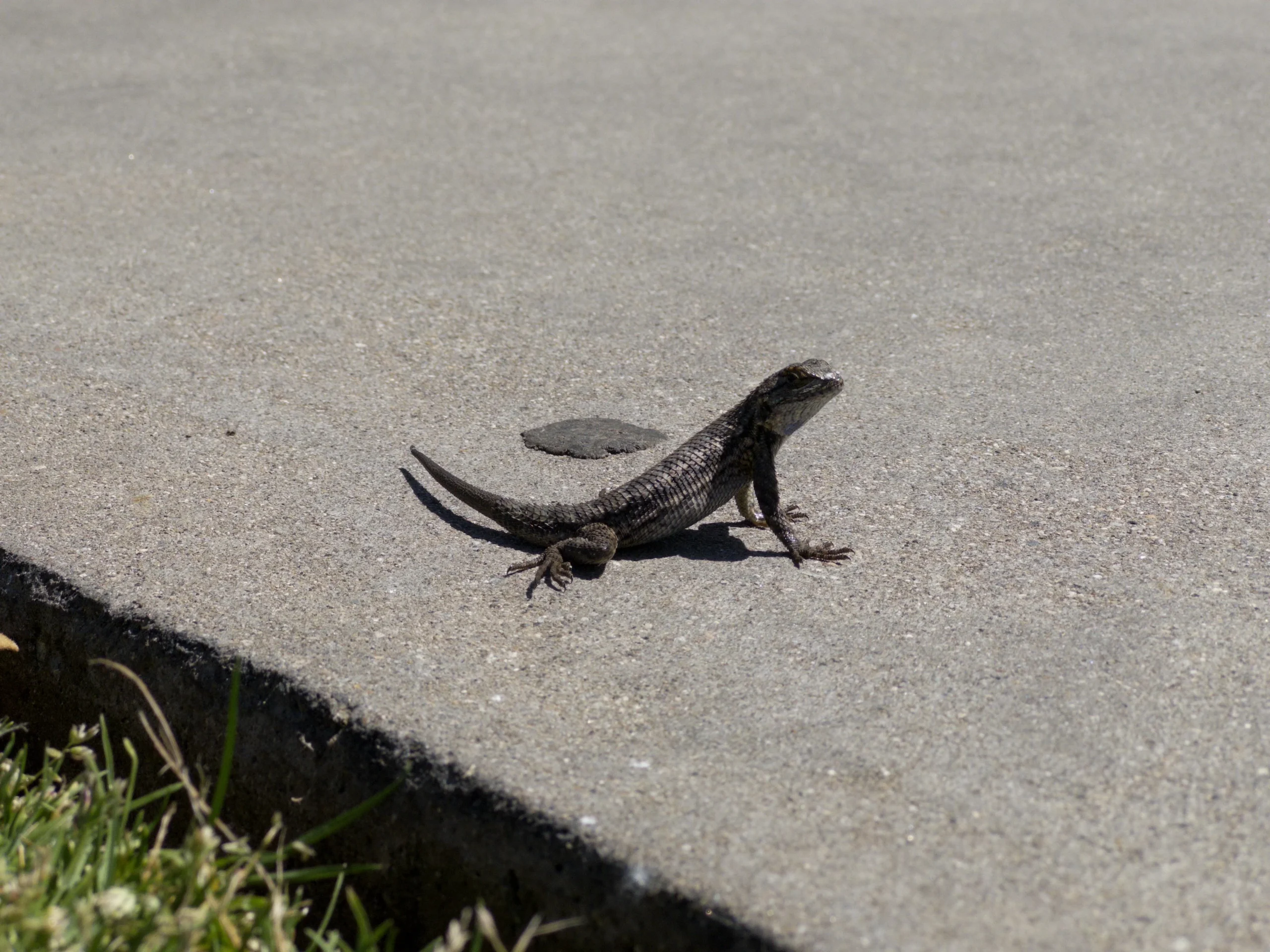
Why do lizards do push ups? If you have ever watched a lizard rhythmically bobbing up and down on a sun-baked rock, you have witnessed one of the most sophisticated and fascinating forms of nonverbal communication in the animal kingdom.
These movements are not exercise. They are a highly evolved visual language that lizards use to defend territory, attract mates, warn predators, and assert dominance — all without making a single sound.
Each push up carries encoded information about the lizard’s strength, fitness, and intentions.
What Does a Lizard Push Up Look Like?
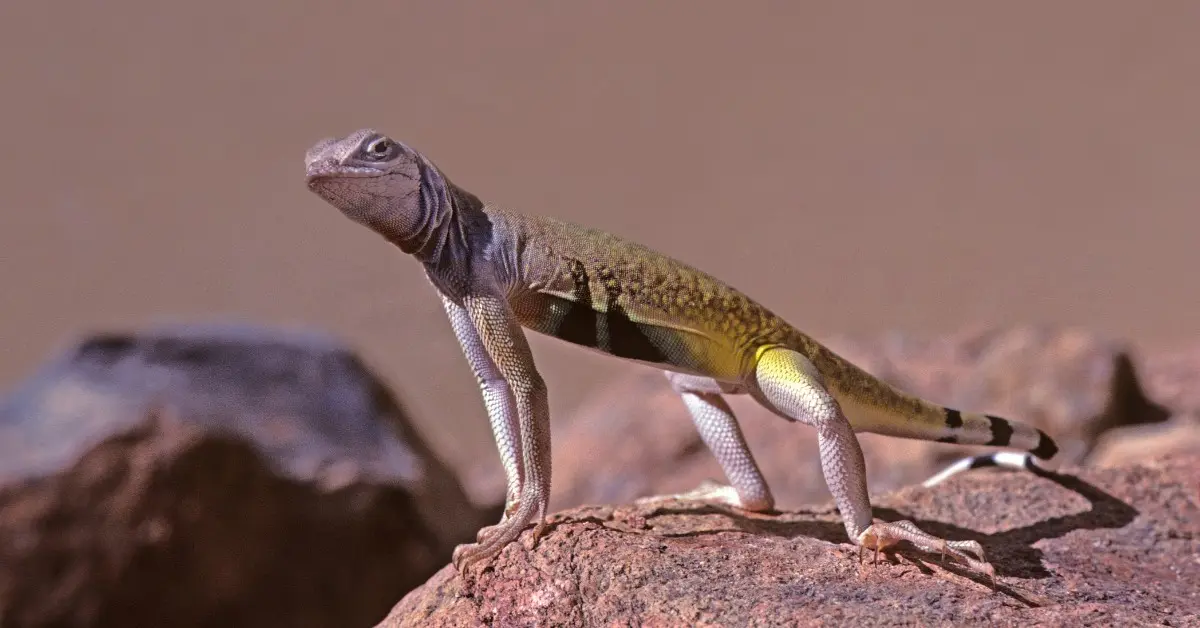
A lizard push up looks remarkably similar to the human exercise it is named after. The lizard lowers the front portion of its body toward the ground using its front limbs, then pushes back up again in a rhythmic, repetitive motion.
The display can last just a few seconds or continue for several minutes. Speed, rhythm, and amplitude all vary depending on what the lizard is communicating. Fast, high-intensity push ups signal aggression or a territorial warning. Slower, more deliberate movements are typically associated with courtship, greeting, or a low-level acknowledgment of another lizard nearby.
The push up is rarely performed alone. Most species combine it with head bobbing, throat puffing, lateral body flattening, and in many species the dramatic extension of a colorful throat fan called a dewlap. Together, these signals form a complete communication package visible from a considerable distance.
Not All Lizards Do Push Ups
It is important to know that push up behavior is not universal across all 7,000 lizard species on Earth. The behavior is most commonly seen in territorial, visually oriented species — particularly those that are active during the day.
Push up displays are most prominent in iguanian lizards: anoles, agamas, fence lizards, iguanas, and related species. These lizards live in open, sunlit habitats where visual signals are highly effective and where territory ownership provides access to critical resources like basking spots, food, and mates.
Geckos, skinks, and many nocturnal lizard species rely more heavily on chemical communication (through pheromones) or auditory signals. They rarely use push up displays because their environments and activity patterns make visual signals less effective for long-distance communication.
The Primary Reason: Territorial Defense
The most well-documented and primary reason why lizards do push ups is to defend their territory. A male lizard typically occupies a defined patch of habitat — containing the best basking spots, food sources, and often several female lizards within its boundaries.
When a rival male enters or approaches that territory, the resident male climbs to a prominent, elevated position — a rock, fence post, tree trunk, or wall — and begins performing push ups. The elevated position maximises visibility, and the rhythmic movement creates a dynamic silhouette that is far more eye-catching than a stationary animal against a static background.
The message is simple and direct: this space is occupied, I am here, and I am strong enough to defend it.
If the rival male ignores the push up display, the interaction escalates. Both males will often begin displaying simultaneously, sizing each other up in a visual contest of endurance and intensity before either one retreats or the confrontation escalates into physical combat.
Push Ups as Honest Fitness Signals
The push up display works as a territorial tool precisely because it functions as what biologists call an honest signal. A weak or unhealthy lizard cannot sustain a vigorous, rapid push up display for as long as a strong, well-nourished one. The display physically reveals actual fitness.
Research on paired lizard encounters found that the animal performing more frequent and sustained push ups became the dominant individual in 11 out of 12 paired trials. The display effectively settles dominance contests without requiring the energy and injury risk of a physical fight.
This is an elegant evolutionary solution. Physical combat between male lizards can result in serious injury, tail loss, or death. A visual contest that reliably predicts the outcome of a fight — without the fight actually happening — benefits both individuals. The weaker animal gets a clear signal to back down before getting hurt.
Dawn and Dusk Displays: Territorial Rituals
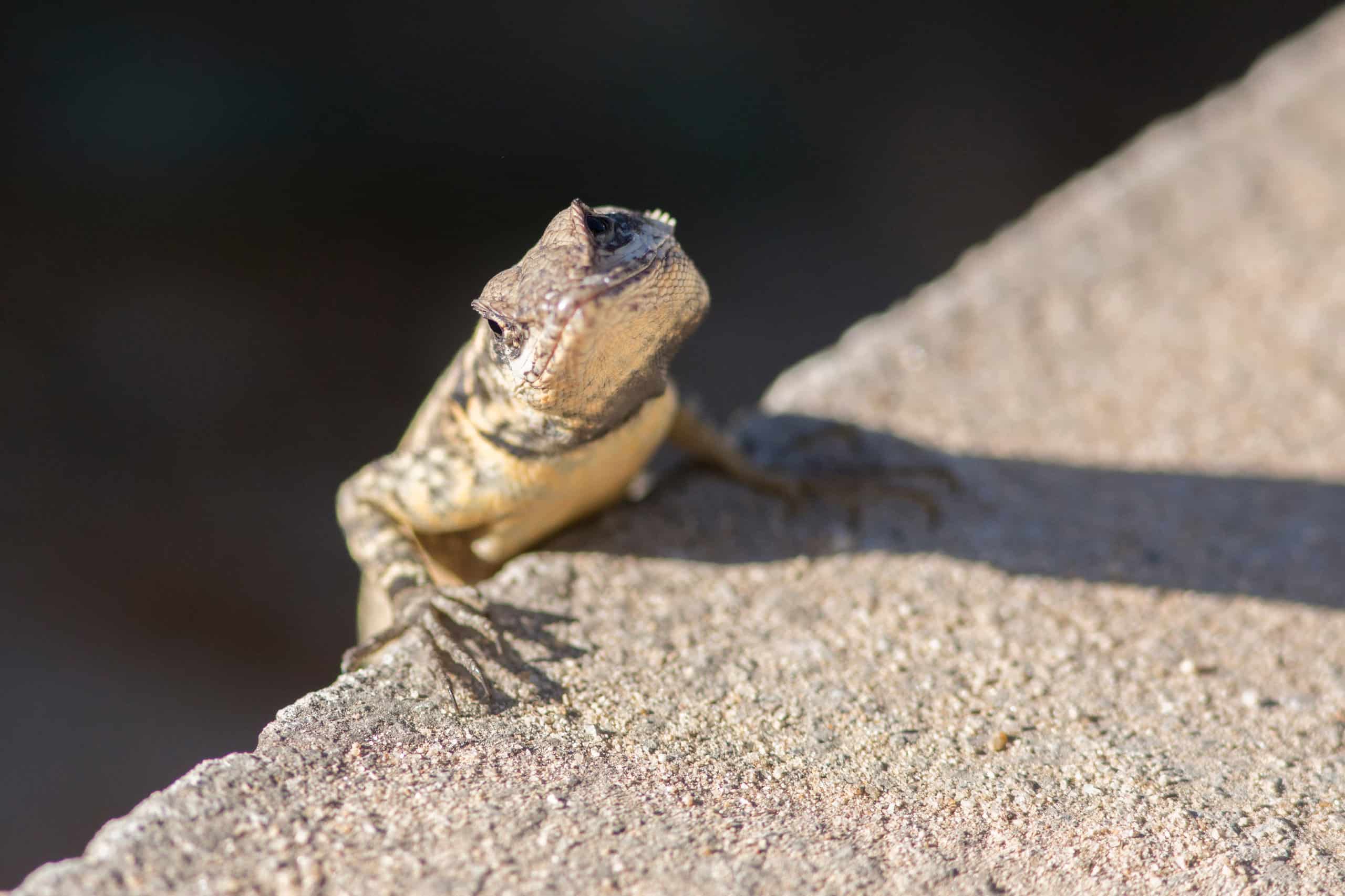
Research by postdoctoral scientist Terry J. Ord at Harvard University’s Museum of Comparative Zoology documented a remarkable finding: four species of male Jamaican anole lizards perform vigorous push up and head bobbing displays at dawn and again at dusk, every single day, with remarkable consistency.
This ritualistic visual display has direct parallels to the dawn and dusk chorus that birds and other acoustically communicating animals perform. In the lizard’s case, the morning display appears to function primarily as territorial marking — announcing presence and ownership at the start of each active day.
The evening display reinforces those territorial claims before the lizard settles for the night. It is a daily broadcast system that keeps rival males informed of territorial boundaries without requiring constant patrolling.
Mating Displays: Attracting a Female
Push ups serve a critical second function during breeding season: attracting and evaluating potential mates. When a female lizard is watching, the male’s display gives her direct information about his physical fitness.
She can assess the intensity of his push ups, how long he sustains the display, the vividness of any colour patches he reveals, and whether his dewlap is bright and fully extended. All of these signals provide a visual shorthand for genetic quality and reproductive fitness.
Males often become noticeably more vivid during mating season. Species like the western fence lizard flash brilliant blue belly patches during displays. The push up motion causes these patches to flash in and out of view, functioning like a visual beacon that is highly attractive to females and threatening to rival males simultaneously.
Dominant males that hold the best territories and display most vigorously tend to achieve the most matings. Females are not passive observers — they are actively selecting partners based on the quality and stamina of these displays.
Push Ups and the Dewlap: A Combined Signal
In anole lizards and several other species, the push up display is inseparable from the dewlap — the colourful, fan-shaped flap of skin located under the chin. When the anole performs a push up, it simultaneously unfurls the dewlap like a flag, creating a combined signal that is far more information-rich than either element alone.
The dewlap serves multiple functions within the same display. Its specific colour identifies the species, preventing cross-species confusion in areas where multiple anole species share overlapping territory. The size and vibrancy of the dewlap signal individual fitness. The speed and pattern of unfurling communicate intent — aggressive, courtship, or acknowledgment.
Green anoles (Anolis carolinensis) extend a bright red dewlap. Brown anoles display an orange-red dewlap with a lighter border. Different Jamaican anole species have distinct dewlap colour combinations that function as visual species badges.
Species-Specific Push Up Styles
Different lizard species have evolved distinct push up patterns that serve as species identification codes. The speed, rhythm, number of push ups in a sequence, and the pauses between them are all species-specific.
This variation is not random. In areas where multiple lizard species share habitat — called sympatric species — having distinct display patterns prevents misunderstandings between species and reduces the chance of energy being wasted on interactions with the wrong species.
| Species | Push Up Style | Combined Display | Primary Function |
|---|---|---|---|
| Green anole | Moderate pace, rhythmic | Red dewlap extension | Territory + mating |
| Brown anole | Fast, high amplitude | Orange dewlap | Territorial warning |
| Western fence lizard | Rapid push ups | Blue belly flash | Territory + mating |
| Bearded dragon | Slow, deliberate | Beard darkening, arm wave | Dominance + stress |
| Green iguana | Slow, powerful | Dewlap, head shake | Territory |
| Agama | Fast, repeated | Colour intensification | Territory + mating |
| Uromastyx | Moderate pace | Body flattening | Territory + mating |
Predator Deterrence: “I See You”
A less intuitive but well-documented reason why lizards do push ups is to communicate with predators — specifically to signal that they have been spotted.
This behaviour is called predator inspection signalling or pursuit deterrence. The logic works as follows: a predator hunting by stealth loses its primary advantage the moment its prey detects it. An alert, fully aware lizard that is already watching the predator is far harder to catch than one that has not detected the threat.
By performing push ups directly in the predator’s line of sight, the lizard essentially broadcasts: “I see you. I am alert. Chasing me will be a waste of your energy.” Research on Puerto Rican crested anoles confirmed that push ups, dewlap extensions, turning laterally to face the predator, and actively inspecting the predator all function as deterrent signals that reduce the likelihood of a predatory attack being initiated.
Humans are often included in this dynamic. When a lizard does push ups while watching you approach, it is frequently sending exactly this message — acknowledging your presence and signalling that it is not caught off guard.
Thermoregulation: A Physical Function
Lizards are ectotherms — they depend entirely on external heat sources to regulate their internal body temperature. Unlike mammals, they cannot generate their own body heat internally. Managing temperature is therefore a constant and critical activity.
On very hot surfaces, a lizard can use push up movements to create a small air gap between its belly and the ground. That layer of air reduces heat transfer from the scorching surface to the lizard’s body, providing a brief cooling effect without the lizard having to abandon its prime basking spot entirely.
The reverse is also true. By pressing flat against a sun-warmed rock early in the morning, the lizard maximises heat absorption. The push up movement allows fine-tuned adjustment of how much of the body is in contact with the heat source at any moment.
It is worth noting that thermoregulatory push ups and social display push ups can look identical to a human observer. The key distinguishing context is whether an audience is present. A lizard alone on a hot rock performing rhythmic movements is likely thermoregulating. A lizard facing another lizard or a potential predator while performing the same movement is almost certainly communicating.
Shedding Assistance
A less commonly discussed but real functional benefit of push up movements is assisting with skin shedding. Lizards shed their skin periodically as they grow — a process called ecdysis.
The mechanical friction created by the push up motion against a rough surface, combined with the flexing of the body at the limbs and joints, helps crack and peel away old skin. This is particularly relevant in the limb and shoulder areas where shed skin tends to get stuck.
This function is more commonly observed in captive lizards, where the environmental textures available for rubbing and shed assistance are limited. In the wild, lizards have access to rough rocks, bark, and vegetation that provide natural shed assistance.
What Push Ups Communicate to Other Lizards
The specific meaning encoded in a push up display depends on multiple variables that experienced lizards can read with precision:
Speed of push ups — Fast, rapid push ups signal aggression and a territorial warning. Slower, more measured movements signal courtship interest or a simple acknowledgment.
Number of push ups in sequence — Longer unbroken sequences signal higher fitness and more serious intent. Brief, interrupted sequences may indicate uncertainty or low energy.
Amplitude — High-amplitude push ups where the body rises fully are more impressive and energy-costly than low-amplitude partial movements. High amplitude signals strength.
Pauses and rhythm — Some species have specific rhythmic patterns — sequences of push ups with characteristic pauses — that function as species-specific codes allowing lizards to identify whether the displaying animal belongs to the same species before deciding how to respond.
Accompanying signals — Whether the displaying lizard also extends its dewlap, darkens its colour, flattens its body laterally, or tail-whips alongside the push ups all modify the specific message being sent.
Female Lizards and Push Ups
Push up displays are predominantly performed by males, but females do engage in the behaviour in specific contexts. Female lizard push ups are generally less frequent, less intense, and shorter in duration than those of males.
Females perform push ups primarily to defend their own territory — particularly the area around a chosen nesting site where they plan to lay eggs. Unlike many bird species, female lizards do not receive parental assistance in raising young. Securing and defending a safe, warm nesting site is entirely the female’s responsibility.
Some female lizards also perform push ups as a reproductive signal — advertising their readiness to mate to nearby males. This has been documented in green anoles and several iguana species.
When a female is not interested in mating and a persistent male approaches, she may perform a specific submission or avoidance signal — a slow arm wave — to communicate disinterest without triggering an aggressive response.
Push Ups in Captive Lizards
Pet lizards perform push ups for all the same biological reasons as wild ones, even without other lizards present. Understanding this prevents unnecessary worry in pet owners.
A bearded dragon performing push ups in its enclosure may be responding to its own reflection in the glass (triggering a territorial response), responding to a perceived threat from outside the enclosure, displaying hormonal activity during breeding season, or simply communicating with its human keeper.
Push ups directed at an owner are rarely aggressive in bearded dragons — this species is generally mild-tempered and the display is more likely a dominance check or an expression of heightened awareness rather than an attack threat.
However, very frequent or frantic push up behaviour in a captive lizard can also indicate stress, an environmental problem (temperature, lighting, enclosure size), or discomfort. If the behaviour is excessive, persistent, or accompanied by other signs of stress like glass surfing, colour darkening, or appetite loss, consulting a reptile veterinarian is worthwhile.
Environmental and Seasonal Influences
The frequency and intensity of push up displays in lizards are significantly influenced by season, temperature, and time of day. Most lizard species are at their most active during warmer months, and push up displays peak during breeding season when competition for territories and mates is at its highest.
Temperature affects activity directly. Lizards are most active and most likely to display when ambient temperatures allow them to reach their preferred body temperature range. In hot desert environments, peak display activity tends to occur in the cooler morning hours before mid-day temperatures become excessive.
Research on male lizards in high-temperature environments showed that males continued performing push ups even at elevated temperatures rather than reducing display frequency — demonstrating that the social stakes of territory and mate competition outweigh the physiological cost of displaying in the heat.
Day length also matters. As days shorten in autumn, territorial behaviour reduces significantly. The ritualistic dawn and dusk displays documented in Jamaican anoles are closely tied to light levels, beginning at a consistent light intensity at each end of the day.
The Evolutionary Purpose of Visual Signalling
Why have lizards evolved this form of communication rather than vocalisation? The answer lies in their ecology and sensory biology.
Many lizard species are diurnal — active during daylight hours — and inhabit open, sun-exposed environments. In these conditions, visual signals propagate effectively and are detected over long distances. A moving lizard on a prominent rock is visible from far away in open terrain.
Lizards also have excellent colour vision — far superior to most mammals. Many species can detect ultraviolet light that is invisible to humans. This means their visual signals can contain ultraviolet components that make them even more conspicuous and information-rich to other lizards, even if those signals are invisible to human observers.
Vocalisation, by contrast, is less effective in open environments (sound disperses quickly), reveals the sender’s location to predators, and requires specialised vocal anatomy that most lizards simply do not possess. Push ups and visual displays are lower-risk, energy-efficient alternatives that achieve the same communication goals.
Push Up Displays Across Lizard Evolutionary Groups
| Lizard Family | Push Up Use | Notable Display Feature |
|---|---|---|
| Iguanidae (iguanas) | Common | Dewlap, head shake, lateral compression |
| Anolidae (anoles) | Very common | Coloured dewlap, species-specific rhythm |
| Phrynosomatidae (fence lizards) | Very common | Blue belly patches |
| Agamidae (agamas, dragons) | Common | Colour intensification, beard darkening |
| Gekkonidae (geckos) | Rare | Mostly chemical and auditory signals |
| Scincidae (skinks) | Rare | Primarily chemical signals |
| Chamaeleonidae (chameleons) | Rare | Colour change dominates communication |
When Push Ups Escalate to Fighting
Push up displays exist partly to prevent physical fighting, but they do not always succeed. If a rival male does not back down in response to a push up display, the encounter escalates through a predictable sequence.
After mutual push up displays, both males will typically begin head bobbing with increasing intensity. The head bobs transmit species-specific rhythmic patterns that can signal escalating aggression. Throat puffing and lateral body flattening increase the apparent size of both animals.
If neither retreats, the males move closer together. Biting — particularly of the tail, limbs, and neck — is the primary form of combat. Tail loss is common and, while regenerable, is energetically costly and affects the lizard’s subsequent display ability. Serious injuries, including jaw damage and eye injuries, can occur in prolonged fights.
The push up display system evolved precisely to reduce how often these costly fights are necessary by providing a pre-fight assessment mechanism. Both lizards can evaluate the competition’s fitness before committing to a potentially dangerous physical confrontation.
What It Means When a Lizard Does Push Ups at You
Many people observe a lizard performing push ups directly toward them and wonder what it means. The most likely explanation is one of two things.
The first is predator acknowledgment. The lizard has detected your presence and is signalling that it is aware of you — a deterrence signal meant to communicate that you have been spotted and that chasing it would be a poor investment of effort.
The second is territorial warning. If you are in a lizard’s established territory — particularly in a backyard or garden that a lizard has claimed — and the lizard is performing push ups while facing you, it is treating you as an intruder and broadcasting its dominance message.
Neither response is a cause for concern. The lizard is not planning to attack — it is communicating. In most cases, simply maintaining your distance and watching quietly will result in the lizard calming down and returning to normal activity.
Frequently Asked Questions (FAQs)
Why do lizards do push ups?
Lizards do push ups primarily to communicate — defending territory, attracting mates, and deterring predators. Each push up signals strength and fitness to rivals, potential partners, or perceived threats using visible body movement instead of sound.
Do all lizards do push ups?
No. Push ups are most common in visually-oriented territorial species like anoles, fence lizards, iguanas, and agamas. Geckos, skinks, and nocturnal lizards typically rely on chemical or auditory signals and rarely perform push up displays.
What does it mean when a lizard does push ups at you?
The lizard is either acknowledging that it has spotted you as a potential predator — signalling “I see you and I’m alert” — or it is treating you as a territorial intruder and broadcasting a dominance warning. Either way, the display is communication, not aggression.
Do female lizards do push ups?
Yes, though less frequently than males. Female lizards perform push ups mainly to defend nesting territory and occasionally to signal reproductive readiness to nearby males. Their displays are generally shorter and lower intensity than male displays.
What is the dewlap and how does it relate to push ups?
The dewlap is a coloured flap of skin under the chin that many lizard species extend during displays. In anoles, it unfurls during push ups to add colour and species-identification to the signal. The combined push up and dewlap display is far more information-rich than either element alone.
Why does my pet lizard do push ups in its enclosure?
Your lizard is likely responding to its reflection in the glass (triggering territorial behaviour), reacting to a perceived threat, expressing hormonal activity during breeding season, or communicating with you. This is normal. Excessive or frantic push ups alongside other stress signs warrant a vet check.
Are lizard push ups the same as head bobbing?
They are related but distinct behaviours. Push ups involve the whole body moving up and down. Head bobbing is a rapid nodding of the head. Many lizards combine both in a single display — push ups signal physical fitness and presence while head bobs transmit species-specific rhythmic patterns that encode detailed messages.
Why do lizards do push ups at dawn and dusk?
Research on Jamaican anoles found that males perform ritualistic push up and head bob displays at dawn and again at dusk daily. Dawn displays function primarily as territorial marking — broadcasting presence and ownership at the start of the active day. Dusk displays reinforce those territorial claims before nightfall.
Can push ups harm a lizard?
No — the movement is natural, low-risk, and energetically manageable for healthy lizards. A lizard unable to sustain its normal display frequency may be signalling illness or poor nutrition through the reduced quality of its own display, which is part of why the signal works as an honest fitness indicator.
What happens if a push up display does not resolve a territorial dispute?
If both lizards refuse to back down, displays escalate from push ups to intensified head bobbing, throat puffing, and lateral body flattening. Eventually, physical combat involving biting of the tail, limbs, and neck can occur. Push up displays exist partly to prevent this outcome by allowing dominance to be assessed without dangerous contact.
Conclusion
Why do lizards do push ups? The answer reveals a remarkably sophisticated communication system that has evolved over millions of years to solve a core survival challenge: how to defend resources, find mates, and deter threats without making a sound.
Each push up is a precisely calibrated honest signal that encodes real, accurate information about the displaying animal’s fitness and intent. The territorial push up warns rivals. The courtship push up attracts females.
The predator-directed push up communicates alertness.
The thermoregulatory push up fine-tunes body temperature.
Even the mechanical benefit for shedding skin reveals how efficiently a single behaviour can serve multiple biological functions simultaneously.
Whether you observe this behaviour in a wild anole on a garden fence, a green iguana in a tropical park, or a bearded dragon in a home enclosure, you are watching evolution in action — a visual language written in movement, read by lizards across open landscapes every single day.