Why Do My Ankles Swell? When Should I Worry? 2026
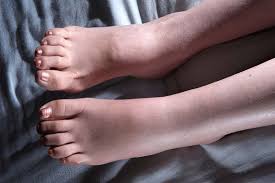
Why do my ankles swell is a question millions of people ask every year, and the answer ranges from completely harmless to genuinely urgent.
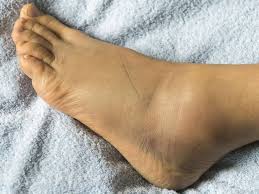
Swollen ankles — medically called peripheral edema — happen when excess fluid builds up in the tissues of the lower legs, feet, and ankles.
Gravity pulls fluid downward all day, making the ankles one of the most common places for it to collect.
Sometimes the cause is nothing more than a long flight or a hot afternoon.
Other times it signals heart disease, a blood clot, or kidney failure.
Why Do My Ankles Swell
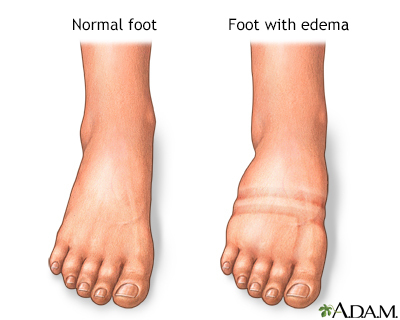
Edema is the medical term for swelling caused by fluid trapped in the body’s tissues. It occurs most often in the feet, ankles, and lower legs because of the effect of gravity.
Fluid leaks from tiny blood vessels called capillaries into the surrounding tissue. When the body cannot drain that fluid efficiently, it pools and creates visible puffiness.
The skin over swollen ankles often looks stretched, shiny, or tight. Pressing a finger into the swollen area and leaving a temporary dent is called pitting edema — a sign that fluid accumulation is significant.
Two Types of Ankle Swelling
Not all ankle swelling is the same. Understanding the two main types helps narrow down the cause quickly.
Pitting Edema
When you press on the swollen area and a dent or pit remains for several seconds, that is pitting edema. It usually signals fluid retention from systemic causes like heart failure, kidney disease, venous insufficiency, or certain medications.
Non-Pitting Edema
When pressed, the skin bounces back immediately without leaving a dent. Non-pitting edema is often caused by lymphedema, thyroid disease, or localized injury and inflammation.
Common Causes of Swollen Ankles
There is a wide spectrum from benign everyday causes to serious medical conditions. Here is every major reason your ankles may swell.
Prolonged Sitting or Standing
This is one of the most common and least worrying causes. When you stay in one position for a long time — at a desk job, on a long flight, during a long drive — blood pools in the veins of the lower legs and fluid leaks into surrounding tissue.
Moving the calf muscles acts like a pump that pushes blood back up toward the heart. When that pump is inactive for hours, fluid accumulates around the ankles and feet.
Hot Weather
In warm temperatures, blood vessels in the skin dilate to release heat and help regulate body temperature. This dilation allows more fluid than usual to leak out of the capillaries into surrounding tissues, especially in the lower legs.
This type of swelling is common in summer months and typically affects both ankles equally. It usually resolves with rest, elevation, and cooler temperatures.
High Salt Intake
Eating foods high in sodium causes the body to retain water to maintain a healthy fluid-salt balance. That retained water often shows up as swelling in the ankles, feet, and hands.
Processed foods, canned goods, fast food, and restaurant meals are the biggest contributors to excess sodium intake. Reducing salt is one of the fastest dietary fixes for mild ankle swelling.
Ankle Sprain or Injury
Any trauma to the ankle — a sprain, fracture, or even a minor impact — triggers an immune response that causes local swelling and inflammation. This type of swelling is usually one-sided and linked to a clear physical event.
Treatment follows the RICE protocol: Rest, Ice, Compression, and Elevation. NSAIDs like ibuprofen help manage both pain and inflammation.
Chronic Venous Insufficiency (CVI)
Chronic venous insufficiency is one of the most common medical causes of ankle swelling. The veins in the legs contain one-way valves that prevent blood from flowing backward. When those valves weaken or fail, blood pools in the lower legs.
The result is persistent swelling, aching, a feeling of heaviness, and over time, skin changes like discoloration and thickening. Varicose veins are a visible sign that venous insufficiency may be present.
Heart Failure
Heart failure occurs when the heart muscle is too weak or too stiff to pump blood effectively around the body. Blood backs up in the circulatory system, raising pressure in the veins and forcing fluid out into surrounding tissues.
Ankles and feet are typically the first place this swelling appears because gravity pulls the extra fluid downward. Swelling that is worse in the evening and improves after lying down overnight is a classic pattern of heart-related edema.
This is a serious condition. Swollen ankles combined with shortness of breath, fatigue, and rapid weight gain should prompt an immediate medical evaluation.
Kidney Disease
The kidneys regulate fluid and electrolyte balance in the body. When kidney function declines, the body retains excess sodium and water, and fluid accumulates in the tissues — including the ankles and feet.
Kidney-related edema often comes with other signs such as foamy urine, fatigue, loss of appetite, and puffiness around the eyes in the morning.
Liver Disease
The liver produces albumin, a protein that keeps fluid inside blood vessels. When the liver is damaged — from cirrhosis, hepatitis, or alcohol-related disease — albumin production drops. Fluid leaks out of the blood vessels and accumulates in the ankles, feet, and abdomen.
Liver-related edema is often accompanied by yellowing of the skin and eyes (jaundice), abdominal swelling, and fatigue.
Deep Vein Thrombosis (DVT)
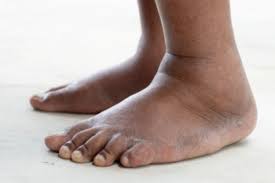
A deep vein thrombosis is a blood clot that forms inside a deep vein, most often in the leg. The clot blocks blood flow, causing sudden swelling, pain, warmth, and redness — usually in one leg only.
DVT is a medical emergency. If the clot breaks free, it can travel to the lungs and cause a pulmonary embolism (PE), which is life-threatening. One-sided swelling with warmth and tenderness always warrants urgent medical attention.
Lymphedema
The lymphatic system drains excess fluid from tissues and returns it to the bloodstream. When lymph vessels are damaged — by cancer treatment, surgery, or infection — fluid builds up and causes persistent, non-pitting swelling.
Lymphedema tends to worsen over time if untreated and can cause significant changes in skin texture and increased infection risk.
Pregnancy
Ankle and foot swelling affects around 70 to 80 percent of pregnancies. The body produces significantly more blood and fluid during pregnancy, and the growing uterus puts pressure on veins in the pelvis, slowing blood return from the legs.
Mild swelling is normal, especially in the third trimester and in warm weather. However, sudden severe swelling — especially in the face and hands — combined with headache and high blood pressure can signal preeclampsia, which is a pregnancy emergency.
Medications That Cause Ankle Swelling
Many common medications list ankle swelling as a side effect. If you recently started a new drug and noticed ankle puffiness, it is worth discussing with your prescribing doctor.
| Medication Type | Examples |
|---|---|
| Calcium channel blockers | Amlodipine, nifedipine, felodipine |
| Corticosteroids | Prednisone, hydrocortisone |
| NSAIDs | Ibuprofen, naproxen (long-term use) |
| Hormonal therapies | Contraceptive pills, HRT, testosterone |
| Antidepressants | MAOIs, certain tricyclics |
| Diabetes medications | Thiazolidinediones (like pioglitazone) |
| Pregabalin/Gabapentin | Lyrica, Neurontin |
Do not stop any prescribed medication without speaking to your doctor first. There may be an alternative that does not cause the same side effect.
Thyroid Disease
Hypothyroidism — an underactive thyroid — slows the body’s metabolism and can cause a type of non-pitting edema called myxedema. The skin becomes puffy, dry, and doughy, and swelling tends to appear in the face, hands, and lower legs.
Treating the thyroid condition with hormone replacement therapy typically resolves the swelling over time.
Obesity
Excess body weight puts increased pressure on the veins in the legs and can impair the lymphatic system’s ability to drain fluid properly. People with obesity are significantly more likely to develop chronic ankle swelling.
Weight loss improves circulation, reduces venous pressure, and is one of the most effective long-term solutions for obesity-related edema.
Infection and Cellulitis
Cellulitis is a bacterial skin infection that causes the affected area to become red, warm, swollen, and painful. In the lower legs, it can mimic or coexist with other causes of ankle swelling.
People with diabetes, poor circulation, or lymphedema are at much higher risk for cellulitis. It requires prompt antibiotic treatment to prevent the infection from spreading.
Gout and Arthritis
Gout — a form of inflammatory arthritis caused by uric acid crystals in the joints — frequently affects the ankle joint and causes sudden, intense pain and swelling. Rheumatoid arthritis and osteoarthritis can also cause ankle swelling and stiffness.
Gout flares often come on overnight, producing extreme tenderness, redness, and swelling in a single joint. Dietary changes, hydration, and uric acid-lowering medications are the core treatments.
Ankle Swelling Causes at a Glance
| Cause | One Side or Both? | Pain Present? | Urgency |
|---|---|---|---|
| Prolonged sitting/standing | Both | No | Low |
| Hot weather | Both | No | Low |
| High salt intake | Both | No | Low |
| Ankle sprain | One side | Yes | Moderate |
| Venous insufficiency | Both (often) | Dull ache | Moderate |
| DVT (blood clot) | One side | Yes, warmth | Emergency |
| Heart failure | Both | No | High |
| Kidney disease | Both | No | High |
| Liver disease | Both | No | High |
| Pregnancy (normal) | Both | No | Low–Moderate |
| Preeclampsia | Both + face | Headache | Emergency |
| Lymphedema | One or both | Usually no | Moderate |
| Medication side effect | Both | No | Low–Moderate |
| Infection/cellulitis | One side | Yes, red/hot | High |
| Gout | One joint | Severe | Moderate–High |
When Should You Worry About Swollen Ankles?
Mild, occasional ankle swelling that improves with rest and elevation is usually not an emergency. But certain signs demand same-day or emergency medical attention.
See a Doctor the Same Day If
- Swelling came on suddenly without an obvious cause
- Only one ankle is swollen, especially with pain, redness, or warmth
- Swelling is accompanied by shortness of breath or chest pain
- You have a known heart, kidney, or liver condition and swelling is worsening
- Swelling does not improve after elevation and rest for 24 to 48 hours
- You notice rapid unexplained weight gain (more than 2 to 3 pounds in a day)
- The skin is red, hot, or streaked — possible infection
Go to the Emergency Room Immediately If
- One leg is swollen with pain and redness and you suspect a blood clot
- You have sudden shortness of breath alongside leg swelling — possible pulmonary embolism
- You are pregnant and have severe sudden swelling with headache, blurred vision, or high blood pressure — possible preeclampsia
- You cannot breathe normally and your ankles are swollen — possible acute heart failure
How Doctors Diagnose the Cause of Ankle Swelling
A doctor will start with a thorough history and physical exam — pressing on the swollen area to check for pitting, examining the skin for signs of infection or venous changes, and checking blood pressure.
Depending on what they find, they may order several tests.
Common Diagnostic Tests
- Blood tests — kidney function (creatinine, eGFR), liver function, thyroid hormones, albumin, BNP (a heart failure marker), D-dimer (for clot screening), complete blood count
- Urine tests — to check for protein loss from kidney disease
- Ultrasound — duplex venous ultrasound to look for DVT or venous insufficiency
- Echocardiogram — to assess heart function if heart failure is suspected
- Chest X-ray — to look for fluid around the lungs in heart failure
- Lymphoscintigraphy — to evaluate lymphatic drainage if lymphedema is suspected
How to Reduce Ankle Swelling at Home
Many cases of mild swelling respond well to simple home measures that improve circulation and reduce fluid retention.
Elevate Your Legs
Raising the feet above the level of the heart is the fastest and most effective home remedy for gravitational edema. Lie down and place pillows under your legs to elevate them above hip level.
Do this for 15 to 20 minutes several times a day. Sleeping with legs slightly elevated also helps reduce overnight fluid accumulation.
Wear Compression Stockings
Compression stockings apply graduated pressure to the lower legs, squeezing the veins and pushing blood back up toward the heart. They are one of the most evidence-backed tools for managing chronic ankle swelling from venous insufficiency, lymphedema, and pregnancy.
For most mild to moderate swelling, a compression level of 15 to 20 mmHg is appropriate. For more significant venous disease, 20 to 30 mmHg may be recommended by a doctor. Put them on first thing in the morning, before swelling builds.
Reduce Salt Intake
Cutting back on sodium is one of the most impactful dietary changes for fluid retention. Aim for less than 2,300 mg of sodium per day — most people consuming a Western diet eat far more than this.
Read food labels carefully. The biggest sources of hidden sodium are processed foods, canned soups, bread, cheese, and restaurant meals.
Stay Hydrated
It seems counterintuitive, but drinking more water actually reduces fluid retention. When the body is dehydrated, it compensates by holding onto water more aggressively in the tissues.
Aim for at least 6 to 8 glasses of water per day. Avoid excess caffeine and alcohol, both of which promote dehydration.
Get Moving Regularly
Physical activity engages the calf muscle pump — the primary mechanism by which blood is pushed back up the leg veins toward the heart. Even short walks every 30 to 60 minutes make a significant difference for people who sit at desks.
Ankle circles, calf raises, and foot flexes can be done at a desk, on a plane, or in a car to maintain circulation during long periods of limited movement.
Apply Cold Compresses for Injury-Related Swelling
If the swelling is from a sprain or injury, applying a cold pack wrapped in a cloth for 15 to 20 minutes reduces inflammation and numbs pain. Repeat every few hours for the first 48 hours after injury.
Do not apply ice directly to the skin, and do not use heat on a fresh injury — heat increases blood flow and can worsen early-stage swelling.
Epsom Salt Soak
Soaking swollen ankles in warm water with Epsom salt (magnesium sulfate) for 15 to 20 minutes may help reduce swelling and ease discomfort. The magnesium is absorbed through the skin and may support muscle relaxation.
Use two cups of Epsom salt in a tub of warm water. This is a complementary remedy — it works best alongside elevation and compression rather than as a standalone fix.
Massage the Area
Gentle upward massage from the foot toward the knee encourages lymphatic drainage and moves excess fluid out of the tissues. Use firm but comfortable pressure with both hands, always stroking upward.
Professional lymphatic drainage massage by a trained therapist is particularly effective for lymphedema. For mild everyday swelling, self-massage is a reasonable daily practice.
Home Remedies for Swollen Ankles: Quick Reference
| Remedy | How It Works | Best For |
|---|---|---|
| Leg elevation | Uses gravity to drain excess fluid | General edema, end-of-day swelling |
| Compression stockings | Squeezes veins, improves blood return | Venous insufficiency, pregnancy |
| Salt reduction | Reduces water retention | Dietary fluid retention |
| Hydration | Prevents the body holding onto fluid | Mild everyday puffiness |
| Regular walking | Activates calf muscle pump | Desk workers, long-distance travelers |
| Cold compress | Reduces inflammation | Injury-related swelling |
| Epsom salt soak | May reduce swelling and discomfort | General mild swelling |
| Gentle massage | Encourages lymphatic drainage | Lymphedema, chronic swelling |
Medical Treatments for Ankle Swelling
When home remedies are not enough or the underlying cause requires treatment, doctors have several effective options.
Diuretics (Water Pills)
Diuretics like furosemide (Lasix) help the kidneys remove excess sodium and water from the body through urine. They are commonly prescribed for heart failure, kidney disease, liver disease, and severe venous-related edema.
They require monitoring because overuse can cause dehydration and electrolyte imbalances. Never take diuretics that were not prescribed for you.
Anticoagulants for DVT
Deep vein thrombosis is treated with blood-thinning medications (anticoagulants) such as rivaroxaban, apixaban, or warfarin. These prevent the clot from growing and reduce the risk of pulmonary embolism.
Treatment duration varies from a few months to lifelong depending on the cause and the patient’s risk factors.
Compression Therapy for Lymphedema
Formal lymphedema treatment involves complete decongestive therapy — a combination of manual lymphatic drainage massage, multilayer bandaging, specific exercises, and ongoing compression garment use.
It is typically managed by trained lymphedema therapists and requires a consistent long-term commitment to maintain results.
Treating the Underlying Condition
For most systemic causes of ankle swelling — heart failure, kidney disease, liver disease, thyroid disease — the most effective treatment is addressing the underlying condition itself.
Managing heart failure with the right medications, treating hypothyroidism with hormone replacement, or managing kidney disease with appropriate interventions all lead to significant improvement in ankle swelling over time.
Changing Offending Medications
If a medication is causing ankle swelling, a doctor can often switch to an alternative in the same class that has less of this side effect, or adjust the dose.
Never discontinue any prescribed medication without medical advice — the underlying condition being treated may be more dangerous than the side effect.
Preventing Ankle Swelling
Many cases of ankle swelling can be avoided or minimized with consistent lifestyle habits.
Daily Prevention Habits
- Move regularly throughout the day — take short walks every hour if you sit at a desk
- Elevate your legs during rest periods and at the end of the day
- Wear compression stockings if you have venous insufficiency or a job that involves standing
- Limit sodium intake to under 2,300 mg per day
- Stay well hydrated with water throughout the day
- Maintain a healthy body weight to reduce venous and lymphatic pressure
- Avoid sitting with legs crossed — this restricts blood flow in the veins
- On long flights or car trips, perform regular ankle circles and calf raises
- Wear comfortable, properly fitting shoes with low heels
One-Sided vs Both-Sided Swelling: What It Means
The pattern of your swelling is one of the most important clues doctors use to narrow down the cause.
Swelling in Both Ankles
Symmetrical swelling in both ankles and feet usually points to a systemic cause — something affecting the whole body. Common causes include heart failure, kidney disease, liver disease, medication side effects, venous insufficiency, and nutritional deficiencies.
Swelling in Only One Ankle
Unilateral (one-sided) swelling is more likely to have a local cause — a sprain, a blood clot, cellulitis, gout, or a lymph node problem on that side. DVT almost always presents in one leg.
One-sided swelling with pain, warmth, and redness should always be evaluated promptly by a doctor, as DVT is a possibility that must be ruled out.
Ankle Swelling in Specific Populations
Different groups experience ankle swelling for different reasons and need tailored approaches.
Swollen Ankles During Pregnancy
Edema affects the majority of pregnant women, particularly in the third trimester. It is caused by increased blood volume, hormonal changes, and the growing uterus pressing on pelvic veins.
Practical management includes wearing compression stockings (15 to 20 mmHg), elevating feet regularly, sleeping on the left side to reduce pressure on the inferior vena cava, staying active with gentle exercise, and limiting salt intake. Sudden severe swelling — especially in the face and hands — combined with headache or visual changes requires emergency evaluation for preeclampsia.
Swollen Ankles in Older Adults
Older adults are more likely to have multiple causes operating simultaneously — venous insufficiency, heart or kidney changes, reduced mobility, and multiple medications. Their swelling often requires careful evaluation to distinguish between benign and serious causes.
Annual checkups with blood work that includes kidney function, liver enzymes, and heart biomarkers help detect underlying conditions early.
Swollen Ankles in Frequent Flyers and Long-Distance Travelers
Economy class syndrome — ankle swelling and increased DVT risk from prolonged immobility during long flights — is a real and underappreciated risk. People in window seats who sit still for six or more hours are at the highest risk.
Staying hydrated, performing ankle exercises every hour, getting up to walk the aisle regularly, and wearing compression stockings during flights significantly reduce both edema and DVT risk.
Frequently Asked Questions (FAQs)
Why do my ankles swell at the end of the day?
Gravity causes fluid to pool in the lower legs after hours of sitting or standing. This is very common and usually resolves overnight with leg elevation and rest.
Should I be worried if only one ankle is swollen?
Yes — one-sided swelling, especially with pain, warmth, or redness, should always be evaluated by a doctor to rule out a blood clot (DVT), infection, or injury.
Can heart problems cause swollen ankles?
Yes. Heart failure is one of the most common serious causes of ankle swelling. When the heart cannot pump efficiently, fluid backs up and collects in the ankles and feet, especially in the evenings.
What medications cause swollen ankles?
Common culprits include calcium channel blockers (like amlodipine), corticosteroids, hormonal contraceptives, some antidepressants, and thiazolidinedione diabetes drugs. Always discuss side effects with your prescribing doctor.
How do I reduce ankle swelling fast?
Elevate your legs above heart level, put on compression stockings, reduce salt intake, and stay hydrated. For injury-related swelling, apply a cold compress and rest the affected ankle.
Is ankle swelling during pregnancy normal?
Mild ankle and foot swelling is normal in pregnancy, particularly in the third trimester. However, sudden severe swelling with headache, visual changes, or high blood pressure requires emergency evaluation for preeclampsia.
What does pitting edema mean?
Pitting edema means that pressing on the swollen skin leaves a temporary dent or pit. It indicates significant fluid accumulation and is associated with heart failure, kidney or liver disease, and venous insufficiency.
Can dehydration cause swollen ankles?
Paradoxically, yes. When the body is dehydrated it retains more water in tissues to compensate, which can worsen swelling. Drinking adequate water helps the kidneys flush out excess sodium and fluid.
When is ankle swelling a medical emergency?
Seek emergency care immediately if swelling in one leg is sudden, painful, warm, and red (possible DVT), or if ankle swelling comes with shortness of breath and chest pain (possible pulmonary embolism or acute heart failure).
Can losing weight help reduce ankle swelling?
Yes. Excess body weight increases pressure on leg veins and the lymphatic system. Weight loss reduces that pressure, improves circulation, and is one of the most effective long-term solutions for obesity-related ankle edema.
Conclusion
Why do my ankles swell is rarely a question with just one answer. The causes span from the completely harmless — too much salt, a long day on your feet, a hot summer afternoon — to genuinely serious conditions like deep vein thrombosis, heart failure, and kidney disease.
The pattern of your swelling, whether it affects one ankle or both, whether it is painful or painless, and whether it comes with other symptoms like breathlessness or skin changes, all point toward the cause.
Most mild, bilateral ankle swelling resolves with elevation, compression, hydration, and reduced sodium intake.
But any sudden swelling, one-sided painful swelling, or swelling paired with symptoms like chest pain or shortness of breath is a medical emergency.
When in doubt, always see a doctor. Your ankles are trying to tell you something — make sure you listen.