Why Do My Teeth Hurt at Night? Dental Reasons 2026
Why do my teeth hurt at night more than during the day? The main reason is simple biology: lying down increases blood flow to your head, which raises pressure inside an already inflamed or infected tooth.
Add in fewer daytime distractions, reduced saliva flow while you sleep, and possible teeth grinding, and it’s easy to see why a mild ache can suddenly feel unbearable after the lights go out.
Nighttime tooth pain is rarely random, and it usually points to an underlying dental issue like decay, gum disease, a cracked tooth, or bruxism.
Understanding Pulpitis: Why Do My Teeth Hurt at Night?
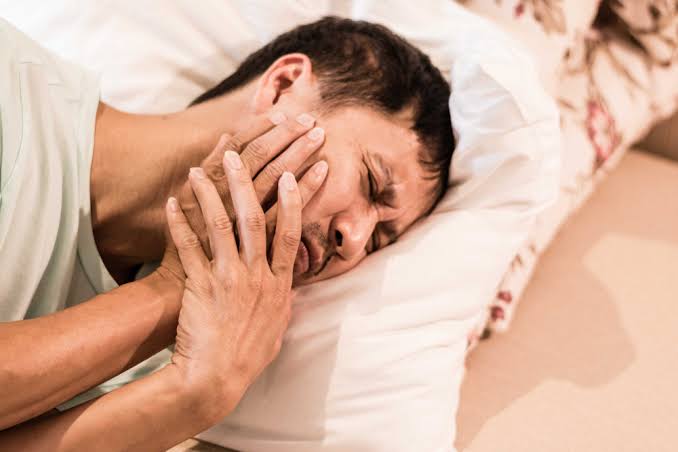
The clinical term for what most people experience as nighttime tooth pain is pulpitis, which means inflammation of the dental pulp.
The pulp is the nerve-rich tissue inside your tooth, and when it becomes irritated through decay, a crack, or infection, it can swell.
In milder cases, this presents as reversible pulpitis, which can sometimes calm down with treatment of the underlying cause.
More severe inflammation can progress to irreversible pulpitis, where the nerve can no longer heal on its own and often requires root canal treatment.
This explains why nighttime pain is rarely random. It’s usually your body’s way of flagging a dental problem that needs real attention.
Why Tooth Pain Feels Worse After Lying Down
Tooth pain often feels mild or barely noticeable during the day, only to intensify the moment you lie down to sleep.
This isn’t just in your head. Several real physical changes happen in your body once you’re horizontal for the night.
Increased Blood Flow To The Head
When you lie flat, more blood naturally flows toward your head, including the tissue surrounding your teeth and gums.
This increased circulation raises pressure around any inflamed or infected tooth, which intensifies the throbbing sensation you feel.
Pressure Inside The Tooth’s Pulp Chamber
Each tooth has an inner chamber called the pulp, which holds nerves and blood vessels and is enclosed within rigid tooth walls.
Because there’s very little room for swelling inside this chamber, even a small increase in pressure can trigger sharp, noticeable pain.
Fewer Daytime Distractions
During the day, work, conversation, and general activity give your brain plenty to focus on besides mild discomfort.
At night, with the world quiet and your attention free, that same level of pain becomes much harder to ignore.
Reduced Saliva Flow While Sleeping
Saliva helps neutralize acids and wash away bacteria, but production naturally drops while you sleep.
This dryness can allow bacteria to become more active, which may worsen pain from decay or gum inflammation overnight.
Nighttime Tooth Pain In Children Vs Adults
Children can experience nighttime tooth pain for many of the same reasons as adults, though cavities and teething are especially common culprits.
Because young children often struggle to describe exactly where or how something hurts, watch for signs like refusing food, crying at bedtime, or touching their cheek.
Adults are more likely to deal with grinding-related pain, gum disease, or cracked teeth from years of wear and tear.
Regardless of age, pain that disrupts sleep repeatedly is a clear signal that a dental visit shouldn’t be delayed.
Common Dental Reasons Your Teeth Hurt At Night
There are several specific dental conditions that tend to cause or worsen pain once you lie down for the night.
The table below offers a quick overview before we explain each cause in more detail.
| Cause | Typical Pain Feel | Common Trigger |
|---|---|---|
| Tooth decay | Sharp, comes and goes | Exposed dentin, sweets |
| Gum disease | Dull, aching | Inflamed or receding gums |
| Bruxism (grinding) | Sore jaw, aching teeth | Stress, sleep position |
| Cracked tooth | Sudden, sharp | Biting pressure, temperature |
| Dental abscess | Intense, throbbing | Bacterial infection |
| Sinus pressure | Dull ache, upper teeth | Lying down, congestion |
| Wisdom tooth impaction | Deep, radiating | Inflamed surrounding tissue |
| Exposed tooth roots | Sharp, sensitive | Gum recession, hot or cold |
Tooth Decay
Tooth decay is one of the most common causes of nighttime tooth pain, especially once bacteria break through the outer enamel layer.
Once the softer dentin underneath becomes exposed, sensitivity and pain often come and go, and lying down tends to make it worse.
Gum Disease
Gum disease ranges from mild gingivitis to more advanced periodontitis, both of which can cause dull, aching pain around the teeth and gums.
This ache often becomes more noticeable during periods of rest, which is exactly why it can feel worse once you’re in bed.
Bruxism (Teeth Grinding)
Bruxism, or teeth grinding, frequently happens during sleep, and many people are completely unaware they do it.
Grinding puts intense pressure on your teeth and jaw, wearing down enamel and irritating nerves, which often leads to soreness upon waking.
Cracked Or Fractured Tooth
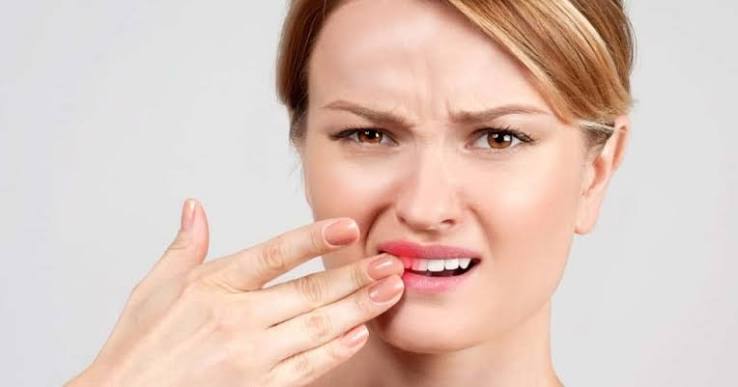
A cracked tooth may cause intermittent sharp pain that worsens with temperature changes or biting pressure throughout the day.
At night, small jaw movements during sleep can aggravate the crack further, which explains sudden, unexpected bursts of pain.
Dental Abscess
A dental abscess is a pocket of infection near a tooth’s root, and it often causes intense, throbbing pain that worsens during sleep.
If an infection has reached the tooth’s core, it puts direct strain on the nerve, making rest periods particularly uncomfortable.
Sinus Pressure
Sinus congestion tends to accumulate when you lie down, and this buildup applies extra pressure directly onto the roots of your upper back teeth.
This can make it genuinely difficult to tell whether the pain is coming from a tooth or from sinus pressure alone.
Impacted Wisdom Teeth
Impacted or partially erupted wisdom teeth can cause discomfort that tends to flare up specifically at night.
This happens especially when the surrounding gum tissue becomes inflamed or irritated from the tooth’s abnormal positioning.
Exposed Tooth Roots
Gum recession can leave the sensitive roots of your teeth exposed, making them react strongly to hot, cold, or sweet foods.
At night, without regular eating or drinking to distract you, this sensitivity can feel much sharper and more persistent.
Why Sleep Position And Habits Matter
Sleep position and nighttime habits can play a bigger role in tooth pain than most people realize.
Sleeping Flat Without Elevation
Sleeping completely flat allows blood to pool more heavily around your head and jaw compared to sleeping with your head slightly raised.
Propping yourself up with an extra pillow can reduce this pressure buildup and ease throbbing pain somewhat during the night.
Clenching During Stressful Periods
Stress itself doesn’t directly cause tooth pain, but it’s a very common trigger for teeth grinding and jaw clenching during sleep.
Managing stress through relaxation techniques or a nightguard can indirectly reduce bruxism-related tooth pain over time.
Late-Night Snacking
Eating very hot, cold, or sugary foods and drinks right before bed can trigger sensitivity in a tooth that’s already compromised.
If you have cavities, exposed roots, or worn enamel, these temperature changes can cause sudden, sharp bursts of pain.
Sleep Deprivation And Immune Response
Poor sleep can reduce your body’s immune response, which may impair its ability to fight inflammation and infection in your mouth.
This creates a frustrating cycle where tooth pain disrupts sleep, and poor sleep makes healing from dental inflammation slower.
How To Tell What’s Causing Your Nighttime Tooth Pain
| Symptom Pattern | Likely Cause |
|---|---|
| Pain triggered by hot or cold foods | Decay or exposed roots |
| Dull ache around gums, some bleeding | Gum disease |
| Sore jaw, headache upon waking | Bruxism |
| Sudden sharp pain when biting | Cracked tooth |
| Intense throbbing, swelling, possible fever | Dental abscess |
| Pain in upper back teeth, worse lying down | Sinus pressure |
| Pain near the back of the jaw | Impacted wisdom tooth |
Paying attention to exactly when and how the pain shows up can help you and your dentist narrow down the underlying cause faster.
Easy Relief Methods For Nighttime Tooth Pain
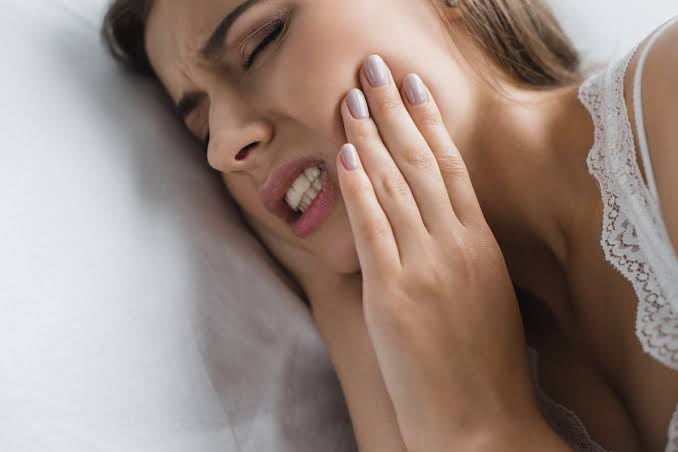
While home remedies won’t fix the underlying cause, several methods can genuinely ease pain enough to help you get through the night.
Elevate Your Head
Sleeping with your head slightly raised on an extra pillow reduces blood flow buildup around the painful tooth.
This simple adjustment is one of the fastest ways to take the edge off throbbing nighttime pain.
Apply A Cold Compress
Holding a cold compress against your cheek for 15 to 20 minutes can help numb the area and reduce inflammation.
This works especially well for pain caused by swelling, infection, or a recent dental injury.
Rinse With Warm Salt Water
Mixing warm water with salt and rinsing your mouth can soothe irritated tissue and reduce bacteria around the painful area.
This remedy is gentle enough to repeat several times a day without any risk of side effects.
Take An Over-The-Counter Pain Reliever
Ibuprofen or acetaminophen can reduce both pain and inflammation, making it easier to fall and stay asleep.
Always follow label instructions carefully, and check with a pharmacist if you’re taking other medications regularly.
Avoid Trigger Foods Before Bed
Skipping very hot, cold, or sugary foods and drinks in the hours before bed helps prevent unnecessary tooth sensitivity flare-ups.
Sticking to room-temperature, gentle foods in the evening gives a compromised tooth one less thing to react to.
Use A Nightguard For Grinding
If bruxism is contributing to your pain, a custom or over-the-counter nightguard can cushion your teeth from grinding pressure.
This won’t stop the grinding itself, but it significantly reduces the wear and nerve irritation that cause morning soreness.
Keep Up With Oral Hygiene
Brushing gently and flossing before bed removes food particles and plaque that can otherwise irritate an already sensitive tooth overnight.
Skipping this step, especially after a sugary snack, gives bacteria more opportunity to worsen existing decay or gum inflammation.
When Nighttime Tooth Pain Signals A Dental Emergency
Most nighttime tooth pain is uncomfortable but manageable until you can see a dentist during regular hours.
However, certain symptoms suggest you’re dealing with something more urgent that shouldn’t wait.
- Intense, throbbing pain that doesn’t respond to pain relievers
- Visible swelling in your face, jaw, or gums
- Fever alongside tooth pain
- Difficulty chewing, swallowing, or opening your mouth fully
- A foul taste or discharge coming from the painful area
- Pain that has lasted more than one or two days without improving
If you notice swelling combined with fever or difficulty breathing or swallowing, this could indicate a spreading infection and needs emergency care right away.
Why You Shouldn’t Ignore Nighttime Tooth Pain
Nighttime tooth pain isn’t just an inconvenience that disrupts your sleep, it’s usually a signal that something needs professional attention.
Ignoring it often allows decay, infection, or gum disease to progress further, which can turn a simple filling into a much larger procedure.
Ongoing pain also affects sleep quality, and poor sleep in turn can slow down your body’s ability to fight off the very inflammation causing the pain.
Addressing the root cause early with a dentist almost always leads to simpler, less expensive, and less painful treatment overall.
Myths Vs Facts About Nighttime Tooth Pain
There’s a lot of confusing advice online about tooth pain, so it helps to separate common myths from what’s actually true.
| Myth | Fact |
|---|---|
| Tooth pain at night always means an emergency | It often signals a real issue but isn’t always urgent |
| Pain that goes away on its own means the tooth healed | The nerve may have died, which can be more serious |
| Only sugar causes cavities that hurt at night | Bacteria, acid exposure, and dry mouth all play a role |
| Grinding only happens if you’re stressed | Sleep position, alignment, and habits also contribute |
| Painkillers alone fix the underlying problem | They only manage symptoms temporarily |
Understanding these distinctions helps you take nighttime tooth pain seriously without unnecessary panic or, on the other end, without ignoring a real warning sign.
Diagnosing The Cause At The Dentist
A dentist typically starts with a visual exam and asks about when your pain occurs and what makes it better or worse.
X-rays are commonly used to check for hidden decay, cracks, abscesses, or bone loss that aren’t visible during a standard exam.
For suspected sinus-related pain, your dentist may recommend seeing an ENT or physician to rule out sinus infection as the true source.
Getting an accurate diagnosis is the only reliable way to choose the right treatment instead of just managing symptoms indefinitely.
Treatment Options Based On The Cause
| Diagnosed Cause | Typical Treatment |
|---|---|
| Tooth decay | Filling or crown |
| Gum disease | Deep cleaning, improved hygiene routine |
| Bruxism | Custom nightguard, stress management |
| Cracked tooth | Bonding, crown, or root canal |
| Dental abscess | Root canal, drainage, antibiotics |
| Sinus pressure | Treatment of underlying sinus issue |
| Impacted wisdom tooth | Extraction |
Treatment plans vary depending on severity, so your dentist will recommend the option that addresses both your pain and the long-term health of the tooth.
Lifestyle Habits That Support Better Nighttime Comfort
Small daily habits can make a noticeable difference in how much dental discomfort follows you into bed each night.
Stay Hydrated Throughout The Day
Drinking enough water supports healthy saliva production, which helps protect your teeth from bacteria and acid buildup overnight.
Dehydration can worsen dry mouth at night, making any existing sensitivity or decay-related pain feel more pronounced.
Limit Sugary And Acidic Foods
Frequent exposure to sugar and acid weakens enamel over time, making teeth more prone to decay-related pain that flares up at night.
Rinsing your mouth with water after sugary or acidic meals can help reduce this effect between brushings.
Manage Stress During The Day
Since stress is a major trigger for teeth grinding, practicing relaxation techniques during the day can reduce nighttime clenching.
Simple habits like deep breathing, exercise, or a calming bedtime routine can lower how much tension carries into sleep.
Preventing Tooth Pain From Returning At Night
Consistent oral hygiene, including brushing twice daily and flossing, remains the single most effective way to prevent most causes of tooth pain.
Regular dental checkups every six months allow small issues like early decay or gum inflammation to be caught before they become painful.
If grinding is a recurring problem, wearing a nightguard consistently protects your teeth from the wear that leads to sensitivity and cracks.
Managing stress, staying hydrated, and treating sinus issues promptly also reduce several of the less obvious triggers behind nighttime tooth pain.
Frequently Asked Questions (FAQs)
Why does my tooth only hurt at night and not during the day?
Lying down increases blood flow and pressure around the tooth, and fewer distractions make pain more noticeable. Reduced saliva at night can also worsen decay-related pain.
Is it normal for tooth pain to get worse when I lie down?
Yes, this is a very common pattern linked to increased blood pressure around the tooth. It usually points to inflammation, decay, or infection.
Can teeth grinding really cause pain that shows up at night?
Yes, bruxism puts intense pressure on teeth and jaw muscles during sleep. This often leads to soreness, headaches, or aching upon waking.
How can I stop tooth pain enough to sleep tonight?
Elevating your head, using a cold compress, and taking an OTC pain reliever can help temporarily. These won’t fix the cause, so see a dentist soon.
Can sinus problems really feel like a toothache?
Yes, sinus pressure can radiate directly into the roots of your upper back teeth. Lying down often makes this pressure and pain worse.
When should nighttime tooth pain be treated as an emergency?
Seek urgent care if you notice swelling, fever, or difficulty swallowing or breathing. These signs may indicate a spreading dental infection.
Can a cavity cause pain only at night?
Yes, especially in early stages when daytime saliva and eating provide some temporary relief. At night, reduced saliva flow can make the pain more noticeable.
Does head elevation actually help with tooth pain?
Yes, propping your head up reduces blood flow buildup around the painful area. Many people find this noticeably reduces throbbing at night.
Why does my jaw hurt along with my tooth at night?
This combination often points to teeth grinding or clenching during sleep. A nightguard can help protect both your teeth and jaw muscles.
How long can I wait before seeing a dentist for nighttime tooth pain?
If pain lasts more than one or two days or keeps returning, don’t wait any longer. Persistent pain almost always signals an issue needing professional treatment.
Conclusion
Nighttime tooth pain almost always has a real, identifiable cause, whether it’s decay, gum disease, a cracked tooth, bruxism, or even sinus pressure. Lying down increases blood flow to your head, which raises pressure inside an already sensitive or inflamed tooth, and fewer distractions make that pain far harder to ignore once the lights go out.
Simple steps like elevating your head, using a cold compress, rinsing with warm salt water, and taking an OTC pain reliever can offer temporary relief to get you through the night. But these measures only manage symptoms, they don’t treat the underlying problem.
If your tooth pain lasts more than a day or two, keeps returning, or comes with swelling or fever, it’s time to see a dentist so the real cause can be diagnosed and properly treated before it worsens.