Why Does It Burn To Pee After Sex? Reasons & Relief 2026
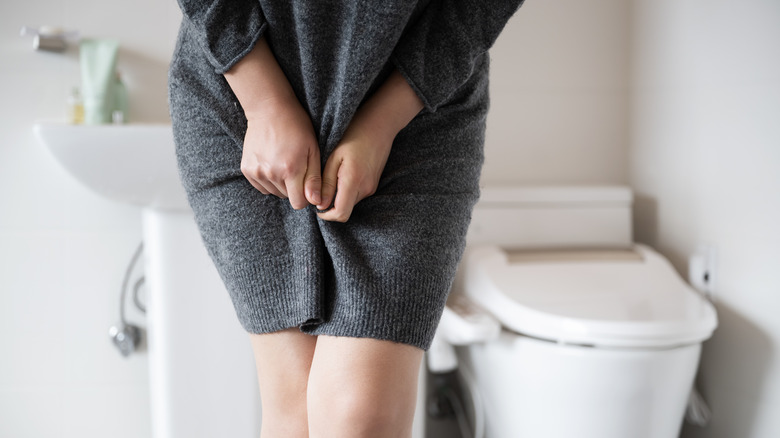
Why does it burn to pee after sex? It’s one of the most searched, most uncomfortable, and most misunderstood symptoms in sexual health. Some people feel a quick sting that fades in seconds, while others deal with a deep, throbbing burn that lasts for hours.
The good news is that burning after sex is rarely dangerous on its own. It’s usually your body’s way of signaling friction, dryness, irritation, or sometimes infection.
What “Burning After Sex” Actually Feels Like

Burning after sex can show up in a few different ways depending on the cause. Some people feel it only during urination, while others feel a constant rawness around the genitals.
It might feel like a sharp sting the moment urine touches the skin. Or it can feel like a dull, internal ache that sits behind the pubic bone.
Timing matters too. Burning that hits within minutes of sex is usually mechanical (friction or dryness), while burning that builds up hours or a day later often points toward infection.
Quick Facts Snapshot
| Detail | Information |
|---|---|
| Common name | Post-coital dysuria, burning urination after sex |
| Affects | Both men and women, more common in women |
| Most common cause | Friction or UTI (“honeymoon cystitis”) |
| Usually resolves in | A few hours to 2-3 days |
| See a doctor if | Pain lasts beyond 2-3 days, fever, blood in urine |
Common Causes of Burning When You Pee After Sex
Most cases of burning after sex fall into one of ten categories. Some are purely mechanical, while others point to infection or an allergic reaction.
Understanding which bucket your symptom falls into helps you decide whether home care is enough, or whether you need a clinic visit.
1. Friction and Micro-Tears
Repeated thrusting can cause tiny tears in the delicate skin of the vulva, vaginal opening, or urethral area. Urine passing over these micro-tears creates a quick, sharp sting.
This type of burning usually shows up immediately after sex and fades within a few hours. More lubrication or a gentler pace next time usually solves it.
2. Urinary Tract Infection (Honeymoon Cystitis)
Sex can push bacteria from the skin or anus into the urethra, leading to a bladder infection. Doctors sometimes nickname this “honeymoon cystitis” because it’s so closely tied to sexual activity.
A UTI-related burn tends to get worse over 24-48 hours rather than fading. It often comes with frequent urges to pee and only passing a small amount each time.
3. Vaginal Dryness
Without enough natural or added lubrication, sex creates more friction against the vaginal walls and urethra. This is common around ovulation changes, breastfeeding, menopause, or simply not enough arousal time.
The burning from dryness usually feels raw rather than infection-like, and it improves quickly with water-based lubricant on future occasions.
4. Condom, Latex, or Spermicide Allergy
Some people develop a mild allergic reaction to latex condoms or spermicide-coated condoms. The reaction shows up as burning, itching, or redness right after contact.
Switching to non-latex condoms or spermicide-free options often resolves the issue within one or two uses.
5. Lubricant, Soap, or Product Irritation
Warming, tingling, flavored, or glycerin-based lubricants can irritate sensitive genital tissue in some users. Scented soaps, body washes, or douches used right before sex can do the same.
This irritation typically causes burning during and shortly after sex, with the symptom calming down once the product is washed off.
6. Sexually Transmitted Infections (STIs)
Chlamydia, gonorrhea, trichomoniasis, and herpes can all cause urethritis, an inflamed urethra that burns when urine passes through it. Unlike simple friction, STI-related burning tends to stick around and often comes with discharge or sores.
If burning after sex is paired with unusual discharge, odor, or genital bumps, STI testing is the safest next step.
7. Semen Allergy
Though uncommon, some people are sensitive to proteins in semen, a condition sometimes called seminal plasma hypersensitivity. It can cause burning, swelling, or itching shortly after unprotected sex.
Using condoms consistently is the most reliable way to confirm or rule out this cause.
8. Prostatitis or Urethritis in Men
In men, burning after sex is less commonly tied to a classic UTI and more often linked to prostatitis or urethral inflammation. Ejaculation can aggravate an already irritated prostate.
This type of burning may come with pelvic discomfort, a frequent urge to urinate, or discomfort during ejaculation itself.
9. Dehydration and Concentrated Urine
When you’re dehydrated, urine becomes more concentrated and acidic. Passing this stronger urine over already-sensitive post-sex tissue can sting even without any infection present.
Drinking water before and after sex is a simple fix that also supports the next cause on this list.
10. Pelvic Floor Tension (Post-Coital Urethral Syndrome)
Some people have tight or overactive pelvic floor muscles that spasm after sex, irritating the urethra without any infection being present. This is sometimes labeled post-coital urethral syndrome.
It tends to cause recurring burning that doesn’t respond to antibiotics, which is often the clue that points doctors toward this diagnosis.
Burning After Sex: Men vs Women

Women experience this symptom more often because the female urethra is shorter, giving bacteria a quicker path to the bladder. Men can still experience it, usually tied to the prostate or urethra rather than the bladder.
| Factor | Women | Men |
|---|---|---|
| Most likely cause | UTI, friction, dryness | Prostatitis, urethritis |
| Typical extra symptoms | Urgency, cloudy urine | Pelvic ache, ejaculation pain |
| Recurrence risk | Higher (shorter urethra) | Lower, but possible |
UTI or STI? How To Tell The Difference
Both conditions cause burning, which makes self-diagnosis tricky. Timing and accompanying symptoms are the biggest clues.
| Symptom | More Likely UTI | More Likely STI |
|---|---|---|
| Onset | 1-2 days after sex | Days to weeks after exposure |
| Urine | Cloudy, strong smell | Usually normal-looking |
| Discharge | Rare | Unusual color, odor, or amount |
| Other signs | Urgency, pelvic pressure | Sores, bumps, partner symptoms |
Red Flags: When To See A Doctor
Most burning after sex settles on its own within a couple of days. Certain signs mean it’s time to stop self-treating and get checked.
| Red Flag | Why It Matters |
|---|---|
| Pain lasting more than 2-3 days | Possible infection needing treatment |
| Fever or chills | Could signal a kidney infection |
| Blood in urine | Needs medical evaluation |
| Lower back or side pain | Possible infection spreading to kidneys |
| Discharge or genital sores | Possible STI requiring testing |
How Doctors Diagnose The Cause
A doctor usually starts with a simple urine test to check for bacteria, blood, or white blood cells. This quickly confirms or rules out a UTI.
If the urine test comes back clear but symptoms persist, STI testing or a pelvic exam is the next step. For men, a prostate exam may be added if prostatitis is suspected.
In cases where every test is negative but burning keeps happening, doctors may explore pelvic floor dysfunction or post-coital urethral syndrome.
Immediate Relief Tips You Can Try Tonight
A few simple steps at home can calm the burning while you wait to see if it resolves on its own.
Drink a full glass of water right away. This dilutes your urine and makes the next few times you pee less irritating.
Urinate as soon as possible after sex, even if it stings a little. This flushes out bacteria before they have a chance to settle into the bladder.
Rinse the genital area gently with warm water, avoiding soap directly on sensitive tissue. Pat dry instead of rubbing.
A warm (not hot) compress or sitz bath can soothe surface irritation from friction or minor tears. Avoid scented bath products while healing.
How To Prevent Burning After Sex In The Future
Prevention mostly comes down to reducing friction, bacteria, and irritant exposure before sex happens again.
Use a water-based, fragrance-free lubricant generously, especially if dryness is a factor. Avoid warming, tingling, or flavored formulas if you’ve reacted to them before.
Pee both before and after sex when possible. This keeps bacteria from building up and gives you an early flush afterward.
Switch condom or lubricant brands if you suspect an allergy. Non-latex and spermicide-free options are widely available.
Stay hydrated throughout the day, not just around sex. Well-diluted urine is simply less likely to sting.
Treatment Options Based On Cause
Treatment looks very different depending on what’s actually causing the burning, which is why an accurate diagnosis matters.
| Cause | Typical Treatment |
|---|---|
| UTI | Short course of antibiotics |
| STI | Targeted antibiotics or antivirals |
| Friction or dryness | Lubricant, gentler pace, no medication needed |
| Allergy (latex, spermicide, semen) | Switching products, condom use |
| Prostatitis | Antibiotics or anti-inflammatory treatment |
| Pelvic floor tension | Pelvic floor physical therapy |
Burning After Sex But No Infection — What Then?

It’s common to test negative for both a UTI and an STI while still feeling burning after every encounter. This usually points toward friction, dryness, product sensitivity, or pelvic floor tension.
In these cases, a pelvic floor physical therapist can be more useful than another round of antibiotics. Tracking which lubricants, condoms, or positions trigger the burning also helps narrow down the cause.
Frequently Asked Questions (FAQs)
Is burning after sex always a UTI?
No, friction, dryness, allergies, and STIs can all cause the same symptom. A urine test is the only way to confirm a UTI specifically.
How long should burning after sex last?
Mild friction-related burning usually fades within a few hours. Anything lasting beyond 2-3 days should be checked by a doctor.
Can a yeast infection cause burning after sex?
Yes, yeast infections can cause burning during urination along with itching and thick discharge. This is separate from a bacterial UTI.
Does peeing right after sex help?
Yes, urinating soon after sex helps flush bacteria out of the urethra. It’s one of the simplest UTI prevention habits available.
Can lube cause burning when I pee?
Yes, warming, flavored, or glycerin-heavy lubricants can irritate sensitive tissue. Switching to a plain water-based formula often solves it.
Why does it burn to pee after sex but I don’t have an STI?
This is often friction, dryness, dehydration, or pelvic floor tension rather than infection. These causes don’t show up on STI panels.
Can men get burning after sex too?
Yes, though it’s less common than in women. In men it’s more often linked to prostatitis or urethral irritation.
Should I stop having sex if it burns afterward?
Not necessarily, but it’s worth identifying the cause first. Adding lubricant, switching products, or treating an infection usually resolves it.
Can dehydration really cause burning urination after sex?
Yes, concentrated urine is more acidic and stings more on already-sensitive tissue. Drinking water before and after sex reduces this effect.
When should I go to the ER for burning after sex?
Go immediately if you have a high fever, severe back pain, or visible blood in your urine. These can signal a kidney infection needing urgent care.
Conclusion
Burning after sex is uncomfortable, but in most cases it’s explainable and manageable once you know the cause. Friction, dryness, dehydration, and minor product irritation account for a large share of cases and usually resolve with simple changes like better lubrication and peeing right after sex.
UTIs, STIs, prostatitis, and pelvic floor tension need a more targeted approach, often involving a doctor’s visit and specific treatment rather than home care alone. The key is paying attention to timing, duration, and any extra symptoms like fever, discharge, or blood in urine.
If the burning fades within a day and nothing else feels off, you can likely manage it at home. If it lingers, worsens, or comes with red-flag symptoms, don’t wait it out — a quick urine test or check-up can identify the cause and get you comfortable again.