Why Does My Power Keep Going Out? What to Check (2026)
Why does my power keep going out, even when the weather is calm and nothing seems unusual? This is one of the most common electrical complaints homeowners search for, and the cause can come from either your home’s internal wiring or the utility grid outside.
Sometimes it’s a simple overloaded circuit, and other times it points to aging wiring, a failing panel, or a problem with the power line itself.
Is It Your Home or the Utility Company?
Check If Neighbors Are Affected Too
If your neighbors are also experiencing outages at the same time, the problem is likely on the utility side rather than inside your home.
Utility outages are typically caused by grid issues, storms, or equipment problems that affect an entire area rather than a single house.
Signs the Problem Is Inside Your Home
If your home loses power while neighboring houses stay lit, the issue is almost certainly coming from your own electrical system.
This distinction is the first and most important step in figuring out where to focus your troubleshooting.
Appliance-Specific Power Loss
Sometimes power only goes out when a specific appliance turns on, such as a microwave, air conditioner, or washing machine.
This pattern usually points to that particular circuit being overloaded or wired incorrectly for the appliance’s power draw.
Seasonal Patterns in Power Loss
Summer months often bring more outages due to air conditioning strain on circuits and increased grid demand across a region.
Winter storms, meanwhile, tend to cause more utility-side outages from downed lines, ice buildup, and wind damage.
Table: Utility vs Home Electrical Issues
| Clue | Likely Source |
|---|---|
| Neighbors also lose power | Utility grid issue |
| Only your home loses power | Internal electrical system |
| Power returns after a storm | Weather-related utility issue |
| Power drops during appliance use | Internal circuit or panel issue |
Common Home-Side Causes of Power Loss
Overloaded Circuits
Circuits are designed to handle a specific amount of electrical load, and exceeding that limit causes the breaker to trip automatically.
This often happens when multiple high-energy devices, like space heaters or hair dryers, run on the same circuit at once.
Faulty or Aging Wiring
Old, damaged, or improperly installed wiring can cause circuits to short or disconnect unexpectedly, especially in older homes.
If power tends to go out in specific rooms, or lights flicker before shutting off, aging wiring is a strong possibility.
Loose or Corroded Connections
Loose wiring connections at the panel, outlets, or fixtures can create intermittent power loss that seems to happen randomly.
Over time, corrosion or vibration can loosen these connections further, making the problem worse if left unaddressed.
Ground Faults
A ground fault occurs when electrical current finds an unintended path to the ground, often due to damaged wiring or insulation.
This type of fault frequently triggers repeated breaker trips and is considered a safety-related issue rather than a simple annoyance.
Short Circuits
Short circuits happen when a hot wire touches a neutral or ground wire, creating a sudden surge that trips the breaker instantly.
This is often caused by damaged insulation, pests chewing through wires, or wiring that wasn’t installed correctly.
Failing or Outdated Electrical Panel
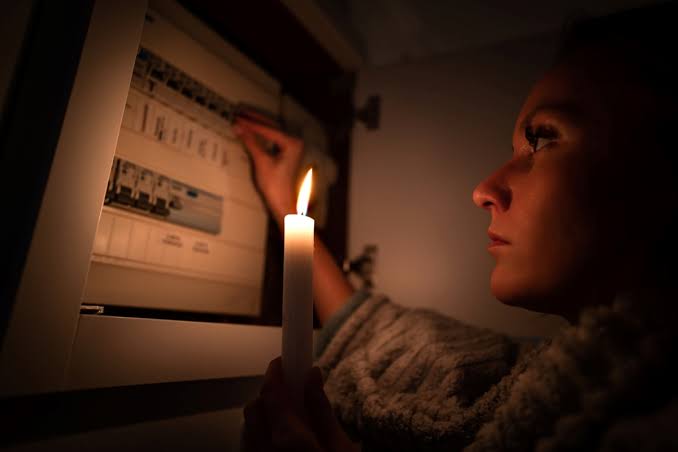
An electrical panel that can’t keep up with a home’s current power demand may trip breakers more often than it should.
Older panels, especially in homes built decades ago, are common culprits when frequent, unexplained outages occur.
Faulty Breakers
A worn-out or malfunctioning breaker can trip unnecessarily, even when the actual electrical load is within a normal range.
Replacing a faulty breaker is often a simple fix compared to larger wiring or panel issues.
GFCI Outlet Tripping
GFCI outlets are required in areas with water exposure, such as kitchens, bathrooms, and garages, and they shut off power when a ground fault is detected.
If a GFCI outlet trips and doesn’t reset properly, it can cut power to every outlet downstream on the same circuit.
Power Issues in Apartments and Rentals
Renters experiencing frequent outages should report the issue to their landlord or property manager promptly, since electrical repairs are typically their responsibility.
Older apartment buildings often share panels or wiring systems that can make troubleshooting more complex than in single-family homes.
Smart Home Devices and Circuit Load
Modern homes often run multiple smart devices, hubs, and chargers continuously, which can add unexpected load to certain circuits over time.
If outages began after adding several smart home devices, redistributing them across circuits may help resolve the issue.
Table: Home-Side Causes at a Glance
| Cause | Typical Trigger | Fix Difficulty |
|---|---|---|
| Overloaded circuit | Too many devices at once | Easy |
| Aging wiring | Old home, worn insulation | Professional required |
| Loose connections | Vibration, corrosion over time | Professional required |
| Ground fault | Damaged wiring or insulation | Professional required |
| Short circuit | Wire contact, pest damage | Professional required |
| Outdated panel | High modern power demand | Professional upgrade |
| Faulty breaker | Age, wear | Moderate, often simple swap |
| GFCI tripping | Moisture, faulty outlet | Easy to moderate |
Common Utility-Side Causes of Power Loss
Voltage Fluctuations
Voltage fluctuations happen when electricity delivered to your home briefly rises or falls, often due to sudden grid demand changes.
Large appliances turning on, like refrigerators, can also cause brief voltage dips that lead to flickering lights.
Storm and Weather Damage
Storms remain one of the most common causes of power outages, since wind and lightning can knock down trees onto power lines.
Snow, ice, and heavy rain can also interfere with transmission equipment, leading to temporary or extended outages.
Utility Maintenance
Scheduled maintenance or grid adjustments by your utility company can cause brief, planned interruptions in power delivery.
These outages are usually announced in advance, though unexpected maintenance issues can still occur without much notice.
Brownouts
A brownout happens when there isn’t enough power available to meet demand, causing utilities to intentionally reduce voltage across an area.
This often results in dimmer lights and appliances that struggle to function properly until normal voltage is restored.
Transformer or Transmission Line Damage
Damage to a transmission or distribution line, whether from weather, equipment failure, or accidents, can cause widespread outages.
These issues require direct repair from the utility company and can’t be resolved from inside your home.
Blackouts vs Brownouts vs Flickers
A blackout refers to a complete loss of power, while a brownout involves reduced voltage rather than a total outage.
Flickering lights, on the other hand, often indicate brief voltage changes rather than an actual outage, though frequent flickering can still signal an underlying issue.
How to Report a Utility Outage
Most utility companies offer outage reporting through a phone line, website, or mobile app, often including live outage maps for your area.
Reporting an outage promptly helps utility crews prioritize repairs and gives you estimated restoration times when available.
Table: Utility-Side Causes at a Glance
| Cause | Typical Trigger | Who Resolves It |
|---|---|---|
| Voltage fluctuation | Grid demand changes | Utility company |
| Storm damage | Wind, lightning, fallen trees | Utility company |
| Scheduled maintenance | Grid upgrades or repairs | Utility company |
| Brownout | High regional demand | Utility company |
| Transformer damage | Equipment failure | Utility company |
How to Diagnose the Problem Step by Step
Step One: Check Your Neighbors
Look outside or ask nearby neighbors if their power is also out, since this quickly points toward a utility issue rather than your home.
Step Two: Check Your Breaker Panel
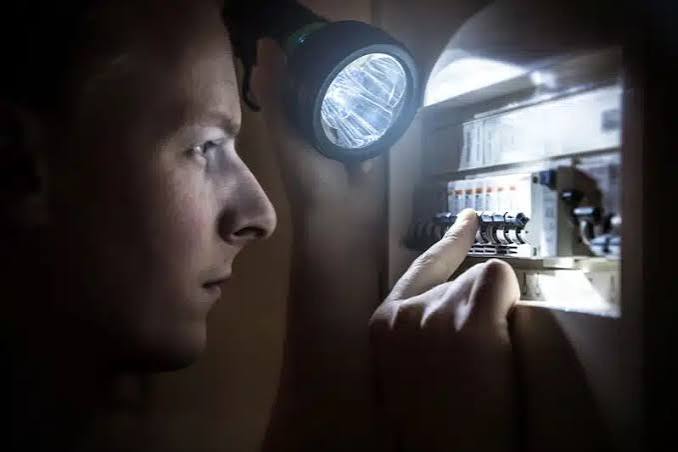
Open your electrical panel and look for any breakers in the “off” or middle position, which indicates a tripped breaker.
Resetting a tripped breaker is done by switching it fully off, then back on, to restore power to that circuit.
Step Three: Identify the Affected Circuit
Note which rooms or outlets lose power specifically, since this helps identify whether the issue is isolated to one circuit or affects your whole home.
Step Four: Unplug Recently Added Devices
If the outage started after adding a new appliance, unplugging it can help confirm whether it’s contributing to an overloaded circuit.
Step Five: Watch for Patterns
Tracking when outages happen, such as during storms, appliance use, or random times, provides valuable clues for a professional diagnosis.
Safety Tips Before You Investigate
Always avoid touching exposed wiring or working inside your panel beyond flipping breakers unless you’re a trained professional.
Turning off the main breaker before inspecting outlets or fixtures adds an extra layer of safety during any hands-on troubleshooting.
Table: Diagnostic Steps Summary
| Step | What to Do | What It Tells You |
|---|---|---|
| Check neighbors | Look outside or ask nearby | Utility vs home issue |
| Check breaker panel | Look for tripped breakers | Circuit-specific problem |
| Identify affected circuit | Note which rooms lose power | Scope of the issue |
| Unplug new devices | Remove recently added appliances | Overload confirmation |
| Track patterns | Note timing and triggers | Diagnostic clues for electrician |
When Power Outages Become a Safety Concern
Warning Signs You Shouldn’t Ignore
A burning smell, scorch marks near outlets, or a breaker that immediately trips again after resetting are all signs of a serious electrical issue.
These symptoms suggest the problem could pose a fire risk and should be treated as urgent rather than routine.
Why Repeated Tripping Matters
A breaker that trips repeatedly is doing its job by protecting your home, but repeated tripping usually means an underlying issue needs to be fixed, not just reset.
Continuing to reset the same breaker without addressing the cause increases the risk of a more serious electrical failure.
Electrical Fires and Aging Homes
Electrical fires account for a meaningful share of home fires each year, and outdated wiring is frequently a contributing factor.
Older homes are especially worth having inspected if outages are frequent or unexplained.
Table: Warning Signs and Recommended Action
| Warning Sign | Recommended Action |
|---|---|
| Burning smell near outlets | Call an electrician immediately |
| Breaker trips instantly after reset | Stop resetting, call a professional |
| Scorch marks or discoloration | Schedule an inspection right away |
| Power loss only in one room | Have that circuit inspected |
| Frequent unexplained outages | Request a full electrical inspection |
Questions to Ask an Electrician
Asking whether the issue is isolated to one circuit or affects the whole panel helps you understand the scope of needed repairs.
It’s also worth asking whether your home’s current panel capacity matches your household’s actual power usage today.
Homeowners Insurance and Electrical Damage
Some homeowners insurance policies cover damage caused by electrical fires or failures, though coverage for the repair itself often depends on the cause.
Keeping records of inspections and repairs can help support any future insurance claims related to electrical issues.
Solutions Based on the Cause
For Overloaded Circuits
Redistributing devices across multiple circuits or adding additional outlets can help resolve simple overload issues.
For Faulty Wiring
A licensed electrician should inspect and replace affected wiring to restore safe, reliable electrical function.
For Outdated Panels
Upgrading an aging electrical panel can help your home safely support modern appliance and power demands.
For GFCI Issues
Replacing a malfunctioning GFCI outlet is often a straightforward fix that resolves downstream outlet issues as well.
For Utility-Related Outages
In these cases, contacting your utility provider directly is the most effective way to get updates and restoration timelines.
Should You Consider a Backup Generator
For Frequent Weather-Related Outages
Homes that regularly lose power due to storms or grid instability may benefit from a standby generator for added reliability.
For Peace of Mind
Even homes without frequent outages sometimes invest in generators simply to avoid disruption during unexpected utility failures.
Battery Backups for Sensitive Electronics
Devices like computers, routers, and medical equipment can benefit from a small battery backup that bridges brief outages or voltage drops.
This is a lower-cost alternative to a full generator for households mainly concerned about short, occasional interruptions.
Surge Protection Considerations
Frequent voltage fluctuations can gradually damage sensitive electronics, making quality surge protectors a worthwhile investment alongside addressing the root cause.
Table: Estimated Cost Ranges for Common Fixes
| Fix | Estimated Cost Range |
|---|---|
| Breaker replacement | $100 to $250 |
| GFCI outlet replacement | $75 to $200 |
| Electrical panel upgrade | $1,200 to $4,000 |
| Full home rewiring | $3,000 to $10,000+ |
| Standby generator installation | $2,000 to $6,000 |
Costs vary based on home size, location, and the extent of electrical work required, so treat these as general estimates only.
Preventing Future Power Outages
Avoid Overloading Circuits
Spreading high-energy appliances across different circuits helps reduce the risk of repeated breaker trips.
Schedule Regular Electrical Inspections
Routine inspections can catch aging wiring, loose connections, or panel issues before they cause frequent outages.
Address Small Issues Early
Flickering lights or occasional tripped breakers are often early warning signs worth addressing before they escalate.
Keep Your Panel Updated
If your home’s electrical demands have grown over the years, upgrading your panel can prevent capacity-related outages.
When to Call an Electrician
Power Keeps Going Out Without Explanation
If outages continue without an obvious cause like weather or appliance use, professional diagnosis is the safest next step.
A Breaker Trips Repeatedly
Frequent tripping, especially immediately after resetting, signals an underlying issue that needs expert attention.
You Notice Burning Smells or Warning Signs
Any signs of overheating, burning odors, or visible damage near outlets warrant immediate professional evaluation.
A Quick Recap Before the FAQs
If your outage affects neighbors too, focus on utility-related causes like weather, maintenance, or grid issues outside your control.
If only your home loses power, start with your breaker panel, circuit load, and wiring before assuming the worst.
Keeping a Simple Outage Log
Noting the date, time, weather conditions, and which rooms lost power each time an outage happens can make future diagnosis much faster.
This small habit often reveals patterns that aren’t obvious in the moment but become clear after a few occurrences.
This quick recap, combined with the FAQ answers below, should help you narrow down the cause before deciding whether to call an electrician or your utility provider.
Peace of Mind Through Prevention
Most power outage causes are manageable once identified, and taking small preventive steps now can save you from bigger disruptions and repair costs later.
One Last Reminder on Safety
If you’re ever unsure whether an electrical issue is safe to investigate yourself, it’s always better to pause and call a licensed professional instead.
Ready for the FAQs
With the causes, diagnostic steps, and safety signs covered, the FAQ section below offers quick, direct answers to the most common related questions.
Frequently Asked Questions (FAQs)
1. Why does my power keep going out for no reason?
It often points to an overloaded circuit, faulty wiring, or an aging electrical panel struggling with demand.
2. How do I know if it’s my house or the utility company?
Check if neighbors are also without power; if only your home is affected, it’s likely an internal issue.
3. Why does my breaker keep tripping after I reset it?
This usually means an underlying issue like a short circuit or ground fault needs professional repair.
4. Can too many appliances cause my power to go out?
Yes, running multiple high-energy devices on one circuit is a common cause of tripped breakers.
5. Is it dangerous if my power keeps going out?
It can be, especially if paired with burning smells or repeated tripping, which may signal a fire risk.
6. Why does my power go out only during storms?
Storms often damage power lines or transmission equipment, which is a utility-side issue outside your control.
7. Should I keep resetting a breaker that trips often?
No, repeated tripping means the root cause should be diagnosed rather than continuously reset.
8. Can old wiring cause frequent power outages?
Yes, aging or damaged wiring is one of the most common causes of recurring power loss.
9. Do I need an electrician for a GFCI outlet that won’t reset?
Often yes, especially if resetting doesn’t restore power to the outlet or connected circuits.
10. Is a generator worth it if my power goes out often?
If outages are frequent due to weather or grid issues, a standby generator can offer reliable backup power.
Conclusion
Power going out repeatedly usually comes down to either an issue inside your home, like overloaded circuits, faulty wiring, or an aging panel, or a problem on the utility side, such as storms, voltage fluctuations, or grid maintenance.
Checking whether your neighbors are affected, inspecting your breaker panel, and tracking when outages happen are simple first steps that can quickly point you in the right direction.
While some causes are quick, low-cost fixes, others involve real safety risks and should be handled by a licensed electrician rather than repeated guesswork.
If your power keeps going out without a clear explanation, or comes with warning signs like burning smells or repeated tripping, scheduling a professional inspection is always the safest and most reliable path forward.