Why Football Is the Primary Sport in the Arab World
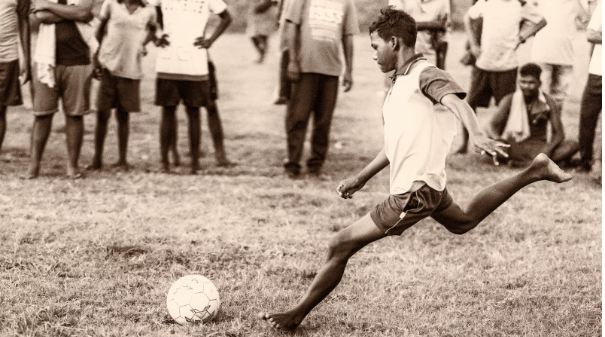
Football is more than just a game in the Arab world; it is life. The streets, homes, and cafes resonate with every goal and save. Football unites millions from Morocco to the Gulf, igniting intense emotions and fierce pride. There is no easier sport to watch and play, as it requires little to no equipment and provides endless joy. Such bonds make football the undisputed king of sports across this region, reigning supreme in culture and communities.
The Historical Roots of Football in the Arab World
In the early 1900s, the British and French introduced football to the Arab world. Local clubs quickly adopted the new sport, and its feverishly passionate fanbase grew. People not only embraced football, but they also found joy in simple games like crash game — Arabic “لعبه الطياره” — often played in the streets. Football had transformed from a colonial pastime to a regional obsession for decades. It flourished tremendously in neighbourhoods and schools and became a significant pastime for adults and youths. Such developments provided the foundation for the momentum football enjoys to this day.
The evolution of the sport wasn’t just limited to playing; ample sociopolitical changes took place, too. After the countries gained independence, a sense of regional identity and pride emerged, and football became a symbol. Great Arab matches facilitated modern Arab culture and fostered pan-Arab unity.
Football’s Cultural Significance
Football isn’t just an event in someone’s life. It is a part of life itself. This is evidenced by how it brings people together, sparks celebrations, inspires songs, and fuels community pride. The cultural shifts in society that derive from football result from:
- Matches forge deep societal ties, where entire neighbourhoods, towns, and even nations unite in excitement and collective energy, sharing victories and losses.
- The display of national sentiment on global stages, where every goal and win becomes a matter of pride, reflects a nation’s strength and identity.
- Cross-age and regional communication through shared football lingo allows people of all generations and backgrounds to connect and engage in conversations regardless of cultural or linguistic barriers.
The unity behind this sport has societal underpinnings and effects that transcend the sport itself. Football’s ability to form connections, inspire unity, and create a sense of belonging goes far beyond the boundaries of the pitch, shaping relationships, identity, and even politics in the Arab world.
Key Factors Driving Football’s Popularity
Wherever there is in the Arab world, football exists. Even the dough and social structure of the Middle East are absolutely into it. Funds pour in from the government and private sectors to build academies and stadiums at an extravagant rate, so much that it is guaranteed to silence even the most seasoned fan and player bonding sceptics. This sport’s essence lies in its simplicity, yielding profound depths that will challenge even the most seasoned athletes. Year after year, the tournaments (local and global) surge in numbers of participants, spectators, and media coverage, leading to dreams and inspirations during and outside the sport. This sport also thrives because it’s woven into everyday life. It’s common to see kids playing barefoot in alleys and adults debating tactics in cafes. This constant presence makes football a game and a way of living.
Growing Football Infrastructure
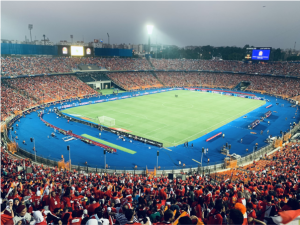
Over the past ten years, the Arab world has strikingly improved its football infrastructure. Entirely new stadiums, training centres, and academies have emerged. Qatar spent an astounding $6.5 billion on the 2022 FIFA World Cup, which put the region on the global map. This mega-event created countless jobs and venues that will leave a lasting legacy.
In addition, private clubs are making greater efforts to identify and develop local talent while bringing in foreign superstars to boost the team’s popularity. These changes provide enhanced training for players and improved services for fans. Development goes beyond mere construction; it aims to elevate the sport’s benchmarks and provide footballing landmarks that can entice and guide future generations.
Youth Participation and Development
Football has seen programs like schools and local clubs gain traction in the community, which makes it easier to draw more youth. Youth engagement is the foundation for everything in football. It helps cultivate the next generation of players and fans. Here’s why the engagement of youth is essential:
- Skill development at an early age builds an excellent skill set, giving children the tools to excel as they grow older. It also keeps them active and healthy, reducing risks like obesity.
- Football leads to scholarships and even careers, opening doors to education and professional opportunities in the sport itself and related fields such as sports management and media.
- Social organization provides discipline and social structure, teaching teamwork, time management, and resilience—valuable skills that extend beyond the field.
- Tournaments foster the spirit of competition and passion, where young players learn the importance of winning and losing gracefully, instilling pride and love for the game.
Using these aids fosters casual football participation and helps nurture future football stars. Football isn’t just about playing; it’s about creating pathways and dreams for young people. This works as a guide to unite communities with the game and hopes and chances on the ground, promoting a sense of belonging and shared purpose.
Media and Broadcasting Influence
The Arab region wouldn’t have access to football as we know it without strong media coverage. Matches are shown live in prime time. Channels fuel the market with live games, analysis, and even rave shows. It’s not only adults who are engaged. The youth are glued to the screens and the drama of the sport. The media doesn’t only report about football; for them, it’s a way to turn it into a spur for day-to-day activities.
Here’s how football content performs on key Arab networks in 2024:
| Channel | Average Viewers (Millions) | Top Broadcast | Weekly Football Shows |
| beIN Sports | 25 | AFC Champions League | 10 |
| Al Jazeera Sports | 18 | Saudi Professional League | 7 |
| MBC Action | 12 | English Premier League Highlights | 5 |
| Dubai Sports | 10 | UAE Pro League | 6 |
This table shows the massive audience football commands, proving why it dominates Arab media.
Economic Impact of Football
From an economic standpoint, football (soccer) is vital across the Arab region. Clubs make profits from ticket sales, sponsorships, and merchandise. Qatar’s economy received over $15 billion from the 2022 FIFA World Cup alone. In addition, job growth occurred in the country’s tourism, hotels, and infrastructure projects.
Entrepreneurs started football-related businesses such as media content production and marketing. These new companies also employed people apart from players, diversifying the job market. Football also acts as an economic catalyst.
Social and Political Role of Football
Football can unite a distinct and at times fractured area. Cultures and politics can coexist due to the sport, which has a universal language for millions. Joy and sorrow are moments savoured in the stadiums, surpassing daily stressors. National governments, for instance, opt to employ football diplomacy to soften foreign relations or raise national pride abroad.
In other respects, football can be used as a medium to advocate for social justice. Creators and fans use the sport to vocalize and campaign for essential matters like humanitarian issues. The game’s impact is bigger than the field as it fights against social injustice.