Why Innerlifthunt Game Postponed? Latest Update 2026
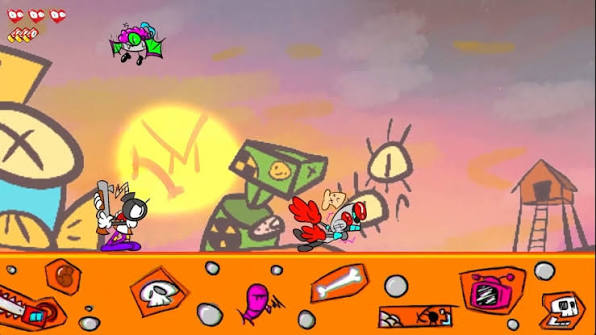
Why Innerlifthunt game postponed is the question every fan of this indie title has been typing into search engines over the past few weeks.
The anticipated release built serious hype through trailers, forum threads, and word-of-mouth buzz, so when the postponement news landed, disappointment spread fast across gaming communities. .
Why This Topic Is Trending Right Now
Search interest around this exact phrase has climbed noticeably in the past several weeks, largely because the game had already built a loyal following before any delay news existed.
Search engines tend to amplify sudden spikes like this, which is why so many articles covering the same topic appeared within a short window of each other.
For readers, that flood of content can actually make things more confusing rather than less, since not every source explains the situation the same way.
This guide aims to cut through that noise with clear, grounded reasoning based on how game delays typically work across the industry.
What Is Innerlifthunt? A Quick Overview
Innerlifthunt is an indie title that built its early audience through community discussion rather than a massive marketing budget. Its unusual concept and atmospheric trailers made it stand out quickly.
The game leans on exploration, psychological storytelling, and environmental puzzle-solving instead of traditional action-heavy gameplay. That mix is exactly why expectations climbed so fast before the delay news broke.
Because the title gained visibility mostly through fan discussion and search trends, official details have stayed limited. That gap between hype and hard information is part of why the postponement felt so sudden to many players.
Why Innerlifthunt Game Postponed – The Main Reasons
There is rarely a single cause behind a game delay, and Innerlifthunt appears to follow that same pattern. Based on common industry practices and available discussion, several overlapping factors likely played a role.
Development Stage Challenges
Modern games require dozens of interconnected systems working together, including animation, AI behavior, rendering, and UI integration. If one layer lags behind, the whole build can feel unfinished.
Many titles are shown to the public during mid-development, which creates a visible gap between what fans expect and what is actually ready. Innerlifthunt’s early buzz may have outpaced its real production timeline.
Technical Bugs and Performance Issues
Bugs discovered late in development are far more disruptive than early ones, since they often affect systems that are already deeply integrated. Fixing them properly takes real time.
Frame-rate instability, memory leaks, and crashes usually surface only after extended internal testing. These issues are exactly the kind that push studios toward a delay rather than a rushed launch.
Server Stability and Multiplayer Concerns
If Innerlifthunt includes any online components, server readiness becomes a major checkpoint before release. Stable connections and synchronization matter as much as gameplay polish.
Launching online features without proper stress-testing tends to backfire quickly, since day-one server crashes generate lasting negative reviews. Extra time here protects the launch experience.
Strategic Release Timing
Sometimes a delay has nothing to do with bugs and everything to do with the release calendar. Competing against major titles in the same window can bury a smaller game entirely.
Postponing a launch lets a smaller studio pick a quieter release window with more visibility, better press coverage, and less competition for player attention.
Marketing and Community Readiness
A finished game still needs trailers, influencer previews, and community outreach to land well. Rushing the release before this groundwork is done can limit its reach significantly.
Delays sometimes buy time for exactly this kind of preparation, ensuring the eventual launch actually reaches the audience the studio worked to build.
Hardware and Platform Compatibility
Ambitious indie games often push visual and physics systems harder than expected, which can cause smooth performance on high-end PCs but noticeable slowdowns on mid-range hardware.
Balancing that gap usually requires extra optimization passes across multiple device tiers, which adds real time to the final stretch of development before launch.
If Innerlifthunt is targeting consoles alongside PC, certification requirements add another layer of testing that studios cannot skip or rush without risking rejection.
Player Feedback From Early Previews
Beta access, closed previews, or early demo builds often generate feedback that reshapes parts of a game before launch, even late in development.
If testers flagged pacing issues, confusing mechanics, or unclear storytelling beats, addressing that feedback properly takes meaningfully more time than a quick patch would.
Studios that listen to this kind of feedback before launch, rather than after, tend to avoid much larger reputation damage down the line.
Table: Possible Reasons Behind the Innerlifthunt Delay
| Factor | Likelihood | Impact on Players |
|---|---|---|
| Unfinished development stage | High | Longer wait, more polish |
| Critical bugs found in QA | High | Fewer day-one issues |
| Server/multiplayer instability | Medium | Smoother online play later |
| Competitive release timing | Medium | Better visibility at launch |
| Marketing not fully ready | Medium | Stronger launch campaign |
| Full cancellation | Very Low | Not currently indicated |
A Realistic Timeline of the Postponement
Public information around Innerlifthunt has come mostly through community posts, search trends, and scattered social media activity rather than one detailed press release.
That limited communication is a big reason speculation spread so quickly. When studios go quiet after a delay, fans naturally fill the silence with theories.
| Stage | What Happened |
|---|---|
| Early Reveal | Trailer and concept generate strong buzz |
| Hype Peak | Forums and social media discussions surge |
| Delay Announcement | Postponement confirmed via limited channels |
| Current Status | Development ongoing, no confirmed date |
How the Gaming Community Reacted
Community reaction to the Innerlifthunt postponement has been mixed, which is typical for any title that built up this much anticipation beforehand.
Some players expressed genuine frustration after clearing time to play a game that no longer had a set date. That reaction is completely understandable given the buildup.
Other fans took a more patient stance, pointing out that a delay usually signals a studio choosing quality over a rushed, buggy release. Both reactions are valid responses to real disappointment.
Social platforms saw a noticeable spike in searches and discussion threads right after the announcement. That spike itself shows how much attention the title had already earned.
Why Delays Aren’t Always Bad News
It’s worth remembering that postponements are common across the gaming industry, even for major AAA titles with huge budgets and large teams behind them.
Rushed launches tend to produce more bugs, weaker reviews, and refund waves that damage a game’s reputation long after the patches finally arrive.
Studios that choose to delay are often protecting the long-term perception of their game rather than trying to frustrate their own community on purpose.
Players who wait usually end up with a more stable, more polished experience than they would have gotten from an unfinished day-one release.
Lessons From Other Delayed Games
Innerlifthunt’s situation isn’t unique in the gaming world. Plenty of well-known titles have gone through similar delays before eventually launching to strong reviews.
Extra development time has repeatedly proven useful for fixing engine-level issues, improving pacing, and stabilizing server infrastructure before a wider audience ever touches the game.
The pattern across the industry is consistent: delays driven by genuine quality concerns tend to produce stronger final products than those rushed out to meet an artificial deadline.
That pattern gives some reassurance to Innerlifthunt fans wondering whether the wait will actually be worth it in the end.
What Innerlifthunt Fans Can Expect Next
Since no confirmed release date exists yet, the best move for interested players is following the developer’s official channels rather than relying on rumors.
Expect continued behind-the-scenes work focused on bug fixes, performance tuning, and possibly expanded content based on early community feedback and beta impressions.
A confident new release window typically follows once internal testing shows the build is stable across different hardware setups and platforms.
Avoid preordering until an official date is locked in, since early-bird bonuses or pricing details often shift closer to the actual launch announcement.
How Innerlifthunt’s Genre Adds Pressure
Psychological and atmosphere-driven games rely heavily on pacing, sound design, and environmental detail to land emotionally with players. That kind of polish is hard to rush.
Unlike fast-paced action titles where minor rough edges go unnoticed, a slow-burn exploration game exposes any inconsistency in tone or timing almost immediately.
This genre pressure may be part of why the team chose to extend development rather than ship something that felt technically complete but emotionally flat.
Tips for Fans Waiting on Updates
Bookmark the official store page and social accounts instead of relying on random forum posts, since misinformation spreads quickly during any unconfirmed delay.
Avoid buying keys, accounts, or early access from unofficial third-party sellers claiming insider access, since no verified early distribution channel currently exists.
Set realistic expectations around timing. Studios rarely announce a new date until they’re confident it will hold, so patience usually pays off here.
Engage with official community spaces respectfully. Constructive feedback tends to get more attention from developers than frustration expressed as complaints alone.
Should You Still Be Excited About Innerlifthunt?
Yes, the core concept behind Innerlifthunt is still what drew players in during the first place, and that hasn’t changed because of the delay.
A postponement focused on quality usually means the eventual release matches the ambition of the original trailers more closely than a rushed version ever could.
Fans who enjoy atmospheric, exploration-driven experiences will likely find the extra wait reasonable once the finished game actually reaches their hands.
Related Searches People Are Also Making
Alongside “why Innerlifthunt game postponed,” search trends show players also looking up “Innerlifthunt release date,” “Innerlifthunt delay reason,” and “Innerlifthunt gameplay trailer.”
These related searches show that curiosity isn’t limited to the delay itself. Fans are also trying to understand the game’s mechanics, story, and overall direction.
Other common queries include “is Innerlifthunt cancelled,” “Innerlifthunt beta access,” and “Innerlifthunt system requirements,” which suggests players are already planning ahead for launch day.
Tracking these related terms is useful because it shows the delay hasn’t killed interest. If anything, search volume around the title has stayed active.
How Search Trends Spiked After the Delay
Search interest around Innerlifthunt didn’t fade after the postponement news; it actually spiked. That pattern is common whenever a hyped title suddenly loses its expected release date.
A sudden delay often creates more searches than a normal announcement would, simply because players are actively trying to fill an information gap.
This spike also explains why so many blogs and content sites rushed to cover the topic within days of the news breaking.
For players, the safest way to cut through that noise is sticking to verified developer channels instead of relying on secondhand blog speculation.
Impact of the Delay on Preorders and Early Interest
Titles that open preorders before a confirmed stable release date sometimes run into exactly this kind of situation, where enthusiasm outpaces production reality.
If Innerlifthunt had any preorder activity tied to its original window, that timeline naturally shifts along with the new development schedule.
This isn’t unusual. Many studios pause or adjust preorder incentives during a delay to avoid promising something that isn’t ready to deliver yet.
Players who already committed early should watch for official communication about whether bonuses, pricing, or early-access terms change once a new date is set.
Developer Communication and Why It Matters
One detail that shapes community sentiment more than the delay itself is how clearly a studio communicates about it. Silence tends to make frustration worse.
When developers share specific details about what’s being fixed, players generally respond with more patience and understanding than when updates go quiet for long stretches.
Innerlifthunt’s communication so far has been limited, which explains why so much of the current conversation online is speculation rather than confirmed fact.
Clearer updates in the coming months would likely reduce confusion and help rebuild the excitement that existed before the postponement was announced.
What This Means for Indie Game Marketing
Innerlifthunt’s situation is a useful case study in how quickly hype can outpace an indie studio’s actual production timeline and internal resources.
Smaller studios often build audiences through organic buzz long before a game is truly launch-ready, which raises the stakes if a delay becomes necessary.
The lesson many indie developers take from cases like this is to manage expectations early, rather than letting search-driven hype set an unofficial deadline.
For players, understanding this dynamic helps explain why an indie delay can feel more sudden and less explained than one from a large studio.
Comparing Innerlifthunt’s Delay to Industry Norms
| Situation | Typical Industry Pattern | Innerlifthunt’s Case |
|---|---|---|
| Delay announced pre-launch | Common, especially for ambitious titles | Matches this pattern |
| Reason given publicly | Often vague or general | Limited detail so far |
| Cancellation risk | Rare after an active delay notice | No signs of cancellation |
| Community reaction | Mixed, cools over time | Currently mixed and active |
This comparison shows Innerlifthunt isn’t behaving unusually for a hyped indie title. Most of what’s happening lines up with standard delay patterns across the industry.
It’s also worth noting that games which survive an early delay without cancellation rarely get cancelled afterward. Most simply take longer to reach a stable, shippable state.
That distinction matters because cancellation and delay get confused constantly in online discussion, even though they represent very different outcomes for a project.
Final Thoughts Before the FAQ Section
At this point, the overall picture is fairly clear even without an official detailed statement. Development challenges, technical concerns, and timing all likely play a role.
None of the available information suggests the project is in trouble long-term. Delays like this are usually a sign of active, ongoing work rather than a stalled project.
The next section answers the most common questions players are asking right now, in short, direct answers you can scan quickly.
Why Transparency Would Help Innerlifthunt’s Reputation

Studios that publish clear roadmaps during a delay tend to retain more community goodwill than those that go silent for extended stretches without any explanation.
A simple update outlining what’s being fixed, even without a firm date, reassures players that progress is actually happening behind the scenes.
If Innerlifthunt’s team adopts this approach going forward, much of the current speculation online would likely settle down within a short period.
Until then, patience combined with healthy skepticism toward unofficial rumors remains the most reliable approach for anyone following the game closely.
A Quick Recap Before You Scroll Further
To summarize everything so far: development stage gaps, technical bugs, server concerns, release timing, and marketing readiness are the most likely combined causes.
None of these point toward cancellation. Instead, they reflect a fairly normal, if frustrating, pattern seen across countless other game delays in recent years.
The FAQ section below distills all of this into short, direct answers for anyone who wants the key facts without rereading the full article.
Frequently Asked Questions (FAQs)
1. Why Innerlifthunt game postponed in the first place?
The delay likely stems from a mix of unfinished development stages, technical bugs, and strategic release timing. No single official cause has been confirmed publicly.
2. Is Innerlifthunt cancelled?
No, there is no indication of cancellation. Available information points to an active delay, not a shutdown of the project.
3. When will Innerlifthunt release?
No confirmed date exists yet. Players should follow official developer channels for the most accurate updates.
4. Was the delay caused by bugs?
Technical issues discovered during testing are a commonly cited factor. Bugs found late in development often require significant rework time.
5. Does the delay affect the game’s price?
There’s no indication pricing will change because of the postponement. Extra development time is typically unrelated to pricing decisions.
6. Will Innerlifthunt include multiplayer features?
Some discussions suggest online elements may be part of the game, which would explain extra server-stability testing before launch.
7. How has the community reacted to the delay?
Reactions are mixed, ranging from disappointment to patient support. Many fans see the delay as a sign of quality-focused development.
8. Should I still preorder Innerlifthunt?
It’s safer to wait until an official release date and preorder details are confirmed before committing any money.
9. Are other games facing similar delays?
Yes, delays are common across the gaming industry, even among major AAA titles with large development budgets.
10. What can fans do while waiting?
Following official social media and store pages is the most reliable way to get accurate, real-time updates on Innerlifthunt’s progress.
Conclusion
The question of why Innerlifthunt game postponed doesn’t have one single confirmed answer, but the overlapping factors are familiar to anyone who follows game development closely.
Unfinished systems, late-stage bugs, server readiness, and competitive release timing all commonly push studios toward a delay rather than a rushed launch.
None of the available information points to cancellation, and the pattern across the wider gaming industry suggests that quality-driven delays usually lead to stronger final products.
For now, the most useful thing fans can do is stay connected through official channels rather than relying on speculation. Innerlifthunt still holds the same appeal that built its early hype, and a more polished release will likely justify the wait once a confirmed date finally arrives.