Why Is Denver Called the Mile High City? Explained Simply (2026)
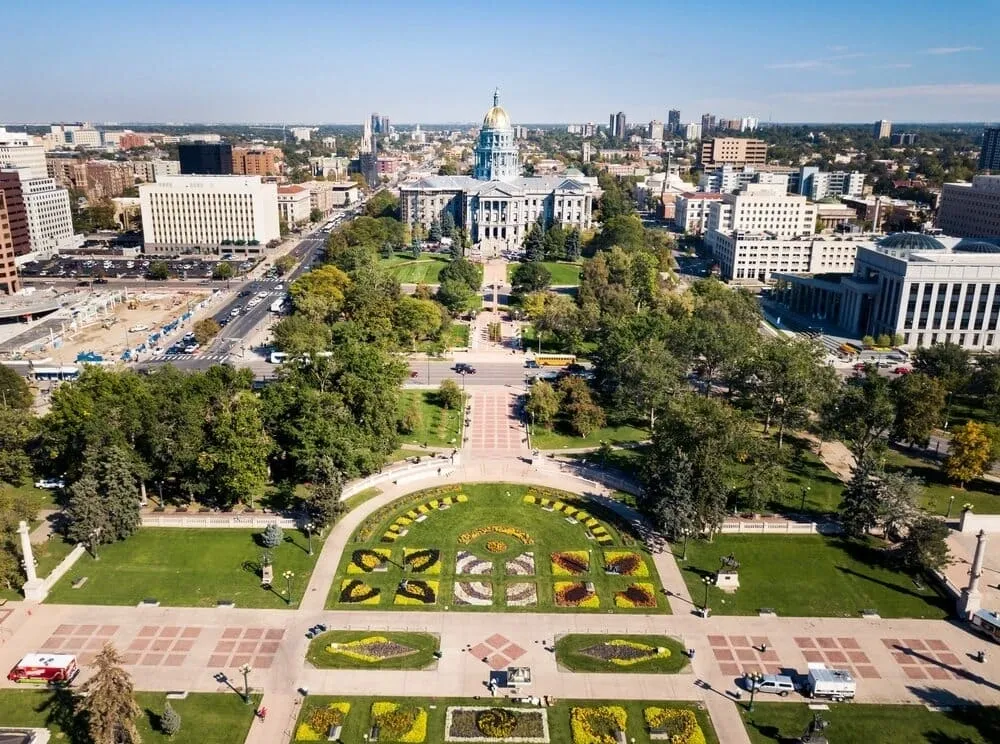
Why is Denver called the Mile High City? The short answer is elevation. Denver sits exactly 5,280 feet above sea level, which works out to precisely one mile.
That single number became the city’s most famous nickname, but the full story involves gold prospectors, a governor’s name, a marketing push in the early 1900s, and even a set of granite steps that have been re-measured three times.
The Simple Answer: Denver’s Elevation
Denver’s nickname comes directly from its height above sea level, which measures exactly 5,280 feet, or one mile.
This makes Denver the highest major city in the United States, sitting right at the edge of the Great Plains where they meet the Rocky Mountains.
Because the number lines up so perfectly with one mile, the city adopted it as a point of pride rather than just a geographic fact.
Where Denver Sits Geographically
Denver is located at the western edge of the Great Plains, just east of the Front Range of the Rocky Mountains.
The city sits near the junction of Cherry Creek and the South Platte River, which shaped its original settlement location.
This position, right where the plains rise into the mountains, is exactly why the elevation reaches that famous mile-high mark.
The History Behind the Mile High City Nickname
How Denver Got Its Name
Denver was named after James W. Denver, who served as the governor of the Kansas Territory in the 1850s.
Early settlers hoped naming the town after the governor would help their small settlement become the region’s county seat.
Ironically, James W. Denver had already resigned from his position by the time the town was officially named after him.
The Gold Rush and Denver’s Early Founding
The first settlement in what is now Denver dates back to 1858, when gold prospectors arrived hoping to strike it rich.
These early prospectors initially settled in a nearby area before the population shifted and consolidated into what became modern Denver.
Within thirty years, the Colorado gold rush helped transform the region from a small camp into a booming state with nearly 200,000 residents.
From Queen City to Mile High City
Before it was known as the Mile High City, Denver carried other nicknames, including the Queen City of the Plains.
This earlier nickname reflected Denver’s importance as an agricultural and trading hub for the High Plains region and the Front Range foothills.
The phrase “mile high” existed as a frontier expression even earlier, but it didn’t become Denver’s defining identity until the early 20th century.
When the Mile High Name Took Hold
Historical records suggest that businesses in Denver began referencing their “mile high” location informally well before the city adopted it officially.
It wasn’t until the second decade of the 1900s that Denver truly began marketing itself using the Mile High identity.
By the mid-1900s, the United States Postal Service had recognized the nickname, cementing it as Denver’s official and lasting title.
The Mile High Steps at the Colorado State Capitol
One of the most famous places to experience Denver’s elevation firsthand is the west staircase of the Colorado State Capitol building.
Since 1909, three separate steps have each been marked as the official one-mile point, due to changing measurement standards over time.
This makes the Capitol steps a fascinating stop for visitors who want a literal, physical connection to the city’s nickname.
The 15th Step
In 1909, students from the University of Denver measured the elevation and carved “One Mile Above Sea Level” into the 15th step.
This marker held its status for sixty years before newer measurement techniques challenged its accuracy.
The 18th Step
In 1969, engineering students from Colorado State University re-measured the site and installed a new marker two steps higher, on the 18th step.
This adjustment came from updates to national elevation standards rather than any physical change to the building itself.
The 13th Step
In 2003, researchers from Metropolitan State College of Denver conducted a fresh measurement using modern techniques and identified the 13th step as accurate.
A brass medallion featuring the Rocky Mountains was installed that year in an official ceremony led by the governor.
Mile High Markers Comparison Table
| Step Number | Year Installed | Measured By | Status Today |
|---|---|---|---|
| 15th step | 1909 | University of Denver students | Historic marker, no longer official |
| 18th step | 1969 | Colorado State University students | Historic marker, no longer official |
| 13th step | 2003 | Metropolitan State College of Denver | Current official marker |
Other Places That Celebrate Denver’s Elevation
The Purple Row at Coors Field
Coors Field, home of the Colorado Rockies baseball team, features a row of purple seats wrapping around the upper deck.
These seats mark the exact spot that sits one mile above sea level, turning the ballpark into another mile-high landmark.
Fans often seek out these seats specifically to sit at the famous elevation while watching a game.
City Branding and Sports Teams
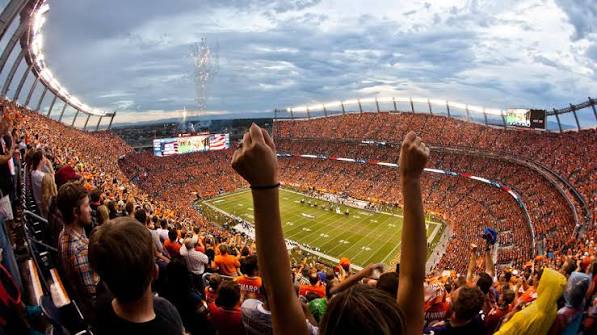
Denver’s professional football team is officially named the Denver Broncos, but the city’s stadium and branding frequently reference the Mile High identity.
Local businesses, hotels, and events across the city continue to use “Mile High” in their names as a nod to this shared identity.
What Living a Mile High Actually Means
Denver’s elevation isn’t just a fun fact. It genuinely changes the experience of living in or visiting the city.
Thinner Air and Oxygen Levels
At 5,280 feet, the air contains less oxygen than at sea level, which is why some visitors feel short of breath during their first day.
This thinner air is also why baked goods, boiling water, and even flights can behave differently compared to lower elevations.
More Sun Exposure
Because the atmosphere is thinner at higher elevations, ultraviolet rays are stronger, meaning sunburns can happen faster in Denver than in many other cities.
This is one reason sunscreen is recommended year-round for both residents and visitors exploring the city outdoors.
Weather Quirks at High Altitude
Denver is known for intense, quickly changing weather, including rapid temperature swings between daytime warmth and nighttime cold.
The city also enjoys more than 300 days of sunshine per year, despite its reputation for mountain snow nearby.
Cooking and Baking at High Altitude
Recipes often behave differently in Denver because lower air pressure affects boiling points and how quickly baked goods rise.
Many cookbooks include separate high-altitude instructions specifically because of cities like Denver sitting so far above sea level.
Sports Performance at High Altitude
Thinner air offers less resistance, which means baseballs and golf balls can travel notably farther in Denver than in lower cities.
This effect is part of why Coors Field is known among baseball fans as a hitter-friendly ballpark.
Denver Compared to Other High-Altitude Cities
| City | Elevation (feet) | Nickname or Note |
|---|---|---|
| Denver, Colorado | 5,280 | Mile High City |
| Colorado Springs, Colorado | 6,035 | Higher than Denver, smaller population |
| Leadville, Colorado | 10,430 | Highest incorporated city in the U.S. |
| Salt Lake City, Utah | 4,226 | Notable but lower than Denver |
| Albuquerque, New Mexico | 5,312 | Comparable elevation to Denver |
The Geology Behind Denver’s Elevation
Millions of Years of Uplift
Denver’s location on the western edge of the Great Plains exists because of geological forces that lifted the land near the Rocky Mountains over millions of years.
This gradual uplift created the exact conditions that placed Denver so precisely at the one-mile mark above sea level.
Why the Front Range Matters
Sitting just east of the Front Range, Denver benefits from a natural transition zone between flat plains and dramatic mountain terrain.
This unique positioning is part of why the city offers both plains-style weather patterns and mountain views within the same skyline.
Denver by the Numbers
| Fact | Detail |
|---|---|
| Official elevation | 5,280 feet (1 mile) |
| Year city founded | 1858 |
| Population (2020 census) | 715,522 |
| Sunny days per year | Over 300 |
| Coors Field purple seats | 865 seats |
| Current mile-high marker | 13th Capitol step (installed 2003) |
Fun Facts About the Mile High City
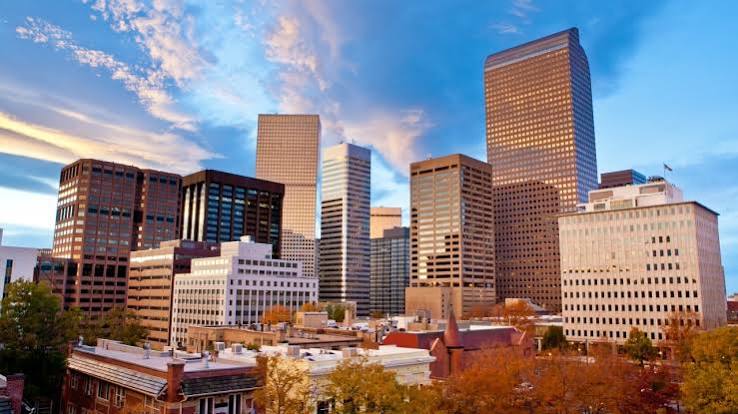
Denver’s elevation has inspired more quirky facts than most visitors expect before arriving in the city.
Chip Bags Puff Up
Snack bags often appear puffed up or slightly expanded once opened in Denver, due to the lower air pressure at higher elevation.
The City Sits Exactly on the Mark
Few major cities align so precisely with a round number like one mile, which is part of why the nickname stuck so firmly.
Denver’s Population Has Grown Dramatically
Denver’s 2020 census recorded a population of over 715,000 residents, a massive jump from its 1858 origins as a small prospecting camp.
Multiple Historic Nicknames Existed First
Before settling on Mile High City, Denver was also known historically as the Queen City of the Plains and Queen City of the West.
Denver’s Nickname in Everyday Language
How Locals Use the Phrase
Residents often use “Mile High” casually in conversation, referring to everything from local sports teams to weekend traditions tied to the city’s identity.
Newcomers quickly learn that the phrase extends far beyond geography, becoming shorthand for Denver pride in general.
Mile High in Media and Branding
Local news stations, city government materials, and tourism campaigns frequently lean on the Mile High identity to instantly signal that content is about Denver.
This consistent branding has helped the nickname remain relevant for well over a century, long after its early frontier origins.
Common Misconceptions About Denver’s Nickname
It’s Not Just a Marketing Gimmick
While Denver has certainly embraced the nickname for tourism and branding, the elevation itself is a real, measurable geographic fact.
The Whole City Isn’t Exactly One Mile High
Only specific points, like the Capitol steps, measure exactly 5,280 feet, while other parts of the city vary slightly in elevation.
Denver Isn’t the Highest City in Colorado
Despite its famous nickname, cities like Leadville and Colorado Springs actually sit at higher elevations than Denver itself.
Denver’s Role as a Transportation and Trade Hub
Long before it became known for its elevation, Denver grew into an important stopping point along key trails used by traders and settlers moving west.
The city’s location near the South Platte River made it a natural gathering spot for seasonal encampments of Arapaho and Cheyenne communities before permanent settlement began.
As railroads expanded across the country, Denver’s position at the edge of the plains made it a critical link connecting the mountains to the rest of the nation.
Rail Connections Shaped the City’s Growth
Once rail lines reached Denver, the city quickly became a transportation and communication center for the surrounding region.
This connectivity helped attract businesses, settlers, and industries that might otherwise have bypassed the growing mountain-adjacent town.
Industry and Economy in Early Denver
Mining and Mineral Wealth
Denver’s early economy leaned heavily on silver and gold mined from the nearby Rocky Mountains, fueling rapid population growth in its first decades.
Companies built around mineral analysis and processing, such as early instrument manufacturers, set up shop in Denver specifically to serve the mining industry.
Agriculture on the High Plains
Denver’s earlier nickname, Queen City of the Plains, reflected its major role supporting agriculture across the High Plains region of eastern Colorado.
This agricultural identity existed well before the Mile High nickname became the city’s primary calling card.
Diversifying Beyond Mining
Over time, Denver’s economy expanded into manufacturing, floriculture, and eventually more modern industries, reducing its early dependence on mining alone.
This diversification helped the city remain economically resilient long after the initial gold rush excitement faded.
Denver’s Cultural and Music Legacy
Denver has produced and hosted a surprising number of notable musicians throughout its history, adding another layer to its identity beyond elevation.
Singer-songwriter John Denver famously took his stage name in honor of the city and the state he loved, helping spread the Mile High identity nationally.
The city was also home to the original members of Earth, Wind & Fire, and more recently has been home base for artists like Nathaniel Rateliff and OneRepublic.
Music as Part of Civic Identity
This musical heritage reinforces Denver’s broader cultural brand, complementing the geographic pride tied to its famous mile-high elevation.
Notable Historic Events Hosted by Denver
Denver has served as host city for several major national events, further cementing its place on the national stage.
The city hosted the Democratic National Convention in both 1908 and again in 2008, exactly a century apart.
These events brought national attention to Denver, often highlighting its unique elevation and mountain backdrop in event coverage and branding.
A City of Firsts and Milestones
Beyond political conventions, Denver has also played host to major sporting events and cultural gatherings that leaned into its Mile High identity for marketing.
Why the Nickname Still Matters Today
Tourism and Branding
Denver’s tourism industry actively promotes the Mile High nickname, using it in campaigns, landmark signage, and city merchandise year-round.
Visitors specifically seek out spots like the Capitol steps and Coors Field’s purple row to experience the mile-high mark for themselves.
Local Business Identity
Countless local businesses incorporate “Mile High” into their names, from restaurants to services, reinforcing the nickname as part of everyday civic life.
This widespread use shows how a simple elevation fact evolved into a full civic brand embraced by residents and companies alike.
How Elevation Affects Health and Wellness for Visitors
Adjusting to Thinner Air
Visitors arriving from lower elevations sometimes experience mild symptoms like fatigue, headache, or shortness of breath during their first day or two in Denver.
These symptoms usually fade quickly as the body adjusts to the reduced oxygen levels found at higher elevations.
Staying Hydrated at Altitude
Higher elevation increases water loss through breathing and skin, making hydration especially important for visitors unfamiliar with the climate.
Drinking more water than usual during the first few days of a visit can help reduce common altitude-related discomfort.
Alcohol’s Stronger Effect at Elevation
Many visitors notice that alcohol seems to affect them more quickly in Denver, a common experience linked to reduced oxygen levels at altitude.
Pacing drinks and staying hydrated can help offset this effect during a visit.
Tips for First-Time Visitors Adjusting to Altitude
Take It Slow on Day One
Avoiding strenuous activity immediately after arriving gives your body time to adjust to Denver’s reduced oxygen levels.
Protect Your Skin
Since UV exposure is stronger at higher elevation, applying sunscreen even on cloudy days helps prevent quicker sunburns during outdoor activities.
Plan Meals and Rest Accordingly
Eating lighter meals and getting enough rest during your first days can help minimize common altitude adjustment symptoms like fatigue.
Final Thoughts Before the FAQs
Denver’s story shows how a simple elevation measurement can grow into a defining civic identity spanning history, culture, sports, and daily life.
From gold rush camps to modern skyscrapers, the city has continually built on its Mile High reputation rather than letting it fade.
The next section answers the most common questions people ask about Denver’s famous nickname in quick, easy-to-scan detail.
Frequently Asked Questions (FAQs)
1. Why is Denver called the Mile High City?
Denver sits exactly 5,280 feet above sea level, which equals one mile, giving the city its famous nickname.
2. Is Denver actually exactly one mile above sea level?
Yes, at specific points like the Capitol’s 13th step, the elevation measures precisely 5,280 feet.
3. When did Denver start being called the Mile High City?
The nickname grew popular in the early 1900s and was later formally recognized by the U.S. Postal Service.
4. Who was Denver named after?
Denver was named after James W. Denver, who served as governor of the Kansas Territory.
5. What other nicknames has Denver had?
Denver was historically known as the Queen City of the Plains and Queen City of the West.
6. Why are there three mile-high markers at the Capitol?
Measurement standards changed over time, leading to markers on the 15th, 18th, and now the 13th step.
7. Does Denver’s elevation affect the weather?
Yes, it contributes to rapid temperature swings, strong sun exposure, and over 300 sunny days per year.
8. Why do golf balls travel farther in Denver?
Thinner air at high elevation offers less resistance, allowing golf balls and baseballs to travel farther.
9. Is Denver the highest city in the United States?
Denver is the highest major U.S. city, though smaller cities like Leadville sit at higher elevations.
10. Where can I see Denver’s mile-high mark in person?
Visit the west steps of the Colorado State Capitol or the purple seats at Coors Field.
Conclusion
Denver earned its famous nickname because it sits exactly 5,280 feet, or one mile, above sea level, a fact confirmed by markers at the Colorado State Capitol and the purple seats at Coors Field. The story behind the name blends geography, history, and a bit of civic pride, from its gold rush origins to its official recognition in the 1900s.
Beyond the nickname itself, Denver’s elevation genuinely shapes daily life, influencing everything from sunburn risk to baking times to how far a baseball travels.
Whether you’re a longtime resident or a first-time visitor, understanding why Denver is called the Mile High City adds a deeper appreciation for the city’s unique identity, one that’s proudly built right into its landscape and its name.