Why Is It Called Hell’s Kitchen? The Real Reason 2026
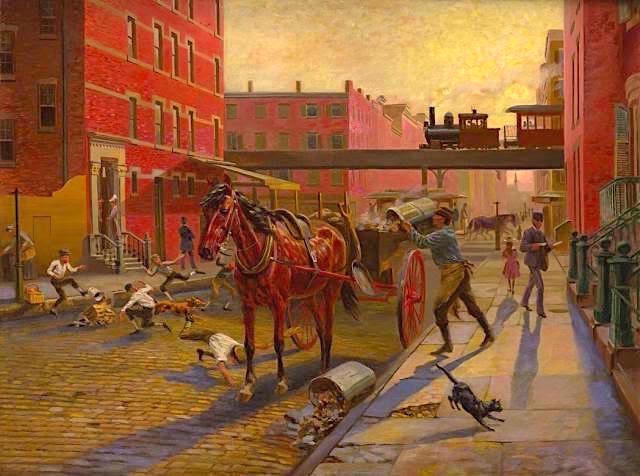
Why is it called Hell’s Kitchen is one of the most fascinating neighborhood name questions in all of New York City history.
The name has survived over 140 years, two world wars, Prohibition-era gang violence, official government rebranding efforts, and a complete demographic transformation.
Today Hell’s Kitchen is one of Manhattan’s most desirable, vibrant, and food-rich neighborhoods.
Yet the dark, evocative name refuses to die.
To understand why, you have to go back to the mid-1800s, to a strip of Manhattan’s West Side that was genuinely one of the most dangerous places in the entire United States.
Why Is It Called Hell’s Kitchen?
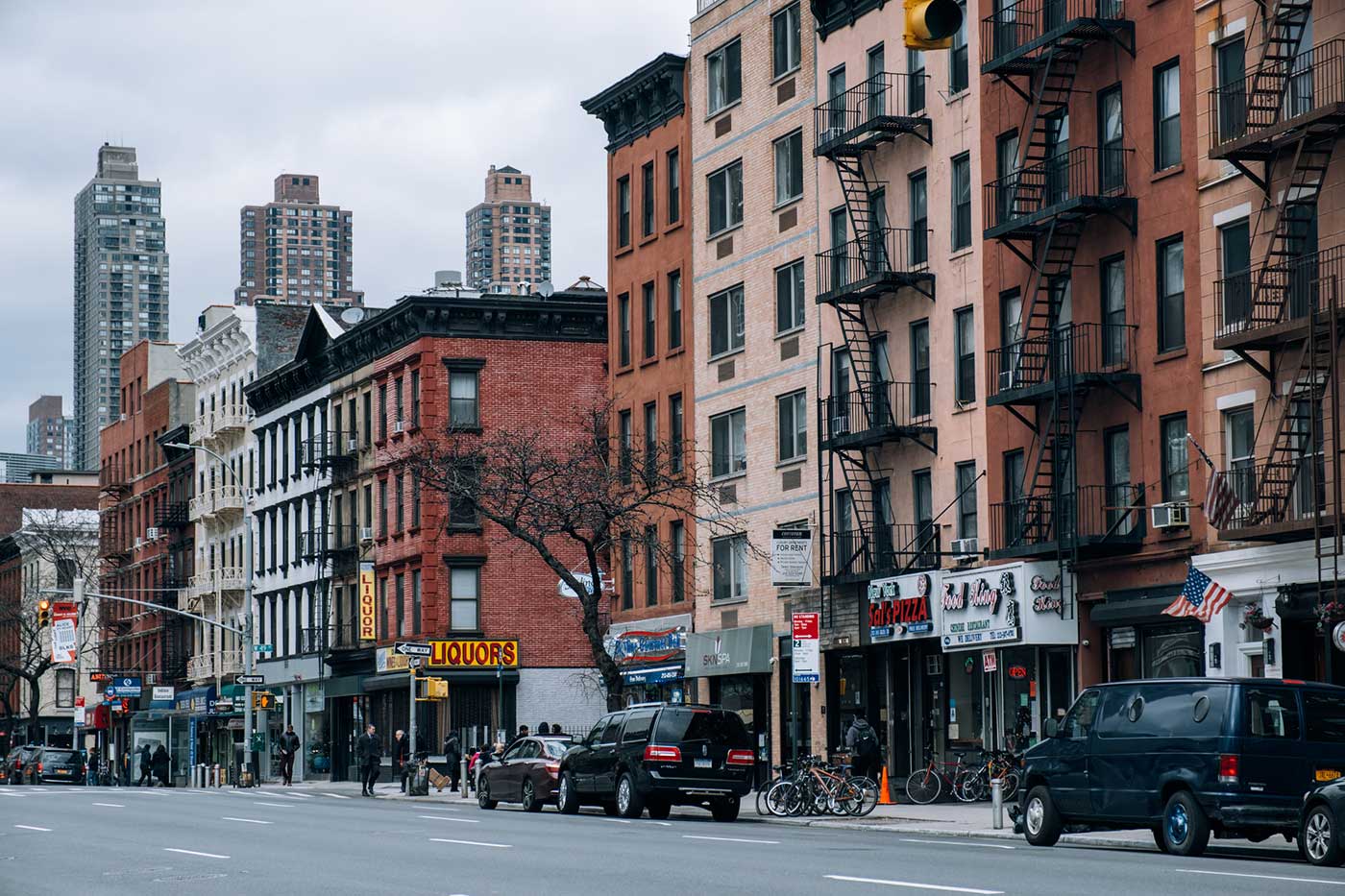
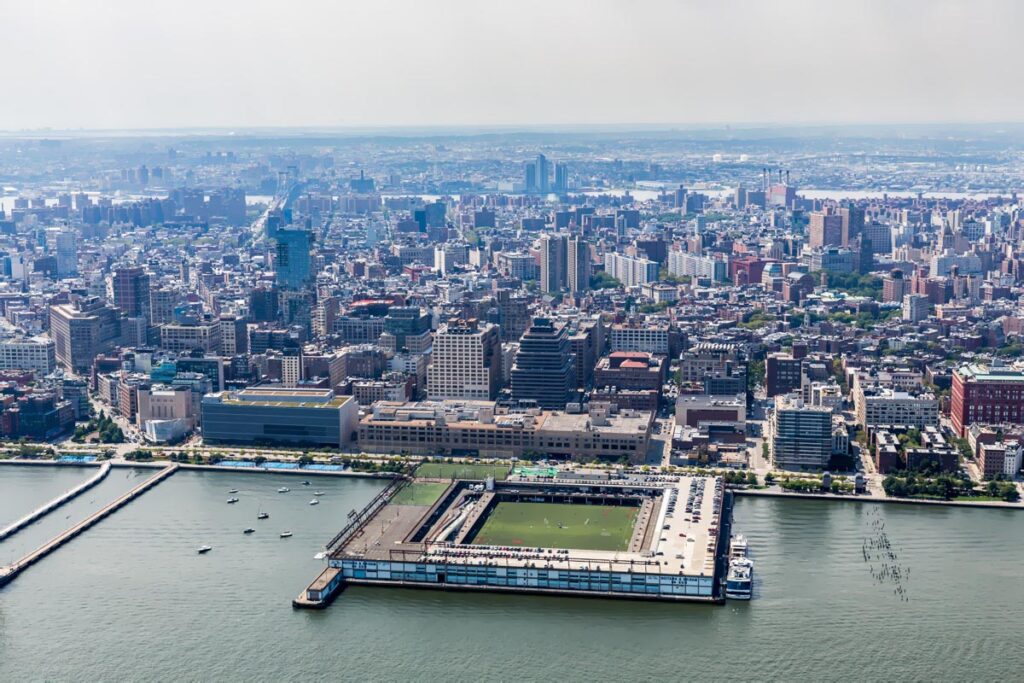
Hell’s Kitchen is a neighborhood on the West Side of Midtown Manhattan in New York City. It is generally bordered by 34th Street to the south, 59th Street to the north, Eighth Avenue to the east, and the Hudson River to the west.
The neighborhood is also officially referred to as Clinton and appears on real estate listings as Midtown West. Despite these alternatives, residents and New Yorkers at large overwhelmingly prefer the original name.
Its location places it directly adjacent to the Theater District, Times Square, and the Hudson River waterfront, making it one of the most strategically central neighborhoods in all of Manhattan.
The First Recorded Use of the Name
The name Hell’s Kitchen appeared in print for the first time on September 22, 1881, in the New York Times. A reporter went to the police station to obtain details of a multiple murder and used the phrase to describe a specific tenement building at 39th Street and 10th Avenue.
The reporter described that tenement as “probably the lowest and filthiest in the city.” The surrounding block was populated with what the same article called a “horde of vagrants, petty thieves, and utterly depraved” residents.
That single newspaper reference was enough to anchor the name. It spread quickly from one building to the surrounding streets and eventually to the entire West Side corridor that still carries the name today.
The Davy Crockett Connection
The phrase “hell’s kitchen” did not actually originate in New York City. It existed as a recognizable expression in American English well before the 1881 newspaper reference.
In 1835, the famous American frontiersman Davy Crockett used it in writing about the notorious Five Points slum in Lower Manhattan. He was describing Irish immigrants living in that neighborhood and wrote that they were “too mean to swab hell’s kitchen.”
He was not referring to the West Side neighborhood at all. But his use of the phrase confirms that “hell’s kitchen” was already a widely understood expression, used to describe places of extreme poverty, filth, and danger. The New York Times reporter in 1881 simply applied an existing slang term to a new location.
The Origin Stories: All Four Major Theories
There is no single confirmed, universally agreed-upon explanation for why the neighborhood came to be called Hell’s Kitchen. What historians have is a cluster of compelling origin stories, each with its own supporting evidence.
Theory One: Dutch Fred the Cop
The most popular and most widely repeated origin story involves a veteran New York City police officer known as Dutch Fred and his rookie partner.
According to the legend, the two officers were standing on West 39th Street near Tenth Avenue watching a small riot unfold. The rookie officer, overwhelmed by the chaos, said “This place is hell itself.” Dutch Fred, the seasoned veteran, replied: “Hell’s a mild climate. This is Hell’s Kitchen.”
This exchange, whether it actually happened or not, perfectly captured the spirit of the neighborhood. The phrase spread quickly through the police department and from there into general use.
Riots were not unusual in this part of Manhattan. During the Civil War Draft Riots of 1863, the area between 39th and 41st Streets on Eighth Avenue was completely impassable. The neighborhood had the kind of violent history that made Dutch Fred’s punchline entirely believable.
Theory Two: The 1881 New York Times Report
The most historically documented origin is the 1881 New York Times article. This is the first confirmed appearance of the name in print and it directly connected the phrase to a specific location on the West Side of Manhattan.
The reporter’s description of the tenement at 39th and 10th Avenue as Hell’s Kitchen was not a casual aside. It was a deliberate and vivid label for what he clearly considered one of the worst places in the entire city.
Once the name appeared in a major newspaper, it gained permanence. Journalists are powerful name-givers, and in 1881, the New York Times was one of the most influential papers in the country. The name stuck because it fit, and because the paper made it official.
Theory Three: The Hell’s Kitchen Gang
A third theory connects the neighborhood’s name to an actual criminal gang called the Hell’s Kitchen Gang that operated in the area in the second half of the 19th century.
According to the Encyclopedia of New York City by historian Kenneth Jackson, the name may have originated with or been reinforced by this gang, which formed around 1868. The gang’s activities included stealing from railroad yards, extortion, breaking into property, and what a Federal Writers Project book from 1939 simply called “general mayhem.”
Whether the gang took its name from the neighborhood or the neighborhood took its name from the gang is a question historians have never fully resolved. The two became so intertwined that the distinction barely matters. Each reinforced the other’s reputation for violence and lawlessness.
Theory Four: Heil’s Kitchen Restaurant
A fourth and somewhat different theory points to a German-owned restaurant in the area that was called Heil’s Kitchen, named after its owners.
The bar and restaurant was reportedly rowdy and frequently populated by gang members and rough characters. Over time, the theory goes, locals corrupted the German surname “Heil” into “Hell” through mispronunciation or wordplay, and the name attached itself to the surrounding neighborhood.
This theory has less historical documentation behind it than the first three, but it has circulated persistently for decades and cannot be entirely ruled out. German immigrants were a significant presence in the neighborhood during the second half of the 19th century, and a bar-based origin for a neighborhood name would not be unusual in New York City history.
The London Connection
Before any of these New York stories, the phrase “Hell’s Kitchen” was already in use in London. The original Hell’s Kitchen was a rough neighborhood on the South Side of London, used as a general descriptor for a dangerous slum district.
New York’s immigrant communities in the 19th century maintained strong cultural connections to their home cities. Irish immigrants who had passed through or knew of London’s Hell’s Kitchen may have transplanted the name to a new location that felt equally dangerous and deprived.
This theory positions the New York neighborhood name as a transatlantic import rather than a locally invented term, which aligns with Davy Crockett’s earlier use of the phrase as an established expression.
Why the Neighborhood Deserved the Name
Whatever the exact origin, the name was not an exaggeration. Hell’s Kitchen in the second half of the 19th century was one of the most genuinely dangerous and impoverished neighborhoods in the entire United States.
The area was described by contemporaries as the “most dangerous area on the American Continent.” That is not modern hyperbole. It was a real assessment made by people who knew the neighborhood firsthand.
Immigrant Overcrowding and Poverty
Hell’s Kitchen’s descent into danger began in the mid-19th century when waves of immigrants, primarily Irish refugees fleeing the Great Famine of the 1840s, began settling along the Hudson River waterfront in shantytowns and overcrowded tenements.
These immigrants found work on the Hudson River docks, in slaughterhouses, in factories and lumberyards, and in the construction of the Hudson River Railroad. The work was brutal, the pay was minimal, and the living conditions were catastrophic.
After the Civil War, the neighborhood’s population exploded. Tenements were erected rapidly and the congestion became extreme. German immigrants arrived alongside the Irish. Later came Italians, Eastern Europeans, and eventually Puerto Ricans and African Americans, each wave adding to the density and the cultural complexity of the neighborhood.
Death Avenue and the Railroad
One of the most vivid symbols of Hell’s Kitchen’s danger was 11th Avenue, which ran freight trains at street level directly through the neighborhood. The frequency of fatal accidents involving pedestrians and vehicles earned the avenue the grim nickname Death Avenue.
The railroad brought jobs and economic activity to the area. It also brought constant noise, pollution, and a very real threat of being hit by a freight train while crossing the street. The city eventually deployed men on horseback called the West Side Cowboys to ride ahead of trains and wave red flags to warn pedestrians, but accidents continued for decades.
The Gang Era
The gangs of Hell’s Kitchen were not minor street-corner operations. They were large, organized, and violent criminal enterprises that controlled the neighborhood for generations.
| Gang | Active Period | Key Figure | Notable Activities |
|---|---|---|---|
| Hell’s Kitchen Gang | 1860s–1880s | Unknown leadership | Railroad theft, extortion, street violence |
| Gopher Gang | 1890s–1910s | Owney Madden | Robbery, assault, prostitution, gambling |
| Hudson Dusters | 1890s–1910s | Rival to Gophers | Cocaine use, extreme violence |
| The Westies | 1960s–1980s | Jimmy Coonan | Irish mob, Gambino crime family ties |
The Gopher Gang was one of the most notorious, with an estimated membership of around 500 and a leadership roster that included the infamous Owney Madden. Madden later became a major figure in Prohibition-era organized crime.
By 1965, Hell’s Kitchen was the home base of the Westies, an Irish mob aligned with the Gambino crime family. The Westies operated through the late 1980s, keeping the neighborhood’s violent reputation alive well into the modern era.
Prohibition and Organized Crime
When Prohibition was implemented in 1920, Hell’s Kitchen became even more deeply embedded in criminal enterprise. Speakeasies, bootlegging operations, and gang warfare over territory became the defining features of the neighborhood.
The repeal of Prohibition in 1933 did not restore order. It simply shifted the gang activity toward other rackets. Organized crime maintained a firm grip on Hell’s Kitchen through the middle of the 20th century.
The 1957 musical West Side Story was directly inspired by gang conflicts between Irish and Puerto Rican groups in the neighborhood. In 1959, a botched gang rumble led to the Capeman Murders, in which two innocent teenagers were killed by mistake, one of the most notorious crimes in the neighborhood’s history.
The Official Attempt to Rename It
By the mid-20th century, city officials recognized that the name Hell’s Kitchen was a genuine obstacle to economic development and neighborhood improvement. The name was keeping away investment and reinforcing a cycle of disinvestment and poverty.
In 1959, the municipality of New York City officially adopted the name Clinton for the neighborhood. The name was chosen to link the area to DeWitt Clinton Park at 52nd Street and 11th Avenue, named after the respected 19th-century New York governor DeWitt Clinton.
The rebranding was a deliberate civic strategy. Officials hoped that attaching a name associated with New York pride and political respectability would help shed the neighborhood’s violent image and attract new residents and businesses.
The strategy failed in cultural terms. Residents, longtime New Yorkers, and the media largely ignored the official rename. The New York Times noted that those who actually lived in the neighborhood “prefer Hell’s Kitchen” as the name.
Real estate developers and official city documents continued to use Clinton and Midtown West. But on the street, in conversation, and in the cultural imagination of New York City, it remained Hell’s Kitchen.
The Neighborhood’s Transformation
The transformation of Hell’s Kitchen from one of America’s most dangerous neighborhoods into one of Manhattan’s most desirable places to live is one of the great urban stories of the late 20th century.
Gentrification began slowly in the early 1980s, driven in part by the neighborhood’s proximity to Midtown Manhattan and the Theater District. As rents rose in neighboring Chelsea and the Upper West Side, Hell’s Kitchen became attractive to artists, performers, and young professionals seeking affordable apartments in a central location.
The Theater District Effect
Hell’s Kitchen’s location directly adjacent to Broadway’s Theater District gave it a natural connection to the performing arts world. Aspiring actors, directors, and musicians discovered that they could live within walking distance of auditions and rehearsals at rents significantly lower than surrounding neighborhoods.
The neighborhood became a home for creative professionals. Manhattan Plaza, a heavily subsidized apartment complex in Hell’s Kitchen, became famously home to performers including Alicia Keys, Terrence Howard, and numerous Broadway veterans.
The Actors Studio, one of the most famous acting schools in the world and the training ground for Marlon Brando and Al Pacino, has long been associated with the Hell’s Kitchen area. This creative energy helped redefine the neighborhood’s identity from dangerous to artistic.
The Culinary Scene
Today, Hell’s Kitchen is internationally recognized for its restaurant scene. Ninth Avenue has become one of the most diverse and celebrated restaurant streets in all of New York City, earning it a reputation as a destination for serious food lovers.
Restaurant Row on West 46th Street between Eighth and Ninth Avenues is a dense concentration of dining establishments covering cuisines from around the world. The neighborhood’s culinary identity reflects its immigrant history, with French, Thai, Ethiopian, Turkish, Italian, Mexican, and dozens of other cuisines represented.
The irony is profound. A neighborhood that was once defined by poverty, starvation-level wages, and brutal working conditions is now celebrated primarily for the quality and diversity of its food.
LGBTQ Community
As the neighborhood gentrified, Hell’s Kitchen also became home to a large and visible LGBTQ community. Numerous LGBTQ-friendly bars, restaurants, and businesses established themselves throughout the neighborhood, particularly along Ninth and Tenth Avenues.
This community became an integral part of the neighborhood’s modern identity, adding another layer to an already complex cultural history.
Hell’s Kitchen vs. Clinton vs. Midtown West
The naming debate is a perfect encapsulation of the tension between official history and lived cultural identity.
| Name | Who Uses It | Origin | Tone |
|---|---|---|---|
| Hell’s Kitchen | Residents, New Yorkers, media | 19th-century street legend and newspaper | Authentic, historical, gritty |
| Clinton | City government, official documents | 1959 rebranding linked to DeWitt Clinton | Formal, political, aspirational |
| Midtown West | Real estate listings, developers | Geographic descriptor | Neutral, commercial, modern |
The persistence of Hell’s Kitchen as the preferred name is itself a statement. The neighborhood’s residents and admirers have consistently chosen authenticity over image management. They understand that the name carries history, character, and a kind of earned pride that no civic rebranding can replicate.
The Gordon Ramsay Connection
Any modern discussion of why it is called Hell’s Kitchen would be incomplete without acknowledging the massive influence of Gordon Ramsay’s television franchise.
Hell’s Kitchen, the reality cooking competition hosted by Gordon Ramsay, premiered in 2005 and has been running for over two decades. The show features aspiring chefs competing in a high-pressure kitchen environment under Ramsay’s famously intense leadership style.
The show borrowed the name from the Manhattan neighborhood, using its connotations of extreme heat, pressure, and uncompromising conditions to describe the competitive kitchen environment. It has introduced the phrase Hell’s Kitchen to global audiences who may have no connection to New York City at all.
Gordon Ramsay has since expanded the brand into a chain of restaurants called Hell’s Kitchen, with flagship locations in Las Vegas and Miami. The show’s massive popularity has made Hell’s Kitchen one of the most globally recognized neighborhood names in the world, even among people who have never visited Manhattan.
Hell’s Kitchen in Popular Culture
The neighborhood’s name and its history have made it a recurring setting and reference point in American popular culture across multiple decades.
West Side Story, the landmark 1957 musical and its 2021 film adaptation, drew directly from the gang conflicts of Hell’s Kitchen and the surrounding West Side. It became one of the most celebrated works in Broadway history while being rooted in the neighborhood’s violent mid-century reality.
The Marvel Comics character Daredevil has his base set in Hell’s Kitchen. The 2015 Netflix series Daredevil brought this connection to a massive new audience, depicting the neighborhood as a gritty urban environment still shaped by crime and poverty, even as it modernized around the hero.
The neighborhood has appeared in countless films, novels, and television series over the decades, each one drawing on the name’s evocative power to signal danger, authenticity, or urban toughness.
What Hell’s Kitchen Looks Like Today
Hell’s Kitchen in 2026 is a neighborhood that carries its past in its name but has moved far beyond that past in practice.
The streets are safe. The tenements have been renovated or replaced. High-rise luxury condominiums have risen alongside older walk-up apartments and brownstones. The Port Authority Bus Terminal, one of the busiest transit hubs in the United States, anchors the neighborhood’s southeastern corner.
The Hudson River waterfront, once an industrial zone of freight and cargo, is now Hudson River Park, with walking paths, bike lanes, piers, and public green space. Pier 84 offers recreational access to the water that would have been unimaginable to the Irish dock workers who lived in the neighborhood 150 years ago.
The neighborhood continues to grapple with the pressures of gentrification. Rents have risen sharply and longtime residents have been displaced by rising costs. The area to the south of West 40th Street has been partially absorbed by the new Hudson Yards development, one of the largest real estate projects in American history.
Despite all of this, the name Hell’s Kitchen holds. And that holding says something important about New York City’s relationship with its own history.
Why the Name Has Never Died
The persistence of the name Hell’s Kitchen across more than 140 years of radical change is not an accident. It reflects something genuine about how New York City understands and values its own identity.
New Yorkers have a deep cultural resistance to sanitized, developer-friendly neighborhood names. They understand that a name like Hell’s Kitchen carries irreplaceable authenticity. It connects the present to a specific, difficult, human past. It honors the people who lived through extraordinary hardship in that corner of the West Side.
Clinton is a perfectly respectable name. It just does not mean anything. Hell’s Kitchen means something. It carries the weight of history, of poverty survived, of violence endured, of immigrants who built lives in conditions that most people today cannot imagine.
That is why, when the city tried to rename it in 1959, the residents pushed back. And that is why, in 2026, it is still Hell’s Kitchen.
Key Facts at a Glance
| Fact | Detail |
|---|---|
| Official boundaries | 34th to 59th Street, 8th Avenue to Hudson River |
| First appearance in print | September 22, 1881, New York Times |
| Alternative official name | Clinton (adopted 1959) |
| Real estate designation | Midtown West |
| Most cited origin story | Dutch Fred the Cop, West 39th Street |
| Most famous gang | Gopher Gang, led by Owney Madden |
| Iconic cultural reference | West Side Story (1957), Daredevil (2015) |
| Gordon Ramsay show premiere | 2005 |
| Modern character | Restaurant scene, Theater District, LGBTQ community |
Frequently Asked Questions (FAQs)
Why is it called Hell’s Kitchen?
The name most likely comes from an 1881 New York Times report describing a violent tenement at 39th and 10th Avenue, combined with the popular Dutch Fred the Cop legend about a riot on the same street.
Where exactly is Hell’s Kitchen located?
Hell’s Kitchen occupies the West Side of Midtown Manhattan, running from 34th Street to 59th Street between Eighth Avenue and the Hudson River.
Is Hell’s Kitchen dangerous today?
No. Hell’s Kitchen is a safe, gentrified, and highly desirable Manhattan neighborhood known for its restaurant scene, proximity to Broadway, and vibrant community life.
What is the official name of Hell’s Kitchen?
The city officially renamed the neighborhood Clinton in 1959, linking it to DeWitt Clinton Park. Real estate listings also use Midtown West, but locals and New Yorkers broadly prefer Hell’s Kitchen.
Who was Dutch Fred the Cop?
Dutch Fred was a veteran New York City police officer who, according to legend, coined the phrase “Hell’s Kitchen” during a riot on West 39th Street by saying “Hell’s a mild climate. This is Hell’s Kitchen.”
Did the name come from a restaurant?
One theory suggests it came from a German-owned bar called Heil’s Kitchen in the area. Locals may have corrupted the owner’s surname “Heil” into “Hell” over time, though this theory has limited historical documentation.
What gangs operated in Hell’s Kitchen?
The most notorious gangs included the Hell’s Kitchen Gang in the 1860s, the Gopher Gang led by Owney Madden around the turn of the century, and the Westies Irish mob, which operated through the late 1980s.
What is the connection between Hell’s Kitchen and Gordon Ramsay?
Gordon Ramsay borrowed the name for his reality cooking competition Hell’s Kitchen, which premiered in 2005 and ran for over two decades. He also opened Hell’s Kitchen restaurants in Las Vegas and Miami.
Was Hell’s Kitchen ever called something before?
Before the tenement era, the area was sometimes called Great Kill, from the Dutch word kill meaning river, named after a body of water that once flowed through the area into the Hudson River.
Why did New Yorkers reject the name Clinton?
Residents felt the name Hell’s Kitchen was authentic and historically meaningful in a way that Clinton was not. The New York Times reported that those who live in the area explicitly prefer the original name.
Conclusion
Why is it called Hell’s Kitchen is a question with four compelling theories and no single definitive answer, which is precisely what makes it so fascinating.
Whether the name traces back to Dutch Fred’s dark joke on West 39th Street, a vivid New York Times description from 1881, the Hell’s Kitchen Gang, a German restaurant owner’s mispronounced surname, or a London slum imported across the Atlantic, the name fit the reality of the neighborhood with uncanny precision.
A place defined by extreme poverty, gang violence, overcrowded tenements, and the constant noise and danger of Death Avenue earned every syllable of that name.
The fact that the neighborhood has been completely transformed, yet refuses to abandon its original identity, speaks to something essential about New York City: it does not erase its past, it wears it.
Hell’s Kitchen remains one of the most honest neighborhood names in the world, and in 2026, that honesty is still something to be proud of.