Why Is Lake of the Ozarks So Dangerous? Hidden Hazards 2026
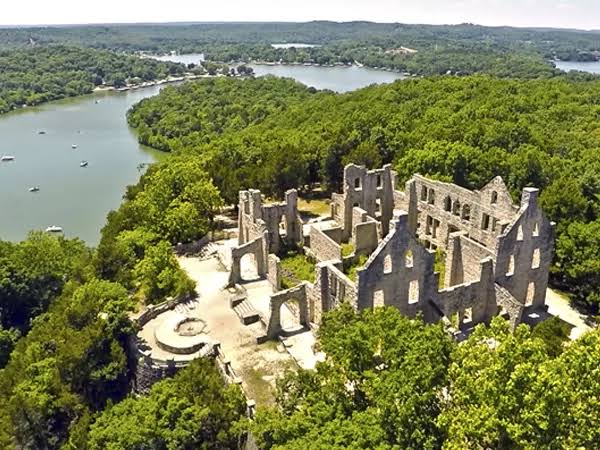
Why is Lake of the Ozarks so dangerous? It comes down to a mix of its unusual shape, heavy boat traffic, a strong drinking culture, and a lack of speed limits across much of the water. Together, these factors make it one of the most accident-prone lakes in the United States.
Unlike lakes with sharks or strong currents, the Lake of the Ozarks earns its dangerous reputation almost entirely from human behavior and design quirks. Blind coves, inexperienced boaters, and alcohol-fueled recklessness combine into a risky mix every summer, especially on the busiest holiday weekends when the water is at its most crowded.
Why Is Lake of the Ozarks So Dangerous? What Makes It From Other Lakes?
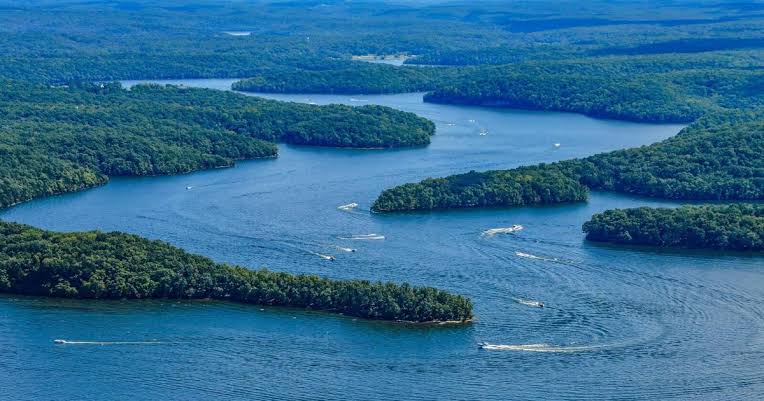
Lake of the Ozarks is a man-made reservoir created in 1931 when the Bagnell Dam was built, flooding the Osage River valley.
Its serpentine, tree-like shape stretches 92 miles with nearly 1,150 miles of shoreline, more than the entire coast of California combined.
This unusual layout, filled with narrow fingers and sharp turns, is the foundation of many of the lake’s most common dangers.
The lake also has a colorful history, including a flooded town, a booming party scene, and even a hit TV show that used it as a backdrop for crime drama.
Understanding this backstory helps explain why the lake behaves so differently from more predictable, naturally formed bodies of water.
Who Is Most at Risk on Lake of the Ozarks?
Inexperienced boaters unfamiliar with the lake’s layout face the highest risk of collisions and navigation errors.
Anyone drinking alcohol while operating a boat significantly increases their chances of being involved in an accident.
Children, weak swimmers, and anyone not wearing a life jacket face elevated drowning risk, especially in crowded areas.
Visitors during peak summer weekends and special events like the Shootout encounter the most congested and hazardous conditions.
First-time visitors renting a boat for the first time face a steeper learning curve than locals who know the lake well.
Reason 1: The Lake’s Unique Serpentine Shape
The lake’s shape resembles a winding snake with dozens of narrow coves branching off the main channel.
These tight bends create constant blind corners, making it difficult for boaters to see oncoming traffic until it’s too late.
Boaters merging from side coves into the main channel often can’t see approaching boats until they’re already in the path.
This layout is very different from a typical round or oval lake, where sightlines are much longer, clearer, and safer for boaters overall.
Even experienced boaters from other lakes often find the Ozarks’ geography disorienting on their first few visits.
Reason 2: Extremely Heavy Boat Traffic
The lake draws millions of visitors every year, and much of that traffic concentrates on the main channel during summer weekends.
Crowded waterways make it far harder to navigate safely, especially for boaters unfamiliar with the lake’s layout and its many hidden turns.
Popular gathering spots create bottlenecks where dozens of boats anchor close together, leaving little room to maneuver.
Weekend traffic can multiply several times over compared to a typical weekday, dramatically increasing collision risk during peak hours.
Reason 3: No Speed Limits or Horsepower Restrictions
Large sections of the main channel have no posted speed limits or horsepower restrictions for boats.
This allows powerful boats capable of very high speeds to share the same water as small pontoons, kayaks, and swimmers.
High-speed boats have far less time to react to sudden hazards like water-skiers, tubers, or swimmers near the shoreline.
The combination of unrestricted speed and blind corners is often cited as the single biggest contributor to serious collisions.
Reason 4: A Strong Drinking and Party Culture
The Lake of the Ozarks is known nationwide for its drinking culture, including a famous spot known as Party Cove.
Alcohol impairs judgment, slows reaction time, and reduces coordination, all of which are dangerous while operating a boat.
Even though boating under the influence is illegal, enforcement is difficult given the size of the lake and the volume of boats.
Many accidents involving alcohol happen later in the day, after hours of drinking have compounded impaired judgment and slowed reflexes.
Reason 5: Inexperienced and Untrained Boaters
Many visitors rent boats for a weekend without extensive training on local navigation rules or lake-specific hazards.
Common mistakes include failing to yield, ignoring no-wake zones, and misjudging distances in narrow coves.
Boaters unfamiliar with the lake often don’t know where blind corners, shallow areas, or submerged hazards are located.
Rental companies typically offer only brief instructions before handing over the keys, which isn’t enough preparation for the lake’s tricky layout.
Reason 6: Submerged Hazards and Debris
The lake’s history includes an entire flooded town called Linn Creek, portions of which remain underwater today.
Floating logs, submerged trees, and other debris are common, especially after storms or heavy rain raise water levels.
These obstacles are often invisible from the surface, creating serious collision risks for boats moving at speed.
Water levels can fluctuate seasonally, sometimes exposing new hazards or shifting the location of existing debris.
Reason 7: Water Quality and E. Coli Concerns
Parts of the lake have tested with elevated E. coli levels at various points over the years.
While confirmed illness cases from swimming are relatively rare, water quality remains a valid concern, especially after heavy rainfall.
Runoff from surrounding development and septic systems is often cited as a contributing factor to bacteria levels.
Local authorities periodically issue advisories after major storms, and checking these before swimming is a smart precaution.
Reason 8: High-Profile Events Like the Shootout
The Lake of the Ozarks Shootout is the largest unsanctioned powerboat race in the country, drawing huge crowds every August.
During Shootout weekends, boats reach speeds over 200 mph while hundreds of spectator boats anchor closely together nearby.
This creates extremely congested waterways, slow emergency response times, and a much higher risk of serious accidents.
The event spans two weekends and includes poker runs, fireworks, and charity gatherings, drawing tens of thousands of extra visitors to the lake.
Reason 9: Insufficient Water Patrol Coverage
Given the size of the lake and its heavy seasonal traffic, many believe there simply aren’t enough patrol officers to enforce safety rules.
This limited oversight makes it easier for reckless behavior, like excessive speed and drunk boating, to go unchecked.
Some visitors report rarely seeing patrol boats at all during peak weekend hours, especially in the lake’s smaller coves.
Reason 10: Drowning Risk
Drowning is the leading cause of death connected to lake accidents, often tied to capsized boats and missing life jackets.
Alcohol use significantly increases drowning risk by impairing swimming ability and decision-making in emergencies.
Children and non-swimmers face the highest risk, particularly during crowded events or unsupervised swimming near boat traffic.
Cold water shock can also be a factor early or late in the season, when water temperatures are lower than expected.
Table: Key Danger Factors at a Glance
| Factor | Why It’s Dangerous |
|---|---|
| Serpentine shape | Creates blind corners and poor sightlines |
| Heavy boat traffic | Increases collision risk, especially on weekends |
| No speed limits | Allows high-speed boats near swimmers and small crafts |
| Drinking culture | Impairs judgment and reaction time |
| Inexperienced boaters | Unfamiliar with rules and local hazards |
| Submerged debris | Invisible collision hazards below the surface |
| E. coli levels | Water quality concerns after heavy rain |
| Shootout weekend | Extreme crowding and high speeds in a small area |
| Limited patrol coverage | Reduces enforcement of safety laws |
| Drowning risk | Tied to alcohol use and missing life jackets |
The Statistics Behind the Danger
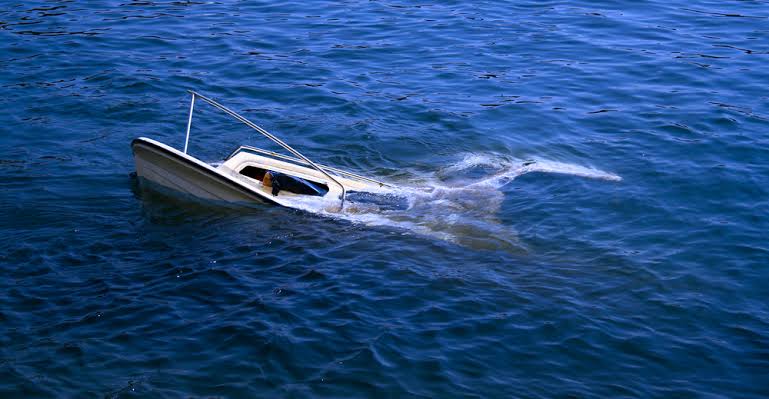
Between 1993 and 2003, 33 people were killed in accidents on the lake, a striking number for its relatively small size.
Missouri reported 113 recreational boating accidents statewide in 2023, with Lake of the Ozarks accounting for a significant share of that total, given its popularity compared to other bodies of water in the state.
Between April 2024 and March 2025, the Missouri State Highway Patrol logged more than 20 reported boating accidents on the lake.
Data tracking sites have ranked Lake of the Ozarks as the most dangerous lake in America based on fatality rates relative to its size.
That’s a notable statistic considering the lake covers a total area less than one-third of one percent the size of Lake Michigan.
Fatal incidents on the lake are typically linked to drowning rather than direct collision injuries, though both contribute to the overall risk.
Table: Reported Incident Data
| Time Period | Reported Figures |
|---|---|
| 1993–2003 | 33 lake-related deaths |
| 2023 (statewide) | 113 recreational boating accidents in Missouri |
| April 2024–March 2025 | 20+ reported boating accidents at the lake |
Common Types of Accidents on the Lake
Collisions between boats are among the most frequently reported incidents, often tied to blind corners and high speeds.
Watersport mishaps, including tubing and skiing accidents, are common due to crowded conditions and inexperienced operators.
Boats striking swimmers or people in the water happen more often in high-traffic coves and near anchored party spots.
These incidents tend to spike sharply during holiday weekends, when the lake sees its highest volume of visitors and boats.
Capsizing incidents, especially in overloaded or poorly maintained boats, contribute heavily to drowning statistics.
Mechanical failures, like engine stalls in the middle of a busy channel, can also trigger chain-reaction collisions in crowded conditions.
Snakes and Wildlife Hazards
The lake and surrounding shoreline are home to several snake species, which can be a concern for swimmers and hikers.
While snake encounters are far less deadly than boating accidents, they add to the overall list of hazards visitors should be aware of.
Wearing appropriate footwear on trails and staying alert near brush-covered shorelines reduces the risk of an unexpected encounter.
Fishers have also reported unusual catches over the years, including non-native species, adding to the lake’s reputation for the unexpected.
Legal Requirements for Boaters
Missouri law requires U.S. Coast Guard-approved life jackets for every person on board any vessel.
Children under seven years old must wear a life jacket at all times while on the water.
Boaters born after January 1, 1984, must complete a boating safety course and carry a Boater Education Card.
Boats operating between sunset and sunrise must display proper navigation lights to remain visible to other vessels.
Fire extinguishers, sound-producing devices, and visual distress signals are also required depending on the size and type of vessel.
Operators must report any accident involving death, injury, or significant property damage to the Missouri State Highway Patrol within 48 hours.
Table: Missouri Boating Safety Requirements
| Requirement | Detail |
|---|---|
| Life jackets | Required for every person on board |
| Children under 7 | Must wear a life jacket at all times |
| Navigation lights | Required between sunset and sunrise |
| Boater education | Required for anyone born after Jan 1, 1984 |
| Accident reporting | Must report within 48 hours for injury, death, or major damage |
The Lake’s History Adds to Its Reputation
The lake was built to supply hydroelectric power, flooding the Osage River valley and displacing entire communities in the process.
The original town of Linn Creek was relocated to higher ground, but its old cemetery remains submerged beneath the water.
This history, combined with the lake’s role as the setting for a popular crime drama series, has added a layer of dark intrigue to its reputation.
While the show’s plotlines are fictional, the lake’s real drinking culture and party atmosphere aren’t far from what’s depicted on screen.
This blend of dramatic history and modern party reputation has only added further to the lake’s mystique and its widespread “dangerous” branding online.
How to Stay Safe on Lake of the Ozarks
Following a few practical habits significantly lowers your risk of becoming part of the lake’s accident statistics.
Most of these steps take only a few extra minutes to plan but can make the difference between a fun weekend and a serious accident on the water.
Avoid Alcohol While Boating
Save drinking for after you’re safely docked, since impaired boating is one of the biggest contributors to accidents.
Designate a sober operator if your group plans to drink at all during the outing.
Keep in mind that fatigue and sun exposure can amplify the effects of even small amounts of alcohol on the water.
Learn the Lake Before You Go
Study a lake map in advance to understand where blind coves, narrow channels, and high-traffic zones are located.
Local marinas and rental companies can often provide guidance on which areas to avoid during peak hours.
Mobile apps and GPS chartplotters designed for the lake can also help you track your position relative to known hazards.
Always Wear a Life Jacket
Life jackets dramatically reduce drowning risk, especially in crowded or high-speed areas of the lake.
This is especially important for children, weak swimmers, and anyone participating in watersports.
Modern inflatable life jackets are lightweight and comfortable, so there’s little excuse to leave them behind or unworn.
Slow Down in Coves and Blind Corners
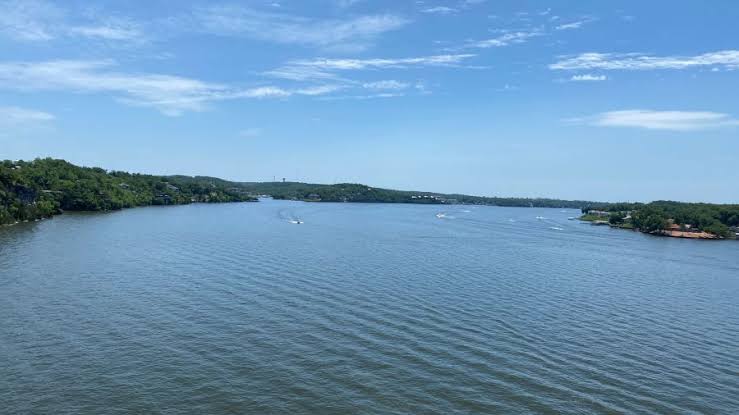
Reduce speed significantly when approaching narrow coves or merging into the main channel.
Sound your horn or use other signals when visibility is limited to alert nearby boats of your presence.
Keep a consistent lookout rather than relying solely on other boaters to see and avoid you first.
Avoid Peak Party Times and Events
If possible, avoid the lake during Shootout weekend or other high-traffic party events unless you’re specifically there for them.
Early mornings and weekdays tend to be far calmer and safer than crowded summer weekend afternoons.
If you’re new to the lake, consider a quieter visit first before attempting a high-traffic weekend outing.
Check Water Quality Advisories
Before swimming, check for any current water quality advisories, especially after heavy rainfall in the area.
Avoid swallowing lake water and rinse off after swimming to reduce exposure to potential bacteria.
Covering open cuts or wounds before entering the water is another simple precaution worth taking.
Is Lake of the Ozarks Still Worth Visiting?
Despite its dangerous reputation, millions of people visit the lake safely every year without incident.
Most accidents are concentrated around specific high-risk factors: alcohol, high speed, and crowded peak times.
With proper precautions, informed planning, and respect for the water, the lake remains a popular and enjoyable destination.
Families, water sports enthusiasts, and casual vacationers alike can have a great trip by simply staying aware of the risks outlined above.
Frequently Asked Questions (FAQs)
1. Why is Lake of the Ozarks considered so dangerous?
Its serpentine shape, heavy boat traffic, drinking culture, and lack of speed limits combine to raise accident risk significantly across the lake.
2. Is it safe to swim in Lake of the Ozarks?
Generally yes, though water quality advisories and elevated E. coli levels can occasionally rise after heavy rainfall in the area.
3. What is Party Cove at Lake of the Ozarks?
It’s a well-known gathering spot for boaters known for heavy drinking, loud music, and crowded, closely anchored boats.
4. How many boating accidents happen at Lake of the Ozarks each year?
Around 20 or more reported boating accidents occurred between April 2024 and March 2025 alone, according to state highway patrol data.
5. What is the Lake of the Ozarks Shootout?
It’s the largest unsanctioned powerboat race in the U.S., held annually in August with boats reaching speeds over 200 mph.
6. Are there snakes in Lake of the Ozarks?
Yes, several snake species live in and around the lake, though bites are rare compared to boating-related risks and injuries.
7. What caused the lake’s serpentine shape?
The lake was formed by flooding the Osage River valley after Bagnell Dam was built in 1931, creating its winding, tree-like form.
8. Is there a speed limit on Lake of the Ozarks?
Much of the main channel has no posted speed limit, allowing high-speed boats to operate near smaller vessels and swimmers.
9. What should I do if I’m in a boating accident on the lake?
Ensure everyone’s safety, seek medical attention even for minor injuries, and contact the Missouri Water Patrol or call 911 immediately.
10. Is Lake of the Ozarks the most dangerous lake in America?
Some rankings place it as the most dangerous based on fatality rates relative to its size, mostly stemming from boating accidents and drowning incidents.
Conclusion
Lake of the Ozarks earns its dangerous reputation from a combination of factors: its winding, blind-corner-filled shape, heavy boat traffic, a strong drinking culture, and large stretches with no speed limits. Add inexperienced boaters and packed summer weekends, and the risk of accidents rises sharply compared to more predictable lakes.
None of this means the lake should be avoided entirely. Millions of visitors enjoy it safely every year by staying alert, wearing life jackets, avoiding alcohol while boating, and learning the lake’s layout before heading out on the water.
If you’re planning a trip, treat the lake with the same respect you would a busy highway. Slow down in blind coves, skip the party-hour crowds if you can, and make safety gear non-negotiable. With the right precautions, careful planning, and a bit of local knowledge, Lake of the Ozarks can still be the fun, scenic destination it’s known for, without becoming a cautionary tale.