Why Is My Cat Losing Hair on Her Belly and Legs? Signs 2026
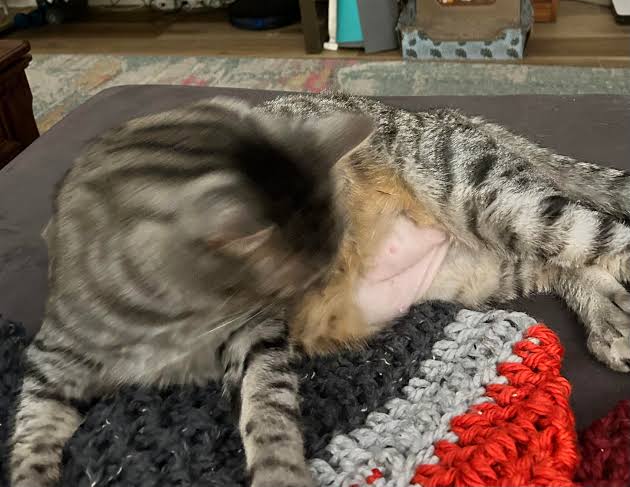
Why is my cat losing hair on her belly and legs? In the vast majority of cases, the hair isn’t falling out on its own, your cat is actually licking or chewing it off herself, often so quietly that you never catch her in the act.
This pattern of bare skin on the “undercarriage,” meaning the belly, inner thighs, and lower legs, is one of the most common presentations veterinarians see in cats, and it’s rarely dangerous. The three leading culprits are allergies, parasites like fleas or mites, and stress-driven overgrooming known as psychogenic alopecia.
Why Is My Cat Losing Hair on Her Belly and Legs?
Normal Shedding Vs Abnormal Hair Loss
Before diving into causes, it helps to understand the difference between typical shedding and true alopecia.
What Normal Shedding Looks Like
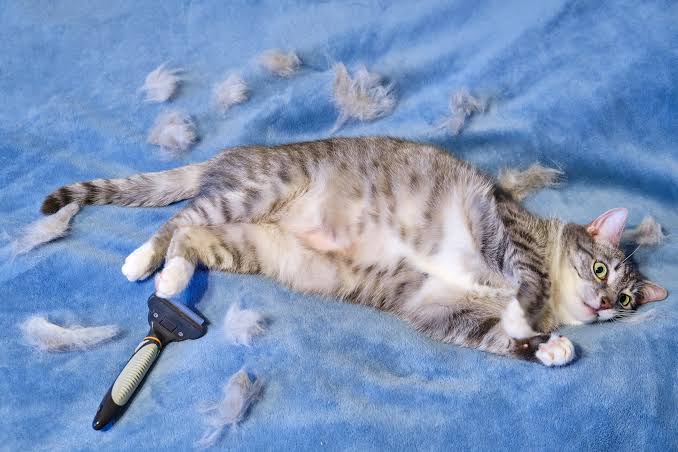
All cats shed to some degree, and this usually happens evenly across the body without creating visible bald patches or thin spots.
Seasonal shedding, especially in spring and fall, is completely normal and doesn’t require any special intervention beyond regular brushing.
What Makes Hair Loss Different
True hair loss, or alopecia, tends to be more localized, with distinct areas of thinning or bare skin rather than an even, all-over coat change.
Noticing skin that’s visibly bare, patchy, or accompanied by redness or scabbing is a strong signal that something beyond normal shedding is happening.
Why The Distinction Matters
Understanding this difference helps you decide whether a vet visit is truly necessary or whether you’re simply noticing a normal seasonal coat change.
When in doubt, monitoring the area over a week or two and taking photos can help track whether the pattern is spreading or improving.
Why This Specific Pattern Happens
Hair loss on the belly and legs follows a very recognizable pattern that veterinarians see constantly in everyday practice.
Cats Are Doing It To Themselves
In most cases, the cat is actually removing the hair herself through excessive licking rather than the hair simply falling out.
Because cats are notoriously private groomers, many owners never actually witness the behavior happening, even though it’s the true cause.
Why The Belly And Legs Specifically
The belly, inner legs, and lower thighs are the easiest areas for a cat to reach comfortably with her tongue while grooming.
This is exactly why irritation, itchiness, or stress so often shows up as hair loss in this specific “undercarriage” area rather than elsewhere on the body.
How Vets Confirm This
A veterinarian can confirm self-inflicted hair loss with a simple hair sample test, examining pulled hairs under a microscope.
Broken hair tips suggest the cat chewed or licked the hair off, while hair that fell out at the root points toward a disease affecting the follicle itself.
Myths Vs Facts About Cat Hair Loss
There’s a lot of confusing information online about feline hair loss, so it helps to separate common myths from what’s actually true.
| Myth | Fact |
|---|---|
| Hair loss always means fleas | Allergies, stress, and infections are just as common causes |
| Indoor cats can’t get fleas | Fleas can hitch a ride indoors on people, other pets, or clothing |
| Bald patches always mean something serious | Many cases resolve quickly once the trigger is identified |
| Only dirty cats get ringworm | Ringworm can affect any cat regardless of cleanliness |
| Stress-related hair loss isn’t a real medical issue | Psychogenic alopecia is a recognized condition vets treat regularly |
Understanding these distinctions helps you approach the situation calmly while still taking meaningful action to help your cat.
Common Causes Of Belly And Leg Hair Loss In Cats
There are several distinct reasons a cat might develop this pattern of hair loss, and they often overlap or look nearly identical to an untrained eye at first glance.
Working through each possibility systematically, ideally with your vet’s help, is the most reliable way to land on the correct diagnosis.
The table below offers a quick overview before we explain each cause individually.
| Cause | How Common | Key Clue |
|---|---|---|
| Fleas | Very common | Itching even without visible fleas |
| Mites | Moderately common | Scaly, irritated skin |
| Environmental allergies | Common | Seasonal or year-round itching |
| Food allergies | Less common | Symmetric patches, possible GI symptoms |
| Stress (psychogenic alopecia) | Common | No visible skin irritation |
| Ringworm | Moderately common | Circular bald patches |
| Bacterial skin infection | Less common | Redness, crusty patches |
| Pain (joint or bladder) | Less common | Focused on one leg or lower belly |
| Hormonal conditions | Uncommon | Thinning coat, other symptoms |
Fleas
Fleas are one of the leading causes of cat hair loss, even when you never actually see one on your cat.
Some cats are extremely sensitive to flea saliva, meaning a single bite can trigger intense itching and lead to significant self-inflicted hair loss.
Mites
Mites, along with ticks and lice, can cause skin irritation that leads a cat to scratch and lick far more than normal.
This irritation often results in scaly, uneven skin along with the patchy bald spots typical of parasite-related hair loss.
Environmental Allergies (Atopic Dermatitis)
Cats can develop allergies to airborne substances like pollen, dust mites, and mold, a condition known as atopic dermatitis.
This type of allergy causes intense itching that leads to overgrooming, and the resulting bald patches often look symmetric across the belly and inner legs.
Food Allergies
Food allergies are a less common but still notable cause, usually triggered by specific protein sources like beef, chicken, fish, lamb, or eggs.
These allergies can trigger an immune response that irritates the skin, leading to the same symmetric hair loss pattern seen with other allergies.
Stress And Overgrooming (Psychogenic Alopecia)
Cats experiencing stress or anxiety often overgroom themselves as a coping mechanism, resulting in baldness especially on the belly, legs, and sides.
This behavior is known as psychogenic alopecia, and it can be triggered by changes like a move, a new pet, or loud, ongoing noises in the home.
Ringworm
Ringworm is a fungal infection, despite its misleading name, and it commonly starts on the belly or legs as circular bald spots.
Unlike allergy-related hair loss, ringworm patches often have a distinct circular shape and may show slightly different skin texture at the edges.
Bacterial Skin Infections
If a cat’s skin becomes injured or irritated from constant licking or scratching, bacteria can multiply and cause a secondary infection.
These infections often bring additional symptoms like redness, swelling, or crusty patches alongside the hair loss itself.
Pain-Related Overgrooming
Cats with joint pain may overgroom one particular leg, while bladder pain from conditions like cystitis can sometimes result in a bald belly.
Pain is frequently overlooked as a cause of hair loss, so it’s important for a vet to rule this out before pursuing other treatments.
Hormonal Conditions
Certain hormonal imbalances can occasionally lead to thinning fur, though this is a less common cause compared to allergies or parasites.
Hormonal hair loss often comes with other symptoms too, like changes in appetite, weight, or energy level.
How To Tell The Difference Between Causes
| Symptom Pattern | Likely Cause |
|---|---|
| Itching with no visible fleas | Fleas or flea allergy |
| Scaly, irritated skin | Mites |
| Symmetric patches, seasonal pattern | Environmental allergies |
| Symmetric patches, possible GI upset | Food allergies |
| No skin irritation, just bald patches | Stress-related overgrooming |
| Circular bald spots | Ringworm |
| Redness, crusting, swelling | Bacterial infection |
| Focused on one leg or lower belly only | Pain-related overgrooming |
Paying close attention to exactly where and how the hair loss shows up can help you and your vet narrow down the likely cause faster.
Hair Loss In Kittens Vs Adult Cats
Kittens experiencing belly or leg hair loss are often dealing with parasites like fleas or mites, since their immune systems are still developing and more vulnerable.
Ringworm is also particularly common in young cats, especially those recently adopted from shelters, rescues, or other multi-cat environments.
Adult and senior cats are more likely to develop hair loss linked to chronic stress, allergies that build up gradually over time, or joint pain from arthritis.
Regardless of age, any new or worsening hair loss pattern is worth mentioning at your cat’s next checkup, even if it seems minor or your cat otherwise seems perfectly fine.
When Hair Loss Isn’t A Concern
Not all hair loss on the belly and legs points to an underlying problem that needs treatment.
Hair loss due to hormone changes during pregnancy is common and often resolves on its own once hormone levels stabilize after birth.
Fur that was clipped for surgery sometimes never fully regrows in that exact spot, which is generally harmless and purely cosmetic.
Areas of fur loss over old scars from a past injury are also usually not something to worry about.
Supporting Skin And Coat Health At Home
Alongside treating the underlying cause, a few simple habits can support healthier skin and coat recovery over time.
Regular Gentle Brushing
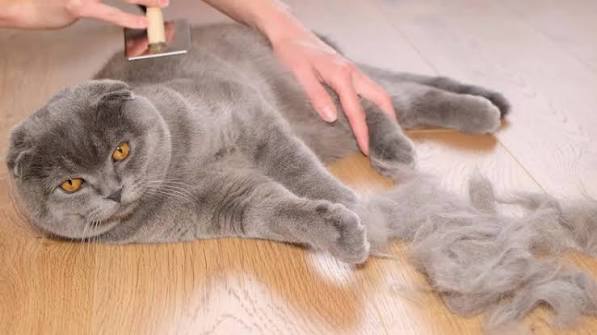
Brushing your cat regularly helps distribute natural skin oils and gives you a chance to spot new bald patches or skin changes early, before they spread further.
This is also a great opportunity to check for fleas, ticks, or any unusual bumps or sensitivity that might otherwise go unnoticed during normal petting.
Feeding A Balanced Diet
A diet rich in quality protein and appropriate fatty acids supports healthy skin and coat condition from the inside out.
If a food allergy is suspected, your vet can recommend a specific hypoallergenic formula suited to your cat’s needs.
Reducing Household Stressors
Keeping feeding, litter box, and play routines consistent can help lower everyday stress levels for sensitive cats.
Small changes, like adding a vertical scratching post or a window perch, can make a noticeable difference in overall stress levels.
Following Through On Vet Recommendations
Completing the full course of any prescribed medication, even after symptoms improve, helps prevent the underlying issue from returning.
Skipping doses or stopping treatment early is one of the most common reasons hair loss issues come back after initial improvement.
Signs That Point To A More Serious Issue
While most cases of belly and leg hair loss are manageable, certain signs suggest a more thorough veterinary evaluation is needed.
- Redness, swelling, or visibly broken skin in the bald areas
- Crusty, scabbed, or oozing patches
- Hair loss that continues to spread despite home care
- Noticeable weight loss, lethargy, or appetite changes
- Excessive licking that seems compulsive or difficult for your cat to stop
- Increased hairballs or vomiting linked to constant grooming
If you notice any of these signs alongside the hair loss, it’s worth scheduling a vet visit rather than waiting to see if the situation resolves entirely on its own.
How Vets Diagnose The Underlying Cause
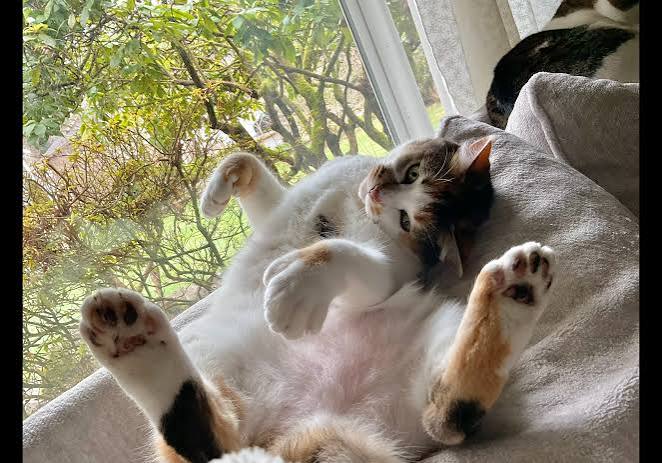
A thorough physical examination is usually the first step, allowing your vet to closely inspect the skin, coat, and overall pattern of hair loss across your cat’s body.
Your vet will also ask about your cat’s diet, behavior, litter box habits, and any recent changes in her environment that could point toward stress or allergies.
Flea combing and skin scraping tests can help rule out or confirm parasites like fleas or mites as the underlying cause of the hair loss.
In cases where allergies are suspected, an elimination diet trial or formal allergy testing may be recommended to pinpoint the specific trigger involved.
Bloodwork may also be recommended in some cases to check for underlying hormonal or organ-related conditions that could be contributing.
Treatment Options Based On The Cause
| Diagnosed Cause | Typical Treatment |
|---|---|
| Fleas | Flea prevention medication, environmental treatment |
| Mites | Prescription topical or oral antiparasitic treatment |
| Environmental allergies | Antihistamines, allergy management, sometimes immunotherapy |
| Food allergies | Elimination diet, hypoallergenic food |
| Stress (psychogenic alopecia) | Environmental enrichment, anti-anxiety support |
| Ringworm | Antifungal medication, topical treatment |
| Bacterial infection | Antibiotics, topical treatment |
| Pain-related overgrooming | Pain management, treatment of underlying condition |
Treatment plans vary depending on severity and the exact diagnosis, so your vet will recommend the option best suited to your cat’s specific situation and overall health history.
Managing Stress-Related Overgrooming At Home
If psychogenic alopecia is suspected, addressing your cat’s environment can make a meaningful difference alongside any veterinary guidance you receive during treatment.
Identify Potential Stress Triggers
Common triggers include a recent move, a new pet or family member, loud construction noise, or ongoing tension with another cat in the household.
Keeping a simple journal of when the licking seems to increase, along with any nearby changes, can help you and your vet spot patterns over time.
Add Environmental Enrichment
Providing climbing spaces, scratching posts, and interactive toys gives your cat healthy outlets for energy and reduces boredom-driven grooming behaviors over time.
Rotating toys regularly and setting aside dedicated play time each day can meaningfully reduce stress-related behaviors, especially in cats who spend most of their time indoors.
Create Safe, Quiet Spaces
Giving your cat access to a quiet room or elevated perch where she can retreat helps reduce feelings of being threatened or overwhelmed by other pets or activity.
This is especially helpful in multi-cat households where competition, bullying, or simple overcrowding may be contributing to ongoing stress levels.
Consider A Cone Temporarily
A cone or recovery collar for a week or so can help prevent further licking and give the skin and hair a genuine chance to start recovering.
This is often used as a short-term measure alongside identifying and addressing the true underlying trigger causing the behavior in the first place.
Preventing Future Hair Loss
Consistent, year-round flea prevention is one of the most effective ways to prevent parasite-related hair loss from developing in the first place, even for indoor-only cats.
Keeping your cat’s environment stable and enriched reduces the likelihood of stress-driven overgrooming becoming a recurring issue over time.
Feeding a consistent, high-quality diet can help minimize the risk of food allergy flare-ups over time, especially if your cat has a known sensitivity.
Routine veterinary checkups, ideally once or twice a year, allow small skin or behavioral issues to be caught and addressed before they progress into more noticeable hair loss.
Frequently Asked Questions (FAQs)
Is it normal for cats to lose hair on their belly and legs?
Occasional mild thinning can be normal, but noticeable bald patches usually indicate an underlying cause. It’s worth monitoring and mentioning to your vet.
How can I tell if my cat is licking the hair off herself?
A vet can check pulled hair under a microscope for broken tips versus hair lost at the root. Broken tips suggest licking or chewing.
Can stress really cause a cat to lose hair?
Yes, this is called psychogenic alopecia, where cats overgroom as a coping mechanism. It often shows up as bald patches with no skin irritation.
What does ringworm hair loss look like on a cat?
Ringworm typically causes circular bald spots, often starting on the belly or legs. It’s a fungal infection, not caused by an actual worm.
Can fleas cause hair loss even if I don’t see any fleas?
Yes, some cats are highly sensitive to flea saliva. A single bite can trigger intense itching and noticeable hair loss.
Should I be worried if my cat’s hair loss is symmetric?
Symmetric hair loss on the belly and legs often points to allergies or overgrooming. It’s still worth a vet visit to confirm the cause.
Can joint or bladder pain cause hair loss in cats?
Yes, cats in pain may overgroom a specific leg or the lower belly. This is often overlooked and should be ruled out by a vet.
How long does it take for a cat’s hair to grow back?
Once the underlying cause is identified and treated, most cats see healthy hair regrowth over several weeks to months. Timing depends on the specific cause.
Is food allergy a common cause of belly hair loss in cats?
It’s less common than fleas or environmental allergies but still possible. Common triggers include beef, chicken, fish, lamb, and eggs.
When should I take my cat to the vet for hair loss?
See a vet if you notice redness, scabbing, spreading hair loss, or changes in appetite or energy. Persistent hair loss always deserves evaluation.
Conclusion
Hair loss on a cat’s belly and legs almost always comes down to one of a few familiar culprits: fleas, mites, allergies, stress-driven overgrooming, ringworm, or occasionally pain. In most cases, the cat is actually licking the hair off herself, often quietly enough that owners never witness it directly.
Paying attention to the pattern, whether it’s symmetric, circular, or focused on just one leg, along with any accompanying redness, scabbing, or behavioral changes, helps narrow down the true cause.
While some hair loss resolves on its own with simple fixes like flea prevention or stress reduction, persistent or worsening patches deserve a proper veterinary evaluation. With the right diagnosis and treatment plan, most cats see their coat fully regrow, and your feline friend can get back to her comfortable, itch-free self.