Why Is My Tongue Swollen and Sore on the Sides? Fixes 2026

Why is my tongue swollen and sore on the sides? In most cases, it’s caused by accidental biting, a canker sore, irritation from braces or a rough tooth, or a mild allergic reaction to food.
The sides of your tongue are especially sensitive because they rub against teeth, dental appliances, and hot or acidic foods throughout the day. This constant contact makes them more prone to swelling, ulcers, and soreness than other parts of the mouth.
Quick Data Snapshot: Sore, Swollen Tongue Sides
Here’s a fast overview of the most common causes and how long they typically last before healing on their own.
| Cause | Common Trigger | Typical Healing Time |
|---|---|---|
| Accidental bite | Chewing, talking, sleep | 3–7 days |
| Canker sore | Stress, acidic food, minor injury | 7–14 days |
| Braces or dental irritation | Rubbing from appliance or filling | Ongoing until fixed |
| Allergic reaction | Food, medication, toothpaste | Hours to 1–2 days |
| Vitamin B12/iron deficiency | Poor diet, absorption issues | Weeks with supplementation |
| Oral thrush (infection) | Candida yeast overgrowth | 1–2 weeks with treatment |
Why Is My Tongue Swollen and Sore on the Sides?
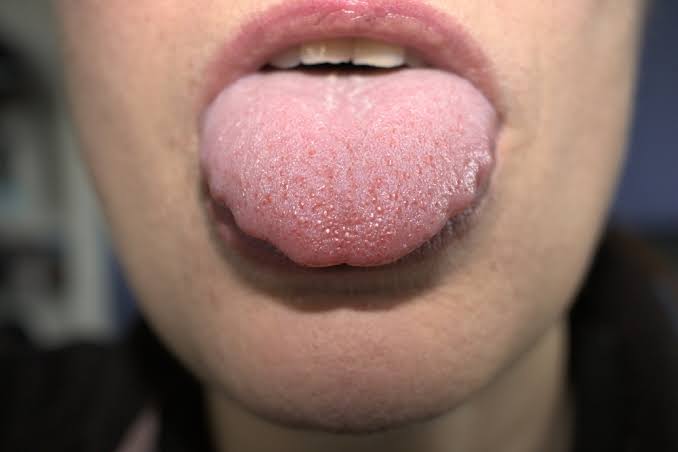
The sides of the tongue take more physical wear than any other part of your mouth. Understanding the exact trigger helps you pick the right fix instead of guessing.
Accidental Biting or Injury
Biting your tongue while eating, talking, or during sleep is one of the most common causes of sudden swelling and soreness on one side. This can cause a small wound, bruising, or noticeable puffiness within minutes.
Most bite injuries heal on their own within 3 to 7 days as long as the area stays clean and isn’t repeatedly irritated by chewing.
Canker Sores (Tongue Ulcers)
Canker sores are small, painful lesions that often appear along the lateral edges of the tongue. Their exact cause is unknown, but stress, hormonal changes, and acidic foods are common triggers.
These sores usually cause a burning or stinging sensation and heal within 7 to 14 days without leaving a scar.
Braces, Dentures, and Rough Teeth
Braces, retainers, dentures, or a chipped tooth can constantly rub against the side of your tongue, causing ongoing soreness of the tongue and mild swelling over time. This is called traumatic irritation.
If you’ve recently had dental work or started orthodontic treatment, this friction is a very likely explanation for new tongue pain.
Allergic Reactions and Angioedema
An allergic reaction to food, medication, or even toothpaste can cause your immune system to trigger swelling, redness, and soreness on the sides of the tongue. This is sometimes called oral allergy syndrome.
If swelling spreads quickly or affects your throat and breathing, this is a medical emergency and requires immediate care, not a home remedy.
Vitamin B12, Iron, or Folate Deficiency
A smooth, glossy, swollen, and sore tongue can be an early sign of low vitamin B12, iron, or folate levels. This condition is medically known as glossitis.
These nutrients support fast-healing tongue tissue, so a deficiency slows repair and increases inflammation, especially along the sensitive sides.
Oral Thrush and Infections
Fungal infections like oral thrush, caused by Candida yeast, create white patches along with tenderness and mild swelling on the tongue. Bacterial infections can also cause pus, redness, and a bad taste.
If your tongue looks coated, unusually red, or swollen alongside soreness, an infection is worth ruling out with a dentist or doctor.
Acidic, Spicy, or Salty Foods
Certain foods can irritate the tongue’s delicate tissue directly, especially if there’s already a small cut or ulcer present. Citrus fruits, vinegar, chili, and heavily salted snacks are the most common offenders.
Repeated exposure to these irritants can delay healing and make existing soreness noticeably worse within a single meal.
Thyroid and Autoimmune Conditions
Hypothyroidism can cause generalized tongue swelling, sometimes called macroglossia, which presses the tongue against the teeth and creates scalloped, sore edges. Autoimmune disorders like Sjögren’s syndrome or lichen planus can also trigger recurring inflammation.
These causes tend to produce swelling that lingers for more than a week and often come with other symptoms like fatigue or dry mouth.
Dehydration
Not drinking enough water can make your tongue and mouth tissue drier, more sensitive, and more prone to irritation and mild swelling. Dehydration is also linked to a condition called scalloped tongue.
Increasing your daily water intake is a simple, free fix that often reduces mild tongue soreness within a day or two.
Canker Sore vs Bite Injury vs Allergic Swelling
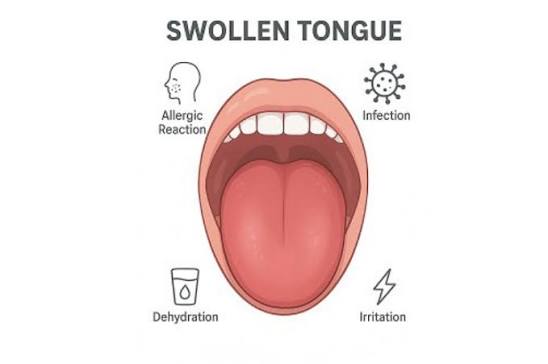
Telling these three common causes apart helps you choose the right remedy faster.
| Feature | Canker Sore | Bite Injury | Allergic Swelling |
|---|---|---|---|
| Appearance | Small white/yellow ulcer | Red, bruised, or torn area | Puffy, uniform swelling |
| Onset | Gradual, 1–2 days | Sudden, immediate | Sudden, within minutes to hours |
| Pain type | Burning, stinging | Sharp, tender to touch | Tightness, itching, burning |
| Healing time | 7–14 days | 3–7 days | Hours with antihistamine |
| Needs urgent care? | Rarely | Rarely | Yes if spreading fast |
Easy Fixes for a Swollen, Sore Tongue
Most causes of tongue soreness respond well to simple home care within a few days. Here are the most effective, low-risk fixes to try first.
Rinse With Warm Salt Water
A warm saltwater rinse, using about half a teaspoon of salt in a cup of water, helps reduce swelling and keeps the area clean while it heals. Rinse gently 2 to 3 times a day.
Avoid swallowing the rinse and don’t use it more than a few times daily, as excessive salt can further dry out the tissue.
Apply a Cold Compress or Ice Chip
Sucking on an ice chip or applying a cold compress to the outside of your mouth can numb pain and reduce swelling quickly, especially after a bite injury. This works within minutes for acute swelling.
Avoid direct prolonged contact between ice and the tongue tissue itself, since extreme cold can cause additional irritation.
Use an Over-the-Counter Oral Gel
Benzocaine-based oral gels, like Orajel or Zilactin-B, coat the sore area and numb pain temporarily. Hydrogen peroxide rinses can also help keep the area clean and reduce irritation.
Follow package directions closely, since benzocaine products aren’t recommended for children under 2 years old.
Avoid Irritating Foods Temporarily
Skip spicy, acidic, salty, or extremely hot foods while your tongue heals, since these can re-irritate the sore edges and delay recovery. Citrus, vinegar-based dressings, and chili are the biggest culprits.
Soft, cool foods like yogurt, smoothies, mashed potatoes, and soups are much easier on a sore, swollen tongue.
Take an Antihistamine for Allergic Swelling
If you suspect a mild allergic reaction is behind the swelling, an over-the-counter antihistamine can reduce inflammation and soreness within an hour or two. This works well for minor reactions to food or products.
Seek emergency care immediately instead of waiting on medication if swelling is rapid, severe, or affecting your breathing.
Address Vitamin Deficiencies
If bloodwork confirms low B12, iron, or folate, adding fortified foods, leafy greens, lean meat, and eggs to your diet, or taking a supplement, can gradually resolve deficiency-related tongue soreness. Improvement is usually seen within a few weeks.
Talk to your doctor before starting any new supplement, especially if you’re already taking other medications.
Fix the Source of Friction
If braces, a denture, or a rough tooth is rubbing against your tongue, dental wax, a mouthguard, or a quick adjustment appointment can eliminate the friction entirely. This prevents the soreness from recurring.
Ignoring ongoing friction often leads to a chronic sore that never fully heals, so addressing the source is more effective than repeated topical treatment.
Stay Hydrated
Drinking enough water throughout the day keeps your tongue tissue healthy, moist, and more resistant to irritation. Dehydration-related soreness often improves within a day of increasing fluid intake.
Aim for at least 8 cups of water daily, more if you’re active or in a hot climate.
Practice Good Oral Hygiene
Brushing gently, including a light brushing of the tongue surface, and using an alcohol-free mouthwash can prevent infections that worsen soreness. Harsh mouthwashes with alcohol can actually dry out and irritate already sensitive tissue.
Replace your toothbrush regularly and avoid sharing utensils or drinks if you suspect an infection like oral thrush.
Manage Underlying Stress
Since stress is a known trigger for canker sores, simple stress-reduction habits like better sleep, light exercise, or relaxation techniques may reduce how often sores appear. This is especially useful for people who get recurring tongue ulcers.
While stress management won’t heal an existing sore faster, it can meaningfully cut down on future flare-ups.
Foods That Help vs Foods That Hurt a Sore Tongue

Adjusting your diet temporarily can speed up healing and reduce pain while eating.
| Foods That Help | Foods to Avoid |
|---|---|
| Yogurt and smoothies | Citrus fruits and juice |
| Mashed potatoes | Spicy or chili-based dishes |
| Soups and broths | Vinegar-based dressings |
| Oatmeal | Salty chips or crackers |
| Scrambled eggs | Very hot beverages |
Vitamin and Nutrient Guide for Tongue Health
Certain nutrients play a direct role in keeping tongue tissue healthy and quick to heal.
| Nutrient | Role in Tongue Health | Food Sources |
|---|---|---|
| Vitamin B12 | Supports tissue repair, nerve function | Eggs, meat, dairy, fortified cereal |
| Iron | Delivers oxygen to tongue tissue | Red meat, spinach, lentils |
| Folate (B9) | Supports cell and tissue repair | Leafy greens, beans, citrus (cooked) |
| Riboflavin (B2) | Reduces inflammation | Dairy, almonds, eggs |
| Niacin (B3) | Prevents a swollen, “beefy” tongue | Poultry, fish, whole grains |
Tongue Soreness in Children vs Adults
Children often get sore tongues from accidental bites during play or eating, and sometimes from thumb-sucking or teething irritation. These usually heal quickly without any special treatment.
In adults, causes are more varied and can include braces, chronic dental friction, vitamin deficiencies, and stress-related canker sores. Adult soreness is also more likely to be linked to an underlying health condition that needs evaluation.
For children, avoid numbing gels with benzocaine in kids under 2, and stick to cold, soft foods and gentle saltwater rinses instead. For adults, most over-the-counter remedies are safe when used as directed.
Prevention Tips for a Healthy Tongue
A few consistent habits can reduce how often you experience tongue soreness over the long run, especially if you’re prone to recurring canker sores or irritation.
- Use a soft-bristled toothbrush to avoid scraping the tongue surface
- Stay hydrated throughout the day to keep tissue healthy
- Limit spicy, acidic, and very hot foods if you’re prone to sores
- Ask your dentist about smoothing rough teeth, fillings, or braces
- Eat a balanced diet rich in B vitamins, iron, and folate
- Manage stress through sleep, exercise, or relaxation techniques
- Avoid tobacco and limit alcohol, both known irritants
Building even a few of these into your routine can meaningfully reduce how often tongue soreness returns.
Home Remedies vs Medical Treatment: Which Do You Need?
Knowing when a home fix is enough, versus when you need professional care, saves time and prevents a minor issue from becoming worse.
| Situation | Home Remedy Enough? | Needs Medical Treatment |
|---|---|---|
| Bite injury, mild swelling | Yes, usually resolves in days | No, unless infected |
| Single canker sore | Yes, saltwater rinse and time | No, unless lasts 2+ weeks |
| Braces/denture friction | Temporary wax helps | Yes, for a permanent fix |
| Suspected vitamin deficiency | Diet changes may help | Yes, bloodwork needed |
| Rapid swelling, breathing trouble | No | Yes, emergency care |
| White patches, suspected infection | No | Yes, antifungal treatment |
How Long Does Tongue Soreness Usually Last?
Minor causes like a bite injury or mild irritation typically resolve within 3 to 7 days without any special treatment. Canker sores usually take slightly longer, around 7 to 14 days.
Soreness linked to a deficiency, thyroid issue, or chronic dental friction can persist for weeks until the underlying cause is properly addressed. These types generally don’t improve with topical remedies alone.
A sore or swelling lasting longer than 2 weeks, or one that keeps recurring in the same spot, should always be evaluated by a dentist or doctor.
Signs You Need Urgent or Emergency Care
Most tongue soreness is harmless and temporary, but a few warning signs mean you shouldn’t wait. Recognizing these early can prevent a serious situation from escalating.
Seek emergency care immediately if swelling spreads rapidly, affects your ability to breathe or swallow, or is accompanied by hives, dizziness, or a racing heartbeat. These can be signs of severe allergic reaction or angioedema.
See a dentist or doctor promptly if a sore lasts longer than 2 weeks, keeps recurring in the same spot, or is accompanied by unexplained weight loss, since these can occasionally point to a more serious underlying condition.
Quick Glossary of Related Terms
Understanding these terms makes it easier to describe your symptoms accurately to a dentist or doctor.
| Term | Meaning |
|---|---|
| Glossitis | Inflammation causing a smooth, swollen, sore tongue |
| Canker sore | A small painful ulcer on the tongue or mouth |
| Angioedema | Rapid swelling under the skin, often allergy-related |
| Macroglossia | An abnormally enlarged tongue |
| Oral thrush | A fungal (Candida) infection of the mouth |
| Scalloped tongue | Rippled edges caused by tongue pressing on teeth |
Knowing which of these terms matches your symptoms can help you explain the issue clearly during a medical visit, and speed up getting the right treatment.
Frequently Asked Questions (FAQs)
1. Why is my tongue swollen and sore only on the sides?
The sides of your tongue rub against teeth and dental appliances the most, making them prone to bites, friction, and irritation. Canker sores also commonly form along the lateral edges.
2. Is a swollen, sore tongue a sign of a vitamin deficiency?
Yes, low vitamin B12, iron, or folate can cause a smooth, swollen, and sore tongue called glossitis. Adding these nutrients back through diet or supplements usually improves symptoms within weeks.
3. Can allergies cause tongue swelling and soreness?
Yes, food, medication, or product allergies can trigger swelling, redness, and soreness on the tongue’s sides. Seek emergency care if swelling spreads quickly or affects breathing.
4. How long does a sore on the side of the tongue take to heal?
Most sores from biting or minor irritation heal within 3 to 7 days. Canker sores typically take 7 to 14 days to fully clear.
5. Can braces cause my tongue to be swollen and sore?
Yes, braces, retainers, and dentures can constantly rub against the tongue, causing ongoing soreness and mild swelling. Dental wax or an adjustment appointment usually resolves it.
6. What foods should I avoid with a sore tongue?
Avoid spicy, acidic, salty, or very hot foods, as they irritate sensitive tissue further. Stick to soft, cool foods like yogurt, smoothies, and soups instead.
7. When should I see a doctor for tongue swelling?
See a doctor if soreness lasts longer than 2 weeks, keeps recurring, or comes with unexplained weight loss. Seek emergency care for rapid swelling with breathing difficulty.
8. Can stress cause a sore, swollen tongue?
Yes, stress is a known trigger for canker sores, which commonly appear on the sides of the tongue. Managing stress may reduce how often these sores occur.
9. Is a swollen tongue with white patches an infection?
Yes, white patches with tenderness often indicate oral thrush, a fungal infection caused by Candida yeast. It typically needs antifungal treatment from a dentist or doctor.
10. Can dehydration make my tongue sore and swollen?
Yes, not drinking enough water can dry out tongue tissue and make it more prone to irritation and mild swelling. Increasing water intake often improves symptoms within a day or two.
Conclusion
A swollen, sore tongue on the sides is usually caused by something simple: an accidental bite, a canker sore, friction from braces or a rough tooth, or a mild food irritation. These common triggers typically heal on their own within a week or two with basic home care.
Less obvious causes, like a vitamin B12 or iron deficiency, dehydration, an allergic reaction, or a thyroid issue, can also show up first as tongue soreness. Paying attention to how long the swelling lasts and whether it keeps recurring helps you know when a home remedy is enough.
If swelling spreads quickly, affects your breathing, or a sore lingers beyond two weeks, don’t wait it out. See a dentist or doctor to get the right diagnosis and treatment, and get back to eating and talking comfortably.