Why Nicotine Pouches Are Becoming So Popular – Market Trends Explained
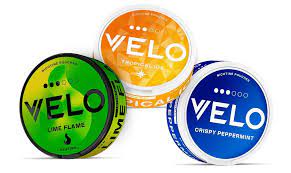
Nicotine pouches have gone from niche product to global obsession in just a few years. You’ll see them in convenience stores, on social media, and even casually mentioned by influencers and athletes. But why are these tiny white sachets suddenly everywhere—and what is actually happening in the market behind the scenes?
This article breaks down the key reasons for their rise, the numbers driving the boom, and the concerns that regulators and health experts are raising.
A Market Growing at High Speed
The popularity of nicotine pouches isn’t just visible anecdotally—it shows up clearly in market data:
- The global nicotine pouch market was estimated at around USD 5.3–7.6 billion in 2024, depending on methodology.
- Several market reports project annual growth rates of 17–30%+ over the next decade, with forecasts ranging from USD 25–140+ billion by 2030–2035.
- In the wider nicotine sector, nicotine pouches were one of the fastest-growing categories in 2024, posting over 50% volume growth while cigarettes stayed flat.
- In the U.S. alone, the market is estimated around USD 4 billion in 2024, with forecasts approaching USD 50 billion by 2033.
Research on oral nicotine pouch sales shows the same picture: unit sales tripled between mid-2021 and mid-2024, reflecting rapid adoption in a short period.
In short: this is not a slow, organic trend. It’s a full-scale boom.
Why Are Nicotine Pouches So Popular?
1. Convenience and Discretion
The biggest driver is simple: discretion.
Nicotine pouches:
- Don’t create smoke or vapour
- Have virtually no smell
- Don’t require a lighter, charger, or device
Users can place a pouch under their lip almost anywhere—offices, public transport, restaurants, flights (subject to local rules)—without drawing attention.
As smoking bans have tightened worldwide and vaping has come under more scrutiny, a product that delivers nicotine without clouds or odour fits modern lifestyles perfectly.
- Smoke-Free, “Cleaner” Image
Many adults are actively trying to cut down on the harmful substances in cigarette smoke, which contains thousands of chemicals and dozens of known carcinogens. Pouches avoid combustion altogether, meaning they don’t expose the lungs to tar or smoke.
Regulators and health bodies generally agree that non-combustible nicotine products (like pouches, vapes, and heated tobacco) are less harmful than smoking—even if they are not risk-free. For example, the U.S. FDA authorized sale of certain ZYN pouches after concluding that, for adult smokers, switching completely from cigarettes to these pouches would likely reduce health risks.
This “cleaner” image—whether framed as “tobacco-free” or “smokeless”—strongly appeals to:
- Smokers looking for an alternative
- Former smokers who still want nicotine
- People who want to use nicotine without smelling of smoke or handling a device
- Lifestyle Fit: Busy, On-the-Go Users
Modern work and social life is fast and mobile. Standing outside in the rain for a cigarette break or hunting for a place to vape doesn’t always fit that rhythm.
Nicotine pouches:
- Slip easily into a pocket or bag
- Can be used one-handed, in a few seconds
- Don’t interrupt conversations, meetings, or events
Many lifestyle-oriented blogs highlight how pouches fit into busy routines and social events, especially where smoking or vaping is restricted.
This positions pouches less as “medicine” and more as a convenience product, which makes them easier to market and more attractive to trend-conscious consumers.
- Flavours, Branding, and Social Media
Another huge driver is flavour and branding innovation:
- Fruity, minty, coffee, and candy-style flavours
- Sleek, minimal tins that resemble tech accessories more than old-fashioned tobacco
- Strong presence on social media, often via influencers and sports sponsorships
These elements make pouches feel more like a lifestyle accessory than a traditional nicotine product.
However, this is also where controversy arises. Health experts worry that flavour variety and colourful packaging attract youth and non-smokers, not just adult smokers. Recent coverage from the UK, for example, notes increasing use among school pupils and reports of nausea and fainting from high-strength products.
- Perception as Less Harmful and More Socially Acceptable
Survey research shows many adults perceive nicotine pouches as:
- Less harmful than cigarettes or smokeless tobacco
- Less addictive than cigarettes and e-cigarettes (though this may underestimate risk)
- More socially acceptable, particularly in public and social settings
This perception—right or wrong—reduces the stigma of nicotine use and encourages experimentation, especially among people who would never consider smoking.
Public health groups warn that this gap between perceived safety and actual risk could create new waves of nicotine dependence, especially if non-smokers start using pouches.
Key Market Trends Shaping the Future
Trend 1: Rapid Geographic Expansion
Nicotine pouches began as a largely Nordic and European phenomenon but are now spreading rapidly to:
- North America (especially the U.S.)
- The UK and broader Europe
- Emerging markets in Asia-Pacific and Latin America.
Big tobacco companies and new niche brands are racing to secure shelf space and digital market share, driving aggressive marketing and frequent product launches.
Trend 2: Strong Growth Among “Modern” Nicotine Products
Within the overall nicotine ecosystem, pouches sit alongside vapes and heated tobacco as reduced-risk products (RRPs). Industry data suggests:
- Cigarette volumes are flat or declining globally
- Heated tobacco grows in low double digits
- Vapes and pouches grow significantly faster, with pouches leading in percentage growth in 2024
This reflects a broader shift: consumers aren’t necessarily quitting nicotine, but they are changing how they consume it.
Trend 3: Strength Levels and “Performance” Products
Another notable pattern is the rise of high-strength pouches, sometimes delivering substantial doses of nicotine per pouch. These products are often marketed with:
- Strong “kick” or “extra strong” positioning
- Sporty or high-performance branding
While some adult smokers appreciate stronger products for craving control, health experts are deeply concerned about addiction potential and adverse effects, especially when teenagers or nicotine-naïve users access them.
Trend 4: Tightening Regulations
As use has grown—particularly among young people—governments are moving quickly:
- The UK is planning to ban sales of nicotine pouches to under-18s, cap nicotine levels, and restrict flavours/packaging that appeal to youth.
- In the U.S., the FDA’s authorization of certain pouches coexists with local and state efforts to ban or limit flavoured products.
- International advocacy groups call for pouches to be regulated like other nicotine and tobacco products, with clear rules on advertising, age checks, and product contents.
Future growth will depend heavily on how strict or permissive these regulations become, and whether authorities emphasize harm reduction for adult smokers or prevention of youth uptake.
The Double-Edged Sword: Opportunity and Risk
Nicotine pouches clearly fill a demand in today’s market:
- They offer a smoke-free, discreet option for adult nicotine users
- They align with lifestyle trends: convenience, cleanliness, and technology-inspired branding
- They sit at the center of one of the fastest-growing segments in the global nicotine industry
At the same time, they raise serious questions:
- Will non-smokers and teenagers become newly nicotine-dependent because of these products?
- Are high-strength pouches creating stronger addiction with fewer immediate visible harms?
- Can regulations find the balance between helping smokers switch and protecting young people?
As the market continues to expand at double-digit rates, nicotine pouches are likely to remain a central part of the conversation about nicotine, public health, and consumer behaviour for years to come.