Why No Caffeine After PRP? Causes & Facts 2026
Why no caffeine after PRP is one of the most common questions patients ask right after finishing a platelet-rich plasma treatment, especially coffee lovers who dread giving up their morning cup.
Caffeine is generally restricted after PRP because it can constrict blood vessels, reduce oxygen delivery to healing tissue, and potentially interfere with how platelets function during recovery.
Since PRP relies entirely on your own concentrated platelets to trigger tissue repair, anything that disrupts blood flow or platelet activity can reduce the treatment’s effectiveness.
Most clinics recommend avoiding caffeine for anywhere between 24 hours and one full week, depending on the specific procedure.
Why No Caffeine After PRP? What Is PRP Therapy?

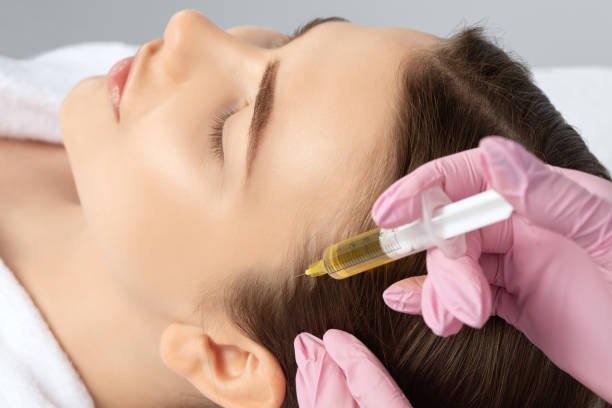
Platelet-rich plasma therapy uses a concentrated portion of your own blood to stimulate healing, tissue repair, and regeneration in the treated area.
The process begins with a simple blood draw, similar to a routine lab test, followed by spinning the sample in a centrifuge.
This separates the blood into its components, isolating platelets at concentrations several times higher than normal levels before reinjecting them into the treatment site.
Why Caffeine Is Restricted After PRP
Caffeine is a natural stimulant that affects blood vessels, circulation, and inflammation, all of which play a direct role in how well PRP treatments work.
Because PRP depends on healthy blood flow and functioning platelets to deliver its regenerative effects, anything that disrupts these processes can reduce treatment results.
This is why most clinics specifically call out caffeine avoidance as part of their standard PRP aftercare instructions.
Common Reasons At A Glance
Before exploring each mechanism in detail, here is a quick table summarizing the main reasons caffeine is discouraged after PRP.
| Reason | Effect On PRP Recovery |
|---|---|
| Vasoconstriction | Reduces blood flow to treated area |
| Platelet Interference | May limit platelet aggregation and activation |
| Increased Inflammation | Can worsen swelling and discomfort |
| Dehydration | Slows overall tissue repair |
| Disrupted Sleep | May reduce natural healing processes |
Each of these factors can independently affect recovery, and their combined impact is why caffeine restriction is so commonly recommended.
Caffeine And Blood Vessel Constriction
One of the primary reasons caffeine is restricted is its known effect on constricting blood vessels shortly after consumption.
This vasoconstriction reduces oxygen delivery to healing tissues and can limit how effectively platelets and growth factors reach the treated area.
Since PRP results depend heavily on strong circulation to the treatment site, reduced blood flow can directly diminish the treatment’s regenerative potential.
Caffeine’s Effect On Platelet Function
Caffeine and certain coffee compounds have been shown to inhibit platelet aggregation and activation, which are essential processes for PRP to work effectively.
Since PRP relies specifically on concentrated platelets to trigger healing and regeneration, anything that interferes with normal platelet behavior can weaken the treatment’s overall benefit.
This interaction is one of the more direct, mechanism-based reasons caffeine avoidance is emphasized in most PRP aftercare guidelines.
Caffeine And Inflammation
While some inflammation is a necessary part of the body’s natural healing response, excessive inflammation can actually slow recovery and increase discomfort.
Caffeine has been associated with stimulating certain inflammatory mediators, which may exacerbate swelling or prolong the inflammatory phase after PRP treatment.
Reducing caffeine intake may help keep inflammation at a more manageable, healing-supportive level during the recovery period.
Dehydration Concerns
Caffeine has a mild diuretic effect, meaning it can increase fluid loss and contribute to overall dehydration if consumed in higher amounts.
Proper hydration is essential for tissue repair, nutrient delivery, and overall recovery speed following any regenerative treatment like PRP.
Replacing caffeinated beverages with water or hydrating alternatives supports the body’s natural healing processes more effectively during this period.
Sleep Disruption And Recovery
Caffeine, especially when consumed later in the day, can interfere with sleep quality, which plays an important role in the body’s natural repair processes.
Since much of tissue regeneration and healing occurs during deep sleep, disrupted rest may indirectly slow down PRP recovery outcomes.
Avoiding caffeine, particularly in the afternoon and evening, can support better sleep and potentially improve overall recovery quality.
Recommended Caffeine-Free Timeline
Different clinics and sources suggest varying timelines for caffeine avoidance, generally depending on the specific type and intensity of PRP treatment performed.
| Source Recommendation | Suggested Caffeine-Free Period |
|---|---|
| Minimum General Guideline | 24-48 Hours |
| Common Clinic Recommendation | 48-72 Hours |
| More Conservative Guideline | 3-7 Days |
| Pre-Treatment Recommendation | 24-72 Hours Before Procedure |
Following your specific clinic’s individual recommendation is always the most reliable approach, since exact guidelines can vary by provider and treatment type.
Why Timelines Vary Between Clinics

Different PRP applications, such as hair restoration, facial rejuvenation, or joint therapy, may carry slightly different aftercare recommendations based on treatment intensity and goals.
Clinics may also adjust their guidelines based on individual patient factors, such as overall health, sensitivity, and specific treatment areas involved.
This is why it is important to follow the specific instructions provided by your own provider rather than relying solely on general online guidance.
Caffeine Before PRP Treatment
Many clinics also recommend avoiding caffeine for a period before the procedure itself, not just afterward, to support optimal blood draw quality.
This is because caffeine’s effects on platelets and blood vessels can potentially affect the overall quality and efficacy of the PRP sample collected.
Following pre-treatment guidelines as closely as post-treatment ones can help maximize the effectiveness of the entire procedure from start to finish.
Other Foods And Substances To Avoid After PRP
Caffeine is not the only substance commonly restricted after PRP, since several other foods and habits can similarly affect healing and inflammation.
| Substance | Reason For Avoidance |
|---|---|
| Alcohol | Increases bleeding risk, dehydration, inflammation |
| NSAIDs | Blood thinning effect, reduces platelet function |
| Excessive Turmeric or Garlic | Natural blood-thinning properties |
| Processed Sugar | Promotes systemic inflammation |
| Fried or High-Fat Foods | May hinder tissue repair |
Combining caffeine avoidance with these additional precautions generally supports a smoother, more effective recovery overall.
What Happens If You Accidentally Have Caffeine
Having a small, occasional amount of caffeine after PRP is unlikely to cause serious harm, though it may modestly affect recovery speed and results.
The main risk involves increased bruising, mild swelling, or a slightly slower healing timeline rather than any dangerous complication.
Strict avoidance simply helps optimize outcomes, meaning occasional slip-ups are generally not something to panic over, though consistency is still recommended.
Caffeine-Free Alternatives During Recovery
Finding satisfying alternatives can make avoiding caffeine much easier during the recommended recovery window after PRP treatment.
Herbal teas like chamomile, peppermint, or rooibos offer flavor and comfort without any caffeine content, making them a popular substitute choice.
Decaffeinated coffee, fruit-infused water, and sparkling water with citrus are also commonly recommended options for maintaining routine without disrupting recovery.
Supporting Your Recovery Beyond Caffeine Avoidance
Alongside avoiding caffeine, maintaining proper hydration, eating anti-inflammatory foods, and getting adequate rest all contribute meaningfully to PRP recovery success.
Nutrient-dense foods like leafy greens, berries, and lean proteins can help support platelet function and overall tissue repair during the healing period.
Combining these habits with caffeine avoidance creates a more comprehensive approach to optimizing your PRP treatment results.
Does The Science Fully Support Caffeine Restriction
While there is reasonable scientific rationale behind caffeine’s effects on blood vessels and platelets, direct clinical evidence specific to PRP outcomes is still developing.
Some research suggests reduced blood flow from caffeine consumption, though the extent of its specific impact on PRP results can vary between individuals.
Most clinics recommend caffeine avoidance as a precautionary measure based on known physiological effects, even as more targeted PRP-specific research continues to develop.
Individual Variation In Response
Not everyone responds to caffeine in exactly the same way, meaning some patients may be more sensitive to its effects on circulation and healing than others.
Factors like overall caffeine tolerance, hydration habits, and individual health conditions can all influence how significantly caffeine impacts recovery for a specific person.
This variability is another reason personalized guidance from your treating provider is more valuable than general online recommendations alone.
PRP For Hair Versus PRP For Skin Or Joints
Caffeine restriction guidelines can sometimes differ slightly depending on the specific type of PRP treatment being performed.
| Treatment Type | General Caffeine Avoidance Guidance |
|---|---|
| PRP For Hair Restoration | Often 24-72 Hours |
| PRP For Facial Skin Rejuvenation | Often 48-72 Hours |
| PRP For Joint or Injury Therapy | Sometimes Up To One Week |
Always confirm the exact recommendation for your specific treatment type directly with your provider.
Questions To Ask Your Provider
Before your PRP treatment, it can be helpful to directly ask your provider about their specific caffeine and dietary aftercare recommendations.
Clarifying the exact timeline, any exceptions, and what to do if you accidentally consume caffeine can help you feel more confident during recovery.
Personalized guidance from your own provider will always be more accurate than general information found online, including this guide.
How PRP Actually Triggers Healing
Once injected into the treatment area, concentrated platelets release growth factors that signal surrounding cells to begin repair and regeneration processes.
This cascade depends heavily on adequate blood flow, oxygen delivery, and stable platelet activity, all of which caffeine can potentially disrupt to some degree.
Understanding this underlying mechanism helps explain why something as simple as caffeine intake can meaningfully influence how well the treatment performs.
The Role Of Adenosine Receptors
Caffeine works partly by blocking adenosine receptors in the body, which normally play a role in regulating blood vessel dilation and platelet behavior.
By interfering with these receptors, caffeine can alter normal circulation patterns and platelet responses, both of which are directly relevant to PRP’s healing mechanism.
This receptor-level interaction is one of the more specific, science-based explanations behind why caffeine restriction is commonly recommended after treatment.
Comparing Caffeinated Beverages And Their Impact
Not all caffeinated beverages contain the same amount of caffeine, meaning some may have a stronger potential impact on PRP recovery than others.
| Beverage | Approximate Caffeine Content |
|---|---|
| Brewed Coffee | 95-200 mg per cup |
| Espresso | 60-80 mg per shot |
| Black Tea | 40-70 mg per cup |
| Green Tea | 20-45 mg per cup |
| Energy Drinks | 80-300 mg per serving |
| Decaf Coffee | 2-5 mg per cup |
This comparison can help you make more informed choices if you are trying to gradually reduce caffeine intake during your recovery window.
Why Some Patients Notice More Sensitivity Than Others
Certain patients report more noticeable swelling or slower recovery when caffeine is not avoided, while others notice little difference in their results.
This variation may relate to individual differences in circulation, caffeine metabolism, hydration habits, and overall health at the time of treatment.
Because of this variability, providers often recommend caffeine avoidance as a general precaution rather than assuming it affects every patient identically.
Combining Caffeine Avoidance With Other Aftercare Steps
Caffeine restriction works best as part of a broader aftercare routine rather than as an isolated instruction on its own.
Staying hydrated, avoiding strenuous exercise, protecting the treated area from trauma, and following gentle skincare practices all work together to support optimal healing.
Patients who follow the full set of aftercare recommendations, rather than focusing on just one guideline, generally report more consistent and satisfying results.
Common Mistakes Patients Make During Recovery
One common mistake is assuming that avoiding caffeine alone is enough, while neglecting other important aftercare steps like hydration or avoiding alcohol.
Another mistake involves resuming caffeine intake too early, simply because visible symptoms like swelling appear to have subsided ahead of the recommended timeline.
Patience and consistency throughout the entire recommended recovery window generally lead to better long-term results than rushing back to normal habits too soon.
How To Gradually Reduce Caffeine Before Treatment
For patients who consume caffeine regularly, gradually reducing intake in the days leading up to PRP treatment can help minimize withdrawal symptoms like headaches.
Slowly cutting back over several days, rather than stopping abruptly, tends to make the transition more comfortable while still meeting pre-treatment guidelines.
This gradual approach can also make it easier to maintain caffeine avoidance consistently throughout the post-treatment recovery period as well.
Managing Caffeine Withdrawal Symptoms
Some patients experience mild headaches, fatigue, or irritability when reducing caffeine intake, particularly if they previously consumed it in large amounts daily.
Staying well-hydrated, getting adequate rest, and gradually tapering intake rather than stopping suddenly can help minimize these temporary withdrawal symptoms.
These symptoms are typically mild and short-lived, generally resolving within a few days as the body adjusts to reduced caffeine intake.
Key Takeaways Before The FAQs
Avoiding caffeine after PRP is generally recommended due to its effects on blood vessel constriction, platelet function, inflammation, and hydration, all of which influence healing.
Most guidelines suggest avoiding caffeine for anywhere between 24 hours and one week, depending on the specific treatment type and provider recommendations.
Following your specific clinic’s personalized aftercare instructions remains the most reliable way to optimize your PRP treatment results and overall recovery.
Talking To Your Provider About Caffeine Habits
Being upfront with your provider about your typical caffeine consumption can help them give you more realistic, personalized aftercare guidance.
If you rely heavily on caffeine daily, your provider may suggest a gradual reduction plan rather than expecting an abrupt, complete stop immediately after treatment.
Open communication about your habits and any concerns generally leads to a more practical and sustainable recovery plan tailored to your lifestyle.
Long-Term Habits That Support Better PRP Outcomes
Beyond the immediate recovery window, maintaining generally healthy habits like balanced nutrition, regular hydration, and moderate caffeine intake can support longer-term treatment results.
Patients who adopt these habits consistently, rather than only during the immediate aftercare period, often report more satisfying and longer-lasting outcomes from PRP treatments overall.
Viewing caffeine reduction as part of a broader wellness approach, rather than a one-time restriction, can make the adjustment feel more manageable and worthwhile.
Frequently Asked Questions (FAQs)
Why is caffeine specifically restricted after PRP treatment?
Caffeine can constrict blood vessels and affect platelet function, both of which may reduce PRP’s regenerative effectiveness.
How long should I avoid caffeine after PRP?
Most guidelines recommend avoiding caffeine for 24 hours to one week, depending on your specific treatment and provider.
What happens if I accidentally drink coffee after PRP?
A small amount is unlikely to cause serious harm, though it may modestly slow recovery or increase mild swelling.
Can I drink decaf coffee after PRP treatment?
Yes, decaf coffee is generally considered a safe alternative since it contains minimal caffeine content.
Should I avoid caffeine before my PRP appointment too?
Yes, many clinics recommend avoiding caffeine 24-72 hours before treatment to support optimal blood draw quality.
Does caffeine affect all types of PRP treatment the same way?
The general concern is similar, though exact avoidance timelines can vary slightly by treatment type and provider.
What can I drink instead of coffee after PRP?
Herbal tea, decaf coffee, fruit-infused water, and sparkling water are popular caffeine-free alternatives during recovery.
Does alcohol need to be avoided too after PRP?
Yes, alcohol is commonly restricted alongside caffeine due to its effects on bleeding risk and inflammation.
Is the caffeine restriction based on strong scientific evidence?
The rationale is physiologically reasonable, though PRP-specific clinical research on caffeine’s exact impact is still developing.
Who should I ask about my specific PRP aftercare instructions?
Always follow guidance directly from your treating provider, since recommendations can vary by clinic and procedure.
A Final Note On Patience During Recovery
PRP results often develop gradually over several weeks, meaning the immediate caffeine-free window is just one part of a longer overall healing timeline.
Staying consistent with all aftercare recommendations, not just caffeine avoidance, generally leads to the most noticeable and satisfying improvements over time.
Approaching recovery with patience, rather than expecting instant results, helps set realistic expectations for how PRP treatments typically progress.
Setting Realistic Expectations For Results
PRP is not an instant fix, and most patients notice gradual improvement over several weeks or months rather than immediate visible changes right after treatment.
Understanding this timeline can help you stay motivated to follow aftercare guidelines, including caffeine avoidance, even when results are not yet fully visible.
Multiple PRP sessions are often recommended for optimal results, meaning consistent aftercare habits across each session, including caffeine avoidance during each recovery window, can compound into noticeably better overall outcomes over time.
One Last Reminder Before Your Next Appointment
Bringing questions about caffeine, diet, and general aftercare to your next PRP appointment ensures you have the most accurate, personalized guidance available.
Every clinic and every patient’s situation can differ slightly, so direct communication with your provider remains the most reliable path to a smooth, effective recovery.
Conclusion
Avoiding caffeine after PRP comes down to protecting the very mechanisms that make the treatment effective, healthy blood flow, functioning platelets, and a controlled inflammatory response needed for proper healing, all of which caffeine can subtly disrupt if consumed too soon after your procedure.
Caffeine’s known effects on constricting blood vessels, interfering with platelet activity, increasing inflammation, and contributing to dehydration all provide reasonable justification for this common aftercare guideline.
While exact timelines vary between 24 hours and a full week depending on the treatment type and provider, consistency during this window generally supports better, faster results.
Simple alternatives like herbal tea, decaf coffee, or fruit-infused water can make this temporary adjustment easier to manage without sacrificing comfort.
Since individual recommendations can differ based on your specific procedure and health history, always follow the personalized aftercare instructions provided by your own PRP provider for the best possible outcome.