Why Some Fridges Age Better Than Others
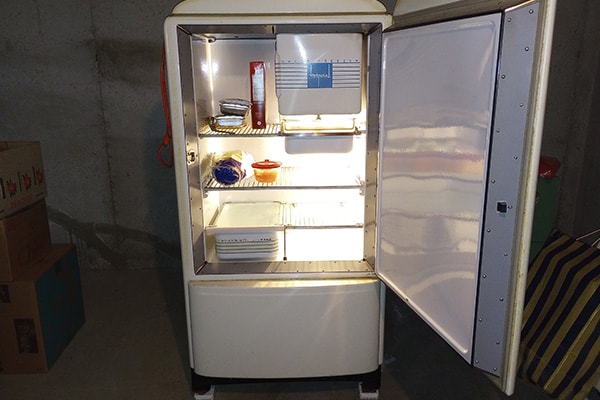
Most fridges look the same when they’re new. Clean lines, bright interiors, quiet operation. The real difference only shows up years later, when some appliances are still running smoothly while others feel tired, noisy, or unreliable.
Fridges don’t usually fail overnight. They age gradually. Temperature consistency slips, seals weaken, drawers crack, and performance becomes uneven. What many people don’t realise is that how a fridge ages is largely determined long before it’s ever plugged in.
That’s why households that prioritise build quality and long-term engineering — often seen in brands associated with Liebherr refrigeration in Australia — tend to experience fewer issues over time, even with daily use.
Ageing Isn’t About Years — It’s About Wear
A fridge’s lifespan isn’t measured only in years, but in cycles. Every door opening, temperature adjustment, compressor start, and shelf load contributes to wear.
Some fridges are designed to handle this repetition gracefully. Others are built to meet minimum requirements at launch, with less consideration for how components behave after thousands of cycles.
Ageing well means maintaining performance under routine stress, not just surviving occasional use.
Temperature Stability Is the First Thing to Slip
One of the earliest signs of ageing is inconsistent temperature control. You might not notice it immediately, but food spoils faster, condensation appears more often, or frost builds up unevenly.
This usually comes down to internal airflow and sensor accuracy. Fridges with well-designed air circulation systems distribute cold evenly, reducing strain on the compressor. Poor airflow forces the system to work harder, accelerating wear.
When temperature control degrades slowly, the fridge feels “fine” until problems become unavoidable.
Build Quality Shows Up in Small Details
Ageing isn’t just about major components. Small details make a big difference over time.
Things like:
- Shelf supports that don’t crack under weight
- Drawers that glide smoothly years later
- Door seals that stay flexible instead of stiffening
- Hinges that don’t sag with frequent use
These elements are easy to overlook when buying, but they shape everyday experience long after the novelty fades.
Fridges that age well feel solid even after years of opening and closing.
Compressors Tell the Long-Term Story
The compressor is the heart of the fridge. Its design, workload, and efficiency determine how hard the appliance has to work to stay cold.
Compressors that cycle efficiently experience less stress. They run when needed, not constantly. This reduces noise, energy use, and mechanical fatigue.
In cheaper models, compressors often compensate for weaker insulation or poor airflow, leading to longer run times and faster wear.
A quiet fridge after several years is usually a well-designed one.
Materials Matter More Than Finish
Glossy finishes and sleek handles sell fridges on the showroom floor. Internally, materials matter far more.
High-quality plastics resist cracking and discolouration. Stainless components handle moisture better. Strong internal framing prevents warping over time.
Lower-grade materials may look identical at first, but they age differently under humidity, temperature swings, and constant use.
A fridge that ages well still feels clean and sturdy inside, not brittle or worn.
Insulation Is a Hidden Ageing Factor
Insulation doesn’t get much attention, but it plays a major role in how a fridge performs over time.
Better insulation helps the fridge maintain stable temperatures with less effort. That means fewer compressor cycles and less internal stress.
As insulation quality drops, the fridge works harder to compensate. This gradual increase in workload accelerates ageing across the entire system.
Well-insulated fridges tend to age quietly, without dramatic drops in performance.
User Habits Interact With Design
How a fridge is used also affects ageing, but good design mitigates common habits.
Frequent door openings, overloading shelves, and uneven food placement are normal in busy households. Fridges designed with these realities in mind handle them better.
Strong shelving, efficient airflow, and responsive cooling systems absorb user behaviour without punishing the appliance.
Poorly designed fridges rely on ideal usage — something most households don’t provide.
Maintenance Plays a Supporting Role
Even the best fridge benefits from basic care. Cleaning seals, avoiding blocked vents, and keeping coils dust-free all help extend life.
However, maintenance can’t compensate for weak design. A well-built fridge with minimal maintenance often outperforms a poorly built one that’s meticulously cleaned.
Ageing well is about resilience, not fragility.
Why Some Fridges “Feel Old” Early
Many people describe ageing fridges as feeling old rather than broken. Doors don’t close as smoothly. Drawers stick. Noise increases.
This feeling comes from cumulative compromises — materials that flex, components that loosen, systems that strain.
Fridges that age well avoid this gradual decline. They feel familiar, not fragile.
Long-Term Thinking Starts at Purchase
It’s tempting to focus on features and price at purchase. Ice makers, screen panels, and trendy finishes attract attention.
But long-term satisfaction usually comes from less visible choices: internal engineering, materials, and thermal design.
Fridges that age well weren’t designed to impress quickly. They were designed to endure.
Ageing Gracefully Is a Design Choice
A fridge’s future is largely decided before it ever cools its first meal. Engineering priorities, material selection, and system balance determine whether it becomes a long-term fixture or an early replacement.
The fridges that age best don’t shout about it. They simply keep doing their job, year after year, without demanding attention.
And in a busy home, that quiet reliability is often the most valuable feature of all.