Why Won’t My Dog Drink Water? Common Reasons 2026
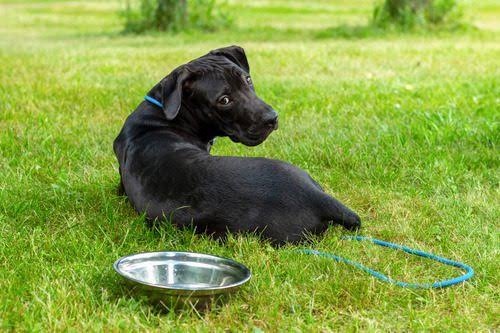
Why won’t my dog drink water is one of the most worrying questions pet owners search when their dog’s water bowl suddenly stays full. Water is essential for nearly every function in your dog’s body, so any sudden change in drinking habits deserves attention.
Sometimes the cause is harmless, like cooler weather or a dirty bowl. Other times it can point to pain, stress, or an underlying illness that needs veterinary care.
How Much Water Does a Dog Actually Need?
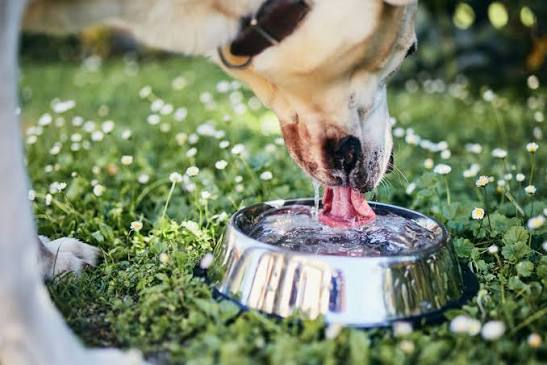
Most dogs need roughly one ounce of water per pound of body weight each day. A 50-pound dog, for example, generally needs around 50 ounces of water daily.
This amount can shift significantly based on activity level, temperature, and diet. Active dogs and those in hot climates typically need noticeably more.
Dogs eating wet or canned food need less water from their bowl, since canned food already contains a high percentage of moisture.
Table: General Daily Water Guidelines for Dogs
| Dog Size | Approximate Daily Water Need |
|---|---|
| Small dog (10 lbs) | About 10 ounces |
| Medium dog (30 lbs) | About 30 ounces |
| Large dog (50 lbs) | About 50 ounces |
| Extra-large dog (80 lbs) | About 80 ounces |
Why Won’t My Dog Drink Water? Common Reasons
Dogs can stop drinking water for many different reasons, ranging from simple environmental factors to more serious medical concerns. Understanding the full range helps you narrow down the likely cause.
Below are the most frequently reported reasons dogs refuse or reduce their water intake.
1. Dirty or Stale Water Bowl
A water bowl that has not been cleaned recently can develop a sticky film of bacteria and food residue. This buildup makes the water taste and smell unappealing to dogs.
Washing the bowl daily and running it through the dishwasher weekly helps keep water fresh and inviting.
2. Change in Diet
Dogs eating canned or wet food get a large portion of their hydration directly from their meals. This naturally reduces how much they need to drink separately.
If your dog recently switched from dry kibble to wet food, lower water bowl visits may simply reflect this dietary shift.
3. Cooler Weather or Reduced Activity
As temperatures drop or activity levels decrease, a dog’s natural thirst often decreases too. This is generally a normal, harmless pattern.
Less exercise means less fluid loss through panting, which naturally lowers the amount of water a dog feels the need to drink.
4. Unfamiliar Water Taste or Smell
Dogs can be surprisingly sensitive to changes in water source, such as switching from tap water to filtered or bottled water.
A recent move to a new home can also introduce unfamiliar-smelling water that makes a dog hesitant to drink right away.
5. Bowl Location or Type
Some dogs avoid bowls placed in noisy, high-traffic, or stressful areas of the home, such as near a washing machine.
Bowl depth and shape matter too, since some dogs dislike their whiskers touching the sides of a deep or narrow bowl.
6. Stress and Anxiety
Major life changes, such as moving homes, a new pet, or a family member leaving, can trigger anxiety that reduces a dog’s interest in food and water.
Stressed dogs may feel nauseated or simply too on edge to settle down long enough to drink normally.
7. Dental Pain or Mouth Injury
Sore teeth, gum disease, or an object lodged in the mouth can make drinking physically uncomfortable for a dog.
Cold water against sensitive teeth can be especially painful, causing a dog to avoid the bowl altogether.
8. Joint Pain or Arthritis
Older dogs with arthritis may find it physically difficult or painful to walk to their water bowl, especially if it is far away or requires navigating stairs.
In these cases, the issue is less about thirst and more about physical accessibility.
9. Underlying Illness
Conditions such as kidney disease, urinary tract infections, gastrointestinal upset, or nausea from various illnesses can all reduce a dog’s desire to drink.
Cancer and other systemic illnesses may also suppress thirst signals, making veterinary evaluation important for unexplained changes.
10. Medication Side Effects
Certain medications can cause nausea, taste changes, or general discomfort that reduces a dog’s interest in drinking water.
If reduced water intake started after a new medication, it is worth discussing with your veterinarian.
Table: Quick Summary of Common Causes
| Cause | Category |
|---|---|
| Dirty water bowl | Environmental |
| Diet change (wet food) | Dietary |
| Cooler weather | Seasonal |
| Unfamiliar water taste | Environmental |
| Bowl location or type | Environmental |
| Stress and anxiety | Behavioral |
| Dental pain | Medical |
| Joint pain or arthritis | Medical |
| Underlying illness | Medical |
| Medication side effects | Medical |
Why Is My Dog Not Drinking Water But Still Eating?
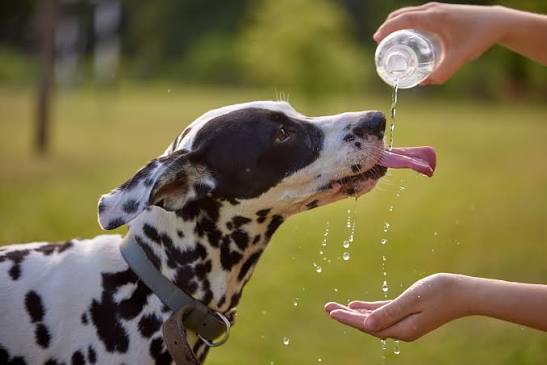
This is a common and slightly reassuring scenario, since most illnesses that affect dogs tend to increase thirst rather than decrease it.
That said, joint or muscle pain can make trips to the water bowl uncomfortable enough that a dog only drinks while already near the food bowl.
Mouth or throat pain is another possible explanation, since chewing food may feel different from swallowing water for a dog in discomfort.
Why Is My Dog Not Drinking Water and Not Eating?
A dog refusing both food and water is a more serious situation and generally points toward an underlying medical issue rather than simple pickiness.
This combination often warrants a same-day or next-day veterinary visit, especially if it continues for more than 24 hours.
Watch closely for other symptoms like vomiting, diarrhea, lethargy, or unusual behavior, since these can help your vet pinpoint the underlying cause faster.
Signs of Dehydration to Watch For
Recognizing early dehydration signs helps you act quickly before the situation becomes more serious. A few key indicators are worth checking regularly.
Dry or Sticky Gums
Healthy gums should feel smooth and moist. Dry or tacky gums can indicate your dog is not getting enough fluids.
Skin Tenting
Gently pinching the skin at the back of your dog’s neck and releasing it should result in a quick snap-back. Slow return can suggest dehydration.
Sunken Eyes
In more advanced dehydration, a dog’s eyes may appear dull or slightly sunken compared to their normal appearance.
Lethargy and Excessive Panting
Unusual tiredness combined with heavy panting, especially without recent exercise or heat exposure, can be a warning sign.
Table: Dehydration Warning Signs
| Sign | What to Check |
|---|---|
| Dry or sticky gums | Should normally feel smooth and moist |
| Slow skin tenting | Pinched skin should snap back quickly |
| Sunken eyes | Compare to your dog’s normal appearance |
| Lethargy | Unusual tiredness without clear cause |
| Excessive panting | Occurring without heat or exercise |
How Different Breeds May Behave Differently Around Water
Breed characteristics can influence how a dog approaches drinking, though individual personality still plays the biggest role.
Brachycephalic Breeds
Flat-faced breeds like Bulldogs and Pugs can sometimes struggle physically with deep bowls due to their shorter snouts, which may discourage regular drinking.
Working and Sporting Breeds
Highly active breeds often drink more due to higher energy expenditure, so a sudden drop in intake can stand out more noticeably.
Toy and Small Breeds
Smaller dogs need proportionally less water, but dehydration can also develop faster in their smaller bodies if intake drops significantly.
Table: Breed-Related Water Considerations
| Breed Type | Consideration |
|---|---|
| Brachycephalic breeds | May struggle with deep or narrow bowls |
| Working and sporting breeds | Often need more water due to activity |
| Toy and small breeds | Faster dehydration risk if intake drops |
The Role of Water Bowl Material
The material of a water bowl can influence whether a dog is willing to drink from it regularly. Some materials hold onto smells more than others.
Stainless Steel Bowls
Stainless steel is easy to clean and does not retain odors, making it one of the more hygienic and dog-friendly options.
Plastic Bowls
Plastic can develop scratches over time that trap bacteria and odors, which may make water less appealing after extended use.
Ceramic Bowls
Ceramic bowls are easy to clean and often heavier, reducing spills, though they should be checked regularly for chips or cracks.
Table: Water Bowl Material Comparison
| Material | Pros | Watch For |
|---|---|---|
| Stainless steel | Easy to clean, low odor retention | Can be noisy if it slides |
| Plastic | Lightweight, affordable | Scratches trap bacteria over time |
| Ceramic | Heavy, stable, easy to clean | Can chip or crack |
How Travel and New Environments Affect Drinking Habits
Dogs often rely heavily on familiar smells and routines, which means travel can temporarily disrupt normal drinking behavior.
A new hotel room, a friend’s house, or an unfamiliar car ride can all make a dog hesitant to drink from an unfamiliar bowl or water source.
Bringing a familiar bowl and even a small amount of home water to mix with new water can help ease this transition.
Table: Tips for Maintaining Hydration While Traveling
| Tip | Purpose |
|---|---|
| Bring a familiar bowl | Reduces unfamiliarity stress |
| Pack bottled or home water | Avoids sudden taste changes |
| Offer water frequently during trips | Prevents prolonged refusal |
| Maintain regular feeding times | Supports overall routine stability |
Understanding the Connection Between Water and Overall Health
Water plays a role in nearly every bodily function, including digestion, temperature regulation, joint lubrication, and waste removal.
Even mild, ongoing under-hydration can contribute to issues like sluggish digestion or reduced energy levels over time.
This is why consistent monitoring of water intake is considered an important part of general preventive pet care, not just an emergency concern.
Preventive Habits That Support Long-Term Hydration
Building small daily habits can reduce the chances of your dog developing chronic hydration issues down the line.
Refreshing water at consistent times each day helps establish a predictable routine your dog can rely on.
Scheduling regular veterinary checkups allows early detection of conditions like kidney disease that can silently affect thirst over time.
Paying attention to subtle behavior changes, not just obvious ones, helps catch potential issues before they become serious.
Table: Long-Term Hydration Habits
| Habit | Long-Term Benefit |
|---|---|
| Consistent water refresh schedule | Builds reliable drinking routine |
| Regular vet checkups | Early detection of hydration-related illness |
| Monitoring subtle behavior changes | Catches issues before they escalate |
| Adjusting water access as dog ages | Supports changing mobility needs |
When to Call Your Veterinarian
Not every drop in water intake requires an emergency visit, but certain situations should never be ignored.
Contact your vet promptly if your dog refuses water for more than 24 hours, especially if paired with vomiting, diarrhea, or lethargy.
A sudden, unexplained change in your dog’s normal drinking pattern, without an obvious cause like cooler weather, is also worth a veterinary check.
If your dog shows any signs of dehydration alongside reduced water intake, treat this as a priority rather than waiting to see if it improves on its own.
Table: When To Monitor vs When To Call the Vet
| Situation | Recommended Action |
|---|---|
| Slightly less drinking in cool weather | Monitor at home |
| Recently switched to wet food | Monitor, likely normal |
| No water intake for over 24 hours | Contact veterinarian |
| Not drinking and not eating | Seek veterinary care promptly |
| Signs of dehydration present | Seek veterinary care promptly |
Simple Ways to Encourage Your Dog to Drink More Water
Once medical causes have been ruled out or addressed, several simple adjustments can help encourage healthier drinking habits at home.
Keep the Bowl Clean and Fresh
Wash your dog’s water bowl daily and refill it with fresh water, since dogs are naturally drawn to clean, odor-free water.
Try a Pet Water Fountain
Many dogs are more attracted to moving water than still water sitting in a bowl. A pet fountain can make drinking feel more engaging.
Offer Multiple Water Stations
Placing several bowls around the home, especially for senior dogs, reduces the effort needed to access water throughout the day.
Add Flavor Safely
A small amount of low-sodium chicken or bone broth mixed into water can make it more appealing to picky drinkers.
Reposition the Bowl
Move the water bowl away from noisy appliances or high-traffic areas to a calmer, more comfortable spot in your home.
Table: Practical Tips to Boost Water Intake
| Tip | Why It Helps |
|---|---|
| Clean bowl daily | Removes bacteria and odor buildup |
| Use a pet fountain | Moving water attracts more interest |
| Add multiple bowls | Easier access, especially for senior dogs |
| Add safe broth flavoring | Makes water more appealing |
| Relocate the bowl | Reduces stress from noise or traffic |
Special Considerations for Puppies and Senior Dogs
Puppies generally need more water relative to their size due to higher activity levels and faster metabolisms.
If a puppy suddenly refuses water, monitor closely, since dehydration can develop faster in smaller, younger bodies.
Senior dogs may drink less simply due to reduced activity, but age-related conditions like kidney disease or arthritis can also play a role.
Regular wellness checkups become increasingly important for older dogs to catch subtle hydration-related issues early.
Table: Hydration Considerations by Life Stage
| Life Stage | Key Consideration |
|---|---|
| Puppies | Higher relative water needs, faster dehydration risk |
| Adult dogs | Water needs tied closely to activity and diet |
| Senior dogs | May drink less due to age, mobility, or illness |
How Weather and Season Affect Water Intake
Warmer months typically increase a dog’s thirst due to higher fluid loss through panting and increased activity outdoors.
Cooler months often bring a natural, harmless dip in water intake as activity levels drop and panting decreases.
It is normal for water intake to fluctuate seasonally, but any sudden drop that seems disconnected from weather changes deserves a closer look.
Common Myths About Dogs Not Drinking Water
A few misconceptions about canine hydration circulate among pet owners. Clearing these up can help you respond more accurately.
Myth: Dogs Will Always Drink Enough on Their Own
While dogs generally regulate their own water intake well, illness, pain, or stress can override this natural instinct.
Myth: Wet Food Alone Is Always Enough Hydration
Wet food helps significantly, but most dogs still benefit from having fresh water available at all times regardless of diet.
Myth: A Few Days Without Much Water Is Not a Big Deal
Dehydration can progress quickly in dogs, and even a small percentage of fluid loss can become medically serious.
Building a Simple Water Intake Monitoring Routine
Keeping a rough daily record of how much water your dog drinks makes it easier to notice meaningful changes over time.
Note any days your dog seems to drink noticeably less or more than usual, along with any related changes in behavior or environment.
This information becomes especially useful if you ever need to describe symptoms accurately to your veterinarian.
Frequently Asked Questions (FAQs)
Why won’t my dog drink water?
Common reasons include a dirty bowl, diet change, cooler weather, stress, dental pain, or an underlying illness.
Is it normal for dogs to drink less in winter?
Yes, reduced activity and cooler temperatures often naturally lower a dog’s water intake during colder months.
How long can a dog go without drinking water?
Dogs should not go more than 24 hours without water, and veterinary care is recommended if this occurs.
Why is my dog not drinking water but still eating normally?
This can happen with joint pain or mild discomfort, since eating requires less effort than repeated trips to the bowl.
What are the first signs of dehydration in dogs?
Dry or sticky gums, slow skin tenting, and lethargy are usually among the earliest noticeable signs.
Can stress cause a dog to stop drinking water?
Yes, anxiety from moving homes, new pets, or major household changes can reduce a dog’s interest in drinking.
Should I add flavoring to my dog’s water?
A small amount of low-sodium broth can help encourage picky drinkers, but plain fresh water should remain the main option.
Does wet food count toward my dog’s water intake?
Yes, canned or wet food contains high moisture content and contributes meaningfully to overall hydration.
When should I take my dog to the vet for not drinking water?
Seek veterinary care if water refusal lasts over 24 hours or is paired with vomiting, lethargy, or loss of appetite.
Can dental problems cause a dog to avoid water?
Yes, tooth pain or gum disease can make drinking uncomfortable, especially with cold water against sensitive teeth.
Conclusion
Why won’t my dog drink water usually comes down to a mix of environmental, dietary, behavioral, or medical factors. Simple issues like a dirty bowl, cooler weather, or a recent diet change are common and easy to fix.
However, reduced water intake paired with other symptoms like lethargy, vomiting, or loss of appetite should never be ignored, since dehydration can progress quickly in dogs.
Keeping fresh water available, monitoring your dog’s habits, and knowing the early signs of dehydration all help you respond quickly when something seems off. When in doubt, especially if your dog goes more than a day without drinking, a veterinary visit is always the safest choice heading into 2026 and beyond.