7 Questions That Can Help Identify Who Caused a Truck Crash
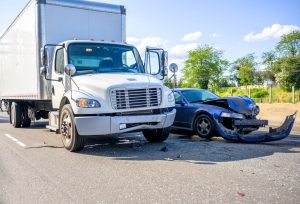
A commercial truck collision can develop from more than one decision or mechanical problem. Driver behavior may be central, but fatigue, vehicle maintenance, cargo loading, carrier practices, roadway conditions, and the actions of other motorists can also shape the sequence leading to impact. Determining responsibility therefore requires looking beyond the final few seconds of the crash.
For someone evaluating a claim with a Cicero truck accident attorney, the investigation may involve records that do not exist in an ordinary passenger-car case, including electronic logging data, driver qualification files, inspection records, maintenance documents, and cargo information. Asking the right questions can help identify which people or businesses require closer examination.
1. What Was the Truck Driver Doing Before the Collision?
The investigation often begins with the driver’s actions. Speed, following distance, lane changes, turns, braking, distraction, and compliance with traffic controls can all help explain how the collision developed. Police reports, witness accounts, dash-camera footage, photographs, and physical evidence from the scene may provide information about those actions.
Electronic records can add another layer. FMCSA explains that electronic logging devices automatically record certain information, including date, time, location, engine hours, vehicle miles, and identifying information for the driver, vehicle, and motor carrier. Depending on the issue being investigated, these records can help establish a timeline surrounding the trip.
2. Had the Driver Been on Duty Too Long?
Fatigue may become relevant when a driver had been working or driving for an extended period. Federal hours-of-service rules limit how long many interstate commercial drivers may drive and remain on duty. For property-carrying drivers, FMCSA generally allows up to 11 hours of driving after 10 consecutive hours off duty and prohibits driving beyond the 14th consecutive hour after coming on duty.
ELDs are designed to record driving time and support hours-of-service recordkeeping. Reviewing logs alongside dispatch messages, fuel receipts, delivery records, and other time-stamped information can help show how the driver’s trip unfolded and whether scheduling or operational demands deserve further examination.
3. Was the Truck Properly Inspected and Maintained?
A crash involving brake trouble, tire failure, steering problems, lighting defects, or another mechanical issue raises questions about the truck’s condition before impact. Federal regulations require covered motor carriers to systematically inspect, repair, and maintain vehicles under their control and to keep parts and accessories affecting safe operation in proper condition.
Maintenance records can show what work was scheduled, what repairs were performed, and whether defects had previously been reported. Investigators may also examine driver vehicle inspection reports, repair invoices, annual inspection materials, and records identifying the business responsible for maintaining or leasing the truck.
4. Was the Driver Properly Qualified for the Job?
Commercial motor carriers have federal responsibilities concerning driver qualification. FMCSA requires carriers subject to Part 391 to maintain qualification files for employed drivers. Required records can include the driver’s employment application, motor vehicle record information, road-test documentation or an accepted equivalent, and records connected with review of the driver’s driving history.
Those files can help answer whether the carrier completed required qualification steps and what information was available before the driver was assigned to operate a commercial vehicle. Licensing, endorsements, medical qualification, training requirements, and prior driving information may also become relevant depending on the vehicle and circumstances.
5. Was the Cargo Loaded and Secured Correctly?
Cargo can affect how a commercial vehicle handles, particularly when a load shifts during braking, cornering, or another maneuver. FMCSA’s cargo-securement rules require covered cargo to be immobilized or secured using appropriate structures, dunnage, tiedowns, blocking, bracing, or other approved methods so that it does not improperly shift or fall from the vehicle.
If load movement may have contributed to the crash, the investigation can extend beyond the driver. Bills of lading, loading records, photographs, weight information, securement equipment, and contracts may help identify who loaded or secured the freight and whether another company participated in preparing the shipment.
6. Did Carrier Decisions Contribute to the Crash?
The driver operates the truck, but the motor carrier can influence the conditions under which the trip occurs. Dispatch instructions, route assignments, delivery schedules, vehicle assignments, safety policies, and communications with the driver may provide context about decisions made before the collision.
Federal rules place numerous safety responsibilities on motor carriers, including requirements concerning qualified drivers, hours-of-service records, and vehicle inspection and maintenance. When evidence points to a broader operational problem rather than an isolated driving error, carrier records can help determine whether responsibility extends beyond the person behind the wheel.
7. Did Another Road User or Outside Condition Contribute?
Not every truck crash has a single cause. A passenger vehicle may make an unsafe maneuver, several vehicles may become involved, or weather, construction, sight restrictions, or roadway conditions may influence the sequence. Scene photographs, traffic-camera footage, witness statements, vehicle damage patterns, and roadway measurements can help separate each participant’s actions.
Shared responsibility also matters under Illinois law. Under 735 ILCS 5/2-1116, a plaintiff whose contributory fault is more than 50 percent of the proximate cause is barred from recovery; when the plaintiff’s fault is 50 percent or less, recoverable damages are reduced by that percentage. Determining each party’s contribution therefore requires evidence rather than assumptions.
A Truck Crash Investigation Often Extends Beyond the Driver
After a commercial truck collision, the main question is often not just, “Who caused the accident?” A thorough investigation should identify what the driver was doing, how long they had worked, if the vehicle was maintained properly, if the driver was qualified, how the cargo was secured, and what decisions the trucking company made.
These factors can help determine if one party is fully responsible or if multiple parties share the blame. It’s essential to gather trucking records, physical evidence, electronic data, witness statements, and road details early, as this information can change after the accident.