How Many Ounces in a Cup: A Comprehensive Guide
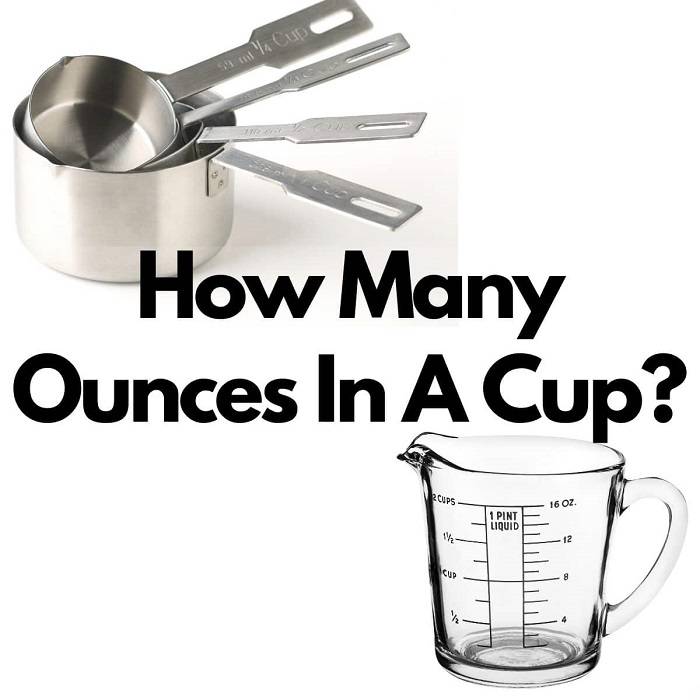
How many ounces in a cup is a fundamental question for anyone cooking or baking, as precise measurements are key to perfect recipes. In the United States, a standard cup equals 8 fluid ounces for liquids and varies for dry ingredients depending on their density. Understanding ounces per cup conversion is essential for both novice and seasoned cooks, ensuring dishes turn out as intended.
With variations between liquid ounces in a cup and dry ounces in a cup, plus differences in measurement systems globally, mastering these conversions can elevate your culinary skills.
Understanding the Basics of Cup Measurements
A cup is a standard unit of volume in the U.S. customary system, widely used in recipes for both liquid and dry ingredients. The question how many oz in a cup has a straightforward answer for liquids: one US cup to ounces equals 8 fluid ounces. This applies to water, milk, oil, or any liquid measured in a standard measuring cup ounces. For dry ingredients, the answer is more complex, as the weight in ounces depends on the ingredient’s density. For example, a cup of flour weighs about 4.5 ounces, while a cup of sugar weighs around 7 ounces.

The U.S. cup is defined as 8 fluid ounces or approximately 236.6 milliliters. This differs from the metric cup (250 ml) used in countries like Australia or Canada, which can cause confusion. Knowing the oz in a standard cup is crucial for accurate recipe execution, especially when scaling up or down. Most U.S. kitchens rely on this standard, making it the foundation for kitchen conversion cups to ounces.
Liquid vs. Dry Measurements: Key Differences
When tackling how many ounces in a cup, distinguishing between liquid ounces in a cup and dry ounces in a cup is critical. Liquid measurements are straightforward—one cup equals 8 fluid ounces per cup, regardless of the liquid’s type. This consistency comes from the volume-based nature of fluid ounces, designed for measuring liquids like broth, juice, or cream.
Dry measurements, however, depend on weight. A measuring cup ounces filled with dry ingredients like flour, sugar, or oats will weigh differently due to varying densities. For instance:
- All-purpose flour: ~4.5 ounces per cup
- Granulated sugar: ~7 ounces per cup
- Brown sugar (packed): ~7.5 ounces per cup
- Rolled oats: ~3 ounces per cup
This variability means baking measurements cup to oz require precision, often using a kitchen scale for accuracy. Misjudging dry ounces in a cup can lead to dense cakes or crumbly cookies, so understanding ingredient-specific weights is essential for consistent results.
U.S. vs. International Cup Measurements
The US cup to ounces standard differs from international systems, which impacts how to convert cups to ounces. In the U.S., a cup is 8 fluid ounces or 236.6 ml, rooted in the customary system. In contrast, countries like Australia use a metric cup of 250 ml, equivalent to about 8.45 fluid ounces. This slight difference can affect recipe outcomes, especially in baking, where precision is paramount.
For example, a U.S. recipe calling for 1 cup of milk expects 8 fluid ounces per cup, while an Australian recipe might assume 8.45 ounces. When using international recipes, a cup to ounce chart can clarify conversions. Here’s a quick reference:
- U.S. cup: 8 fluid ounces (236.6 ml)
- Metric cup: 8.45 fluid ounces (250 ml)
- U.K. imperial cup (older system): ~10 fluid ounces (284 ml)
Understanding these differences ensures your cooking cup to oz conversions align with the recipe’s origin, avoiding errors in dishes like soups or pastries.
Tools for Accurate Cup to Ounce Conversion
To master how many ounces in a cup, the right tools are essential. A measuring cup ounces set is a kitchen staple, typically including cups for 1, ½, ⅓, and ¼ sizes. Liquid measuring cups have spouts and graduated markings for precise fluid ounces per cup, while dry measuring cups are designed for leveling off ingredients like flour or sugar.
A cup to oz converter tool, like a digital kitchen scale, is invaluable for dry ounces in a cup. Scales measure weight in ounces or grams, bypassing volume-based discrepancies. For example, scooping flour can compact it, yielding more than 4.5 ounces per cup, but weighing ensures accuracy. Conversion charts are another handy resource, providing quick references for common ingredients:
- Butter: 1 cup = 8 ounces
- Cocoa powder: 1 cup = 3 ounces
- Honey: 1 cup = 12 ounces
Using these tools simplifies kitchen conversion cups to ounces, ensuring your recipes are spot-on.
Converting Cups to Ounces for Cooking
In cooking cup to oz, flexibility often allows for slight variations, but precision still matters. For liquids, 1 cup equals how many ounces is always 8 fluid ounces, whether you’re making sauces, soups, or beverages. Measuring liquids is straightforward—fill a liquid measuring cup to the marked line, checking at eye level for accuracy.
For dry ingredients, how to convert cups to ounces depends on the recipe. Cooking recipes, like those for stews or casseroles, may tolerate minor inaccuracies, but weighing dry ingredients is still recommended. For example, a recipe calling for 2 cups of shredded cheese (about 8 ounces by weight) can vary if loosely packed, so a scale ensures consistency. When a scale isn’t available, fluff dry ingredients like flour before scooping to avoid compacting, which can skew oz in a standard cup.
Baking: Precision in Cup to Ounce Conversion
Baking measurements cup to oz demand exactness, as small errors can ruin textures or flavors. Baking relies on chemical reactions, like leavening, that require precise ratios. For liquids, 8 fluid ounces per cup remains constant—think milk or water for doughs. For dry ingredients, weight matters more than volume. A cup to ounce chart for baking staples includes:
- All-purpose flour: 4.5 ounces per cup
- Cake flour: 4 ounces per cup
- Granulated sugar: 7 ounces per cup
- Powdered sugar: 4 ounces per cup
Using a scale for dry ounces in a cup prevents issues like dense breads or flat cakes. For instance, 1 cup of packed brown sugar weighs 7.5 ounces, but if loosely packed, it might be closer to 6 ounces, affecting sweetness and moisture. When adapting recipes, a cup to oz converter app or chart ensures accuracy, especially for international recipes with different cup sizes.
Practical Tips for Measuring Cups to Ounces
Mastering how many ounces in a cup involves practical techniques to ensure accuracy:
- Use the Right Tools: Liquid measuring cups for fluid ounces per cup, dry cups for ingredients like flour, and a scale for precision.
- Level Dry Ingredients: Scrape a knife across the top of a dry measuring cup to ensure consistent oz in a standard cup.
- Fluff Before Measuring: Aerate flour or powdered sugar to avoid compacting, which can add extra ounces.
- Check Liquid at Eye Level: Pour liquids into a measuring cup and view at eye level to confirm 8 fluid ounces per cup.
- Weigh for Baking: Use a scale for baking measurements cup to oz, especially for flour, sugar, or butter.
- Account for Ingredient Density: Know that dry ounces in a cup vary—nuts weigh more than oats, for example.
- Use Conversion Charts: Keep a cup to ounce chart handy for quick reference in busy kitchens.
These tips streamline kitchen conversion cups to ounces, making cooking and baking more reliable.
Common Conversion Scenarios in the Kitchen
Everyday cooking and baking often involve how to convert cups to ounces in various scenarios. Here are examples:
- Soups and Sauces: A recipe calling for 3 cups of broth means 24 fluid ounces per cup. Use a liquid measuring cup for accuracy.
- Baking Cakes: If a cake needs 1.5 cups of flour (about 6.75 ounces), weigh the flour to avoid a dense texture.
- Smoothies: Blending 1 cup of yogurt (8 liquid ounces in a cup) with fruit requires a liquid measuring cup.
- Cookies: A recipe for 1 cup of butter (8 ounces by weight) needs precise measurement, as butter’s density matches its volume.
These scenarios highlight why understanding ounces per cup conversion is practical for daily cooking, ensuring consistent results across dishes.
International Considerations for Cup to Ounce Conversion
When working with global recipes, US cup to ounces conversions may not apply. The metric cup (250 ml) used in Australia or Canada is slightly larger than the U.S. cup (236.6 ml). For liquids, a metric cup equals about 8.45 fluid ounces, which can subtly affect outcomes. For dry ingredients, weight-based conversions are safer, as volume varies by ingredient.
For example, a U.K. recipe using an older imperial cup (10 fluid ounces) could throw off a U.S.-based cup to oz converter calculation. Always check the recipe’s origin and use a cup to ounce chart to adjust. Converting to grams (1 U.S. cup = 236.6 grams for water) can also bridge international differences, especially for baking.
Technology and Apps for Easy Conversions
In 2025, technology simplifies how to convert cups to ounces. Kitchen apps like Yummly or Paprika include built-in cup to oz converter tools, letting you input ingredients and get instant ounce equivalents. Smart scales with Bluetooth connectivity display weights in ounces or grams, syncing with recipe apps for seamless kitchen conversion cups to ounces. Voice-activated assistants can also provide quick answers to “how many oz in a cup” or ingredient-specific conversions.
For those without tech, a laminated cup to ounce chart in the kitchen is a low-cost solution. These tools save time, especially when scaling recipes or adapting international dishes, ensuring your cooking cup to oz measurements are precise.
Common Mistakes and How to Avoid Them
Missteps in how many ounces in a cup can derail recipes. Common errors include:
- Confusing Liquid and Dry Ounces: Using 8 fluid ounces per cup for dry ingredients like flour (4.5 ounces) leads to errors. Always weigh dry ingredients.
- Packing Incorrectly: Over-packing flour or brown sugar increases dry ounces in a cup, affecting texture. Fluff and level instead.
- Ignoring International Differences: Applying US cup to ounces to a metric recipe can skew ratios. Check the cup standard first.
- Eyeballing Measurements: Estimating oz in a standard cup instead of measuring leads to inconsistency. Use proper tools.
Avoid these by double-checking measurements, using a scale for baking measurements cup to oz, and referencing a cup to ounce chart for clarity.
FAQs About How Many Ounces in a Cup
- How many ounces are in a standard U.S. cup?
1 cup equals how many ounces is 8 fluid ounces for liquids and varies for dry ingredients, like 4.5 ounces for flour or 7 ounces for sugar. - Are liquid ounces in a cup different from dry ounces?
Yes, liquid ounces in a cup are always 8 fluid ounces, while dry ounces in a cup depend on the ingredient’s weight, like 4 ounces for cake flour. - How do I convert cups to ounces for baking?
For baking measurements cup to oz, use a scale to weigh dry ingredients (e.g., 1 cup flour = 4.5 ounces) and a liquid cup for 8 fluid ounces per cup. - What’s the easiest way to perform cup to oz conversion?
A cup to oz converter app or a cup to ounce chart provides quick conversions, with scales ensuring accuracy for dry ingredients. - Does a US cup to ounces differ from other countries?
Yes, US cup to ounces is 8 fluid ounces (236.6 ml), while a metric cup (250 ml) is about 8.45 ounces, impacting kitchen conversion cups to ounces. - How many ounces are in a cup of butter?
In cooking cup to oz, 1 cup of butter equals 8 ounces by weight, matching its volume due to its density. - Can I use a measuring cup for both liquid and dry ounces?
Yes, but use a liquid measuring cup ounces for fluid ounces per cup and a dry cup for dry ounces in a cup, leveling off for accuracy.
Conclusion on How Many Ounces in a Cup
How many ounces in a cup is a cornerstone of culinary precision, with 8 fluid ounces per cup for liquids and varying weights for dry ingredients like flour (4.5 ounces) or sugar (7 ounces). Mastering ounces per cup conversion ensures flawless cooking and baking, whether you’re whipping up a soup or crafting a delicate cake.
Tools like measuring cup ounces, scales, and cup to ounce charts simplify kitchen conversion cups to ounces, while understanding differences between liquid ounces in a cup and dry ounces in a cup avoids common pitfalls. In 2025, with technology aiding conversions and global recipes at your fingertips, knowing how to convert cups to ounces empowers you to create consistent, delicious results, making every dish a success.