Tablespoons to Cups: A Comprehensive Conversion Guide

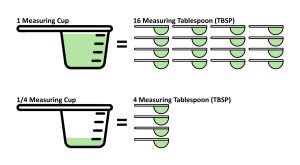
Tablespoons to cups conversion is a fundamental skill for anyone cooking or baking, ensuring precise measurements for recipes. One cup equals exactly 16 tablespoons in the U.S. customary system, making this conversion straightforward yet essential for achieving consistent results in the kitchen.
Whether you’re preparing a small batch of cookies or a large pot of soup, understanding how many tablespoons in a cup allows you to measure ingredients accurately, even without specialized tools.
The Basics of Tablespoons and Cups
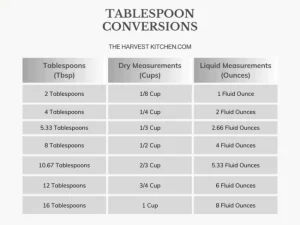
In the U.S., a tablespoon is a standard unit of volume equal to 0.5 fluid ounces, while a cup is 8 fluid ounces. This means 1 cup equals how many tablespoons is 16, as 8 ounces divided by 0.5 ounces per tablespoon gives 16 tablespoons. This conversion applies to both liquid and dry ingredients, making it versatile for various recipes.
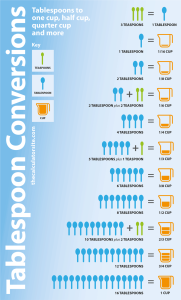
The convert tablespoons to cups process involves dividing the number of tablespoons by 16. For example, 32 tablespoons equal 2 cups (32 ÷ 16 = 2), and 8 tablespoons equal 0.5 cups (8 ÷ 16 = 0.5). This simple math is crucial for scaling recipes or substituting measuring tools when a cup measure isn’t available.
Why Conversion Accuracy Matters
Cooking measurement tablespoons to cups is vital for maintaining the balance of ingredients in recipes. In baking, where precision is critical, an incorrect measurement of flour, sugar, or butter can alter the texture or flavor of the final product. For instance, a cake recipe requiring 1 cup of flour (16 tablespoons) will yield different results if only 12 tablespoons are used, leading to a denser or drier cake.
In cooking, such as preparing sauces or soups, kitchen conversion tbsp to cups ensures proper seasoning and consistency. A recipe calling for 0.25 cups of soy sauce can be measured as 4 tablespoons (0.25 × 16 = 4), making it easier to use a tablespoon measure if a quarter-cup tool is unavailable. Accurate conversions prevent over- or under-seasoning, preserving the dish’s intended flavor.
Liquid vs. Dry Measurements
Liquid tablespoons to cups conversions are straightforward, as liquids like water, milk, or oil have consistent volumes. One cup of liquid is always 16 tablespoons, regardless of the ingredient. For example, measuring 1 cup of broth for a stew can be done with 16 level tablespoons if a cup measure isn’t handy.
Dry tablespoons to cups conversion follows the same rule (16 tablespoons per cup), but the weight varies depending on the ingredient’s density. For instance, 1 cup of granulated sugar (16 tablespoons) weighs about 7 ounces, while 1 cup of all-purpose flour weighs around 4.5 ounces.
This distinction is important in baking, where weight-based measurements may be preferred for precision. When measuring dry ingredients, level off the tablespoon to avoid packing errors, ensuring the cups from tablespoons math is accurate.
Practical Applications in the Kitchen
Tablespoons into cups calculator conversions are useful in everyday cooking scenarios. For example, a pancake recipe calling for 2 cups of flour can be measured as 32 tablespoons (2 × 16 = 32) if you only have a tablespoon measure. Similarly, a salad dressing recipe requiring 0.75 cups of olive oil translates to 12 tablespoons (0.75 × 16 = 12), making it easy to measure with a tablespoon.
When scaling recipes, tbsp to cups conversion chart knowledge is invaluable. Doubling a recipe that uses 0.5 cups of butter (8 tablespoons) means measuring 1 cup or 16 tablespoons for the doubled batch. Halving a recipe calling for 1 cup of milk requires 0.5 cups or 8 tablespoons. These conversions ensure the recipe’s proportions remain consistent, whether serving a small family or a large crowd.
Tools for Accurate Measurement
To perform convert tablespoons to cups, standard kitchen tools are essential. A set of measuring spoons, including a tablespoon, ensures precise measurements. A liquid measuring cup, marked with cup and ounce increments, can verify tablespoon measurements (1 cup = 16 tablespoons). For dry ingredients, a dry measuring cup allows for leveling off, ensuring accuracy.
If you lack a cup measure, how many tablespoons in a cup (16) becomes your guide. Use a tablespoon to measure out 16 level scoops for 1 cup. For greater precision, a digital kitchen scale can measure ingredients by weight, especially for dry goods, but the volume conversion remains 16 tablespoons per cup. Always measure liquids at eye level and level off dry ingredients to avoid errors.
Variations in Measurement Systems
The tablespoons to cups conversion is based on the U.S. customary system, where 1 cup is 8 fluid ounces and 1 tablespoon is 0.5 fluid ounces. However, other countries use different systems.
In the metric system, 1 cup is approximately 250 millilitres, and 1 tablespoon is about 15 millilitres, making 1 cup roughly 16.67 metric tablespoons. For simplicity, most recipes using metric measurements convert to cups and tablespoons using the U.S. standard, but it’s worth noting the slight difference when working with international recipes.
In the UK, the imperial system historically used a slightly different tablespoon (about 17.7 millilitres), but modern UK recipes often adopt the U.S. standard for consistency. Always check the recipe’s origin to confirm whether it uses U.S. or metric measurements for accurate kitchen conversion tbsp to cups.
Tablespoons to Cups Conversion Chart
A tbsp to cups conversion chart simplifies measurements for common quantities:
- 1 tablespoon = 0.0625 cups
- 4 tablespoons = 0.25 cups
- 8 tablespoons = 0.5 cups
- 12 tablespoons = 0.75 cups
- 16 tablespoons = 1 cup
- 24 tablespoons = 1.5 cups
- 32 tablespoons = 2 cups
- 48 tablespoons = 3 cups
- 64 tablespoons = 4 cups
This chart is a quick reference for cups from tablespoons math, especially when measuring multiple cups or fractional amounts. For example, 10 tablespoons is 10 ÷ 16 = 0.625 cups, or slightly more than half a cup.
Tips for Accurate Conversion
To ensure precision in convert tablespoons to cups, follow these tips:
- Use Standard Tools: Invest in a set of measuring spoons and cups for consistent results.
- Level Measurements: For dry ingredients, level off tablespoons with a straight edge; for liquids, fill to the brim.
- Confirm Units: Verify whether the recipe uses U.S. or metric measurements to avoid errors.
- Practice with Water: Test conversions with water to get a feel for volumes (16 tablespoons = 1 cup).
- Double-Check Fractions: For fractional cups, multiply by 16 (e.g., 0.25 cups = 4 tablespoons).
These tips streamline the cooking measurement tablespoons to cups process, reducing the risk of mistakes.
Common Scenarios Requiring Conversion
Tablespoons to cups conversions are common in various cooking tasks. For instance, a cookie recipe requiring 0.5 cups of butter can be measured as 8 tablespoons if a cup measure isn’t available. In beverage preparation, a lemonade recipe calling for 1 cup of lemon juice translates to 16 tablespoons, making it easy to measure with a tablespoon.
In large-scale cooking, such as preparing soup for a crowd, 1 cup equals how many tablespoons helps when scaling up. A recipe for 10 servings using 2 cups of broth (32 tablespoons) can be tripled to 6 cups (96 tablespoons) for 30 servings. This ensures the dish remains consistent, whether cooked in small or large quantities.
Considerations for Baking vs. Cooking
In baking, dry tablespoons to cups conversion is critical due to the need for precision. For example, 1 cup of flour (16 tablespoons) must be measured accurately to avoid a dense or crumbly texture.
Sifting flour before measuring can affect volume, so spoon it into the tablespoon and level it off for consistency. For sticky ingredients like brown sugar, pack the tablespoon lightly unless the recipe specifies otherwise.
In cooking, liquid tablespoons to cups is more forgiving, as slight variations in liquids like broth or oil rarely ruin a dish. However, for sauces or dressings where balance is key, precise measurements (e.g., 0.25 cups of vinegar = 4 tablespoons) ensure the intended flavor profile.
Scaling Recipes with Confidence
Kitchen conversion tbsp to cups is essential when adjusting recipe sizes. A muffin recipe for 12 servings using 1 cup of milk (16 tablespoons) can be doubled to 2 cups (32 tablespoons) for 24 servings. Conversely, halving a recipe calling for 0.75 cups of sugar means using 12 tablespoons (0.75 × 16 = 12). These calculations maintain the recipe’s integrity, ensuring consistent results.
In professional kitchens, tablespoons to cups conversions streamline bulk preparation. A restaurant making a large batch of marinara sauce might need 4 cups of tomato puree, or 64 tablespoons, to serve multiple tables. Accurate conversions ensure cost-efficiency and quality, especially when measuring expensive ingredients like olive oil or spices.
FAQs About Tablespoons to Cups Conversion
1. How many tablespoons are in 1 cup?
One U.S. cup equals 16 tablespoons.
2. Does the tablespoons to cups conversion differ for liquid and dry ingredients?
The volume conversion is the same (16 tablespoons per cup), but the weight varies based on the ingredient’s density.
3. How do I measure 1 cup without a cup measure?
Use 16 level tablespoons to equal 1 cup, ensuring accuracy with a standard tablespoon.
4. Is the conversion different in metric systems?
Yes, a metric cup (250 millilitres) is about 16.67 metric tablespoons (15 millilitres each), slightly different from the U.S. standard.
5. Why is knowing tablespoons to cups useful in cooking?
It allows precise measurements when scaling recipes or when a cup measure isn’t available.
6. How do I convert 10 tablespoons to cups?
Divide 10 by 16 to get 0.625 cups, or slightly more than half a cup.
7. Can I use a tablespoon for both liquid and dry ingredients?
Yes, but ensure level measurements for dry ingredients and full tablespoons for liquids to maintain accuracy.
Conclusion of Tablespoons to Cups
Mastering tablespoons to cups conversion is a practical skill for anyone in the kitchen, from home cooks to professional chefs. With 1 cup equaling 16 tablespoons, this conversion simplifies measuring ingredients for recipes, whether you’re baking, cooking, or scaling quantities.
By understanding the nuances of liquid and dry measurements, using proper tools, and applying accurate conversion techniques, you can achieve consistent results in your culinary creations. Whether preparing a small meal or a large feast, knowing how many tablespoons in a cup empowers you to measure with confidence and precision.