Understanding Gastric Sleeve Surgery: Key Insights into the Procedure and Its Benefits
Introduction
In the battle against obesity, gastric sleeve surgery has become a highly effective and popular option. This minimally invasive procedure helps individuals achieve significant weight loss and improve overall health by permanently reducing the size of the stomach. In this article, we’ll break down the gastric sleeve procedure, its benefits, potential risks, and who is a suitable candidate for this life-changing surgery.
What is Gastric Sleeve Surgery?
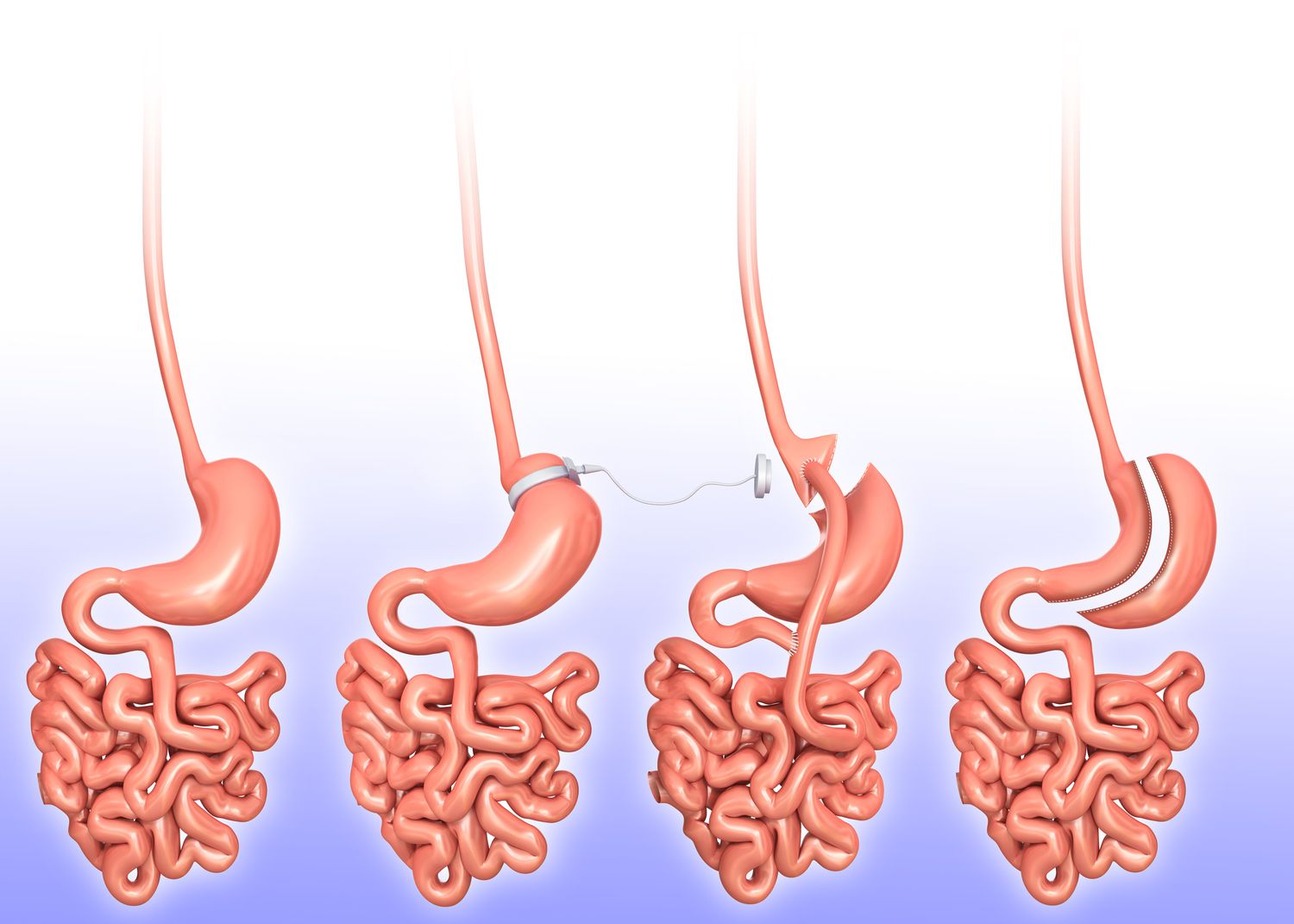
Gastric sleeve surgery, also known as sleeve gastrectomy, is a bariatric weight loss procedure that involves removing a large portion of the stomach. This leaves behind a smaller, sleeve-shaped stomach, which can hold much less food than the original stomach. The surgery not only restricts food intake but also has an impact on hunger hormones, reducing appetite.
Unlike other weight loss surgeries such as gastric bypass, gastric sleeve surgery does not reroute the digestive system. It focuses solely on reducing the stomach’s size, making it a less complicated procedure and allowing the digestive system to function normally.
How Does Gastric Sleeve Surgery Work?
The Surgical Process
During gastric sleeve surgery, a surgeon removes about 75% of the stomach, leaving a small tube-like structure that resembles a banana. This smaller stomach can only hold a fraction of the food it once did, which limits calorie intake. The procedure is performed laparoscopically, meaning small incisions are made in the abdomen through which a camera and surgical instruments are inserted.
The surgery typically lasts 1–2 hours, and patients usually stay in the hospital for 1–2 days after the procedure.
Post-Surgery Effect
The reduced stomach size means patients feel full after eating smaller portions of food, leading to significant weight loss over time. Additionally, the surgery alters the production of hormones like ghrelin (the hunger hormone), further helping reduce cravings and promoting long-term weight management.
Benefits of Gastric Sleeve Surgery
1. Significant Weight Loss
The primary benefit of gastric sleeve surgery is the substantial weight loss it offers. On average, patients lose between 60% and 70% of their excess weight within the first year following the procedure. The weight loss is often sustained, especially when combined with regular exercise and a healthy diet.
2. Improvement in Obesity-Related Health Conditions
Along with weight loss, gastric sleeve surgery can help resolve or improve obesity-related health conditions, such as:
- Type 2 diabetes
- High blood pressure
- Sleep apnea
- Joint pain
- Heart disease
Patients who undergo gastric sleeve surgery often experience better mobility, increased energy levels, and improved overall health after losing excess weight.
3. Minimally Invasive Procedure
Compared to traditional weight loss surgeries, gastric sleeve surgery is minimally invasive, meaning it requires only small incisions, resulting in a quicker recovery time and less scarring. This allows most patients to return to normal activities within 1–2 weeks after the surgery.
4. Preservation of Nutrient Absorption
Unlike gastric bypass, which reroutes the intestines and can affect nutrient absorption, gastric sleeve surgery preserves the digestive tract’s normal function. This means the stomach still absorbs nutrients from food, although patients are typically advised to take vitamin supplements post-surgery to ensure they meet nutritional requirements.
Who is a Good Candidate for Gastric Sleeve Surgery?
Eligibility Criteria
Ideal candidates for gastric sleeve surgery generally have:
- A Body Mass Index (BMI) of 40 or higher, or a BMI of 35 or higher with obesity-related health conditions such as diabetes, hypertension, or sleep apnea.
- A history of unsuccessful weight loss attempts through diet, exercise, or lifestyle changes.
- A commitment to long-term lifestyle changes, including dietary modifications and regular physical activity.
Psychological Readiness
Being mentally prepared for the changes associated with gastric sleeve surgery is also crucial. Patients must be willing to adopt new eating habits, exercise regularly, and make permanent changes to their lifestyle. Psychological counseling is often recommended to ensure patients are emotionally prepared for the surgery and the long-term commitment to weight loss.
Risks and Potential Complications of Gastric Sleeve Surgery
While gastric sleeve surgery is generally safe, as with any surgery, there are potential risks involved. These include:
- Infection
- Bleeding
- Nutritional deficiencies (especially if the recommended post-surgery diet isn’t followed)
- Leaks from the stomach sleeve
- Gastroesophageal reflux disease (GERD)
Patients are typically provided with clear instructions on how to avoid complications, such as following a healthy eating plan, taking vitamins, and attending follow-up appointments with their healthcare provider.
Gastric Sleeve vs. Gastric Bypass: What’s the Difference?
Both gastric sleeve and gastric bypass surgeries are highly effective weight loss surgeries, but they differ in terms of approach.
- Gastric sleeve removes a portion of the stomach, leaving a smaller stomach pouch, but it does not reroute the intestines.
- Gastric bypass, on the other hand, involves both reducing the stomach size and rerouting the small intestine, which alters the way food is absorbed.
While gastric bypass can lead to more dramatic weight loss and improvements in obesity-related conditions, it’s a more complex procedure with a longer recovery time. Gastric sleeve surgery, on the other hand, is simpler, less invasive, and has a shorter recovery time, although it may result in slightly slower weight loss.
What to Expect After Gastric Sleeve Surgery
Recovery Process
Most patients experience a quick recovery after gastric sleeve surgery due to its minimally invasive nature. Hospital stays typically last 1–2 days, and patients can usually return to work after 1–2 weeks. For the first few weeks, patients will follow a liquid or pureed food diet before gradually transitioning to solid foods.
Dietary Changes
Following surgery, patients need to adhere to a specific diet plan. Eating smaller portions and avoiding high-calorie foods are essential for achieving and maintaining weight loss. Regular follow-up visits with a healthcare provider will ensure that patients are meeting their nutritional needs and losing weight in a healthy way.
Conclusion
Gastric sleeve surgery is a highly effective and minimally invasive weight loss procedure that offers significant, long-term benefits. It helps individuals lose a substantial amount of weight, improve their overall health, and reduce or resolve obesity-related health conditions. If you’re considering gastric sleeve surgery, consult with a qualified bariatric surgeon to determine if this procedure is right for you and take the first step toward achieving a healthier, more fulfilling life.