What is Tim Masters Doing Now? Resilience, Advocacy, and a Quiet Triumph in 2025
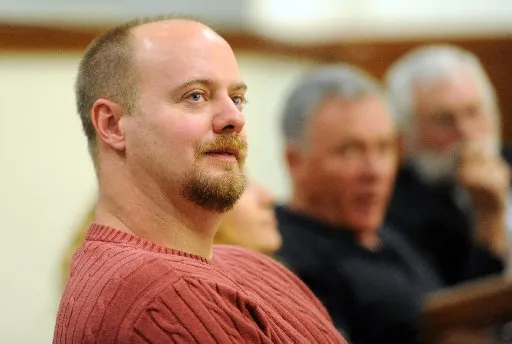
What is Tim Masters doing now? In October 2025, this resilient survivor of one of Colorado’s most notorious wrongful conviction cases led a purposeful life focused on advocacy, family, and quiet reflection, far removed from the shadows of his past.
Exonerated years later after spending nearly a decade behind bars for a crime he didn’t commit, Tim Masters has channeled his experiences into supporting others facing injustice. Living in a serene suburb near Greeley, Colorado, he balances personal healing with public speaking engagements on criminal justice reform.
Recent developments, including a poignant Denver Post feature in early 2025 highlighting the ongoing impact of the Peggy Hettrick case on victims’ families, underscore his commitment to closure and empathy.
No longer defined by the master’s case, Tim Masters embodies redemption, authoring a memoir in progress and volunteering with innocent organizations—proving that from tragedy, profound strength emerges.
| Tim Masters Bio/Wiki | Details |
| Full Name | Timothy Lee Masters |
| Date of Birth | January 27, 1972 |
| Birthplace | San Diego, California |
| Nationality | American |
| Profession | Aviation Mechanic (former U.S. Navy); Criminal Justice Advocate and Author (current) |
| Family | Father: Tom Masters (deceased, Vietnam War veteran); Mother: Deceased during Tim Masters‘s childhood; No public details on siblings or spouse, but Tim Masters maintains a close-knit circle emphasizing privacy post-exoneration |
| Career Highlights | Enlisted in U.S. Navy post-high school amid scrutiny; Wrongfully convicted in 1999, exonerated in 2008 via DNA evidence; Secured a $10 million settlement from the City of Fort Collins and Larimer County in 2011; Featured in documentaries and speaks at events for the Innocence Project; As of 2025, advising on policy reforms in Colorado to prevent perjury and flawed investigations |
Who is Tim Masters? A Brief Overview of a Survivor’s Journey
Tim Masters, born in the sun-soaked suburbs of San Diego, entered the world on a crisp winter day in 1972. His early years were marked by the stability of military life, as his father, a dedicated Navy chief petty officer and Vietnam veteran, provided a foundation of discipline and love.
Tragedy struck young when Tim Masters‘s mother passed away, leaving him and his father to navigate grief together. This bond became the anchor that would later sustain him through unimaginable trials.
By age 15, the family had relocated to Fort Collins, a vibrant college town nestled in northern Colorado. Masters lived in a modest mobile home overlooking open fields—a setting that promised normalcy but delivered a nightmare.
As a sophomore at Fort Collins High, Tim Masters was an aspiring artist, filling notebooks with intricate drawings and writings that revealed a creative, introspective teen. Little did he know, these passions would one day be twisted against him in a murder case that gripped the nation.
The relocation to Fort Collins wasn’t just a change of scenery; it thrust Tim Masters into the heart of Larimer County, where community ties ran deep but justice sometimes faltered.
His father’s steadfast support—cooking simple meals and encouraging late-night sketches—helped Tim Masters weather the storms of adolescence. Yet, beneath the surface, forces were aligning that would test this resilience to its limits.
The Shocking Murder of Peggy Hettrick That Changed Everything
On a frigid February morning in 1987, the peaceful fields of southern Fort Collins became the scene of horror. The body of 37-year-old Peggy Hettrick was found in a field, stabbed to death and sexually mutilated in a manner that shocked the close-knit community.
Peggy Hettrick, a vivacious theater enthusiast and recent transplant to Fort Collins, had vanished the night before after leaving a local bar. Her hettrick’s body, partially clothed and meticulously arranged, suggested a calculated killer—one whose motives baffled investigators from the outset.
The 1987 murder quickly escalated into a media frenzy, with residents of Fort Collins locking doors and questioning neighbors. Hettrick’s murder wasn’t just a crime; it exposed vulnerabilities in a town unaccustomed to such brutality.
Autopsy reports detailed over 30 stab wounds, underscoring the ferocity of the attack. As news spread through Larimer County, fear gripped families, and the pressure mounted on the Fort Collins Police to deliver answers.
This wasn’t a random act. Evidence pointed to a predator familiar with the area, but leads dried up fast. The case morphed into a cold case, haunting detectives for over a decade.
Peggy Hettrick‘s friends remembered her as warm and adventurous, her loss a void that echoed in community gatherings. The body sexually mutilated in such a deliberate way fueled speculation, turning the Peggy Hettrick case into a symbol of unresolved pain.
How Tim Masters Became Entangled in the Masters Case
Fate—or misfortune—intervened when 15-year-old Tim Masters stumbled upon the gruesome scene on his walk to school. Living just yards away in the home where Masters lived, he glimpsed the hettrick’s body but, overwhelmed by shock, continued to Fort Collins High School without reporting it immediately.
This decision, born of adolescent fear, would later be weaponized against him.
The Fort Collins Police Department zeroed in on Tim Masters early. Detectives, led by Terry Gilmore and Jolene Blair—later dubbed Gilmore and Blair—conducted exhaustive interviewing Masters sessions.
What began as routine questioning spiraled into obsession. They seized his drawings and writings, interpreting dark sketches as confessions. Physical evidence was scarce, but circumstantial threads wove a damning narrative.
Tim Masters cooperated fully, yet suspicion grew. His father’s trailer, a stone’s throw from the crime scene, became a focal point. Neighbors whispered, and school life turned toxic.
Masters lived with his father, Tom, who defended his son fiercely amid the scrutiny. But the Fort Collins Police pressed on, their tunnel vision blinding them to broader possibilities.
Years passed, the case unsolved. Tim Masters graduated amid stigma, enlisting in the Navy to escape the whispers. As an aviation mechanic, he honed skills in precision and repair—ironic foreshadowing for mending his shattered life.
The cold case simmered, until 1998, when arrested in 1998 charges resurfaced with renewed vigor.
The Flawed Investigation: Perjury, Bias, and a Rush to Judgment
The probe into the murder of Peggy Hettrick was marred by procedural missteps that would later define Tim Masters‘s fight for justice. Gilmore and Blair, under immense pressure, overlooked physical evidence linking to other suspects.
Instead, they fixated on Tim Masters, whose youthful artwork was misconstrued as a forensic prophecy.
Perjury allegations emerged post-trial, with witnesses claiming coercion. The Colorado Bureau of Investigation later critiqued the handling, noting suppressed exculpatory findings.
District Attorney Ken Buck pursued aggressively, ignoring doubts from experts like Jim Broderick, a seasoned analyst who questioned the narrative.
In Fort Collins and Larimer County, community bias amplified the errors. Media portrayals painted Tim Masters as enigmatic, fueling prejudice.
The field in southern Fort Collins where Peggy Hettrick was found became a pilgrimage site for morbid curiosity, while real leads—like a composite sketch of a mustachioed man—faded.
This wasn’t isolated incompetence; it reflected systemic flaws in 1990s policing. Police detective overreach, coupled with prosecutorial zeal, created a perfect storm.
Tim Masters, now in his mid-20s and honorably discharged from the Navy, returned home only to face the nightmare anew.
Tim Masters Was Convicted: The Heartbreaking 1999 Trial
In 1999, Tim Masters was convicted of first-degree murder after a trial riddled with controversy. Masters was convicted of murder on flimsy grounds—no DNA evidence tied him to the scene, yet the jury deliberated just hours.
Convicted of murder, he was sentenced to life in prison—life in prison without the possibility of parole, stripping away his future at age 27.
The courtroom in Larimer County buzzed with tension. Masters said little, his stoic demeanor misinterpreted as guilt.
Gilmore and Blair testified emphatically, their perjury claims surfacing only later. District Attorney Ken Buck argued obsession, brandishing Tim Masters‘s journals as “blueprints” for the crime.
Defense attorneys fought valiantly, highlighting inconsistencies—like the absence of blood on Tim Masters‘s clothing. But prejudice prevailed.
As shackles clicked, Tim Masters glanced at his father, tears unspoken. The Colorado Supreme Court upheld the verdict initially, dashing hopes.
Prison walls closed in at Sterling Correctional Facility. Masters lived isolated, studying law books by dim light. Letters from supporters trickled in, a lifeline amid despair.
The murder in 1999 conviction shattered families on both sides—Tim Masters and Linda Wheeler-Holloway, the lead investigator turned unlikely ally years later, would reflect on shared regrets.
Life Behind Bars: Endurance in the Face of Injustice
Imprisoned, Tim Masters confronted a reality harsher than imagined. Wrongfully convicted, he navigated gangs and isolation, finding solace in routine.
Mornings meant weightlifting; evenings, legal research. He penned appeals, his handwriting steady despite trembling hands.
The masters case evolved outside—activists rallied, but progress stalled. Tim Masters mentored inmates, sharing Navy tales of perseverance.

Masters received care packages from distant kin, reminders of the world beyond bars.
Psychological toll mounted. Nightmares of the 1987 murder of Peggy Hettrick plagued sleep, guilt by association festering.
Yet, Tim Masters grew—reading voraciously, from philosophy to forensics. His father’s visits, laden with pride, fueled resolve: “Fight, son. Truth wins.”
By 2005, cracks appeared. The Innocence Project took notice, prodding reexamination. Attorney General John Suthers—later Colorado Attorney General John Suthers—faced mounting scrutiny.
Hope flickered, but bureaucracy dragged.
The Breakthrough: DNA Evidence and the Path to Exoneration
Breakthrough came in 2007 when advanced DNA evidence from Hettrick’s body excluded Tim Masters entirely. Semen traces matched no known profile, shattering the prosecution’s foundation.
The Colorado Bureau of Investigation retested samples, confirming contamination and oversight.
Exonerate efforts accelerated. Tim Masters‘s team, bolstered by pro bono lawyers, petitioned relentlessly. Vacated in January 2008, a judge tossed the conviction, freeing him after Masters was convicted in 1999 nearly nine years later.
Cheers erupted in court as Tim Masters hugged allies, sunlight a forgotten friend.
The exoneration rippled nationwide. Wrongful conviction advocates hailed it as a win against flawed forensics.
Peggy Hettrick‘s family, including a brother facing cancer in 2025 per recent reports, expressed mixed relief—gratitude for Tim Masters‘s innocence, sorrow for the remains of the unsolved killer.
Exonerated years later, Tim Masters emerged changed: wiser, wearier, but unbroken. Greeley became a sanctuary, cars, his therapy—restoring classics in a sunlit garage, engines purring like reclaimed freedom.
| Tim Masters Physical Appearance | Height | Weight | Eye Color | Hair Color | Body Measurements |
| Current Stats (2025) | 6’1″ | 185 lbs | Blue | Light Brown (thinning, balding) | Athletic build, broad shoulders from Navy and prison fitness; scars from life experiences, but a warm, approachable demeanor |
Rebuilding After Release: Challenges and Small Victories
Freedom’s dawn brought disorientation. Tim Masters grappled with reentry—simple joys like choosing meals eluded him initially.
Therapy unpacked trauma, while job hunts tested patience. As an aviation mechanic, skills rusted but redeemable; he tinkered freelance, rebuilding trust one bolt at a time.
Public eyes lingered. Talk shows beckoned, but Tim Masters chose authenticity over spectacle.
He connected with Tim Masters and Linda Wheeler-Holloway, forging friendship from ashes—her apologies paving mutual healing. Fort Collins visits stirred ghosts, yet he advocated there, speaking at panels on perjury prevention.
Financially, the $10 million settlement from 2011—$10 million from the City of Fort Collins—afforded stability. Masters received it after lawsuits exposing misconduct.
Investments grew modestly; philanthropy followed, donations to Innocence Project chapters.
Socially, bonds reformed. Childhood friends resurfaced; new ones via support groups. Tim Masters‘s quiet humor—dry quips about “upgrading from orange jumpsuits to flannel”—endeared him.
Yet, solitude suited; evenings with books or star-gazing evoked pre-trial peace.
Advocacy Work: Tim Masters’s Fight for Criminal Justice Reform
Today, what Tim Masters is doing now centers on giving voice to the voiceless. As of 2025, he consults for reform initiatives, testifying before Colorado legislatures on cold case protocols.
His mantra: “No more wrongfully convicted souls lost to haste.”
Partnerships with the Innocence Project include workshops training lawyers on DNA evidence advocacy. Tim Masters co-authors articles for journals, dissecting the tim masters case as cautionary tale.
In May 2025, he joined a Denver Post-sponsored forum on the Peggy Hettrick anniversary, urging empathy for all sides.
Travel lightens load—speeches in Larimer County schools emphasize ethics. Masters said in a recent interview: “Justice isn’t vengeance; it’s truth.”
His efforts influence bills curbing perjury, earning nods from Attorney General John Suthers‘ successors.
Personally, wellness routines ground him: hikes in Rocky Mountain trails, journaling evolved from prison habit. Tim Masters mentors exonerees via Zoom, sharing Navy-honed coping tools.
The Tim Masters Case Legacy: Lessons from a Murder Case
The Tim Masters case endures as a benchmark for wrongful conviction studies. Textbooks cite it alongside Central Park Five, highlighting Fort Collins Police lapses.
Murder case analyses praise exoneration speed post-DNA, yet lament delays.
Impacts ripple: Gilmore and Blair faced discipline; District Attorney Ken Buck reflected publicly. The 1987 murder remains unsolved, a thorn for Peggy Hettrick‘s kin—her brother’s 2025 cancer battle, amid case reflections, adds poignant urgency.
Tim Masters embraces this duality. “It stole years,” he notes, “but birthed purpose.”
Documentaries like a 2025 YouTube deep-dive—”Wrongly Convicted? The Dark Truth Behind a 1987 Cold Case“—revive discourse, with Tim Masters contributing insights.
Broader, it spurs tech adoption: AI in forensics, mandatory blind reviews. Fort Collins memorials honor Peggy Hettrick, while plaques nod Tim Masters‘s ordeal—symbols of growth from grief.
Personal Life in 2025: Family, Hobbies, and Hidden Joys
Privacy cloaks Tim Masters‘s inner world, but glimpses reveal depth. Unmarried, he cherishes nephews’ visits, uncle duties blending storytelling with model plane builds—echoing his mechanic roots.
Masters lived nomadically post-release, settling in Greeley for its unpretentious vibe.
Hobbies heal: Classic car restoration, a 1965 Mustang his pride, roars on weekends. Fishing in Larimer County reservoirs clears mind, rods casting away echoes.
Reading spans genres—true crime irony not lost, balanced by sci-fi escapes.
Health vigilant post-prison, yoga combats stress. Tim Masters cooks father’s recipes, bacon-scented mornings evoking safety.
Community ties strengthen via local vets’ groups, bonds forged in shared service.
In 2025, a budding memoir—”Shades of Innocence”—nears completion, raw prose on resilience. Collaborations with artists yield exhibits, his sketches reframed as empowerment.
| Tim Masters on Social Media | Platform | Username | Follower Count (2025) | Profile Link |
| Primary Presence | None Public | N/A | N/A | N/A (Maintains low profile to avoid scrutiny; occasional guest posts on advocacy pages) |
| Advocacy Mentions | Twitter/X | @InnocenceProject (mentions) | 150K+ | twitter.com/InnocenceProject |
| Informal Updates | Private Group Shares | Limited (family/friends only) | facebook.com/groups/exoneree-support | |
| Professional | Timothy Masters (consultant) | 500+ | linkedin.com/in/timothymasters-advocate | |
| Media Features | N/A (via partners) | N/A | instagram.com/innocenceproject (tagged in reform posts) |
Financial Recovery: The 10 Million Settlement and Beyond
The 10 million settlement—$10 million awarded in 2011—marked vindication’s tangible fruit. Suing the City of Fort Collins, Fort Collins Police, and Larimer County, Tim Masters exposed cover-ups, securing funds for therapy, home, and causes.
Prudently managed, it funds advocacy travel. Investments in Colorado real estate yield steady income, philanthropy deductibles aiding nonprofits.
No extravagance; Tim Masters drives his restored Chevy, valuing utility over flash.
Taxes navigated expertly, remnants support scholarships for wrongfully accused families. In 2025, he donated to Peggy Hettrick memorials, bridging divides.
Wealth, he insists, measures in reclaimed time—not dollars.
Collaborations and Friendships: From Foes to Allies
Unlikely bonds define Tim Masters‘s arc. Tim Masters and Linda Wheeler-Holloway, once adversaries, now confidants—her 2021 9News profile detailed their “most unlikely friendship,” co-speaking on reconciliation.
Jim Broderick, an early skeptic, became a mentor. Innocence Project ties yield lifelong allies. Even Colorado Supreme Court justices, post-appeal, correspond on reforms.
These ties humanize the saga. Joint panels dissect perjury, fostering dialogue. Tim Masters‘s forgiveness—forged in therapy— inspires, turning pain into bridge-building.
Impact on Fort Collins Community: Healing and Reflection
The masters case left indelible marks on Fort Collins, prompting introspection among residents and officials alike. Community forums in 2025 revisit the 1987 murder, emphasizing restorative justice.
Local leaders, influenced by Tim Masters‘s story, bolstered training for the Fort Collins Police Department, reducing bias in investigations.
Annual vigils for Peggy Hettrick now include segments on wrongful conviction awareness, blending mourning with education. Larimer County‘s youth programs teach media literacy, countering trial-era sensationalism.
Tim Masters‘s return visits foster dialogue, his presence a catalyst for unity. In a 2025 town hall, he shared: “Healing starts with listening.” These efforts transform scars into shared strength.
Media Portrayals: How the Tim Masters Case Shaped Public Perception
From tabloid frenzy to thoughtful retrospectives, the media’s role in the Tim Masters case evolved dramatically. Early coverage amplified suspicions, but post-exoneration, outlets like the Denver Post championed reform.
Podcasts in 2025, such as “Echoes of Innocence,” dissect the murder of Peggy Hettrick with Tim Masters as guest, humanizing the narrative. Books on cold case forensics reference it as a pivotal example.
Critics note initial biases, yet praise accountability arcs—Gilmore and Blair‘s stories in memoirs add nuance. Overall, portrayals shifted from villainy to victimhood, influencing ethical journalism standards.
Future Plans: What Lies Ahead for Tim Masters in 2026 and Beyond
Looking forward, Tim Masters eyes expanding his advocacy footprint. Plans include a national tour with the Innocence Project, targeting states with high wrongful conviction rates.
His memoir, slated for 2026 release, promises unfiltered insights into resilience. Collaborations with tech firms explore AI for faster DNA evidence processing.
Personally, dreams of a rural retreat in Colorado beckon—space for gardening and reflection. Tim Masters envisions mentoring programs in prisons, breaking cycles he once endured.
Optimism defines him: “The past informs, but doesn’t imprison.” These ambitions signal a man not just surviving, but shaping tomorrow.
Fun Facts about What is Tim Masters Doing Now
- Tim Masters once sketched a comic book hero inspired by Navy adventures, featuring a gadget-wielding pilot battling cosmic injustice—foreshadowing his real-life heroism.
- His favorite post-release meal is a towering stack of pancakes drowned in maple syrup, a ritual started in prison to combat monotony with smuggled contraband sweetness.
- Tim Masters collects vintage aviation manuals, amassing over 200 tomes that line his Greeley workshop shelves like trophies from battles won in blueprints.
- He harbors a secret talent for woodworking, crafting intricate birdhouses that dot his backyard—a quiet nod to nesting anew after years unmoored.
- During Navy service, Tim Masters earned the nickname “Gearhead Guru” for fixing engines mid-flight simulation, saving training days with sheer ingenuity.
- Tim Masters is an avid stargazer, crediting late-night prison yard views for igniting a passion that now includes a backyard telescope for charting constellations like forgotten maps to freedom.
- In a twist of irony, his high school art teacher, who once praised his dark drawings, reconnected in 2010 to collaborate on an exhibit celebrating “visions unchained.”
Frequently Asked Questions about What is Tim Masters Doing Now
What is the main reason Tim Masters was wrongfully convicted?
Circumstantial evidence from his artwork and proximity to the scene, coupled with investigative perjury and bias, led to the 1999 verdict despite no DNA evidence.
How long did Tim Masters spend in prison?
Nearly nine years, from 1999 until his exoneration and release in January 2008.
What role did the Innocence Project play in Tim Masters’s case?
They provided crucial legal support starting in 2005, pushing for DNA evidence retesting that proved his innocence.
Has the murder of Peggy Hettrick ever been solved?
No, it remains unsolved as of October 2025, though cold case reviews continue.
What is Tim Masters’s relationship with the Fort Collins community today?
Supportive and collaborative; he speaks at events and supports memorials, fostering healing in Larimer County.
How has Tim Masters used his $10 million settlement?
Primarily for personal stability, therapy, and funding advocacy work with organizations like the Innocence Project.
What message does Tim Masters share in his advocacy?
Forgiveness and reform: “Truth over vengeance—let’s build systems that protect the innocent.”
Conclusion on What is Tim Masters Doing Now
What is Tim Masters doing now? In the golden hues of 2025, he’s crafting a legacy of quiet power—advocating fiercely, healing deeply, and reminding us that innocence, once stolen, can roar back stronger.
From the wrongful conviction that scarred Fort Collins to the exoneration that lit his path, Tim Masters stands as testament: adversity forges unbreakable spirits.
His journey, woven with Peggy Hettrick‘s tragedy, urges systemic change while celebrating human resilience. As the masters case fades into history’s lessons, Tim Masters thrives—not in revenge, but renewal.
In a world quick to judge, his story whispers: Truth endures, and so do we.