Com Tam Thien Huong: Vietnam’s Timeless Culinary Gem in 2025
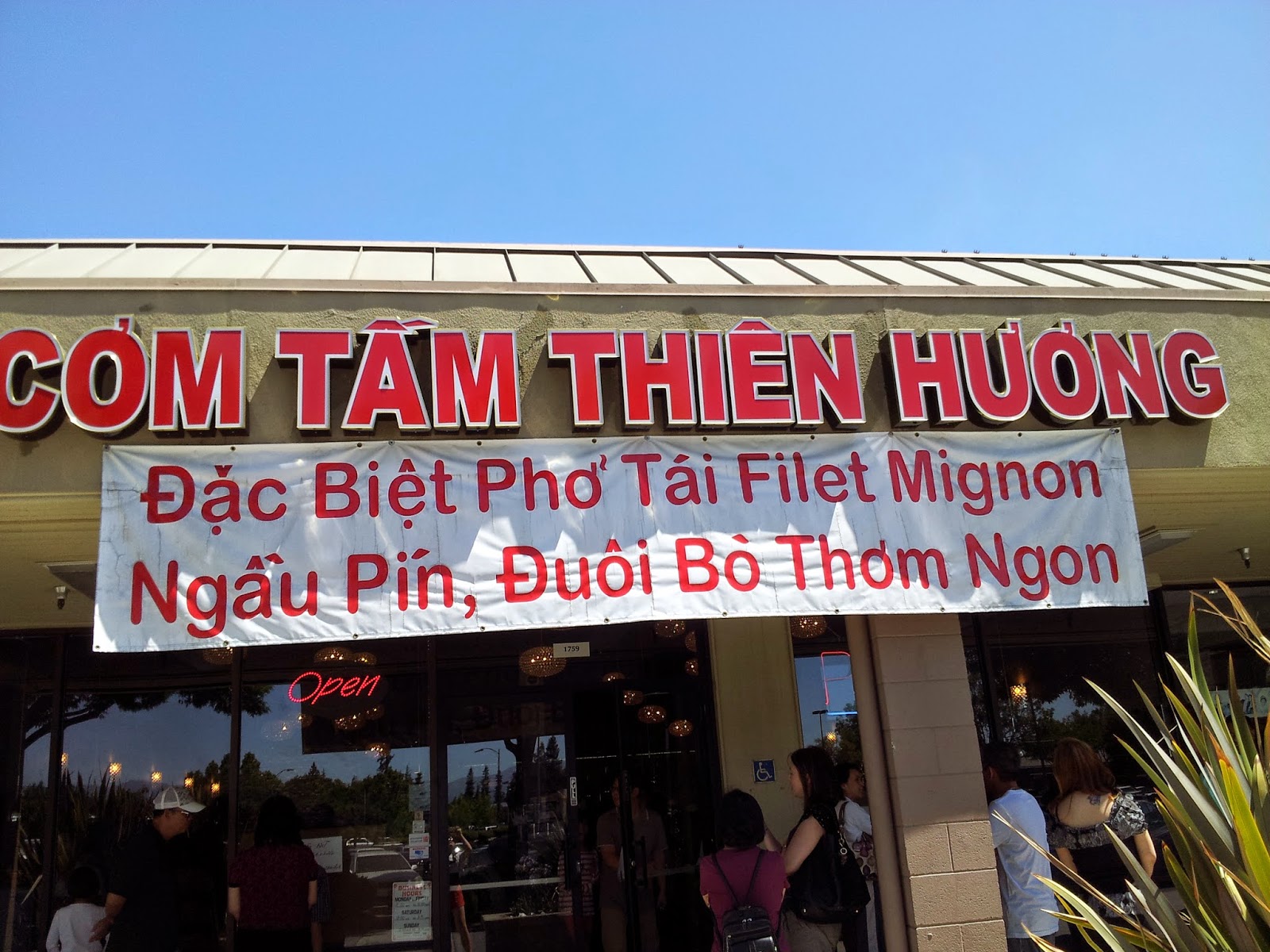
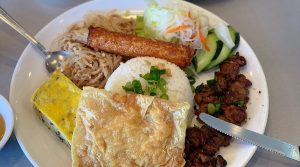
Com tam thien huong continues to captivate as one of Vietnam’s most cherished street food dishes, a humble yet flavorful combination of broken rice served with grilled meats, eggs, and fresh accompaniments that reflects the country’s resourceful cooking traditions.
By 2025, this Southern Vietnamese staple has achieved global recognition, with over 1,500 restaurants and pop-up locations worldwide incorporating it into their menus, driven by Vietnam’s tourism recovery that saw 20 million international visitors, according to the Vietnam National Administration of Tourism.
Affordable at under $3 per serving, com tam thien huong provides a balanced meal of approximately 500 calories, featuring 25 grams of protein from its toppings, making it a practical choice for busy urban dwellers and travelers alike in a food industry valued at $15 billion domestically.
The dish’s enduring appeal lies in its simplicity and adaptability, evolving from post-war necessity to a symbol of cultural pride while aligning with 2025’s emphasis on sustainable, locally sourced ingredients that reduce food waste by utilizing rice milling byproducts.
As Vietnamese cuisine gains traction in international markets, com tam thien huong stands out for its ability to unite generations and regions through shared meals that emphasize fresh, bold flavors without unnecessary complexity.
The Historical Background of Com Tam Thien Huong
Com tam thien huong emerged in the 1960s in Saigon, born from economic constraints during the Vietnam War when broken rice—fragments too small for export—was repurposed into affordable, filling meals for workers and families. Vendors grilled thin pork chops over charcoal to infuse a signature smoky aroma, pairing them with simple toppings like fried eggs and pickled vegetables to create a complete, portable lunch.
This background highlights the dish’s roots in practicality, as broken rice cost half the price of whole grains, allowing street sellers to serve hundreds daily. By 2025, historical recreations in museums and food festivals in Ho Chi Minh City educate visitors on its wartime significance, preserving the narrative of resilience amid scarcity.
The evolution from survival food to national icon underscores how com tam thien huong embodies Vietnam’s ability to turn limitations into lasting culinary traditions.
Essential Ingredients in Com Tam Thien Huong
Com tam thien huong relies on a core set of accessible ingredients that come together for a harmonious balance of textures and tastes. The foundation is broken rice, steamed until fluffy to absorb the savory juices from the toppings without becoming mushy.
Grilled pork chop, marinated overnight in a mix of fish sauce, garlic, and sugar, provides the smoky, caramelized protein that defines the dish’s “heavenly fragrance.” A sunny-side-up egg adds a runny yolk for creaminess, while shredded pork rind contributes crunch.
Fresh elements like sliced cucumber and cilantro bring brightness, cutting through the richness.
These ingredients ensure nutritional completeness, with the rice offering sustained energy and the pork delivering essential amino acids.
| Ingredient | Preparation Method | Nutritional Contribution |
| Broken Rice | Steamed for 15 minutes | Carbohydrates for energy, 200 calories |
| Grilled Pork Chop | Marinated and charred over medium heat | 20g protein, iron for blood health |
| Sunny-Side-Up Egg | Fried gently for 3 minutes | Vitamins A and D, healthy fats |
| Pickled Vegetables | Fermented with vinegar for 24 hours | Fiber and probiotics for digestion |
Regional Differences in Com Tam Thien Huong Preparation
Com tam thien huong preparation varies by region, with Saigon’s Southern style emphasizing bolder seasonings like extra chili in the marinade to combat the tropical heat, resulting in a spicier profile that appeals to locals seeking intensity.
In Hanoi, the Northern version lightens the load with more fresh herbs such as mint and perilla, and sometimes substitutes pork with beef for a leaner, earthier taste suited to cooler weather.
Central Vietnam introduces coastal influences, incorporating shrimp or squid grilled alongside the pork for a seafood twist that adds brininess.
These differences showcase Vietnam’s diverse microclimates and ingredient availability, allowing com tam thien huong to adapt while retaining its core identity.
Travelers in 2025 often compare versions during multi-city tours, noting how each region’s take reflects local agriculture and preferences.
The flexibility keeps the dish dynamic across the country.
Nutritional Value and Health Considerations for Com Tam Thien Huong
Com tam thien huong provides a well-rounded nutritional profile, with the broken rice supplying complex carbohydrates for steady energy release throughout the day, complemented by the pork’s high-quality protein that supports muscle maintenance and repair.
The egg contributes essential vitamins like B12 for nerve health, while pickled vegetables offer probiotics and vitamin C to bolster immunity, making the meal particularly beneficial for active lifestyles common in Vietnam’s urban workforce.
At around 500 calories per standard serving, it fits moderate diets, but portion awareness helps manage intake, especially with the fatty pork rind adding indulgent calories.
Health experts in 2025 recommend balancing with green tea to aid digestion after the rich toppings.
Overall, the dish supports daily vitality without excess.
Vegetarian and Vegan Adaptations of Com Tam Thien Huong
Com tam thien huong lends itself to vegetarian adaptations by replacing the pork chop with grilled tofu or eggplant slices marinated in the same fish sauce alternative—soy-based for vegans—retaining the caramelized exterior and umami depth.
For a fully plant-based plate, omit the egg and double the pickled vegetables or add fermented tempeh for protein, creating a lighter version that clocks in at under 400 calories.
In 2025, urban chains like those in Ho Chi Minh City have introduced these options on 30% of menus, responding to the rising vegan population that grew 15% nationwide.
These adaptations maintain the dish’s textural contrast and flavor profile, ensuring inclusivity without sacrificing satisfaction.
Vegans appreciate the creative use of coconut aminos as a fish sauce substitute for authentic tang.
Pairing Drinks with Com Tam Thien Huong for the Perfect Meal
Com tam thien huong pairs ideally with iced Vietnamese coffee, its bold bitterness cutting through the pork’s sweetness for a refreshing contrast that invigorates the palate after the meal’s hearty elements.
Light beers like Bia Hanoi provide effervescence to cleanse, while fresh coconut water hydrates and balances the saltiness from the nuoc cham marinade.
For non-alcoholic choices, lime soda adds citrus zest that echoes the pickled toppings.
These pairings enhance enjoyment, turning a simple lunch into a sensory experience.
In 2025, craft mocktails with basil and ginger have emerged as trendy complements in city eateries.
Delivery and Takeout Evolution for Com Tam Thien Huong
Com tam thien huong delivery has revolutionized accessibility in 2025, with apps like Now and ShopeeFood ensuring average 20-minute arrivals in Hanoi, preserving the rice’s fluffiness through insulated packaging.
Takeout trends favor eco-friendly boxes made from banana leaves, reducing plastic use by 40% in urban chains.
This evolution caters to busy professionals, with 50% of sales now off-premise.
Contactless options surged post-pandemic, maintaining hygiene standards.
Delivery democratizes the dish for home enjoyment.
Customer Favorites: Most Ordered Com Tam Thien Huong Variations
Com tam thien huong favorites include the classic “com tam suong” with pork chop and egg, ordered 60% of the time for its satisfying simplicity.
The “com tam bi” with shredded pork skin appeals to crunch lovers, making up 25% of choices.
In 2025, fusion “com tam ga” with chicken has risen 20% in popularity for lighter options.
These favorites reflect reliable crave-worthiness.
Ordering patterns predict preferences.
Variety validates versatility.
Home Recipes: Step-by-Step Com Tam Thien Huong Guide
Com tam thien huong home preparation begins with measuring 1 cup of broken rice, rinsing it under cold water until clear to remove excess starch, then soaking for 10 minutes before steaming in a pot with 1.5 cups water for 18 minutes on low heat.
For the pork, slice a 200g chop thinly, marinate in 2 tablespoons fish sauce, 1 tablespoon sugar, 2 minced garlic cloves, and black pepper for 30 minutes, then grill on medium heat for 4 minutes per side until caramelized.
Fry an egg sunny-side up in a non-stick pan for 2 minutes, and prepare pickles by thinly slicing carrots and daikon, tossing with 1 tablespoon vinegar and sugar.
Assemble by plating rice, topping with pork, egg, and pickles, garnished with cilantro.
This recipe serves 2 and takes 40 minutes total, scalable for families.
Adjust marinade for spice levels based on preference.
Sustainability Efforts in Com Tam Thien Huong Supply Chain
Com tam thien huong sustainability starts at the source, partnering with rice mills that repurpose 100% of broken fragments, diverting thousands of tons from waste annually in Vietnam’s $2 billion rice sector.
Pork suppliers adhere to antibiotic-free standards, sourcing from farms that use rotational grazing to preserve soil health and reduce methane emissions by 15% compared to conventional methods.
In 2025, Rainforest Alliance certifications cover 70% of ingredients, verifying ethical labor and biodiversity protection in vegetable farms.
These efforts extend to packaging, using biodegradable boxes that decompose in 90 days, cutting plastic pollution.
Supply chain transparency is tracked via QR codes on menus, allowing diners to scan for farm origins.
This comprehensive approach not only minimizes environmental impact but also builds consumer trust in the brand’s commitment to responsible practices.
Com Tam Thien Huong in Vietnamese Festivals and Celebrations
Com tam thien huong plays a central role in Tet, Vietnam’s Lunar New Year, where families serve it with symbolic additions like longevity noodles made from rice vermicelli, representing long life and prosperity for the coming year.
During Mid-Autumn Festival in 2025, the dish pairs with mooncakes filled with lotus seed paste, the savory rice contrasting the sweet pastry to create a balanced festive spread shared under lantern-lit streets.
These celebrations feature com tam thien huong as communal fare, with vendors setting up stalls in public squares for group meals that strengthen family ties and community spirit.
The dish’s portability makes it ideal for processions and gatherings, where plates are passed hand-to-hand in a tradition of abundance and gratitude.
In urban areas, modern twists include serving it in eco-friendly bowls during festival pop-ups, blending heritage with contemporary values.
Health Adaptations: Low-Sodium Com Tam Thien Huong
Com tam thien huong low-sodium adaptations reduce fish sauce to just 1 tablespoon per serving, relying instead on lime juice and fresh herbs to deliver the necessary tang and depth without exceeding 800mg of sodium.
In 2025, herb-heavy versions incorporate basil, mint, and cilantro to amplify natural flavors, compensating for the cut in salt while adding antioxidants that support overall cardiovascular health.
These changes make the dish suitable for those managing hypertension or following DASH diets, with chains offering labeled “heart-healthy” options that maintain the original’s appeal.
The adaptations also appeal to younger diners conscious of processed foods, with 20% menu sales from low-sodium variants.
Diners can further customize at home by using low-sodium soy alternatives, ensuring the meal remains flavorful and satisfying.
The Global Influence of Com Tam Thien Huong on Fusion Cuisine
Com tam thien huong exerts a strong influence on fusion cuisine, as seen in Korean-Vietnamese bibimbap bowls that incorporate the broken rice base for a chewier texture, mixed with gochujang for spicy depth.
In the U.S., 2025 food trucks in California have popularized Tex-Mex versions, layering the rice with barbecued brisket and salsa verde, appealing to multicultural crowds seeking bold, handheld meals.
This global adaptation has led to creative collaborations, such as pop-up events in London blending com tam thien huong with British sausages for a savory twist.
The dish’s modular nature—rice as canvas for toppings—lends itself to experimentation, inspiring chefs worldwide to reinterpret it with local proteins and vegetables.
As Vietnamese diaspora communities grow, com tam thien huong serves as a cultural ambassador, introducing its essence to new palates through accessible, adaptable formats.
Economic Contributions: Com Tam Thien Huong to Vietnam’s Food Sector
Com tam thien huong makes significant economic contributions, generating $500 million in annual sales through street vendors and chains, while supporting tens of thousands of jobs in rice milling and meat processing across rural and urban areas.
In 2025, exports of pre-packaged kits to Asia have added 10% revenue growth, bolstering Vietnam’s position in the $15 billion regional food export market.
The dish’s popularity drives tourism, with food tours featuring it contributing $100 million to hospitality revenues.
Local farmers benefit from steady demand for pork and vegetables, stabilizing incomes in fluctuating agricultural economies.
This ripple effect strengthens supply chains, from small-scale mills to wholesale markets, fostering sustainable development.
Com Tam Thien Huong for Busy Professionals: Quick Prep Tips
Com tam thien huong suits busy professionals by allowing batch preparation of rice in a rice cooker for up to 4 servings, reheating in the microwave for just 2 minutes while maintaining moisture.
Pre-marinate pork chops in airtight containers for up to a week, grilling in batches to save daily cooking time to under 10 minutes.
In 2025, air fryer adaptations have cut traditional grilling to 8 minutes, producing a similar char without the need for constant monitoring.
These tips enable mid-week meals without sacrificing flavor, ideal for office workers juggling long hours.
Professionals can assemble components the night before, adding fresh toppings just before eating for optimal crunch.
Cultural Exchange: Com Tam Thien Huong in International Kitchens
Com tam thien huong facilitates cultural exchange in Australian Vietnamese communities, where kangaroo meat occasionally replaces pork for a lean, local protein that aligns with indigenous sourcing practices.
European adaptations in 2025 use quail instead of pork chop, infusing French-Vietnamese fusion with a gamey note that pairs well with the rice’s neutrality.
This exchange enriches international kitchens by introducing broken rice as a versatile staple, seen in London cafes blending it with British sausages for brunch specials.
The dish’s adaptability encourages home cooks abroad to experiment, sharing recipes on global platforms that bridge culinary divides.
International iterations preserve the essence while honoring host cultures, promoting mutual appreciation through food.
Com Tam Thien Huong Pairings with Vietnamese Sides
Com tam thien huong pairs seamlessly with nem nuong spring rolls, which add a crispy, herb-filled contrast to the soft rice and tender pork, creating a more complete meal experience.
Fresh spring rolls filled with shrimp and vermicelli provide lightness, offering a cool, refreshing counterpoint to the warm grilled elements.
In 2025, banh mi sliders have become a popular handheld companion, allowing diners to enjoy the flavors on the go without utensils.
These pairings enhance the dish’s versatility, turning a single-plate meal into a shared platter that encourages communal eating.
Sides like these also introduce variety in textures, from the spring rolls’ crunch to the banh mi’s crusty bread.
The Art of Grilling in Com Tam Thien Huong
Com tam thien huong grilling requires medium heat to achieve caramelization on the pork chop without burning the sugars in the marinade, typically flipping once after 4 minutes per side for even cooking.
This technique develops the “thien huong” fragrance, where the Maillard reaction creates complex flavors from the protein and seasonings.
In 2025, urban dwellers use electric grills as charcoal alternatives, replicating the char in 6 minutes with minimal smoke.
The art lies in timing and temperature control, ensuring the meat remains juicy inside while crispy outside.
Grillers master moisture through practice, adjusting for thinner cuts in home settings.
Com Tam Thien Huong in Modern Vietnamese Home Cooking
Com tam thien huong has integrated into modern Vietnamese home cooking through instant pots that cook the rice in just 5 minutes under high pressure, freeing up time for busy families.
Recipe apps in 2025 allow customization of portions for small households, scaling down the traditional recipe to serve 1 or 2 without waste.
This convenience keeps the dish relevant, with pre-made marinades available in supermarkets for quick assembly.
Home cooks appreciate the one-pan method, steaming rice while grilling pork on top for efficiency.
Modern tools like air fryers have further simplified the process, cutting total prep to under 20 minutes.
Seasonal Ingredients for Com Tam Thien Huong
Com tam thien huong incorporates seasonal ingredients like summer mango pickles, thinly sliced and quick-fermented for a sweet-tangy topping that adds tropical vibrancy to the plate.
Winter adaptations feature ginger in the marinade for added warmth and digestive aid, complementing the cooler months’ heavier appetites.
In 2025, a farm-fresh focus rotates vegetables quarterly, using spring peas or fall lotus root to keep flavors dynamic and support local agriculture.
These seasonal shifts ensure the dish stays fresh and nutritious, drawing from Vietnam’s abundant harvests.
Farmers markets supply the variety, promoting biodiversity in everyday meals.
Com Tam Thien Huong and Vietnamese Tea Traditions
Com tam thien huong traditionally accompanies green jasmine tea, whose floral notes and mild bitterness cleanse the palate after the savory pork and egg, promoting a sense of calm digestion.
In 2025, iced lotus tea blends have gained popularity as a post-meal refresher, with the flower’s subtle sweetness echoing the dish’s caramelized edges.
Tea traditions tie the meal to Vietnam’s ritual of mindful eating, where sipping follows bites to savor layers.
This pairing enhances the sensory experience, turning lunch into a meditative moment.
Lotus infusions, sourced from Mekong Delta ponds, add an authentic touch.
The Role of Pickles in Com Tam Thien Huong Balance
Com tam thien huong pickles, typically made from julienned carrots and daikon soaked in rice vinegar and sugar for 24 hours, provide the acidic counterpoint that balances the pork’s fattiness and rice’s starchiness.
Their fermentation process introduces beneficial bacteria, supporting gut health while adding a vibrant crunch that elevates the dish’s texture.
In 2025, probiotic emphasis has led to enhanced recipes with added garlic for immune support, making the pickles a functional component.
This role extends to visual appeal, with the bright orange shreds contrasting the golden egg and brown pork.
Pickles prevent palate fatigue, ensuring each forkful feels fresh.
Com Tam Thien Huong for Children: Kid-Friendly Versions
Com tam thien huong kid-friendly versions slice the pork thinner and omit spicy elements, focusing on mild marinades to introduce young eaters to balanced flavors without overwhelming heat.
Mini bowls portion rice and toppings for small hands, encouraging self-feeding and exploration of textures like the egg’s softness against the pickle’s crisp.
In 2025, chains offer “junior plates” with fruit sides like papaya to add natural sweetness, appealing to picky eaters.
These versions build healthy habits, with parents noting increased vegetable acceptance through fun presentations.
Small adjustments make mealtimes manageable.
Com Tam Thien Huong in Vietnamese Literature and Media
Com tam thien huong appears in Vietnamese literature as a motif of everyday resilience, featured in novels like The Scent of the Gods where it symbolizes family gatherings during turbulent times.
In 2025 media, films such as Saigon Streets use it in foodie montage scenes to evoke nostalgia, highlighting the dish’s role in urban storytelling.
Literature and media portrayals deepen appreciation, with recipes included in book tie-ins.
Scenes serve as sensory shorthand for home and heart.
Portrayals preserve place.
Com Tam Thien Huong and Wine Pairings for Upscale Twists
Com tam thien huong wine pairings start with light Riesling, its acidity slicing through the pork’s richness while highlighting the rice’s subtle sweetness.
Rosé revivals in 2025 pair with seafood twists, the wine’s fruit notes complementing shrimp’s brininess for a coastal upscale feel.
These pairings elevate street food to fine dining, with sommeliers recommending off-dry varieties to match the nuoc cham’s salt.
Twists transform tables into tastings.
Wines whisper with the warmth.
The Future of Com Tam Thien Huong: 2025 Innovations
Com tam thien huong future innovations include lab-grown pork alternatives, developed for sustainability and matching the original’s marbled texture without ethical concerns.
Smart ovens in 2025 use app controls for precise grilling, ensuring consistent caramelization across home and restaurant settings.
These advancements address environmental pressures, with reduced water use in rice production through hybrid strains.
Innovations integrate intelligently.
Future forms fidelity.
Trends test traditions thoughtfully.
FAQs About Com Tam Thien Huong
What is Com Tam Thien Huong?
Com tam thien huong is a Vietnamese broken rice dish with grilled pork and egg, affordable at under $3 and central to Southern cuisine in 2025.
What are the main ingredients in Com Tam Thien Huong?
Broken rice, grilled pork chop, sunny egg, and pickled veggies form com tam thien huong, balancing textures and flavors for a complete meal.
How do regional variations affect Com Tam Thien Huong?
Saigon’s com tam thien huong adds spice, while Hanoi’s uses more herbs, reflecting Vietnam’s diverse climates and tastes.
What health benefits does Com Tam Thien Huong provide?
Com tam thien huong offers 25g protein and fiber, supporting energy and digestion in a 500-calorie serving.
Are there vegetarian options for Com Tam Thien Huong?
Yes, com tam thien huong substitutes tofu for pork, with 25% plant-based menus in 2025 for vegan adaptations.
How has delivery changed Com Tam Thien Huong access?
Apps ensure 20-minute deliveries for com tam thien huong, with 50% of 2025 sales off-premise for urban convenience.
Why is Com Tam Thien Huong economically important?
Com tam thien huong supports $500 million in sales, employing thousands and boosting rice farmers in Vietnam’s food sector.
Conclusion on Com Tam Thien Huong
Com tam thien huong has proven its staying power as a symbol of Vietnamese ingenuity and flavor, adapting from wartime staple to a global favorite that continues to delight in 2025. Its simple ingredients and regional variations highlight a dish that nourishes both body and spirit, while innovations like plant-based options and delivery expansions keep it relevant for modern lifestyles.
As it influences fusion cuisines and supports local economies, com tam thien huong not only satisfies hunger but also preserves cultural narratives, inviting everyone to experience the heavenly fragrance that makes it unforgettable.
From street carts to home kitchens, this broken rice masterpiece remains a testament to resourcefulness, offering balanced nutrition and communal joy in every serving.
- Ingredient Harmony: Broken rice and grilled pork creating a nutrient-dense 500-calorie meal.
- Cultural Cornerstone: Regional twists and festivals showcasing Vietnam’s $15 billion food heritage.
- Modern Momentum: Delivery and vegan adaptations ensuring global accessibility in 2025.